








Sponsors



Partner



















Z365" or "Festival all year round" is the new strategic point of the Festival in which converge investigation, accompaniment and development of new talents (Ikusmira Berriak, Nest); training and cinematic knowledge transfer (Elías Querejeta Zine Eskola, Zinemaldia + Plus, Filmmakers' dialogue); and investigation, disclosure and cinematic thought (Z70 project, Thought and Discussion and Research and publications).
 Calls for entries - 2026 Log-in to MY FESTIVAL
  Agenda Programme and tickets Search
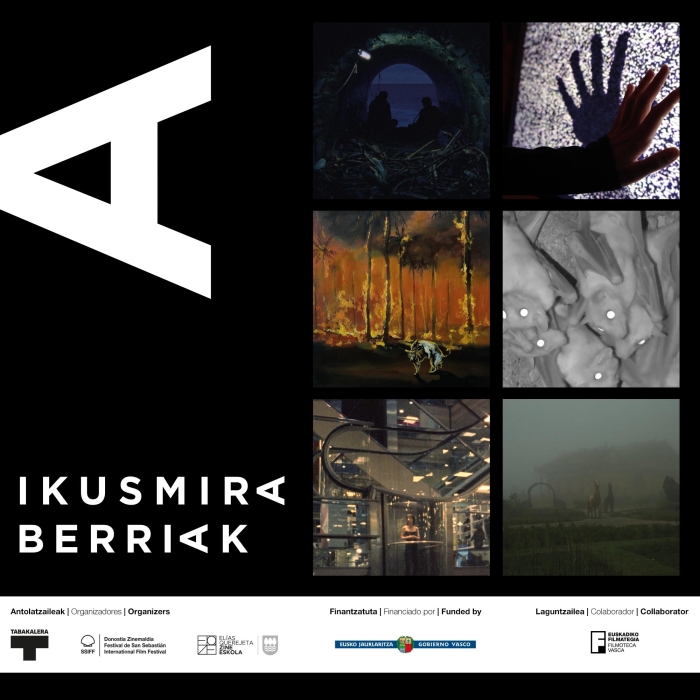

The suffocating heat, perhaps as an unmistakeable sign of the climate catastrophe, women’s bodies, exploring family structures, the industrial past and the digital universe are all present among the twelve proposals selected for the twelfth Ikusmira Berriak, approached in a rich variety of forms, reinterpreting genres like gothic horror, the road movie, psychological drama and body horror. The film projects by Ekain Albite, Rod Llaverías, Inês Nunes, Gala Hernández López, Kavich Neang and Valeria Hofmann were selected for the residencies organised by the San Sebastián Festival, the Tabakalera international arts centre and Elías Querejeta Zine Eskola. The programme once again broke its own record for entries, receiving 488 film projects. Among the six projects selected, five are debuts and one is a second film, reaffirming Ikusmira Berriak’s commitment to new cinematic voices and points of view.
In the Elías Querejeta Zine Eskola category, open to EQZE students, the project chosen was The Spirit Healer is Away for the Weekend, by Inês Nunes (b. Tavira, 1993). This Portuguese director, whose most recent short, A solidão dos lagartos / The Loneliness of Lizards (2025), was premiered in the official short film selection at the Cannes festival, and selected in the Nest category at the San Sebastián festival, where it won the Movistar Plus + prize for best short, portrays two women who, in an Algarve assailed by heat and tourism, take refuge in a shopping centre, which the film maker describes as “places that offer consolation and belonging, but at the same time work as traps that capitalise on our most deep-seated anxieties.”
In the Nest category, open to filmmakers chosen in the last five editions of the international students' event at the festival (2020-2024), La Canícula by Dominican director Rod Llaverías (b. New York, 1989) was chosen. The first feature-length film by Llaverías, who co-wrote the short Darling, winner of the Orizzonti prize for best short film in Venice (2019), is working on the short Tropicalía, with which he took part in Nest in 2022, exploring care, the duel, trauma and identity through four women who live in a dilapidated family home in the Dominican capital.
In the Basque category the project chosen is Akira, by Ekain Albite (b. Zumaia, 1999), co-director of the collective film Negu hurbilak (2023), which earned a special commendation in the Cineasti del Presente section at the Locarno festival. The first solo feature-length project by Albite, an EQZE graduate, is a spectral, night-time road movie featuring two Georgian scrap merchants who travel from the Lemoiz nuclear power station to their native country.
The project selected in the Spanish category is Los animals magnéticos / Magnetic animals by Gala Hernández López (b. Murcia, 1993). This artist, film-maker and researcher, whose film La Mécanique des fluides won the César for best short documentary in 2024, tells the story of two women with a mysterious connection, a scientist in modern-day Berlin and a French aristocrat trying to deal with motherhood in the late 18th century, a gothic horror film which uses the idea of the female double.
In the international category two projects have been chosen. In Daemon, Chilean director and scriptwriter Valeria Hofmann (b. Santiago de Chile, 1988) uses body-techno horror to tell the story of two people who live on the fringes of the technological system: a content moderator and a worker in a factory that produces mobile phones. Her short film AliEN0089, which also explored the technological habitat, won the prize for best international director at Sundance (2023) and the Grand Prix Labo at Clermont Ferrand (2024).
Finally, Cambodian director Kavich Neang (b. Phnom Penh, 1987), after premiering Boden sar / White Building at the Venice festival (2021), winning the Orizzonti prize for best actor, uses his second feature-length project, Chas Khouch Kmeng Ropus / Bad Man Good Boy, to portray the coming of age of two friends, but also to reflect on the family and an authoritarian context.
The residency lasts eight weeks, divided into two stays. The group of six filmmakers will be arriving at Tabakalera on 9th March and will have time in the Film and Audiovisuals Laboratory there to work on their projects until 19th April. During this time, they will be advised by experts specially chosen on the basis of each project's needs. In June, each resident will receive financial assistance to help them to carry on working on their project between the two stays. In September, coinciding with the festival, they will come back to San Sebastián to complete the last two weeks of their residency. During this phase they will be able to present their project to industry professionals and will have a personalised agenda of visits with people interested in taking part in their projects.
Eleven years of Ikusmira Berriak in figures
- Projects: 56
- Films completed: 28
- Awards: 57
- Appearances at festivals: 353
-
Last films premiered: 5 in 2025
La misteriosa mirada del flamenco / The Mysterious Gaze of the Flamingo, Diego Céspedes (2025); Anoche conquisté Tebas / Last Night I Conquered the City of Tebas, Gabriel Azorín (2025); Hiedra / The Ivy, Ana Cristina Barragán (2025); Estrany Riu / Strange River, Jaume Claret (2025); Aro berria, Irati Gorostidi (2025).
EQZE Category

Every summer, the residents of a small town in the Algarve gather at dawn to witness a much-anticipated ritual: luxury cars speed past, taking the pulse of the year’s economy. Sharon returns to her hometown following her mother’s unexpected death. After thirty years abroad, where she never managed to make a name for herself as an actress, she is surprised to discover that, back home, her image has become an object of worship.

Inês Nunes, director
Nest Category
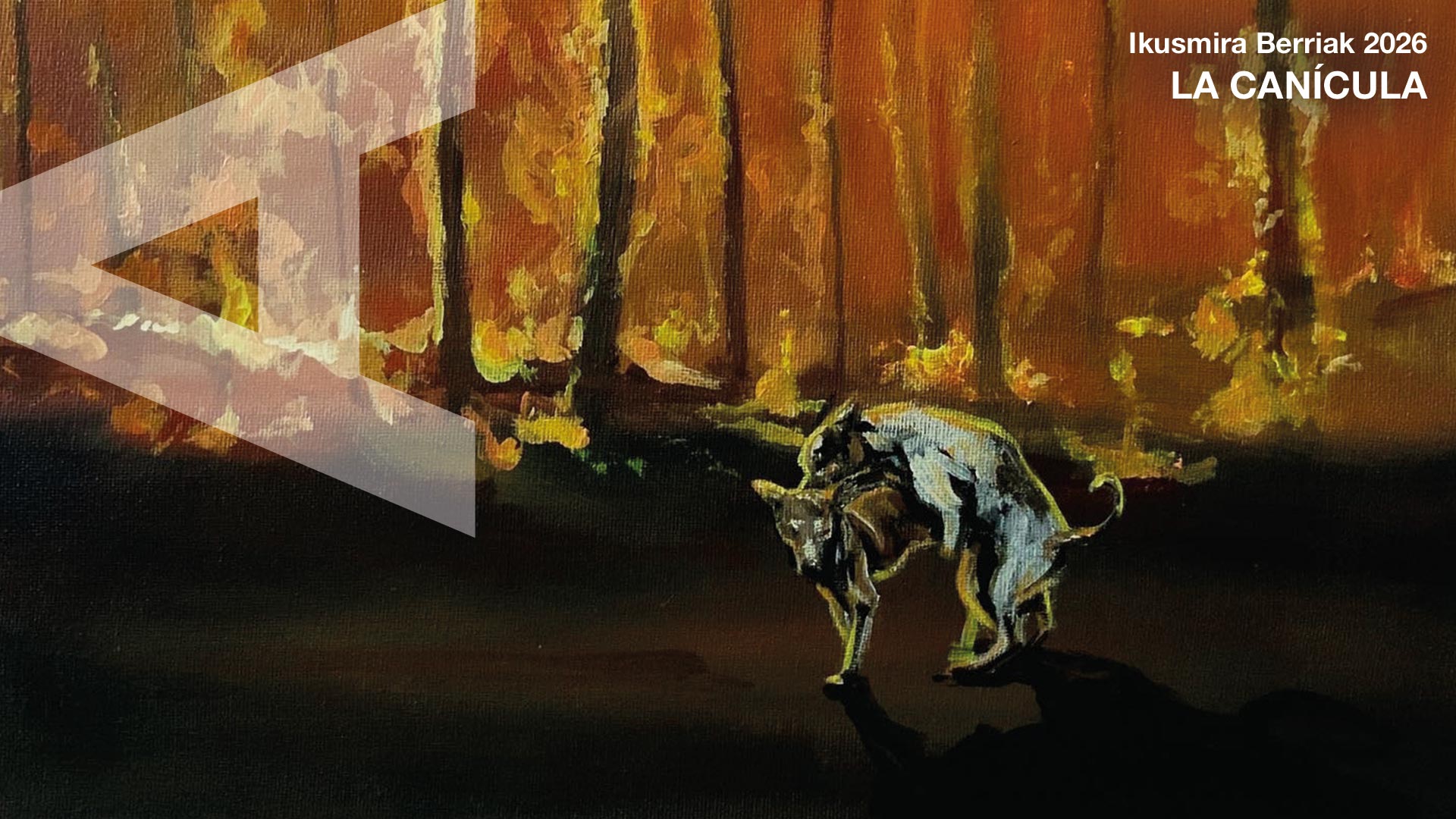
Among the ruins of a Dominican home overrun by stray dogs, Selmo is a closeted man who provides care for the elderly women in his family together with his sister Dolores. An aunt's return and the arrival of a stranger will silently shatter the fragile balance they have all depended on, as they navigate the family's delicate ties, memory and desire.

Rod Llaverías, director
Basque Category
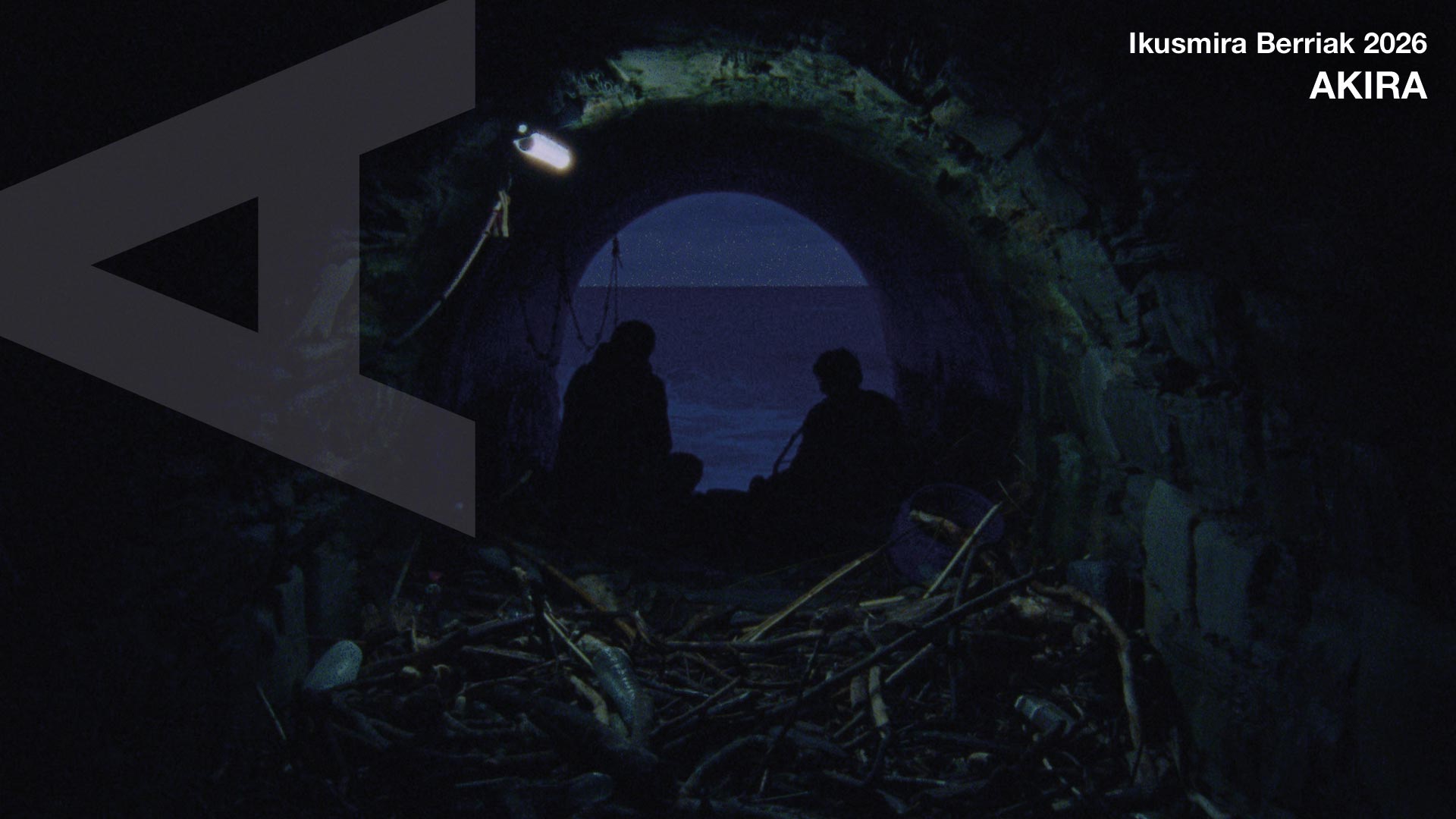
Under a night that seems endless, David, a Georgian who works at the water reservoirs along the Basque coast, is trapped in a silent routine that begins to shift when a young man he thinks he recognizes appears. Meanwhile, in Georgia, Eteri runs her clothing shop and feeds the dogs living in the abandoned sanatoriums. Separated by distance, they both sense their routines slowly unraveling, as if the darkness surrounding one could reach into the other’s life.

Ekain Albite, director
Spanish Category
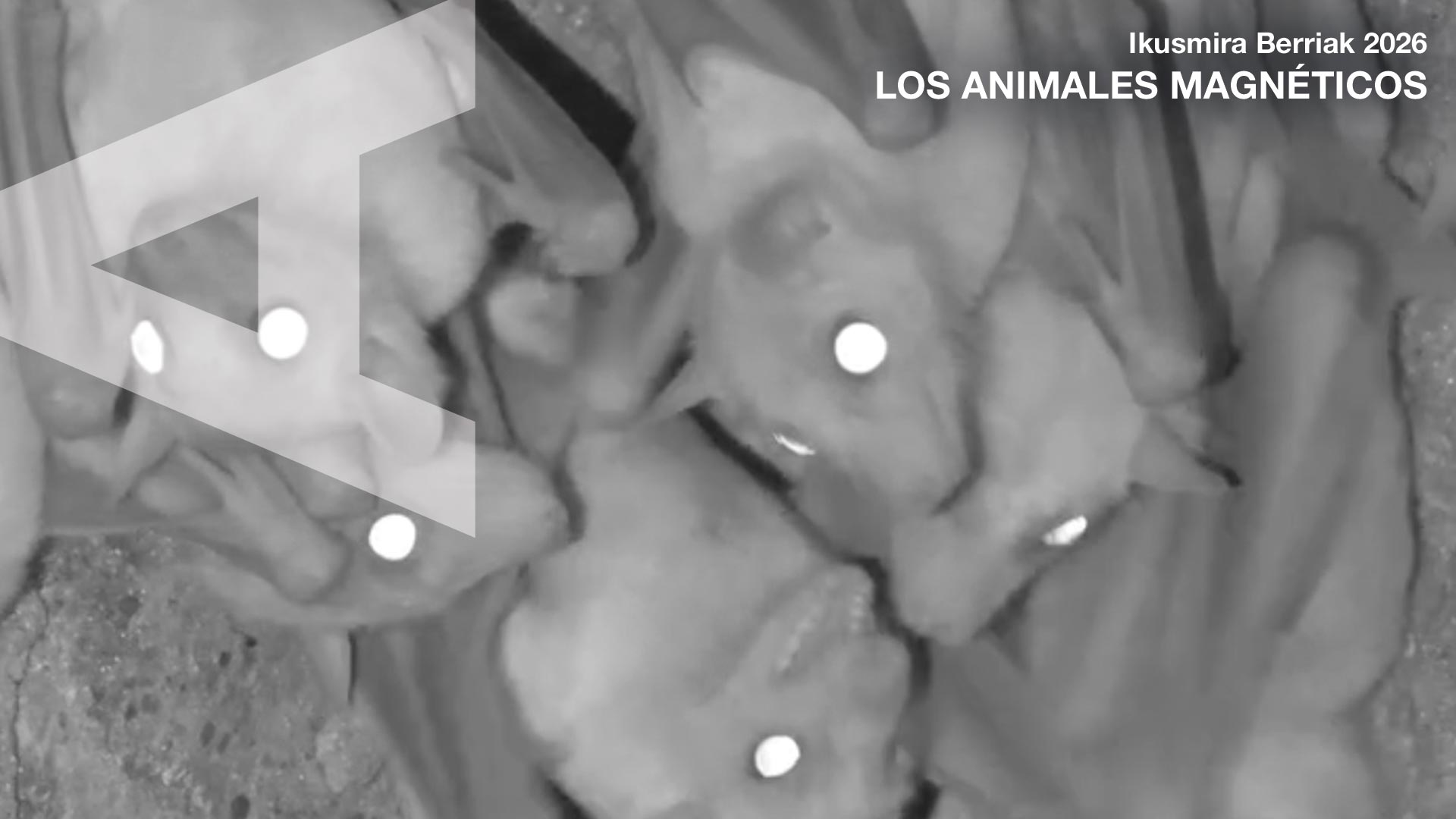
Berlin, near future. Hedda lives under the pressure of a pronatalist regime. Called upon to justify why she has no children, she becomes entangled in a medical and bureaucratic process that forces her to confront her desires. France, 1786. Berthe undergoes magnetic treatments to cure her infertility. When Madeleine, a pregnant enslaved woman, is brought to live with her, Berthe’s fate becomes intertwined with hers. What connection links Hedda and Berthe across time?

Gala Hernández López, director
International Category

In a city devastated by fire, Liz, a solitary content moderator, discovers that her virtual lover is a being trapped inside her computer. As the limits between reality and the digital become blurred, Liz is obsessed with giving him a physical body using a bioprinter fed with blood, risking her humanity in the process.

Valeria Hoffmann, director
International Category
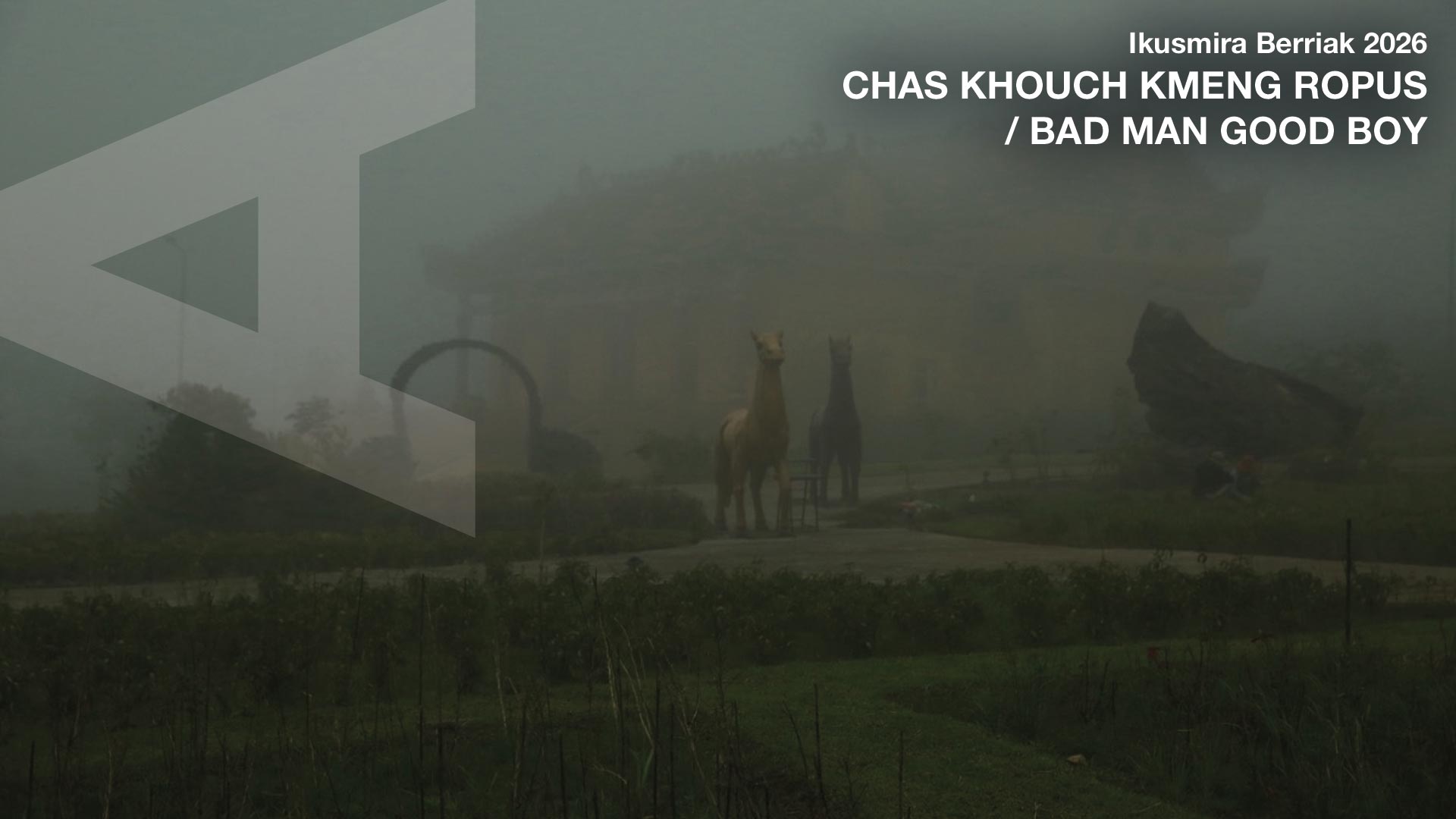
In Phnom Penh, Sinoun cares for her husband, Socheat, and their son, Arun. After a fight over Arun's relationship, Socheat suffers a stroke and is partly paralyzed. A neighbor rushes him to hospital, but bills rise fast. Estranged son Tola returns, bringing both relief and tension. As Sinoun borrows money to keep the family afloat, their door vanishes—stolen by the neighbor. When Sinoun's mother becomes gravely ill, they return to the countryside, where Tola reveals he is leaving for Korea now.

Kavich Neang, director






















Monday to Sunday from 09:00 to 14:00
and from 16:00 to 20:00