








Sponsors



Partner



















Z365" or "Festival all year round" is the new strategic point of the Festival in which converge investigation, accompaniment and development of new talents (Ikusmira Berriak, Nest); training and cinematic knowledge transfer (Elías Querejeta Zine Eskola, Zinemaldia + Plus, Filmmakers' dialogue); and investigation, disclosure and cinematic thought (Z70 project, Thought and Discussion and Research and publications).
 Calls for entries - 2026 Log-in to MY FESTIVAL
  Agenda Programme and tickets Search
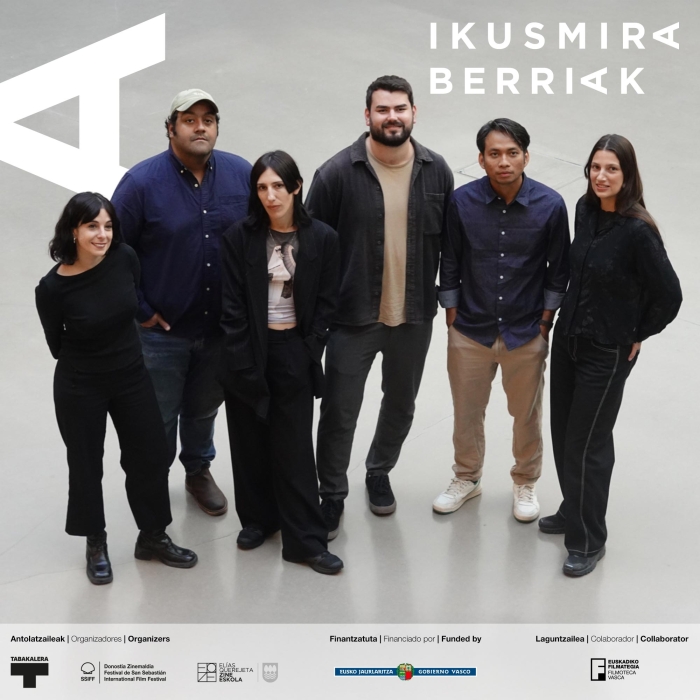



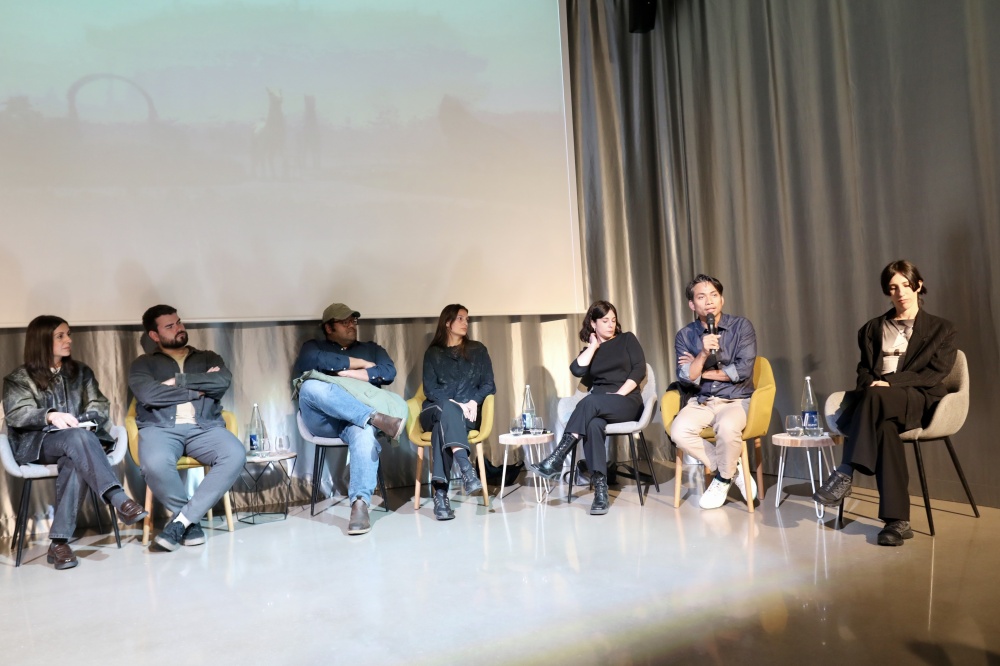
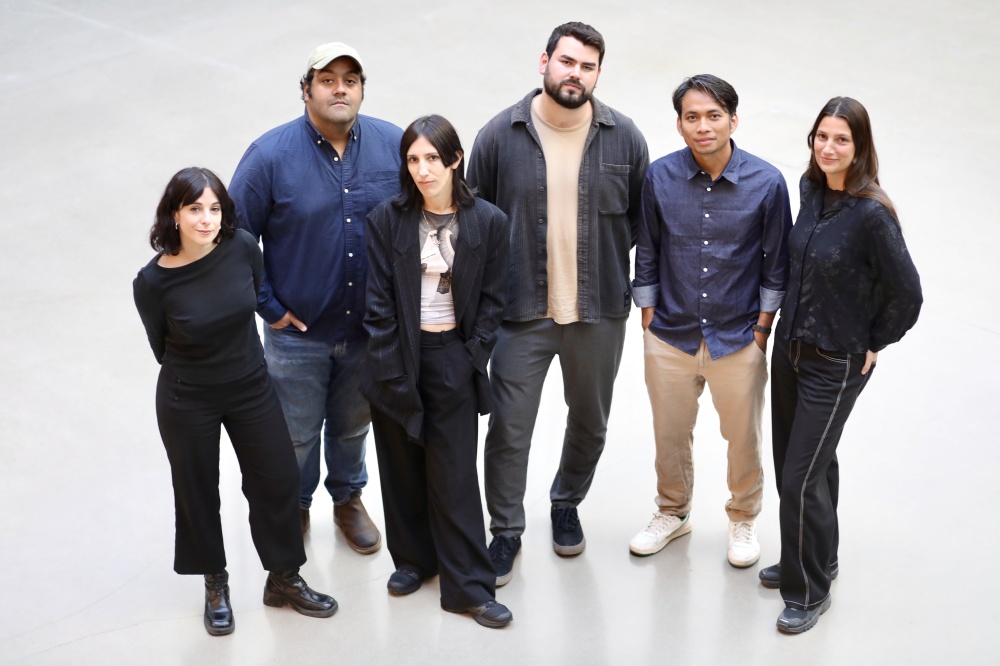
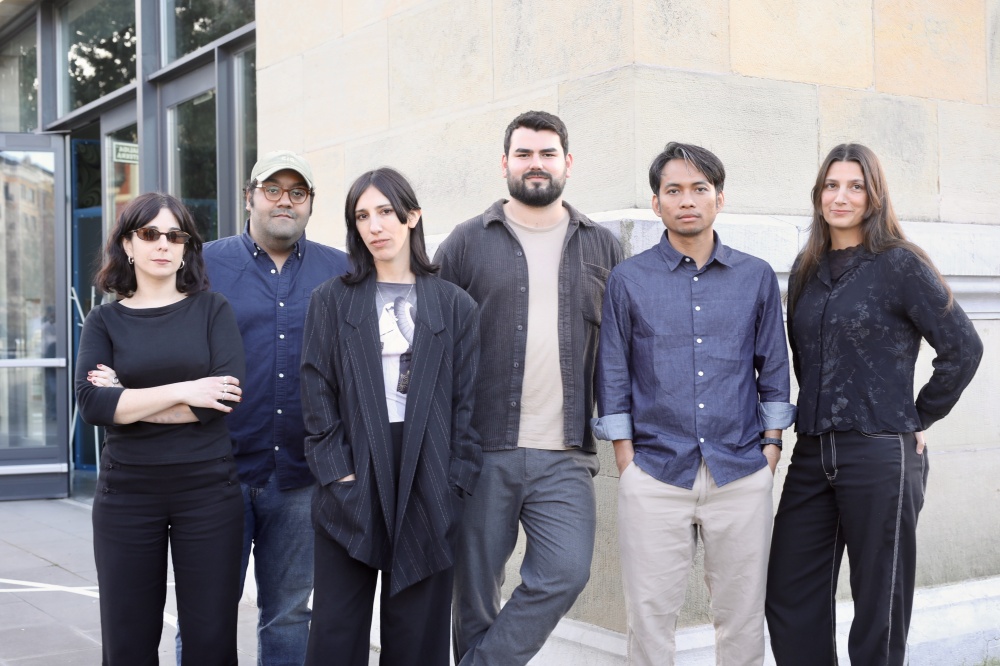
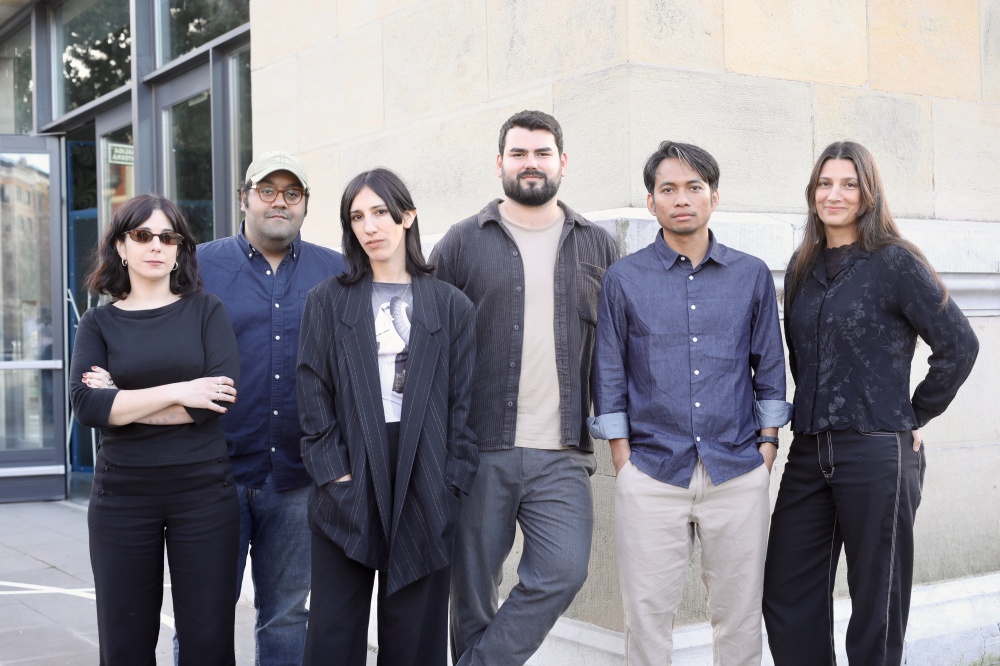
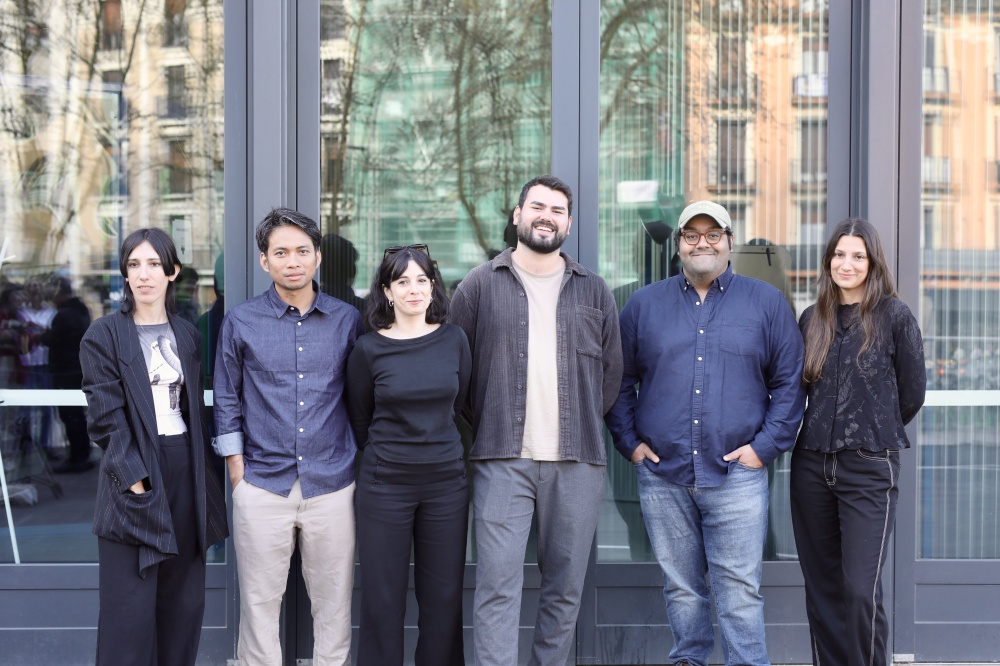
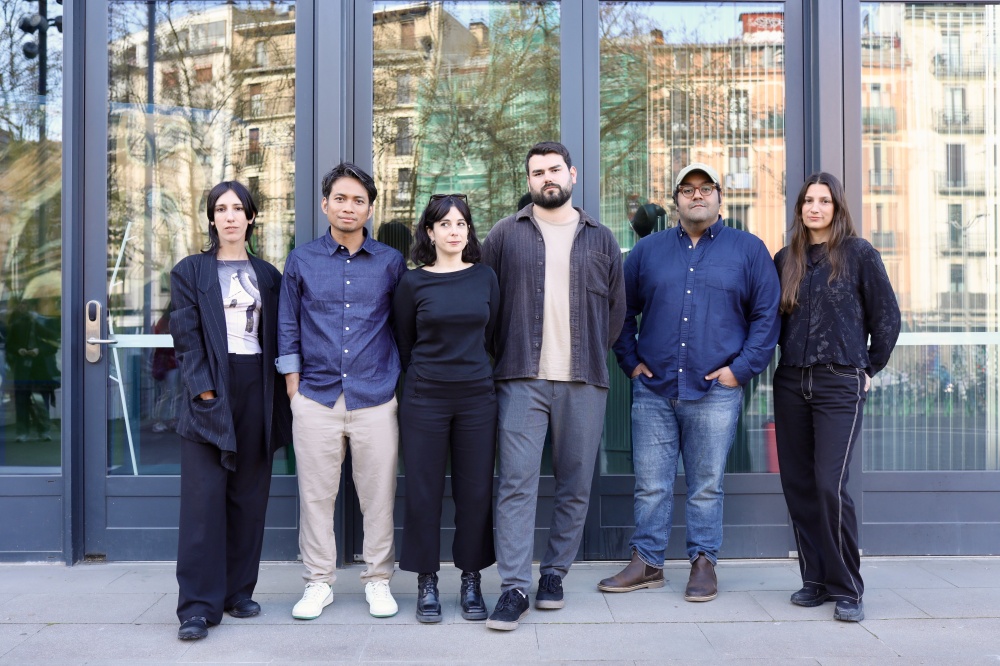
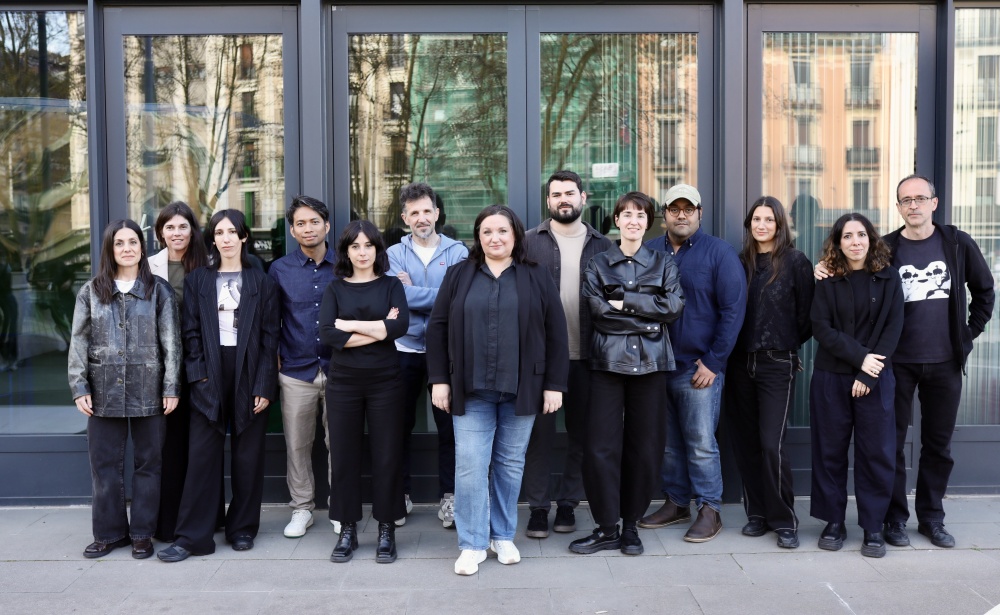
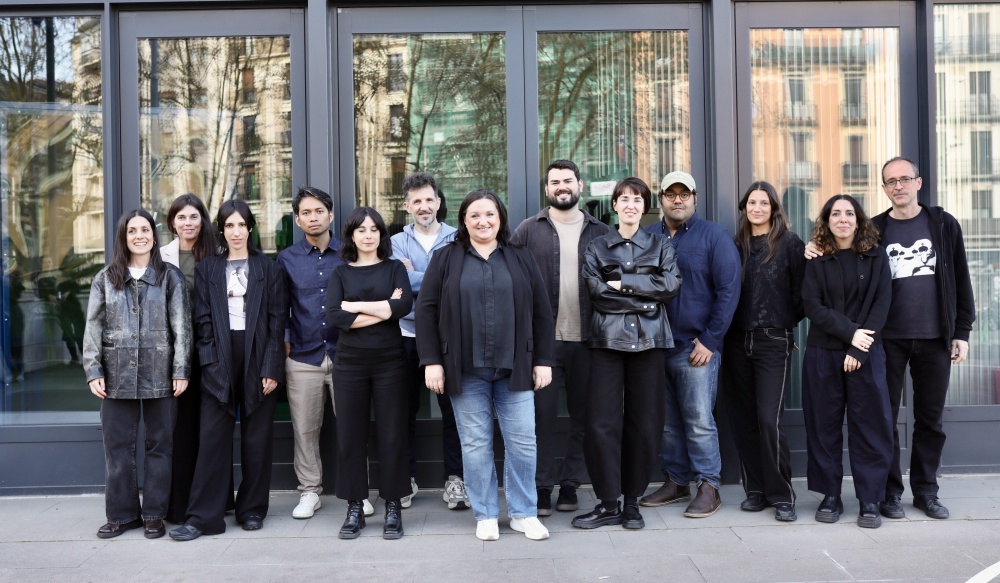
Ekain Albite, Rod Llaverías, Inês Nunes, Gala Hernández, Kavich Neang and Valeria Hofmann have been working since March 9 at the Cinema and Audiovisual Lab at Tabakalera, in San Sebastián, where until April 19 they will have time, space, resources and context to work on the development of their projects. In the first phase of the twelfth edition of the Ikusmira Berriak residency and film project development programme, organised by the San Sebastian Film Festival, the Tabakalera international contemporary arts centre and Elías Querejeta Zine Eskola (EQZE), those taking part will be advised by professionals chosen specifically for each project on the basis of their needs: María Alché, Anna Ciennik, Tizza Covi, Desirée de Fez, Santiago Fillol, Alexandre Koberidze and Juliana Rojas will mentor the projects, while writer Harkaitz Cano, filmmaker Lucile Hadžihalilović and director Víctor Iriarte will give workshops on writing and image creation.
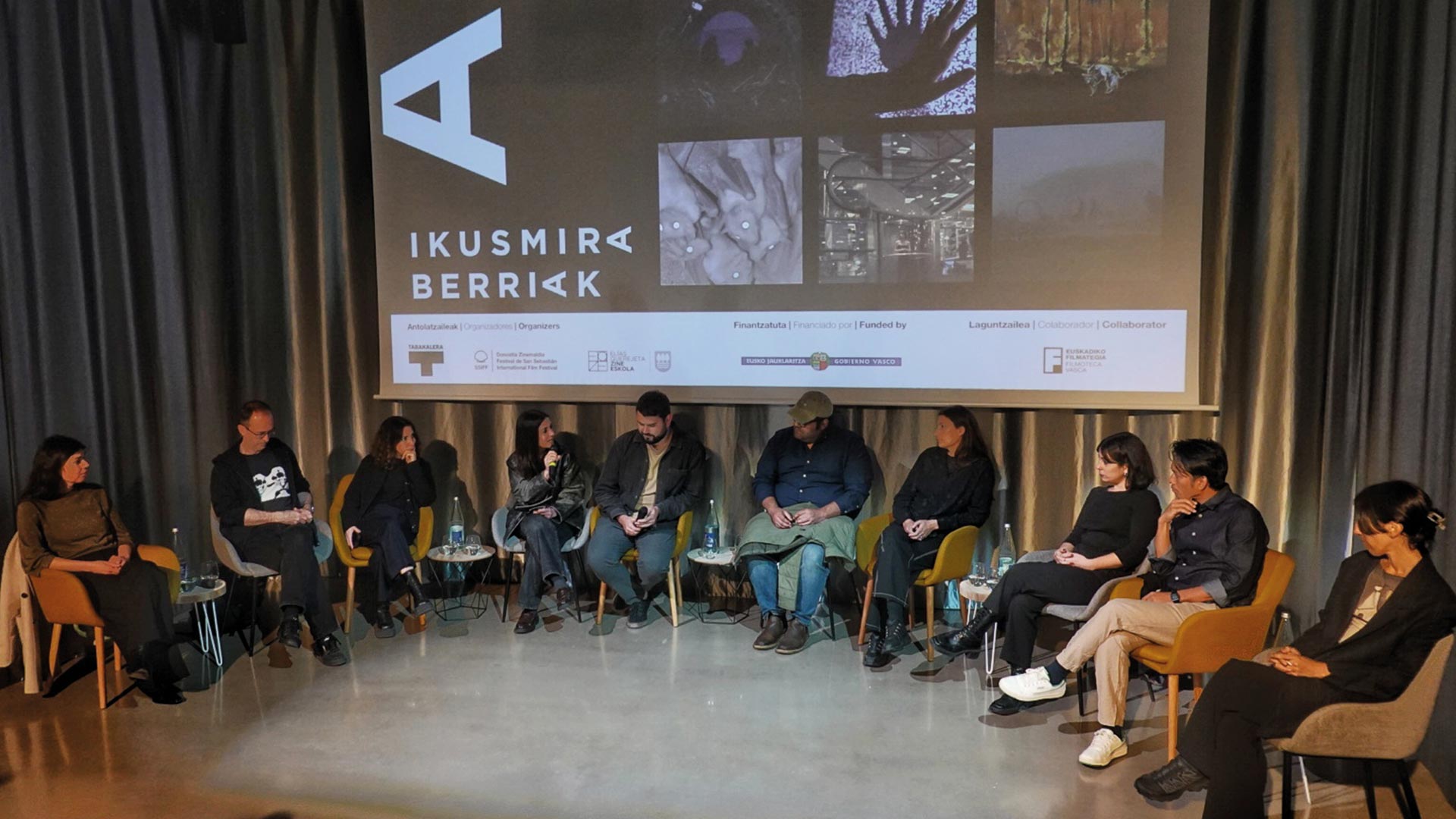
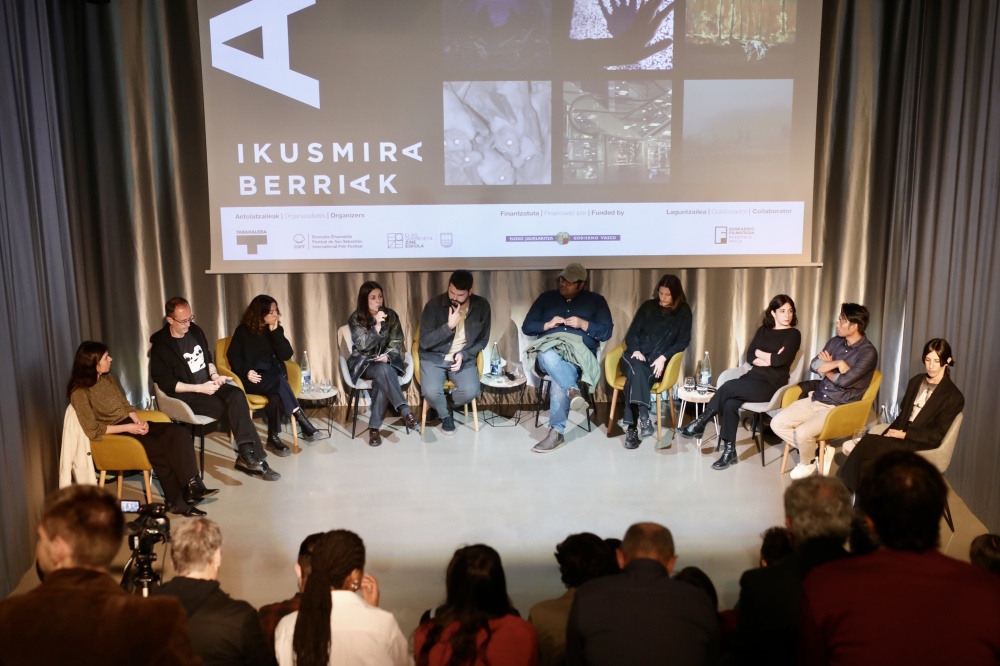
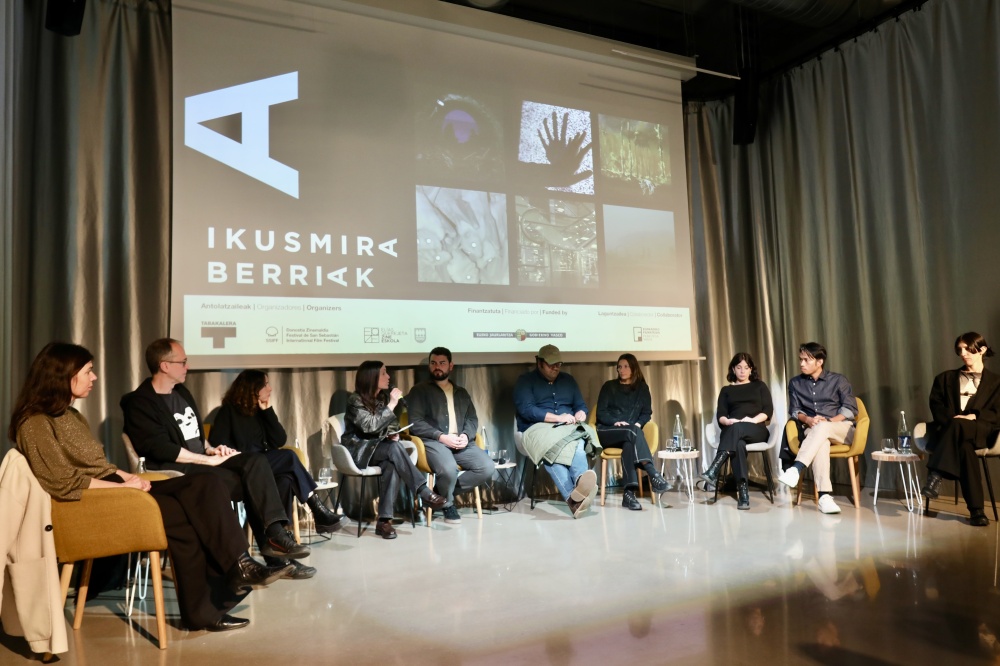
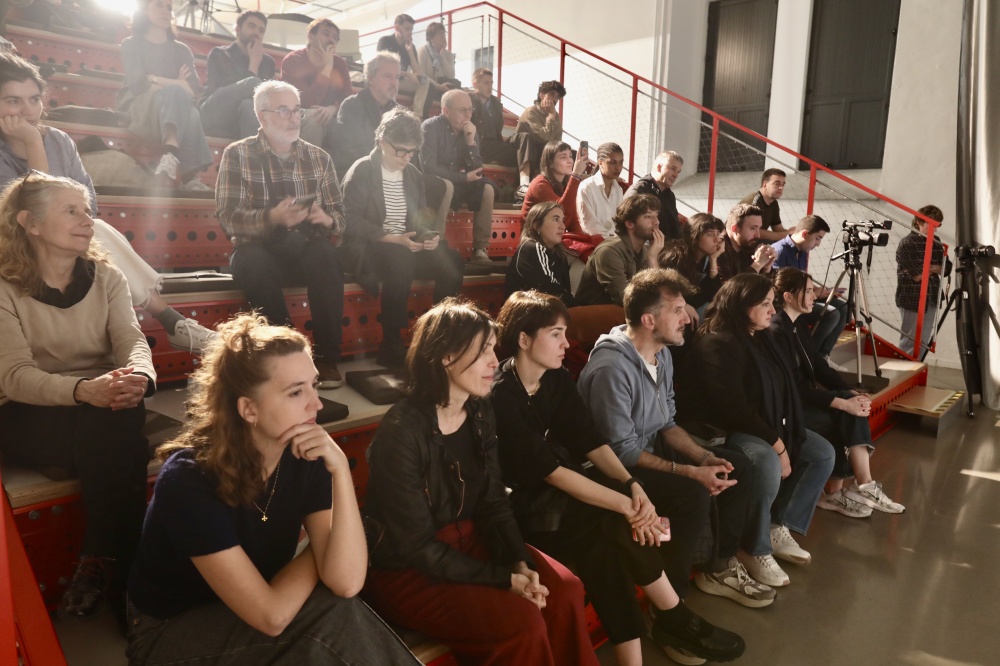
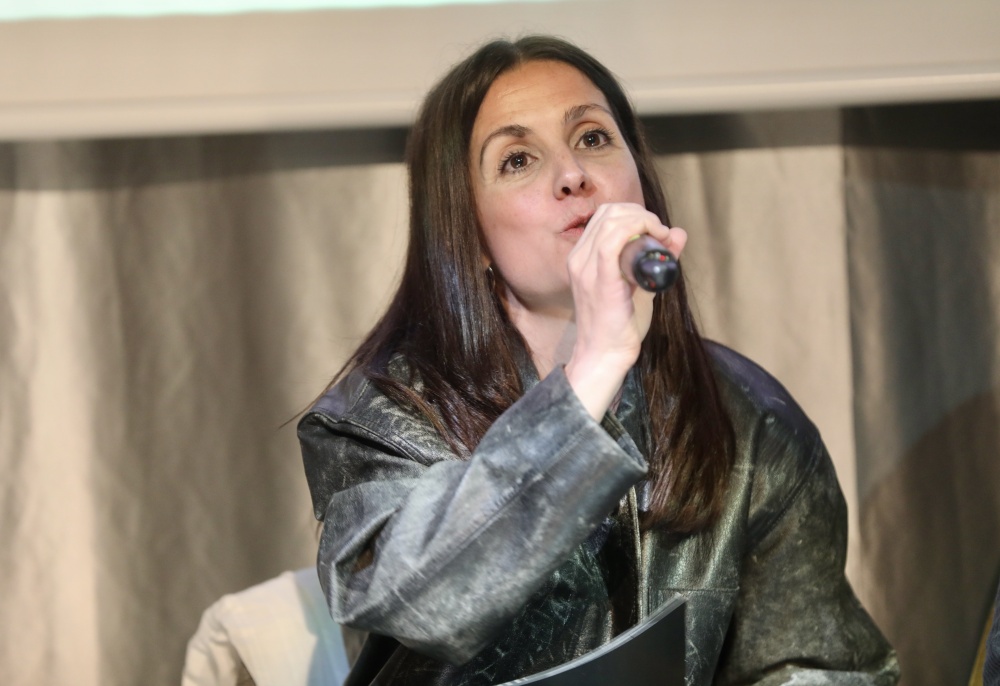
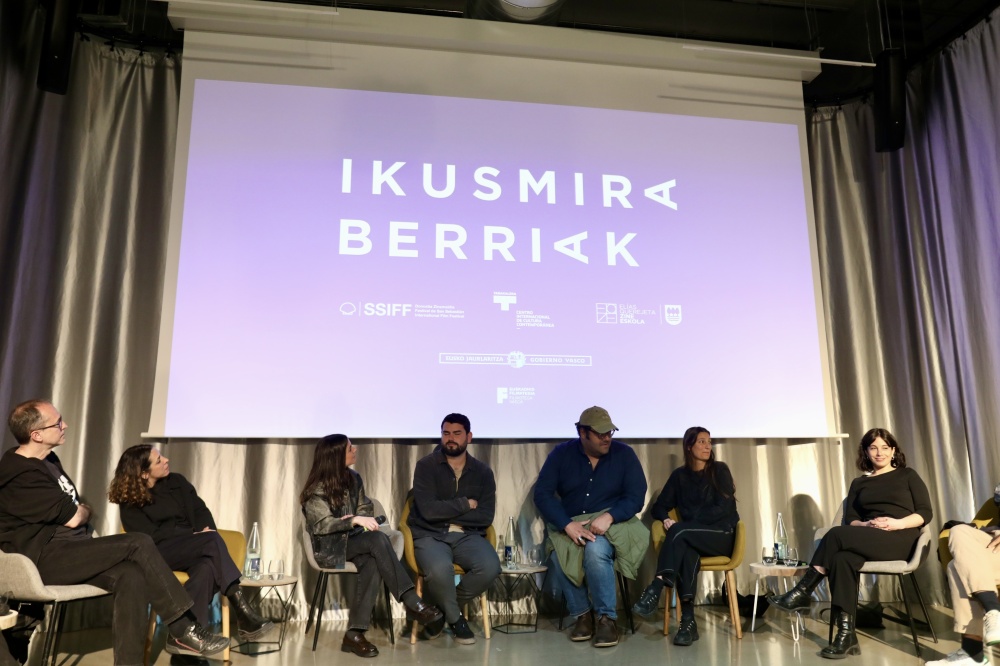
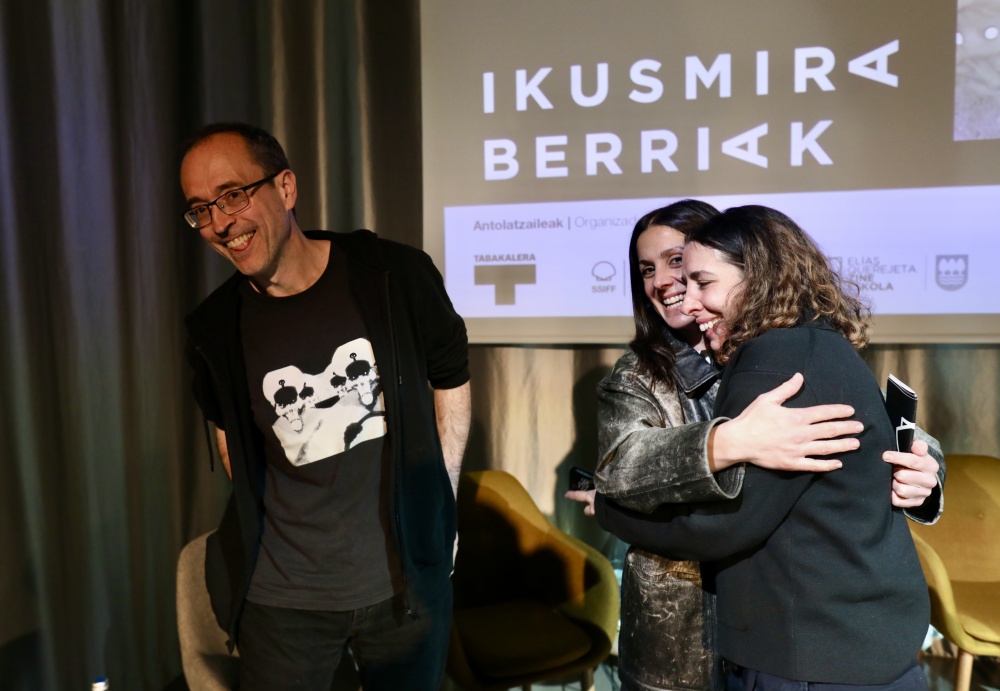
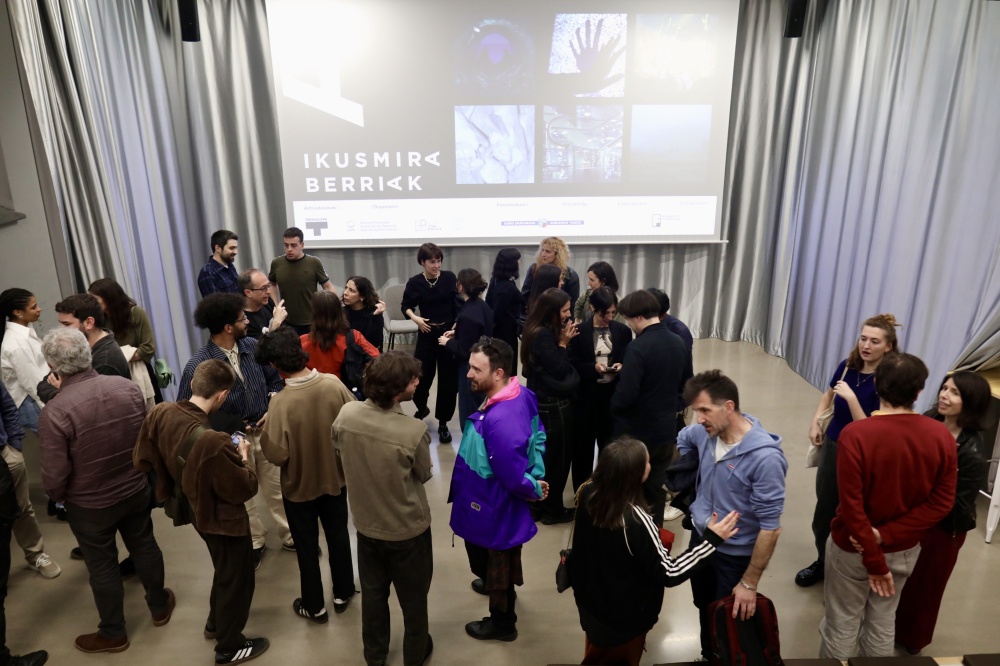
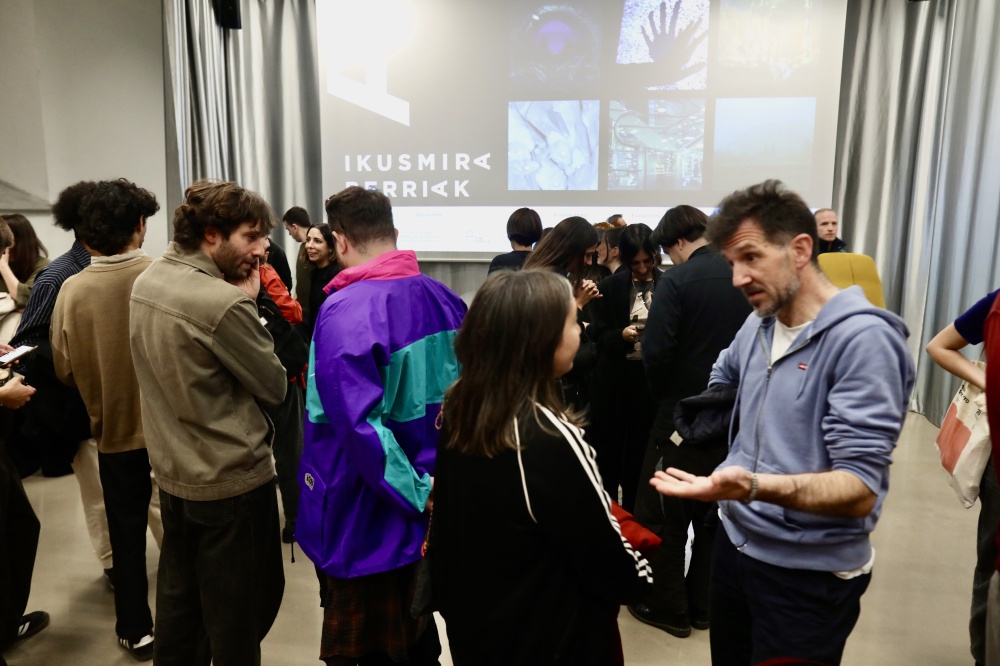
The Film and Audiovisual Laboratory today hosted the public presentation of the projects, led by Maialen Franco, coordinator of the training programmes of the San Sebastian Festival. The deputy director of the Festival, Maialen Beloki; the cultural director of the Tabakalera international contemporary arts centre, Clara Montero, and the academic director of EQZE, Carlos Muguiro, also attended the presentation of the six filmmakers selected this year. The names of the figures from the film world who will be giving personalised online and in-person mentoring sessions for each filmmaker, based on their requests and on the nature of their project were also revealed.
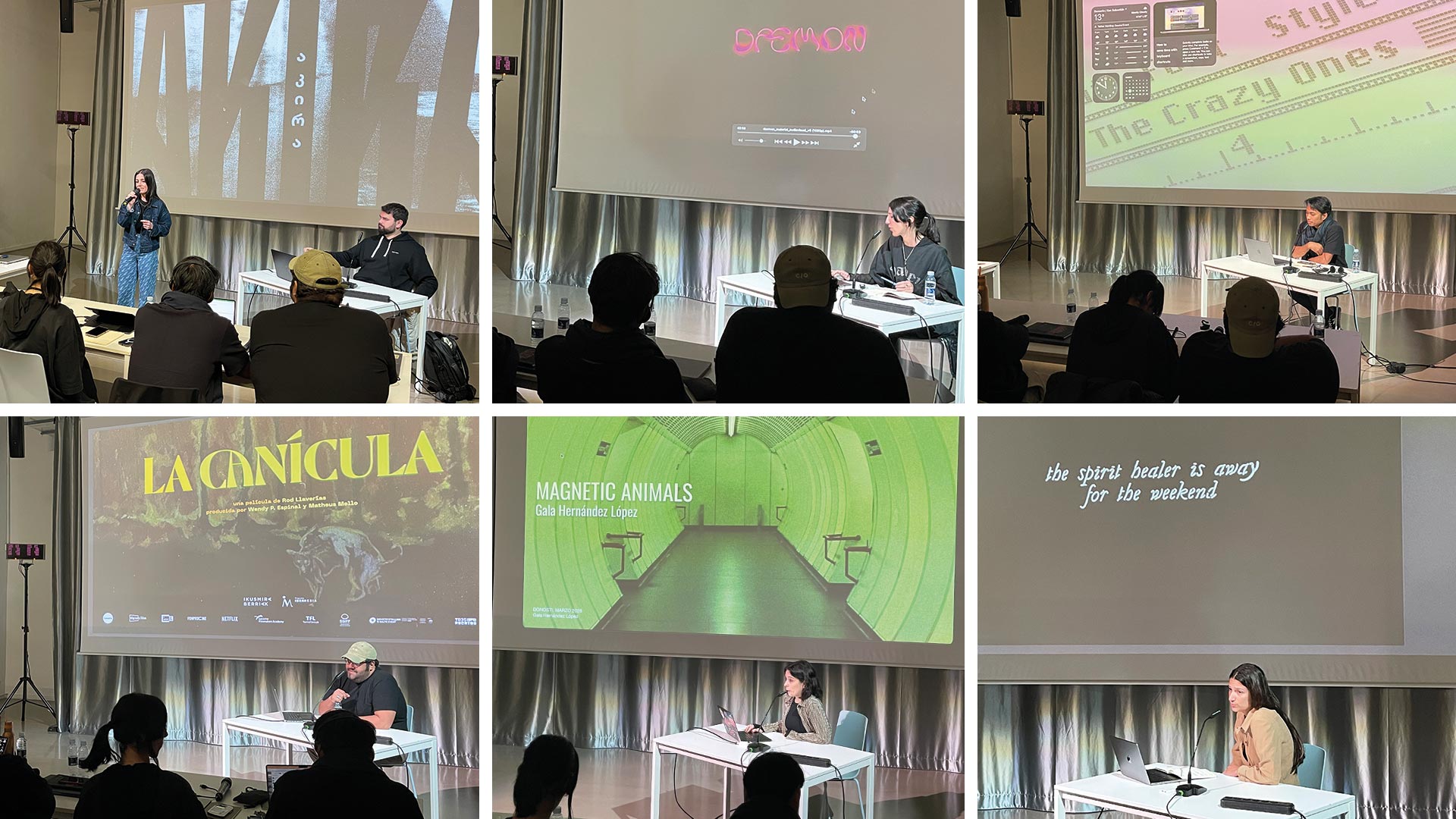
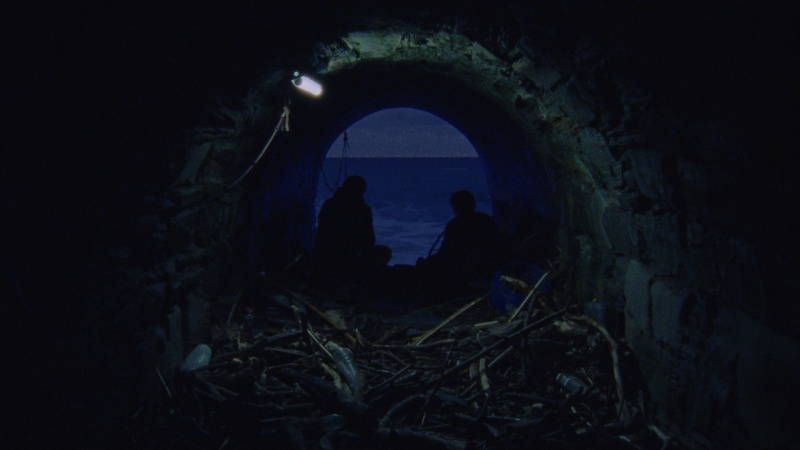
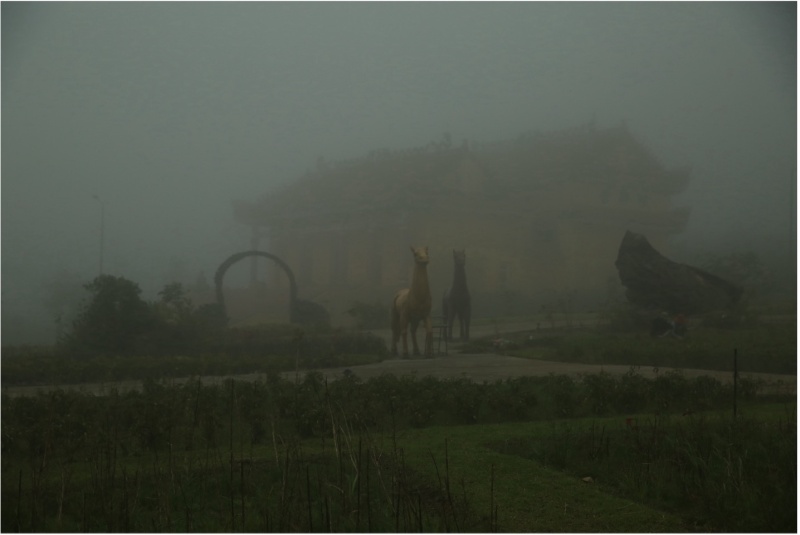
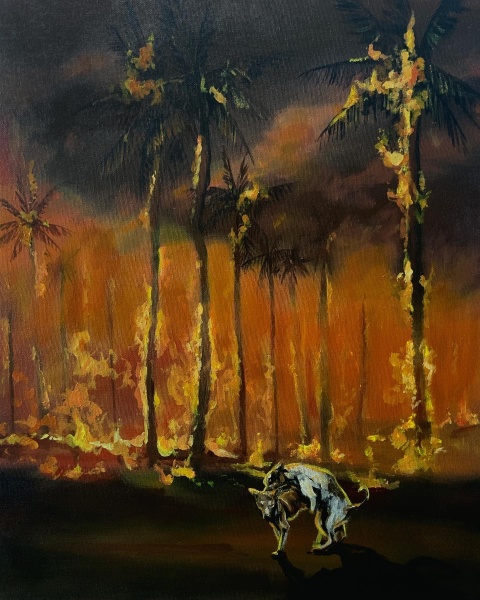
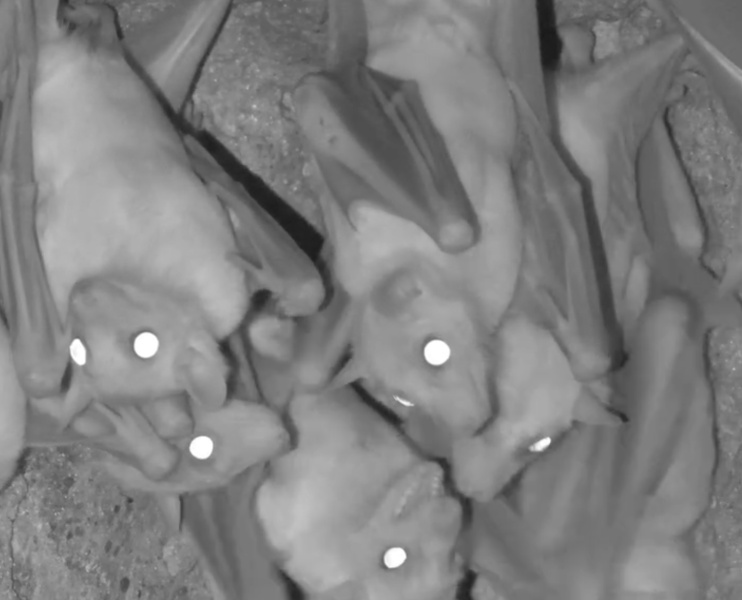
Thus, Inês Nunes (Tavira, 1993) will be supported by Italian filmmaker, screenwriter and photographer Tizza Covi to work on her debut feature film, The Spirit Healer is Away for the Weekend, portraying two women who take refuge, in an Algarve besieged by heat and tourism, in a shopping centre, described by the filmmaker as "places that offer consolation and belonging, but at the same time act as traps to capitalise on our deepest fears." Rod Llaverías (New York, 1989) will have Argentinian director and actress María Alché to help him with the creative process for La Canícula, in which he explores care, the dual, traumas and identity through four women who live in their dilapidated family home in the Dominican Republic. In turn, Ekain Albite (Zumaia, 1999) will have as mentors Argentinian filmmaker and screenwriter Santiago Fillol and Georgian director and screenwriter Alexandre Koberidze to take on Akira, his first solo long feature film, a spectral, nocturnal road movie about two Georgian scrap merchants travelling from the unfinished nuclear power station at Lemoiz to their homeland. Artist, filmmaker and researcher Gala Hernández López (Murcia, 1993) will have as her mentor, film critic and member of the Festival selection committee Desirée de Fez for her debut feature film, entitled Los animales magnéticos, a gothic horror fiction over which the idea of the female double floats. Chilean director and screenwriter Valeria Hofmann (Santiago de Chile, 1988) will be mentored by Brazilian director Juliana Rojas to take on her body-techno horror film Daemon, the story of two people who inhabit the margins of the technology industry: a content moderator and a worker in a factory making mobile phones. Finally, Cambodian director Kavich Neang (Phnom Penh, 1987) will be advised by screenwriter and consultant of Polish origin Anna Ciennik on his second long feature film project, Chas Khouch Kmeng Ropus / Bad Man Good Boy, a coming of age story about two friends, which is also a reflection on the family and authoritarian contexts.
During these first few days, the residents have had the opportunity to familiarise themselves with the resources at their disposal: access to all film screenings at Tabakalera's shared screen, the EQZE academic programme and its technical equipment (cameras, recorders, developing and digitisation laboratories, image and sound editing facilities and the projection workshop) the Filmoteca Vasca cinema and the Medialab creative library collection. Also, on Saturday 21, they will be showcasing their previous short films in the Tabakalera cinema.
They will also attend working sessions with filmmaker Víctor Iriarte between March 24 to 27, in which he will draw on Padgett Powell's work The Interrogative Mood; a writing workshop led by poet and novelist Harkaitz Cano on March 30 and April 1, using group activities, and, finally, between April 14 to 18, the creative workshop Thinking about the Project by French filmmaker and producer Lucile Hadžihalilović, who will share the tools and methodologies of her unique creative processes.
Over this week, the residents have had face-to-face meetings with industry professionals including producer and consultant Florencia de Múgica, consultant Olimpia Pont Cháfer and consultant and member of Festival the selection committee member Javier Martín. Up to the end of April they will have time to work on and discuss their projects, as well as networking with members of the Tabakalera community including students at EQZE, Noka filmmakers and the staff of all the three institutions behind the programme.
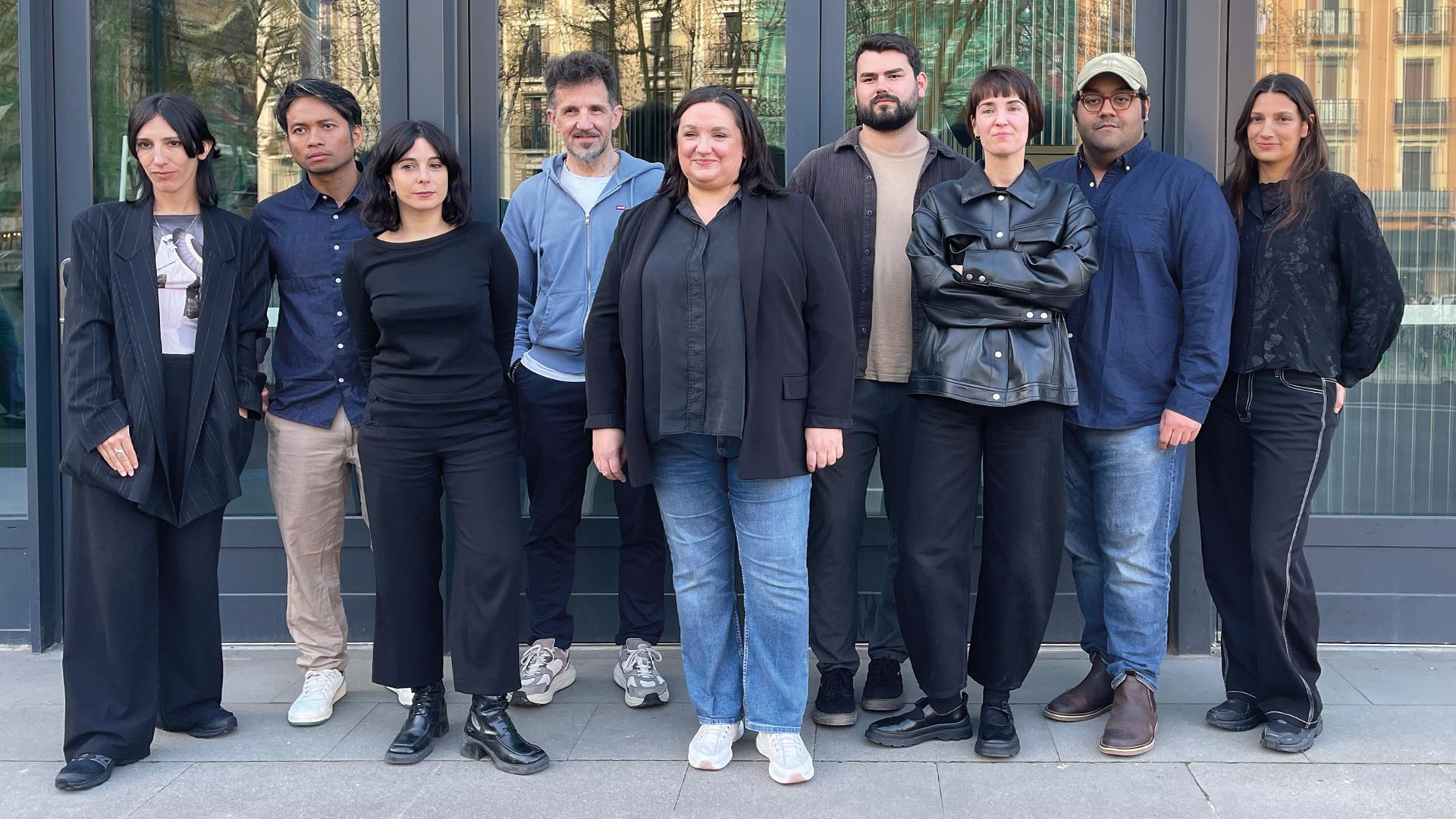
In June, every resident will receive financial assistance of 5,000 euros to carry on working on their projects between the two stays. In September, coinciding with the festival, they will come back to San Sebastián to complete the last two weeks of their residency. During this phase they will be able to present their project to industry professionals and will have a personalised agenda of visits with people interested in taking part in their projects.
Ikusmira Berriak 2026 short film programme -
ZINE 1, Tabakalera, Saturday 21. 7.00pm
- Laiotz, Ekain Albite, 2023 (32’)
- +10K, Gala Hernández López, 2025 (33’)
- Solidão dos Lagartos / The Loneliness of Lizards, Inês Nunes, 2025, (15’)
- Tropicalía, Rod Llaverias, 2022, (21’)
- Alien0089, Valeria Hofmann, 2023, (21’)
- Three Wheels, Kavich Neang, 2015 (20’)
Eleven years of Ikusmira Berriak in figures
- Projects: 56
- Films completed: 28
- Awards: 57
- Participations at festivals: 353
-
Last films premiered: 5 in 2025
La misteriosa mirada del flamenco / The Mysterious Gaze of the Flamingo, Diego Céspedes; Anoche conquisté Tebas / Last Night I Conquered Thebes, Gabriel Azorín; Hiedra / The Ivy, Ana Cristina Barragán; Estrany Riu / Strange River, Jaume Claret; Aro berria, Irati Gorostidi. - Films to be premiered in 2026: Manantial, Manuel Muñoz Rivas; Adentro del ruido, Martina Juncadella; Lejos de los árboles, Meritxell Colell.
Ikusmira Berriak 2026


 Images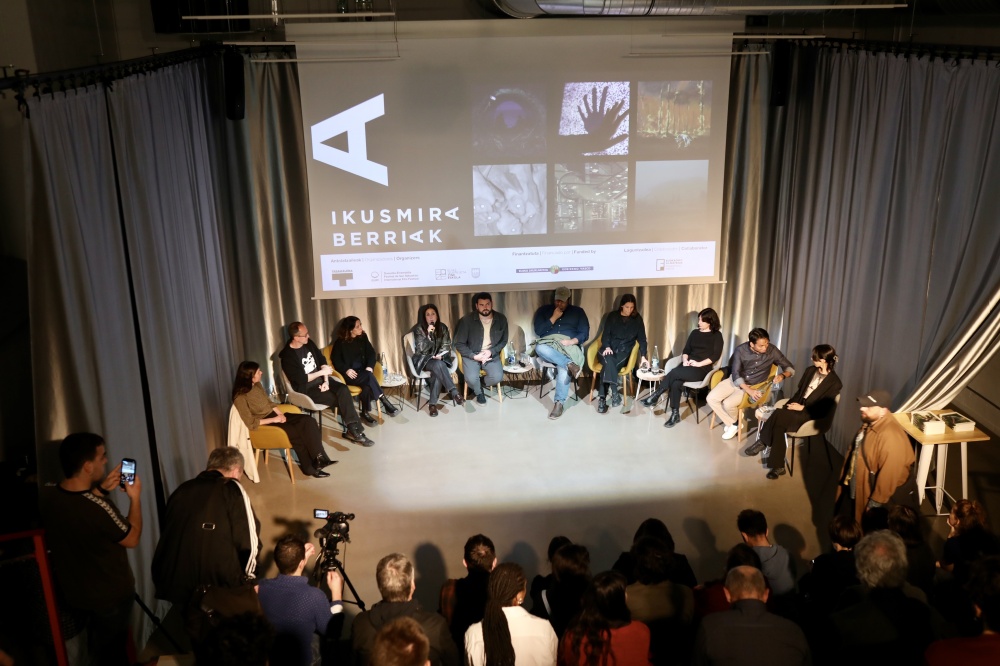

























Monday to Sunday from 09:00 to 14:00
and from 16:00 to 20:00