








Sponsors



Partner



















Z365" or "Festival all year round" is the new strategic point of the Festival in which converge investigation, accompaniment and development of new talents (Ikusmira Berriak, Nest); training and cinematic knowledge transfer (Elías Querejeta Zine Eskola, Zinemaldia + Plus, Filmmakers' dialogue); and investigation, disclosure and cinematic thought (Z70 project, Thought and Discussion and Research and publications).
 Calls for entries - 2026 Log-in to MY FESTIVAL
  Agenda Programme and tickets Search
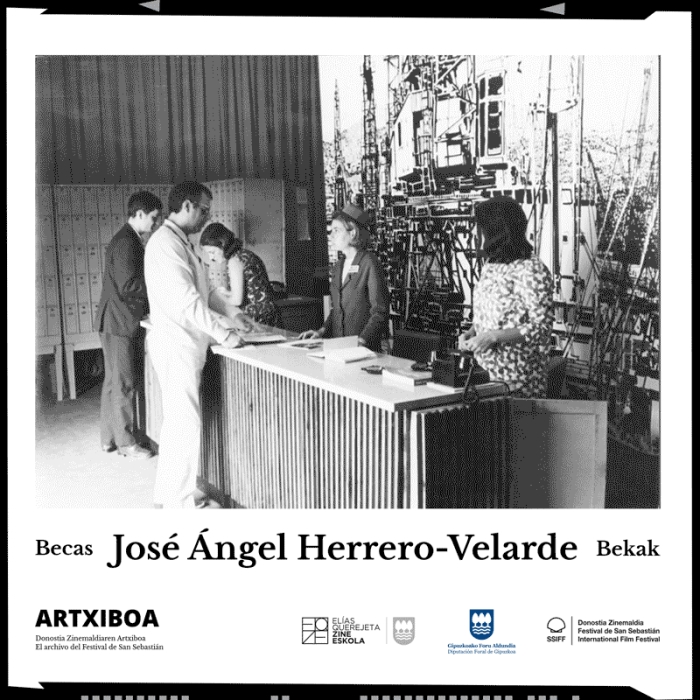
Rubén Corral, Elsa Estrella Echevarría and Beatriz Navas are the successful candidates of the fourth edition of the José Ángel Herrero-Velarde Grants organised by the San Sebastián Festival and the Elías Querejeta Zine Eskola (EQZE). Their works at Artxiboa will respectively address institutional relations with other Spanish festivals, the programming of films for children by Sonika-Bo from 1958 to 1963 and the Festival’s contribution to conversations on film policies.
In May, a committee made up of members of the Festival and of the EQZE chose the three winners of the research grants for 2026; one going to people born or living in the Basque Autonomous Community (Corral) and two going to researchers from other parts of Spain (Echevarría and Navas). The committee chose their proposals “for the plural nature and pertinence of their subject matter and methodological approach, their theoretical contribution to the study of film festivals and to the awareness of films from both Spain and other countries, as well as for their general consideration of the Festival archive and for taking its resources as their main reference”.
The goal of these grants is to promote research into the Festival's historical archive (Artxiboa) by means of generating new academic texts taking the archive as their main source and enabling a look back at the event in days gone by while maintaining an ongoing dialogue with its present and future.
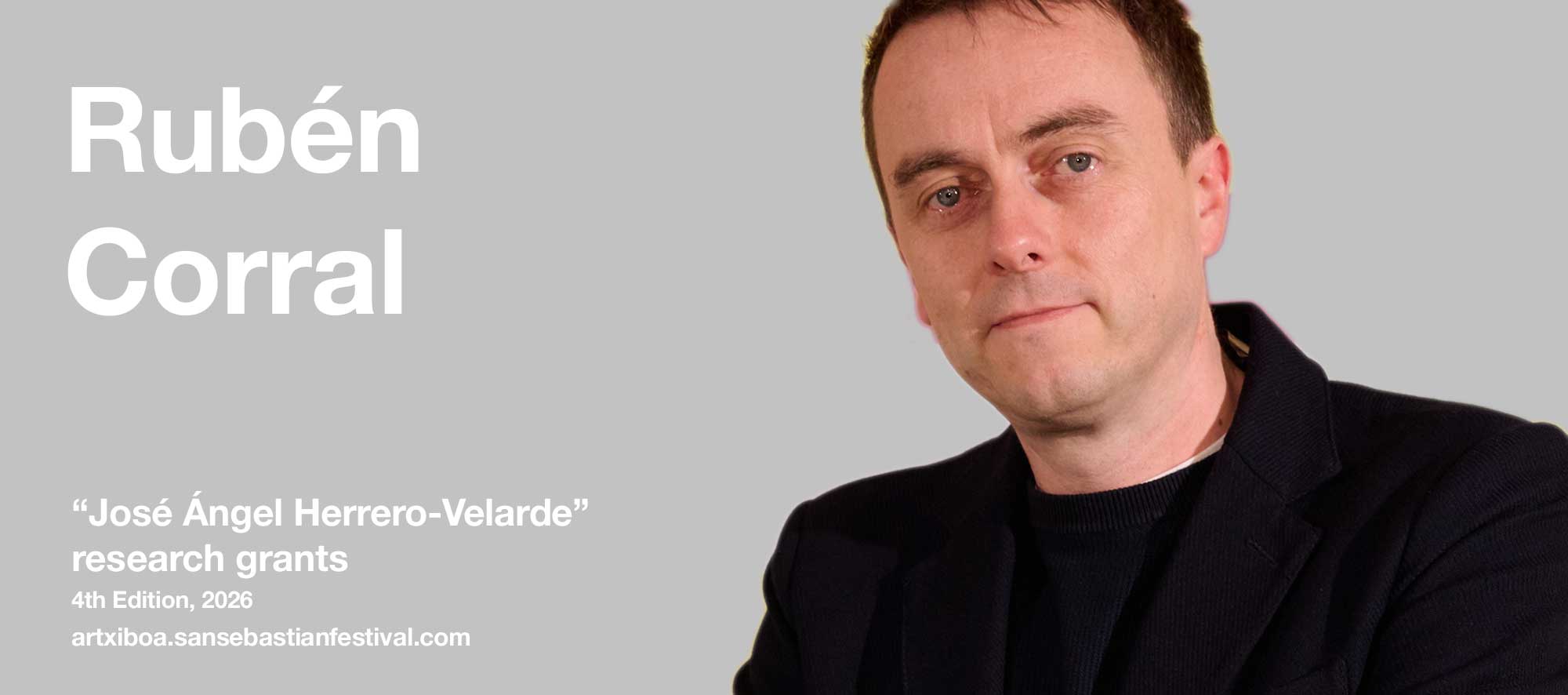
Rubén Corral (Sabiñánigo, 1977), a researcher from Huesca living in Bilbao, will study the San Sebastián Festival’s institutional relationships with other competitions taking place across Spain throughout the 20th century. His research will not only analyse the ties to festivals such as those of Valladolid, Gijón and Sitges, among others, but will also seek to understand those relationships as endeavours “capable of revealing power dynamics, symbolic screenings and identity negotiations in the scope of film”.
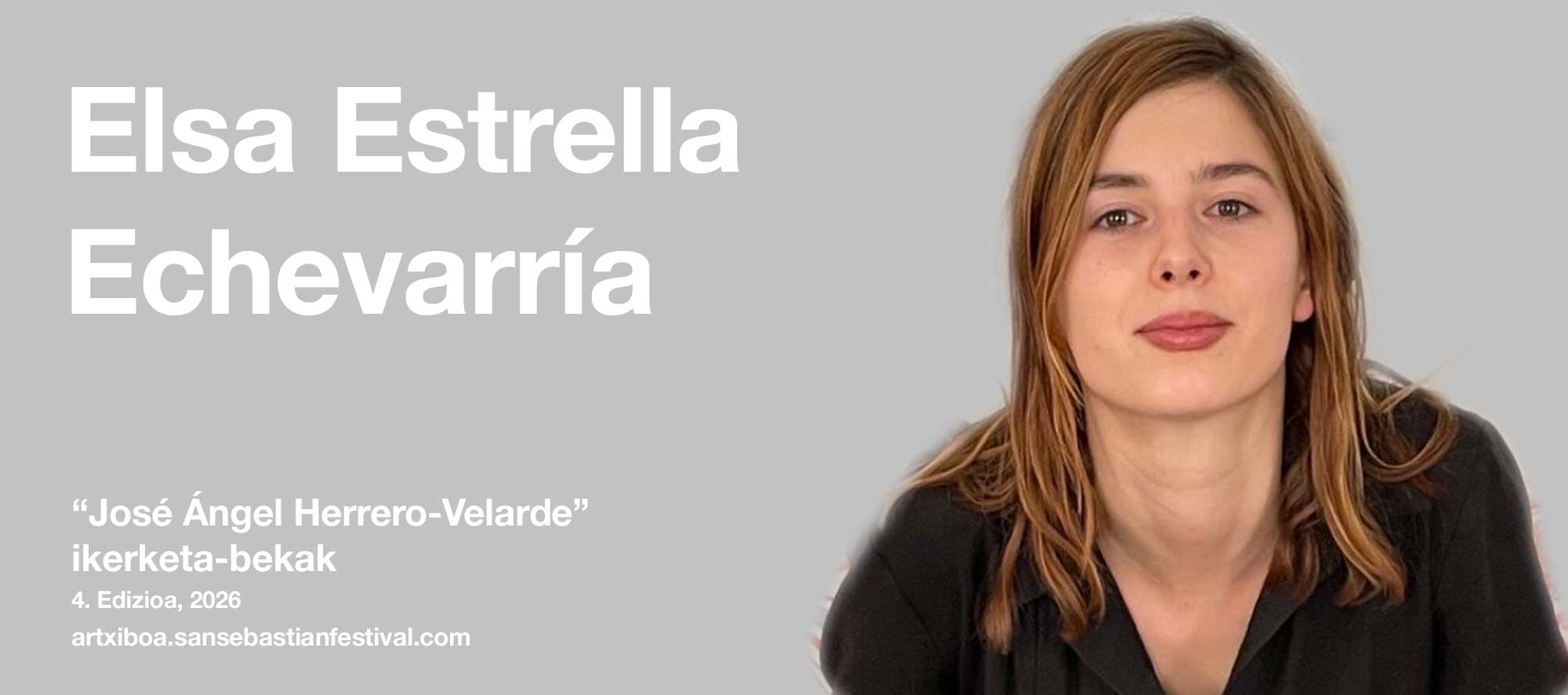
The research work of Elsa Estrella Echevarría (Madrid, 1997) will focus on the experimental programming of films for children included by the Festival from 1958 to 1963. The study will particularly concentrate on the pioneering role in those years of Sonika-Bo, founder of the Cendrillon film club in Paris, who brought to the Jornadas de Cine Infantil titles hailing from the Eastern Bloc and by filmmakers whose language, articulated “under the umbrella of pedagogy”, drew strongly on “the prevalence of image over words”, thereby enabling said works to “partially sidestep” control during the Franco era.
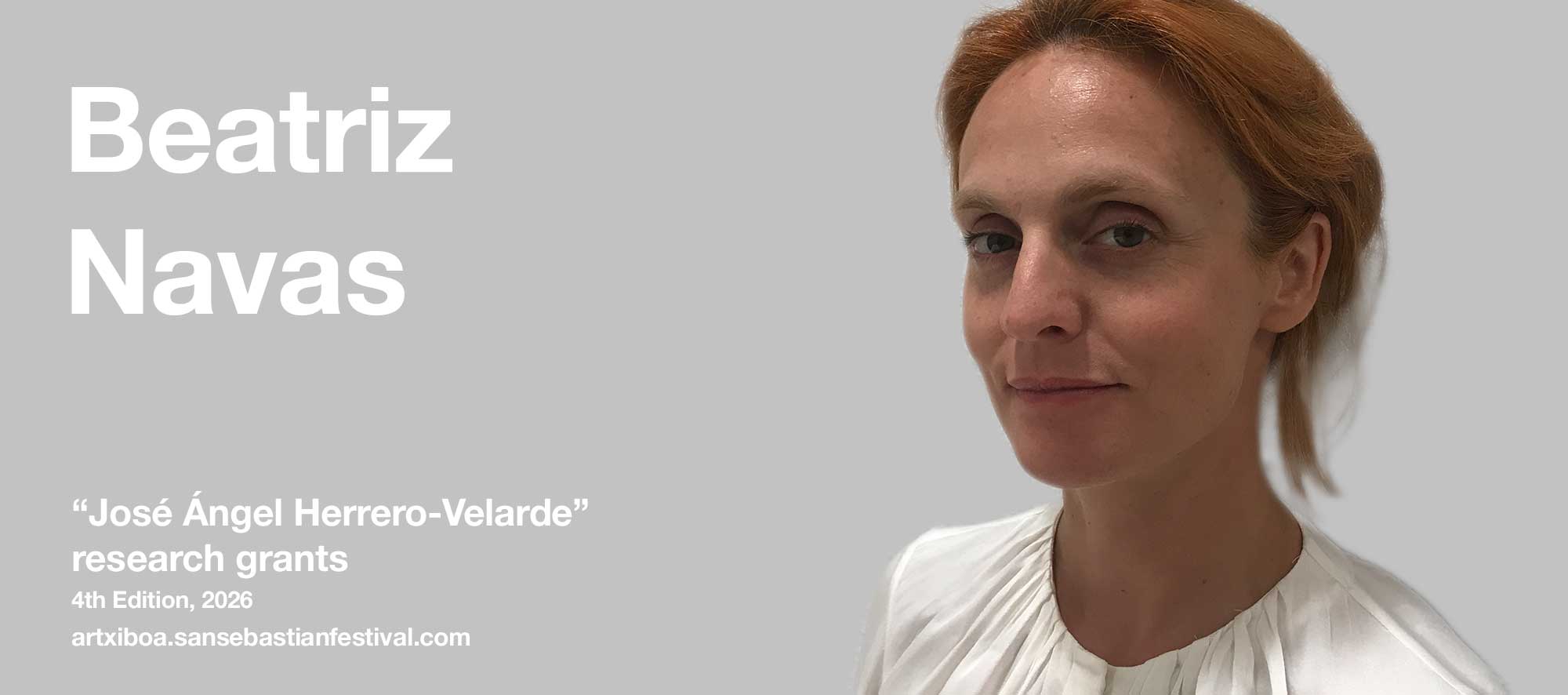
Beatriz Navas (Madrid, 1978) sets herself the task of identifying the political discussions, messages and actions to have taken place in the context of the Festival, while analysing the “relationship between these dynamics and the subsequent taking of decisions by the institutions” in the field of national film policies. She will also endeavour to “determine the Festival’s role as a space lending visibility, negotiation and legitimacy to cultural policies in the country’s historical context”.
The research residency provides two weeks’ access to the Artxiboa premises, located inside the Tabakalera building, home to all of the material in the Festival’s historical archive. From 13 to 24 July, the successful candidates will be given a work and consultation space at the Filmoteca Vasca, where they will have access to the film collections and archives housed in the building and can participate in film screenings, workshops and master classes, among other activities. They will also receive a grant of 3,000 euros, in addition to travel and accommodation costs and an allowance for each day of their stay.
JOSÉ ÁNGEL HERRERO-VELARDE
RESEARCH GRANTS
- Rubén Corral: All were necessary. Analysis of the San Sebastián Festival’s institutional relationships with other film festivals taking place across the country during the 20th century.
- Elsa Estrella Echevarría: A counter-audience of children. Sonika Bo and experimental cinema in the programme of films for children at the San Sebastián Festival (1958-1963).
- Beatriz Navas: From the Festival to the Official State Gazette: anticipation and formalisation of film policy at the San Sebastián International Film Festival.
- Asier Aranzubia: Film festivals as leading players in the processes of lending critical and academic legitimacy to films. The case of 'El espíritu de la colmena' and the San Sebastian Festival.
- Zigor Etxebeste: The directing elite: the era of Miguel de Echarri. When the leading directors of Hollywood's Golden Age flocked to San Sebastian (1967-1977).
- Paula Arantzazu Ruiz: The role played by the International Meeting of Educational, Scientific and Cultural Cinema and TV in 1965 as the birthplace of the ecosystem of science film festivals in the Spain of economic development and the Transition.
- Harri X. Fernández: And who animates this festival? Approach to and contexts of the presence of animated films at generalist European festivals in the 20th and 21st centuries: the case of Zinemaldia, of its 101 barks to the Basque feminist utopia.
- Sonia García López: Seeds for revolt: the International Meeting of Film Schools (1960-1966).
- Carlos F. Heredero: Mirror to mirror. New Spanish Cinema and the San Sebastian Festival.
Second call
- Minerva Campos: San Sebastian International Film Festival's 'A' category at risk: negotiations with the FIAPF and cinematic diplomacy (1953-1985).
- Aida Vallejo: Meetings at the Zinemaldia. A sociocultural history of the San Sebastian Festival through its spaces.
- Violeta Kovacsics: The movies of the Transition and the San Sebastian Festival.
First call
- Felipe Cabrerizo: A window open to the East: the entrance to Spain of movies from the Soviet orbit through the San Sebastian Festival.
- Neus Sabaté: Ripples of the reunion between Josefina Molina, Pilar Miró and Cecilia Bartolomé.
- Endika Rey: New directions: New Filmmakers at the San Sebastian Festival


















Monday to Sunday from 09:00 to 14:00
and from 16:00 to 20:00