








Sponsors



Partner



















Z365" or "Festival all year round" is the new strategic point of the Festival in which converge investigation, accompaniment and development of new talents (Ikusmira Berriak, Nest); training and cinematic knowledge transfer (Elías Querejeta Zine Eskola, Zinemaldia + Plus, Filmmakers' dialogue); and investigation, disclosure and cinematic thought (Z70 project, Thought and Discussion and Research and publications).
 Calls for entries - 2026 Log-in to MY FESTIVAL
  Agenda Programme and tickets Search

Sustainability is also built through the ideas we tell. With this premise in mind, the San Sebastian Festival is reinforcing its commitment to the environment through the creation of the Tanta Award. Endowed with €5,000, the award aims to support projects that raise awareness of the climate emergency from a range of perspectives. This year, it will be presented to one of the projects selected for Ikusmira Berriak or the Europe–Latin America Co-production Forum. In this way, the Festival continues to strengthen its support for projects in their early stages of development while incorporating a “climate lens” as a tool for project development.
Sustainability cannot be built alone. A festival such as that of San Sebastián (international, with physical attendees and connected to global networks of creation, industry and press) cannot aspire to climate neutrality on the basis of self-sufficiency. That’s why we understand this path as a network of collaborations touching on all aspects of the Festival: from production and logistics to content and narratives. It is also why we address environmental issues from different angles, because impact is not generated by a unique source, nor is it solved from a single discipline.
In this issue we will look at two examples which clearly demonstrate this manner of operating: the work carried out on narratives that help us to think about climate change and the taking of climate action on the territory.
Climate-related narratives: film as part of the change
One of our lines of collaboration falls within the field of content and narratives, through work with the European Climate Foundation. This partnership has enabled us to take a deeper approach to incorporating the cultural aspect of climate change, understanding that the ecological transition also comes into play in the stories we tell and in the imaginaries we construct.
It is in this context that the Tanta Award was created, an initiative designed to support audiovisual projects that incorporate—or have the potential to incorporate—an alternative, constructive and transformative vision of the climate emergency. Said work is also based on a network of collaborations which this alliance has helped to strengthen, such as the relationship with Greenpeace, with whom we have joined forces for more than ten years to present the Lurra Award, or with Climate Spring, an organisation dedicated to promoting screen stories that spark change in the way the climate crisis is represented in film, on TV and in popular culture.
The aim is simple but important: understanding the cinema not only as a reflection of the world, but as a tool that helps to build collective imaginaries. Unlike tales often taking place in dystopian settings or in situations of collapse, it is important to demonstrate that the climate emergency is already here, and that it is also possible to think and tell alternatives.
The Voluntary Carbon Fund
We have been participating since the very beginning in the Voluntary Carbon Fund promoted by the Provincial Council of Gipuzkoa through Naturklima, a public-private collaboration tool enabling carbon offsetting and conversion of the resulting compensation into specific projects with positive effects for the territory.
For the Festival, this fund is a key element on the road towards climate neutrality. Not only thanks to the aforementioned carbon offsetting, but also because it directly connects our carbon footprint with real projects focused on ecological restoration, improved biodiversity and climate change adaptation in Gipuzkoa.
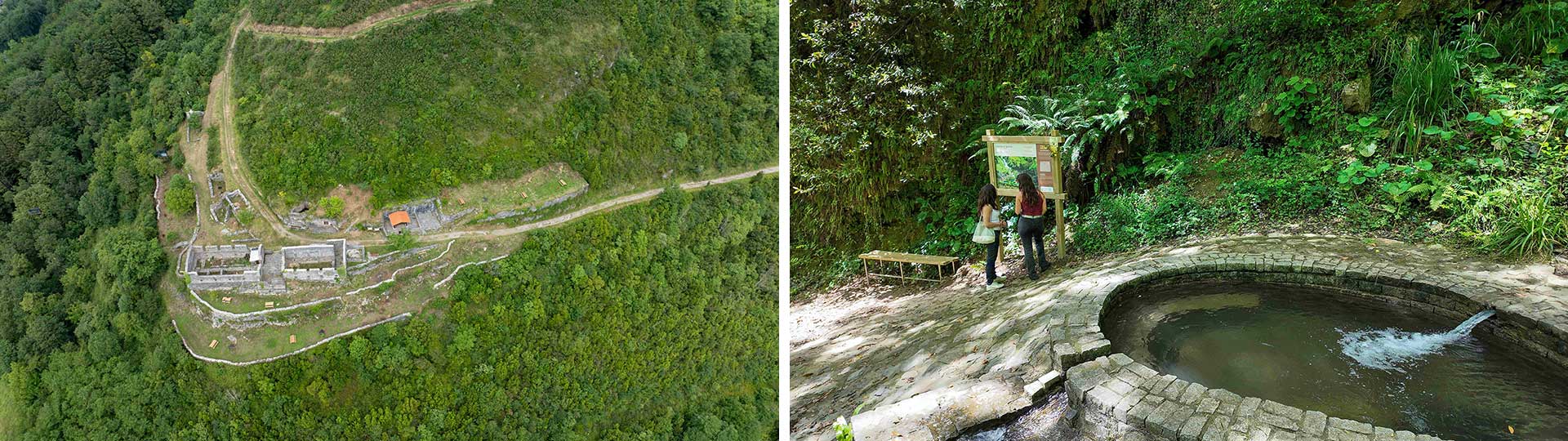
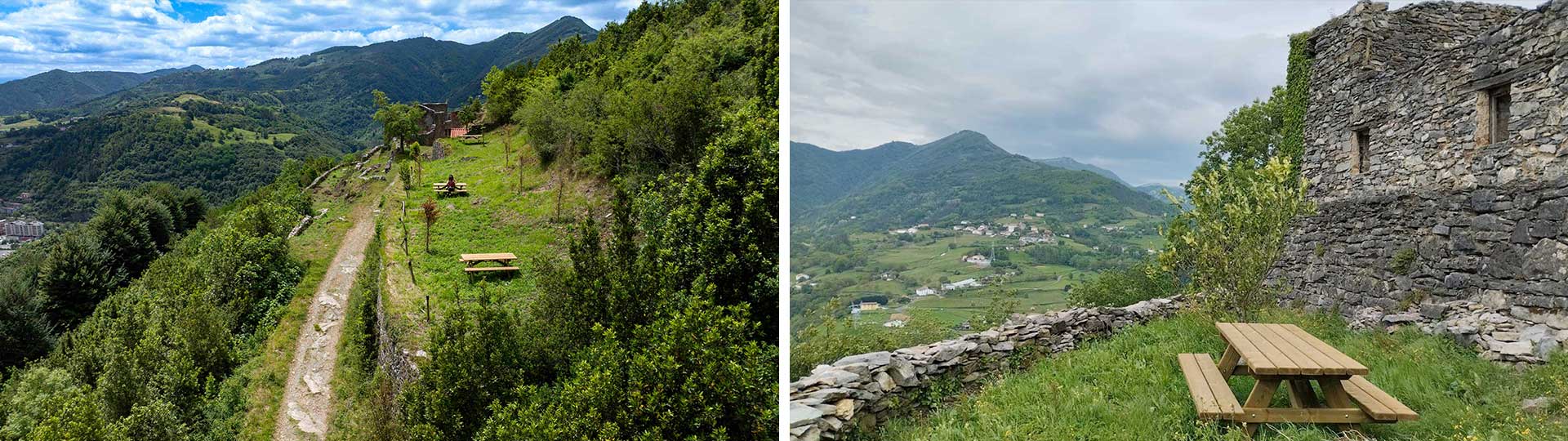
One of the most representative examples is intervention in the area of Miserikordia Zaharra, on Mount Uzturre (Tolosa), where the recovery of forestry ecosystems is combined with the creation of an accessible climate shelter. This action has enabled the elimination of invasive species and the planting of some 1,075 native trees, with particular presence of the common oak (Quercus Robur), in addition to the creation of rest areas, water sources and shaded corridors.
Developed in 2025 on 25 hectares, the project contributes to the capturing of CO₂, improved thermal comfort, protection of the land and ecological connectivity in the Hernio-Leitzaran corridor, thus strengthening the ability of the territory to withstand the impacts of climate change.
Sustainability is not understood as an area separate from the rest of the Festival activity, but as a way of doing things that encompasses what we do and how we do it. From production to partnerships, passing through the stories we champion, it’s all part of the same process.


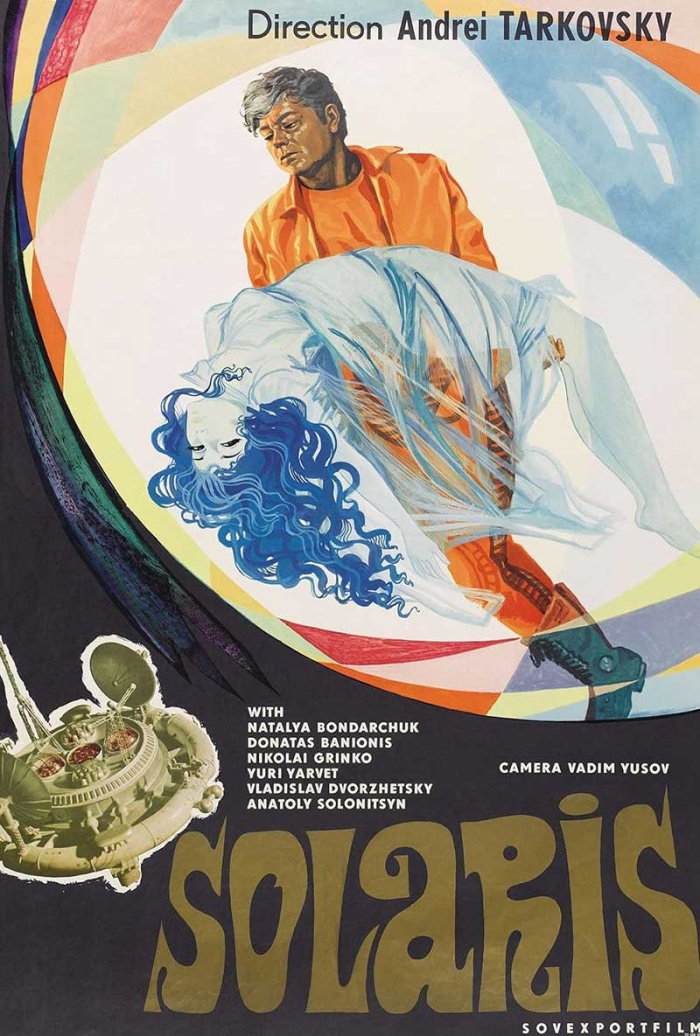
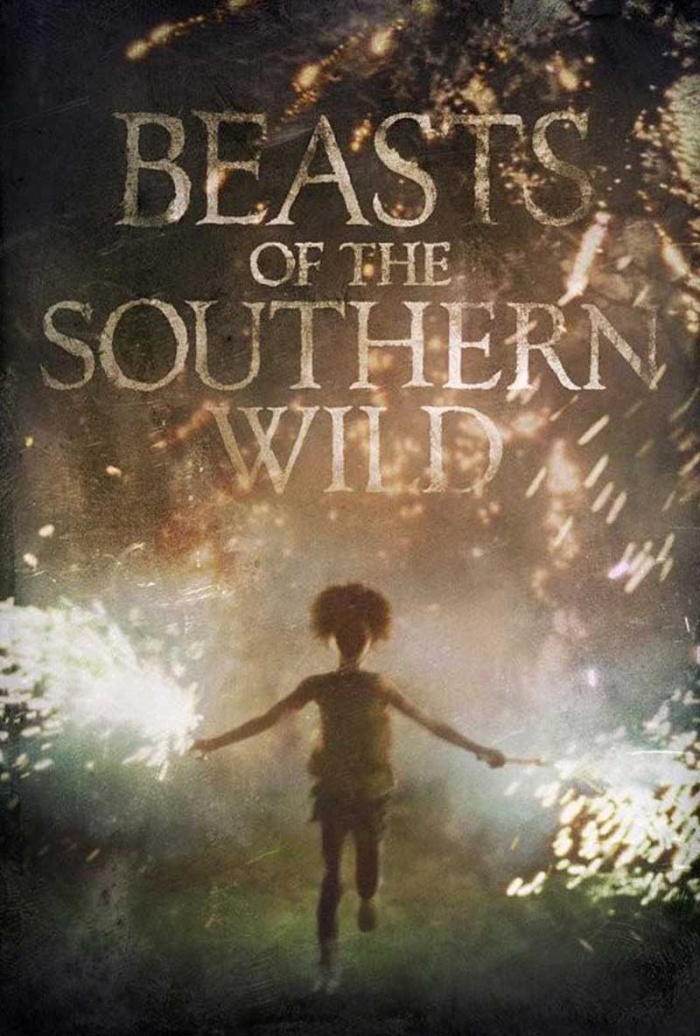
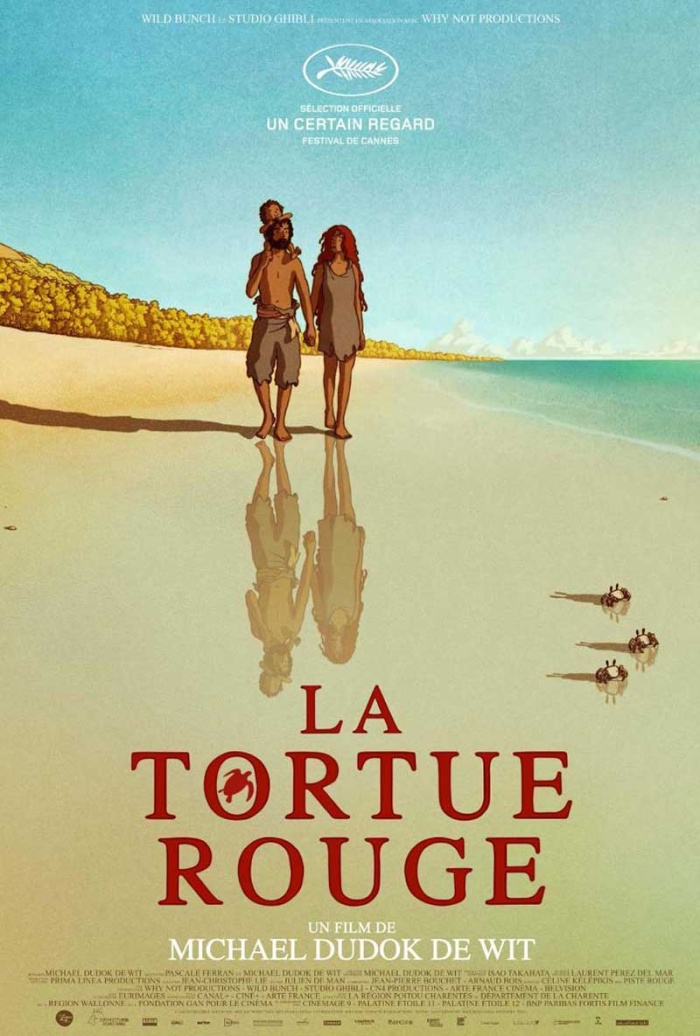
Aiming to expand imagination through a climate lens, each issue of the newsletter will highlight three films that explore the climate emergency from different angles. With a mix of genres and styles, these films not only invite us to reflect on the present but also reveal new ways of telling and understanding this shared challenge.


















Monday to Sunday from 09:00 to 14:00
and from 16:00 to 20:00