








Sponsors



Partner



















Z365" or "Festival all year round" is the new strategic point of the Festival in which converge investigation, accompaniment and development of new talents (Ikusmira Berriak, Nest); training and cinematic knowledge transfer (Elías Querejeta Zine Eskola, Zinemaldia + Plus, Filmmakers' dialogue); and investigation, disclosure and cinematic thought (Z70 project, Thought and Discussion and Research and publications).
 Calls for entries - 2026 Log-in to MY FESTIVAL
  Agenda Programme and tickets Search
The feature films ‘Azken Agurra’, ‘Ruega por nosotras’, ‘Sacamantecas’ and 'Bajañí' will show as Special Screenings together with the series 'Más allá de la Sociedad'
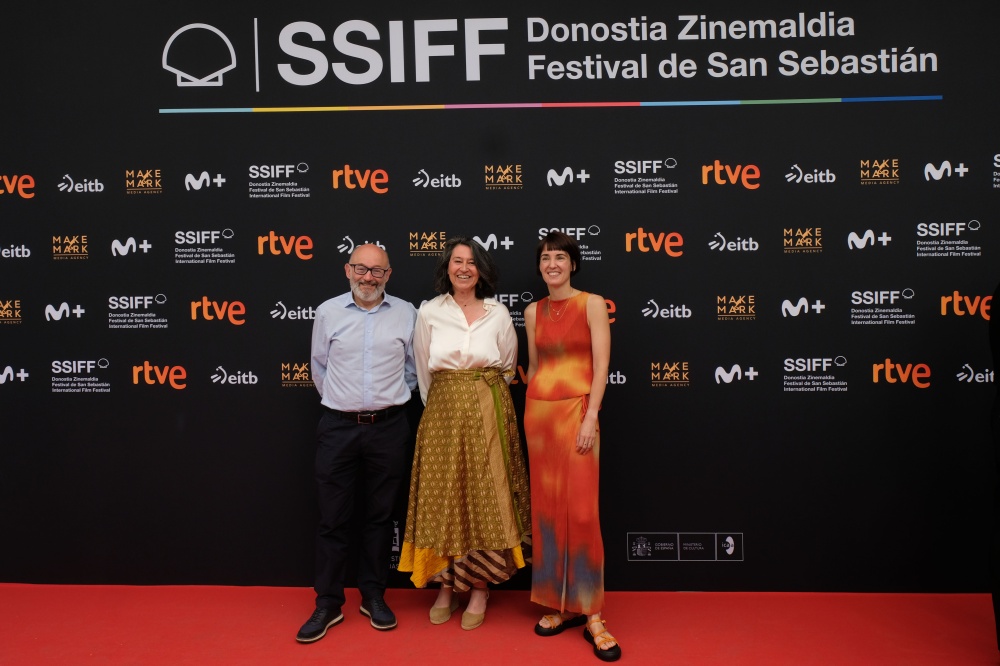
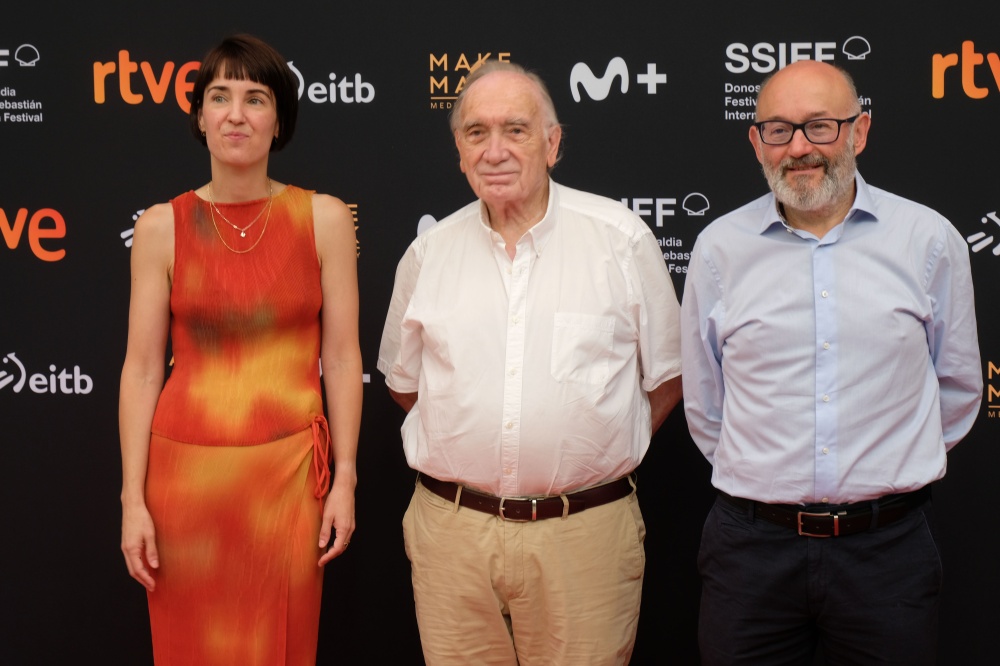
Javier Giner, Jaime Lorente and Tatjana Moutchnik will compete in New Directors with their first films
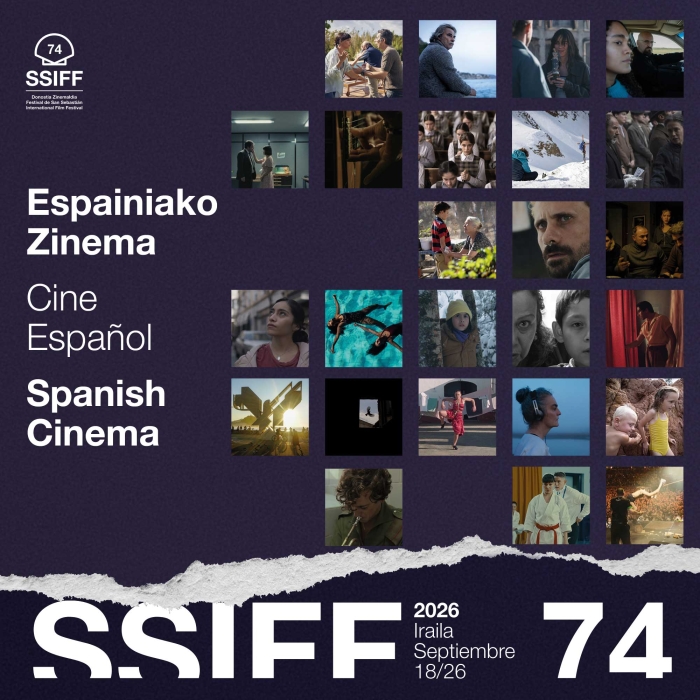


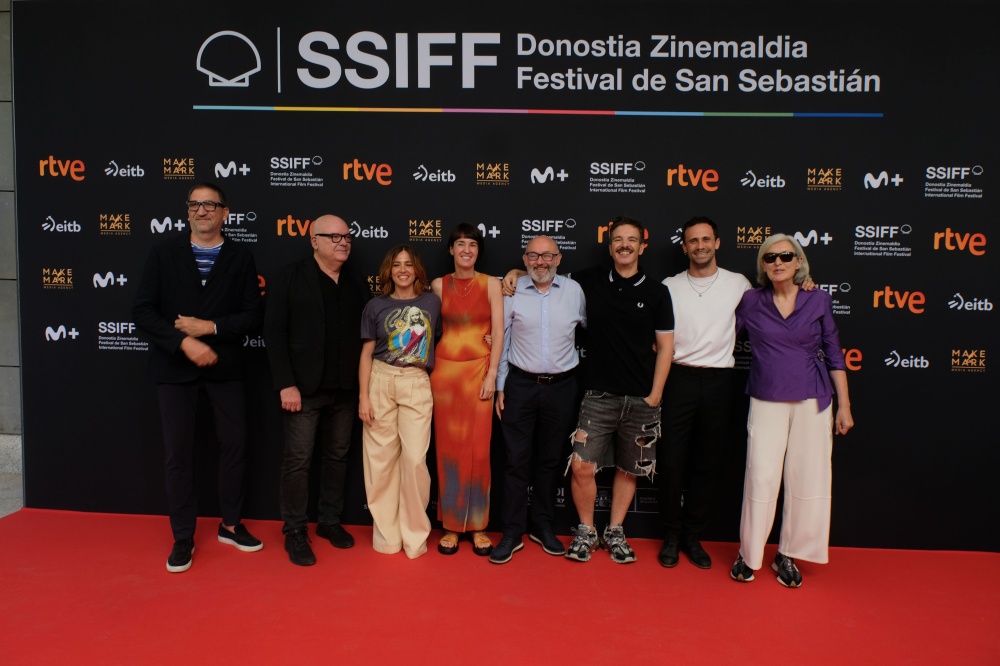
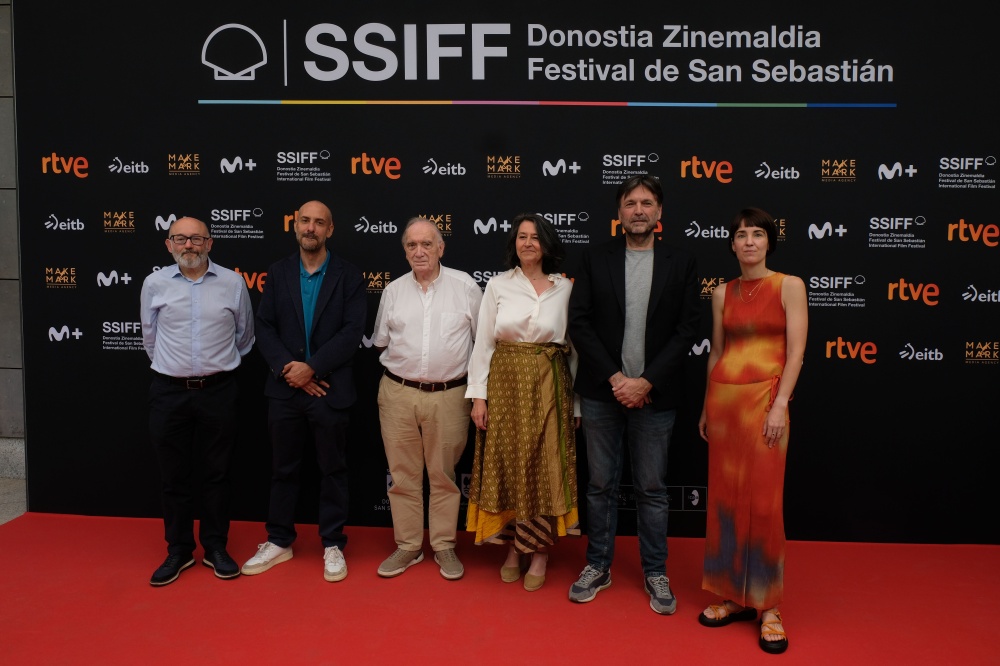
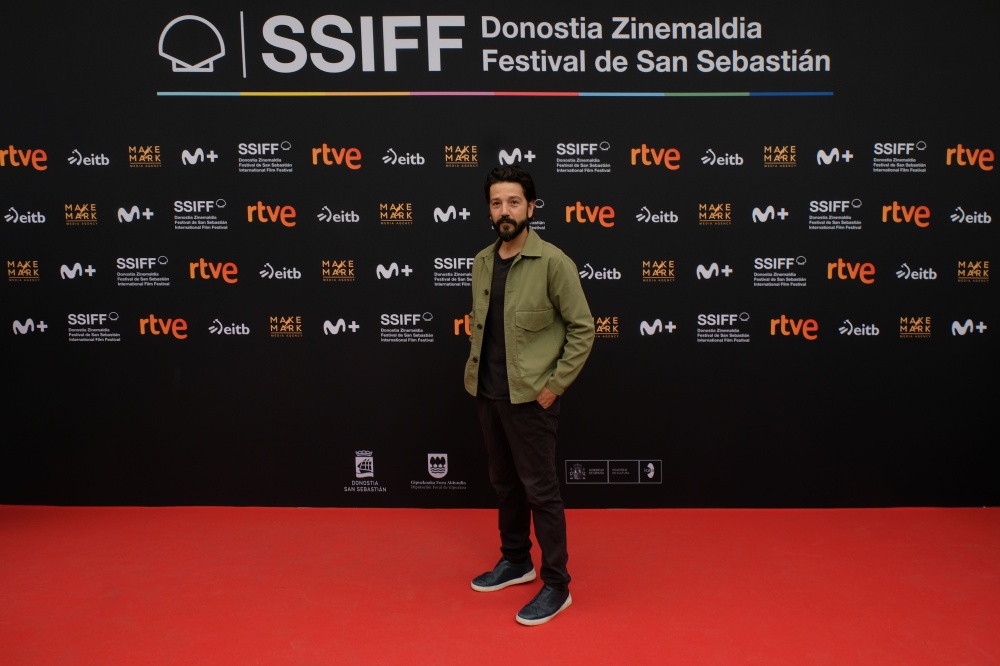
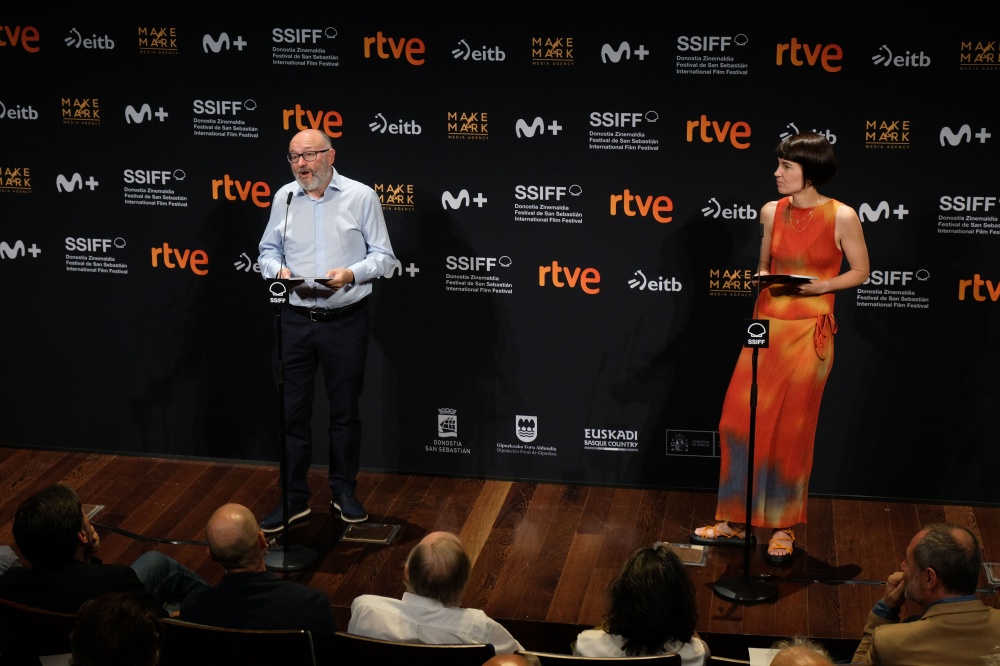
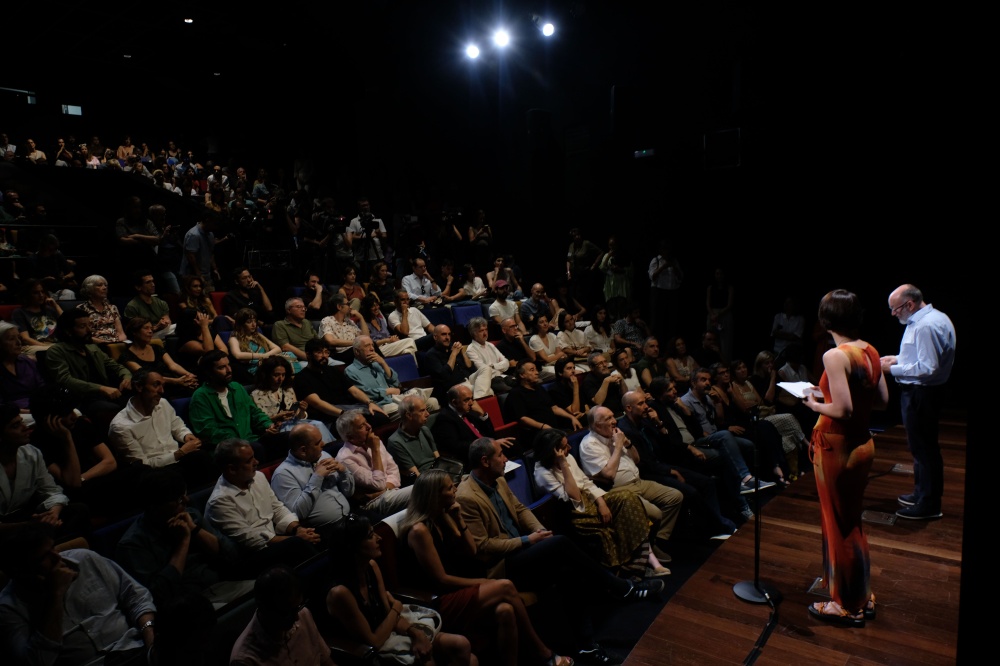
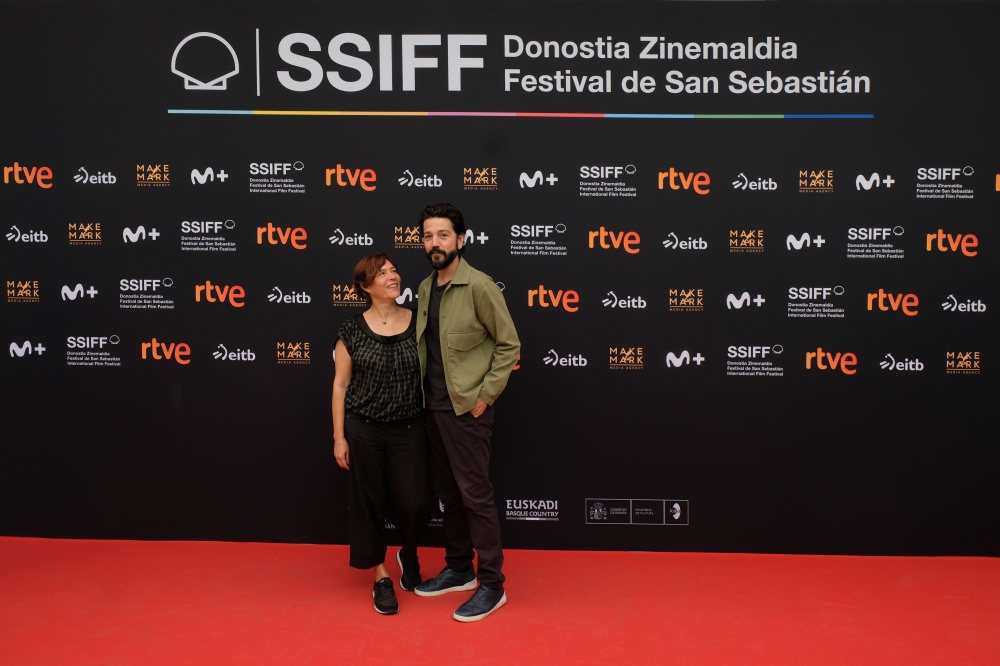
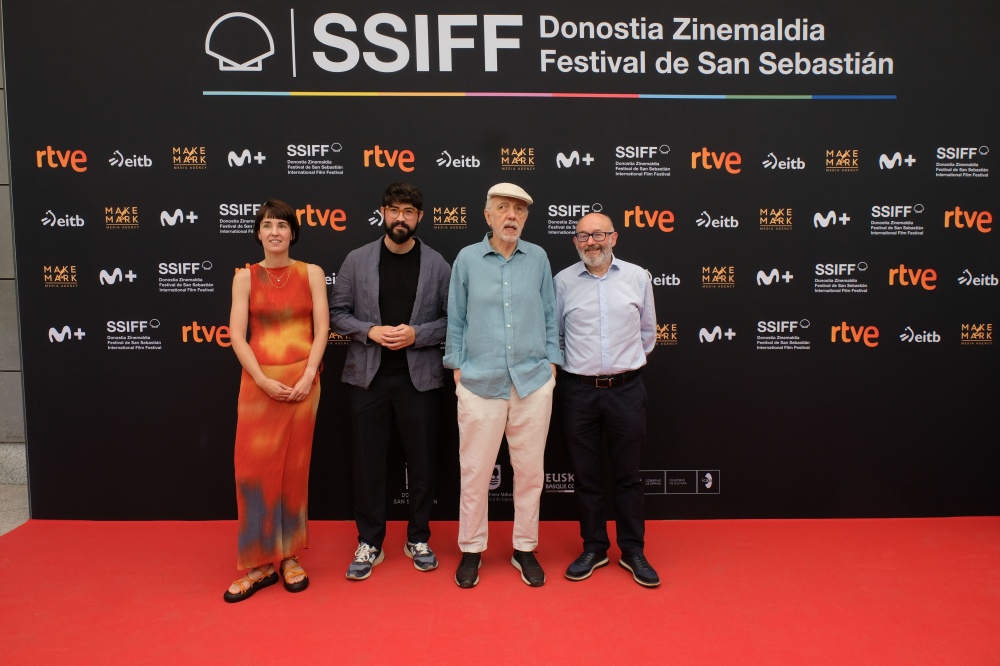
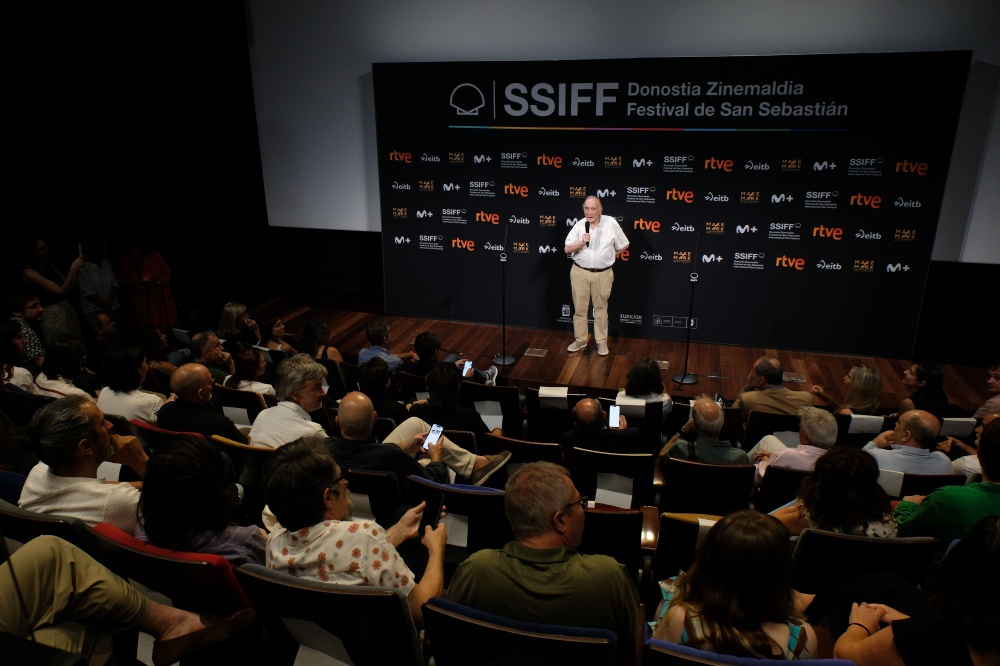
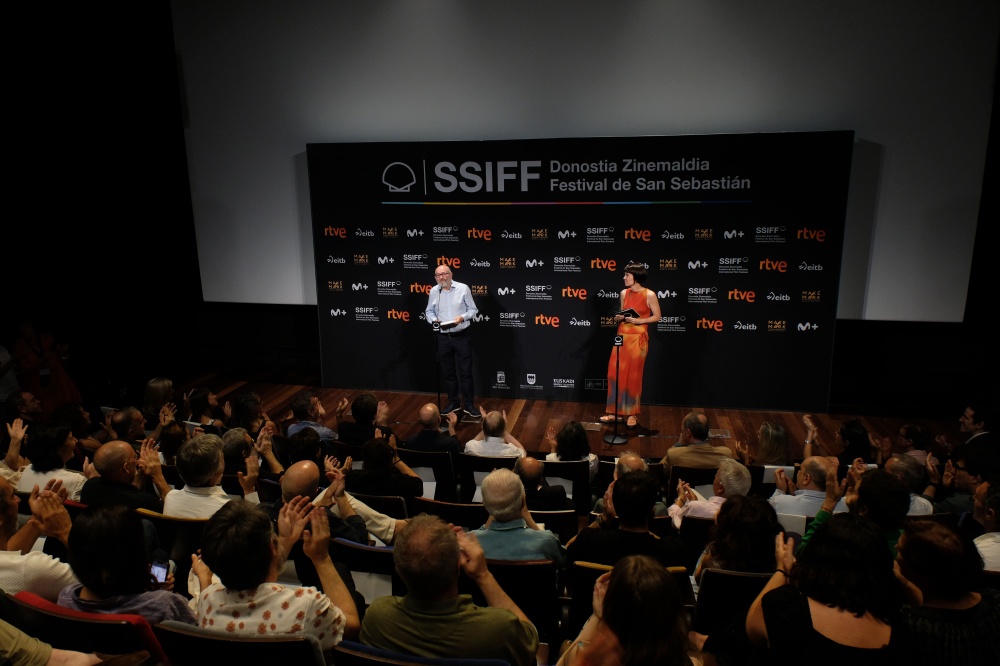
Today, the Spanish Film Academy in Madrid hosted the announcement of the 25 titles with Spanish production (23 full-length films and 2 series) to screen from 18-26 September at the San Sebastian Festival’s 74th edition.
Competitive Official Selection
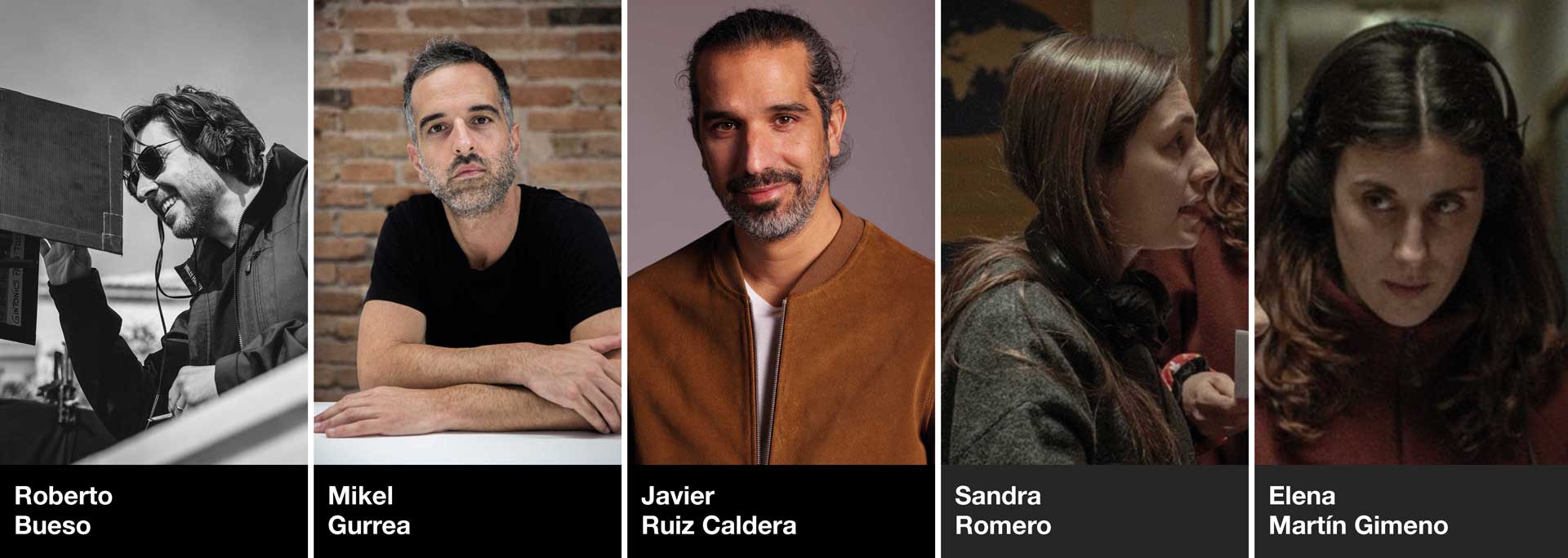
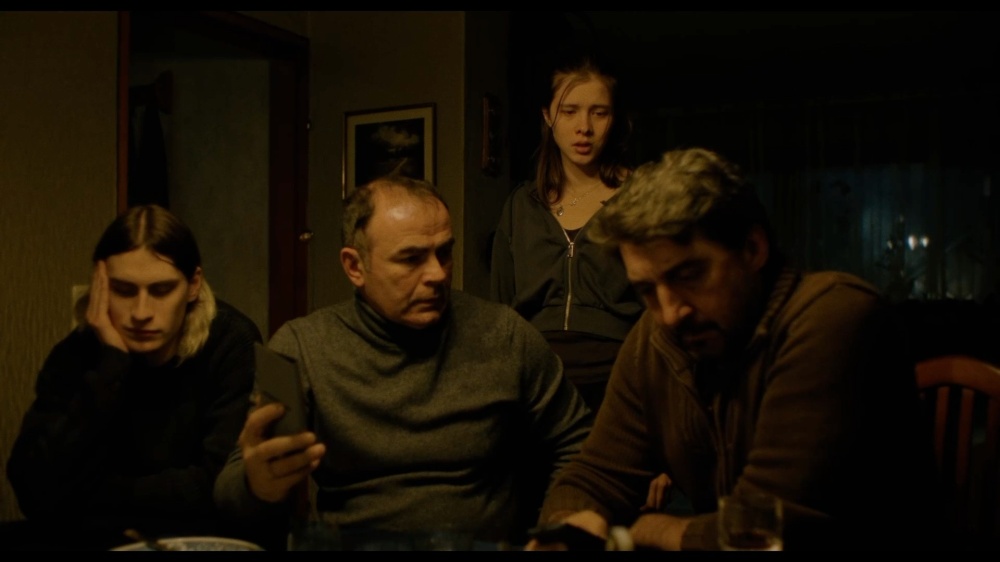
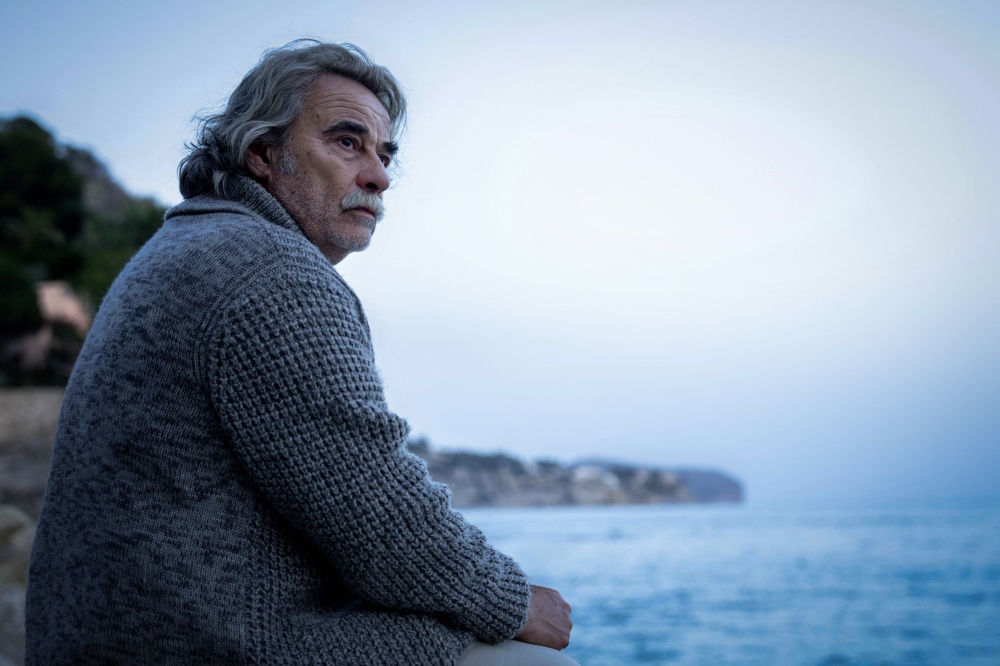
Having participated in Made in Spain with his feature films La banda / Love Beats (2019) and Llenos de gracia / Full of Grace (2022), Roberto Bueso (Valencia, 1996), will compete for the Golden Shell for the first time with El mal padre, his third film, starring Eduard Fernández. After years of strangement, the famous writer and academic Santi Balmes, gathers his three children for a last request: to spend Christmas with them in their childhood holiday home.
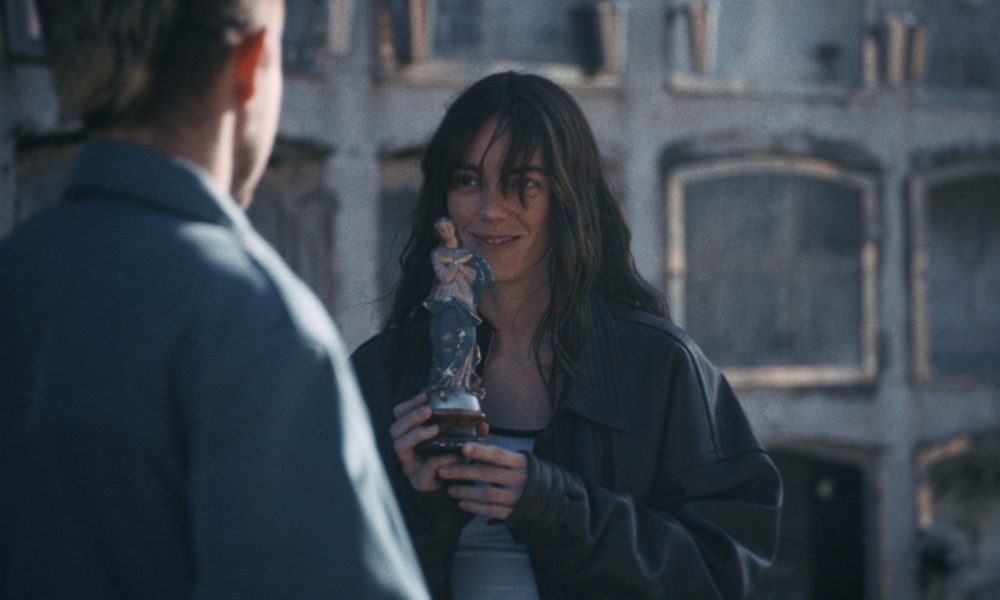
Mikel Gurrea (San Sebastián, 1985) returns to the competition with Sants / Saints, featuring Victoria Luengo in the role of a woman who joins a gang of thieves dedicated to stealing religious artefacts while dealing with her mother’s (Ariadna Gil) impending death. Suro (Official Selection, 2022), the feature debut from this local director developed in Ikusmira Berriak, bagged the Irizar Basque Film Award, the international critics’ FIPRESCI Prize, and the Best Screenplay Award bestowed by the Basque Screenwriters’ Association.
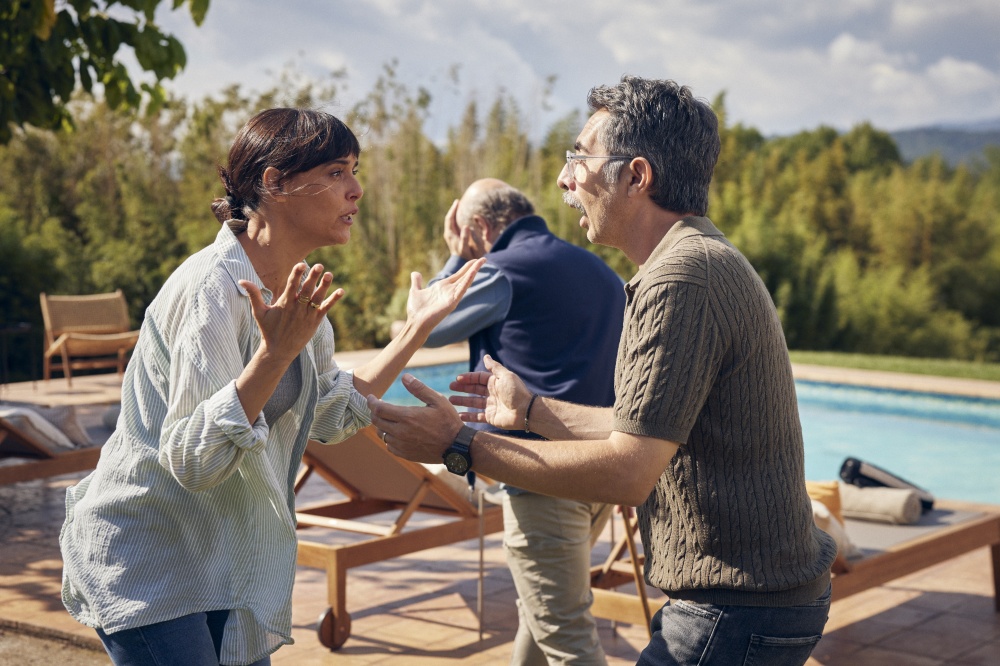
5 minutos más / 5 more minutes is the official competition debut from Javier Ruiz Caldera (Viladecans, 1976). The film stars Javier Cámara, Berto Romero, who also penned the script, and Belén Cuesta. The plot follows the marriage crisis of a couple trapped in a time loop. The Catalan helmer participated in the I Meeting of Film Schools (today’s Nest) with the short film Treitum (2002), later returning to San Sebastián with works including Superlópez (Made in Spain, 2019) and El otro lado / The Other Side (Velodrome, 2023), the series co-directed with Alberto de Toro.
A series out of competition in the Official Selection
El castillo, a six-part crime drama based on the true story of the rise of the Spanish pimp mafia, will be screened out of competition. The series is based on Mabel Lozano’s non-fiction book El proxeneta and is created and written by Isabel Peña (Zaragoza, 1983), who was the co-screenwriter of Que Dios nos perdone / May God Save Us (Official Selection, 2016), As bestas / The Beasts (Perlak, 2022) and El ser querido / The Beloved, and by Eduardo Villanueva (born in Madrid in 1981), who was the producer and co-screenwriter of Antidisturbios / Riot Police (Official Selection, out of competition, 2020). The lead director is Elena Martín Gimeno (Barcelona, 1992), who has signed feature films including Júlia ist (Made in Spain, 2017) and Creatura, developed at Ikusmira Berriak in 2020. The latter was screened at Made in Spain in 2023 and won the Dunia Ayaso Award. Also taking part as a director is Sandra Romero (Écija, 1993), who presented her debut feature, Por donde pasa el silencio / As Silence Passes by (New Directors, 2024), at the festival.
Four feature films and one series in Special Screenings
The Official Selection’s Special Screenings section will include five titles out of competition.
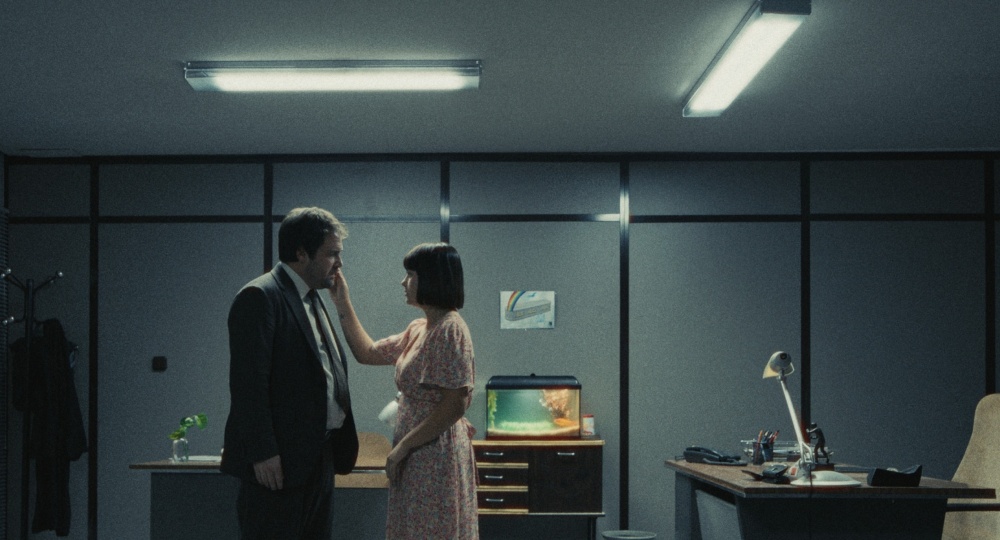
Following Sipo phantasma / Ghost Ship (Zabaltegi-Tabakalera, 2016) and Oreina / The Deer (New Directors, 2018), Koldo Almandoz (San Sebastián, 1973) will bring the premiere of his third feature film Azken Agurra / The Last Goodbye. In this existential dramedy, Iñigo Azpitarte and Izaro Nieto play the director of a funeral home offering personalised non-religious burials and a young office trainee. The filmmaker from San Sebastián is a long-standing regular at the Festival, having participated since 1997 with around a dozen productions, particularly including short films listed in their day in the Kimuak programme and the series Zeru ahoak / Mouths of Sky (Official Selection Special Screenings, 2025).
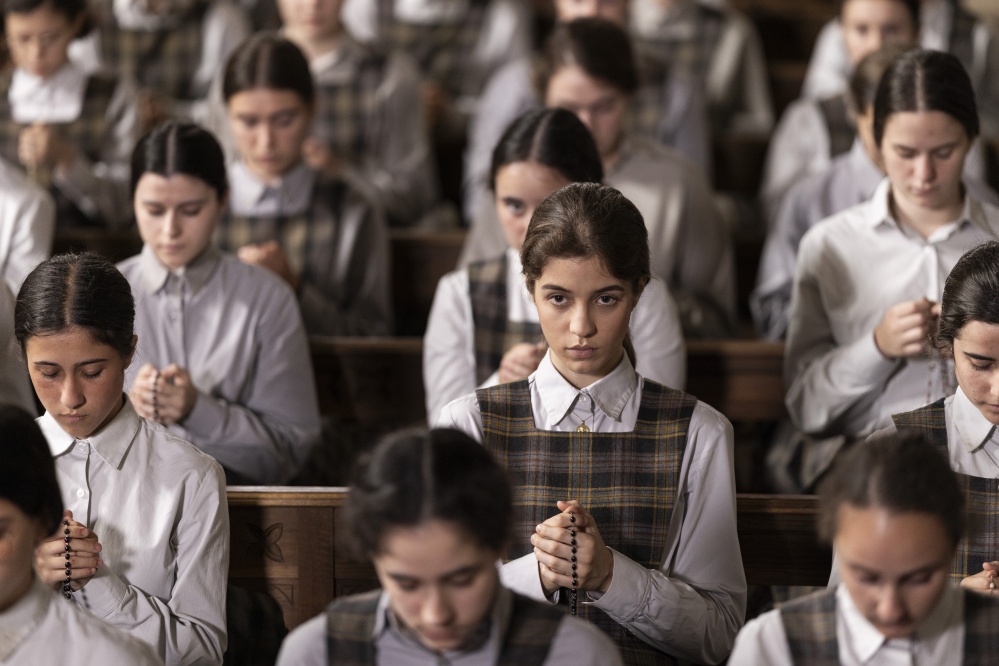
Daniel Monzón (Palma, 1968) will present Ruega por nosotras / Pray for Us, a feature fim set in 1974 following Ana (Zoe Bonafonte), a rebellious 19-year-old interned in the so-called Women’s Protection Board in Madrid. Monzón, who served on the official jury in 2015 and closed the Official Selecton out of competition with Las leyes de la frontera / Outlaws (2021), has several successful titles to his name, including El corazón del guerrero / Heart of the Warrior (Made in Spain, 2000) and La caja Kovak / The Kovak Box (2006), as well as Celda 211 / Cell 211 (Made in Spain, 2010) and El niño / The Kid (2014), winners of eight and four Goya awards, respectively.
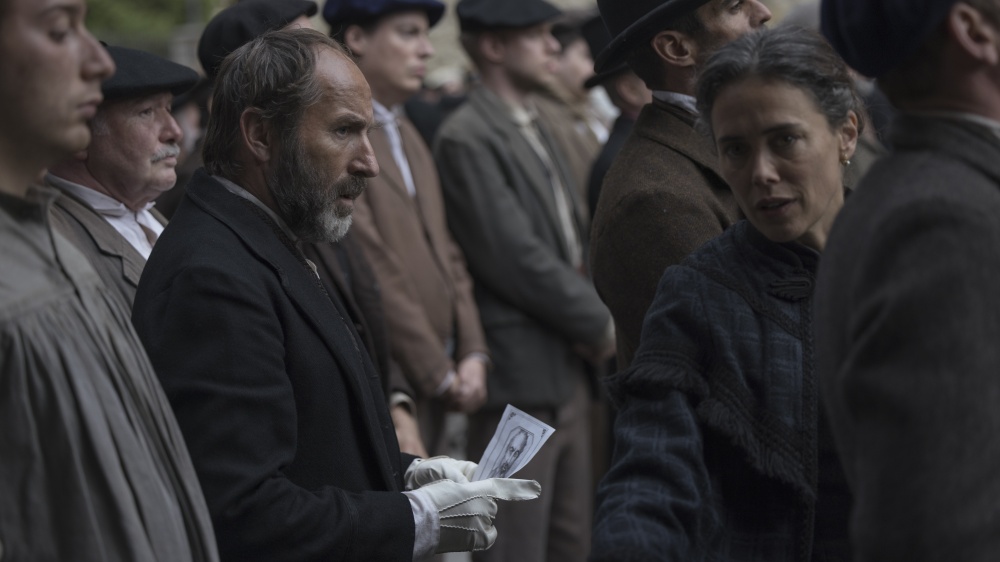
Antonio de la Torre and Patricia López Arnaiz star in the third feature from David Pérez Sañudo (Bilbao, 1987), a Special Screening also programmed to show as part of the joint RTVE-EITB Gala. Sacamantecas / The Harvester is set towards the end of the Third Carlist War, when several women are found strangled in Vitoria and the sister of one of the victims seeks justice. With his debut, Ane / Ane is Missing, Pérez Sañudo (New Directors, 2020) won the Irizar Basque Film and Best Screenplay Award bestowed by the Basque Screenwriters’ Association, as well as three Goyas. After presenting the miniseries Alardea (EITB Gala, 2020) and having been selected in 2023 for Ikusmira Berriak with La última noche de un Erasmus en Roma / An Erasmus Student’s Last Night in Rome, Pérez Sañudo returned to New Directors with Azken erromantikoak /The Last Romantics, 2024).
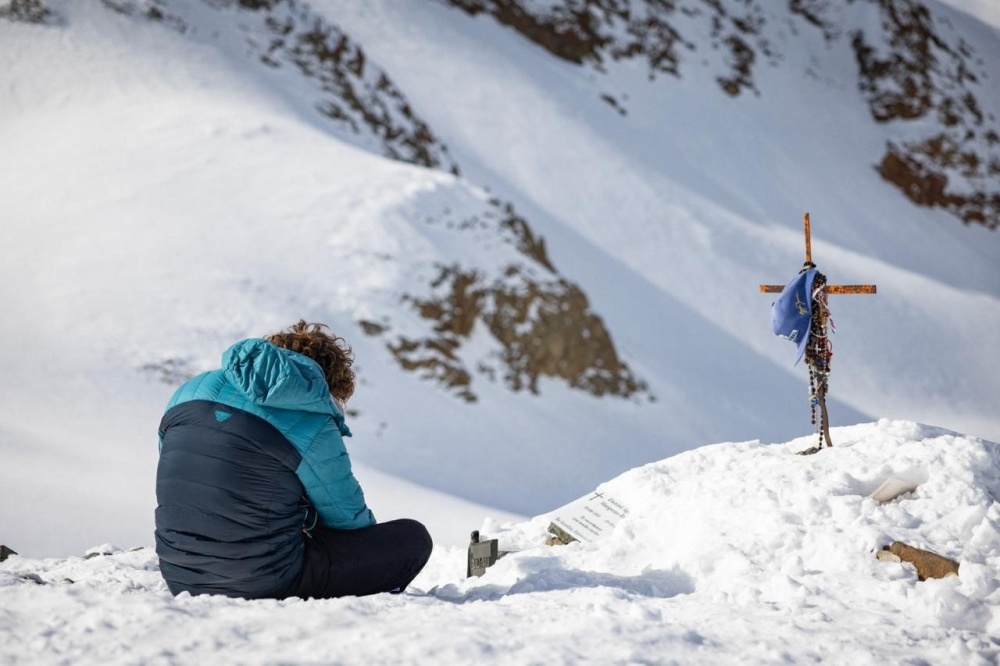
In Más allá de la sociedad / Beyond Society, Spanish director Carlos Torres (Alicante, 1985) brings to the screen the story of how a community learned to live with tragedy in the wake of the 1972 Andes air crash. Created by J. A. Bayona and Carlos Torres, this non-fiction series picks up the story where La sociedad de la nieve / Society of the Snow (Perlak, 2023) left off: after the rescue, when the survivors returned home and were reunited with the families of those who did not make it back. The three-episode series now follows on from the film that premiered in Venice, won twelve Goya Awards, received two Oscar nominations — including one for Best International Fearure Film — and took the Audience Award at San Sebastián.
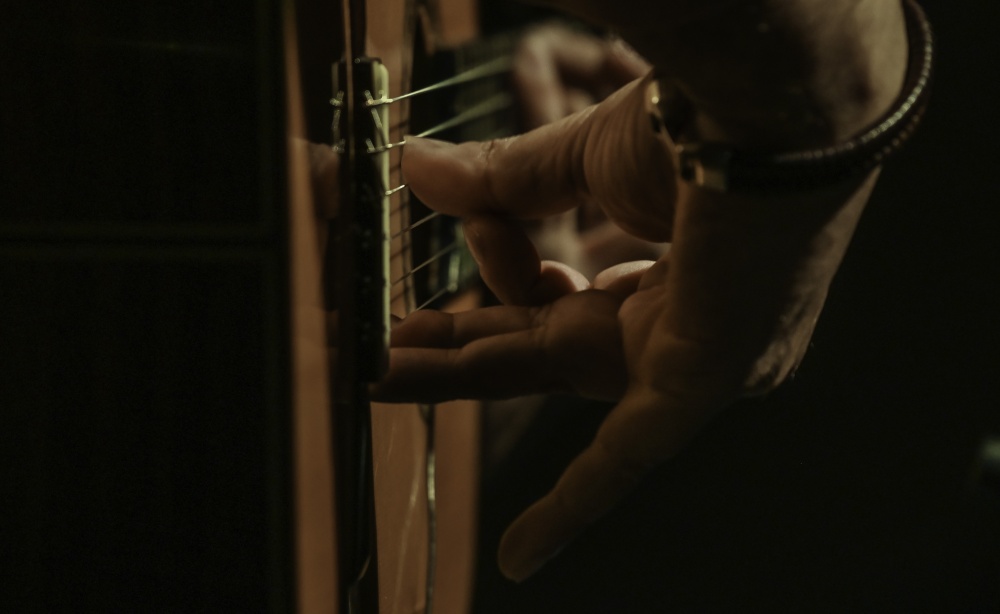
Fernando Trueba (Madrid, 1955) will present Bajañí, a film reflecting a journey of sound to three countries and musical universes through the guitar of Niño Josele. In San Sebastián, the filmmaker from Madrid, winner of the Best Foreign Film Oscar for Belle époque (1993), has presented his first short film En legítima defensa (Official Selection, 1978); Mientras el cuerpo aguante (Official Selection, 1982); El milagro de Candeal / The Miracle of Candeal (Velodrome, 2004); El baile de la victoria / The Dancer and the Thief (Official Selection out of competition, 2009); El artista y la modelo / The Artist and the Model (Official Selection, 2012), winner of the Silver Shell for Best Director; El olvido que seremos / Forgotten We’ll Be, which closed the Official Selection out of competition in 2020, and Dispararon al pianista / They Shot the Piano Player (Official Selection Special Screenings, 2023).

Three titles in New Directors
Javier Giner (Barakaldo) made his feature debut with Esta soledad / This Solitude, after having co-helmed the series Yo, adicto / I, Addict (Official Selection Special Screenings, 2024). His debut film addresses the existential void and fragile bonds in a Bilbao where Oriol Pla and Marina Salas play two young people who muddle by in a state of instability and loneliness.
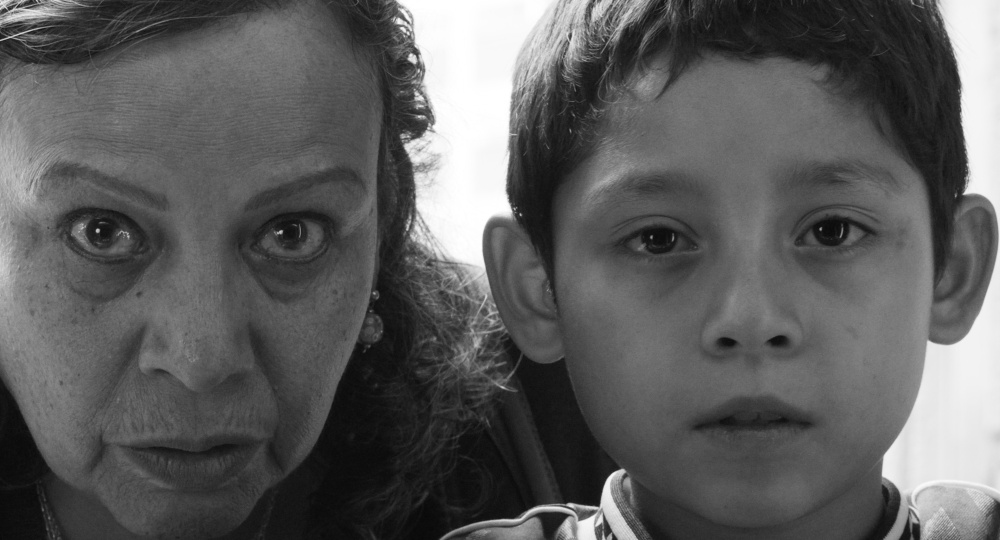
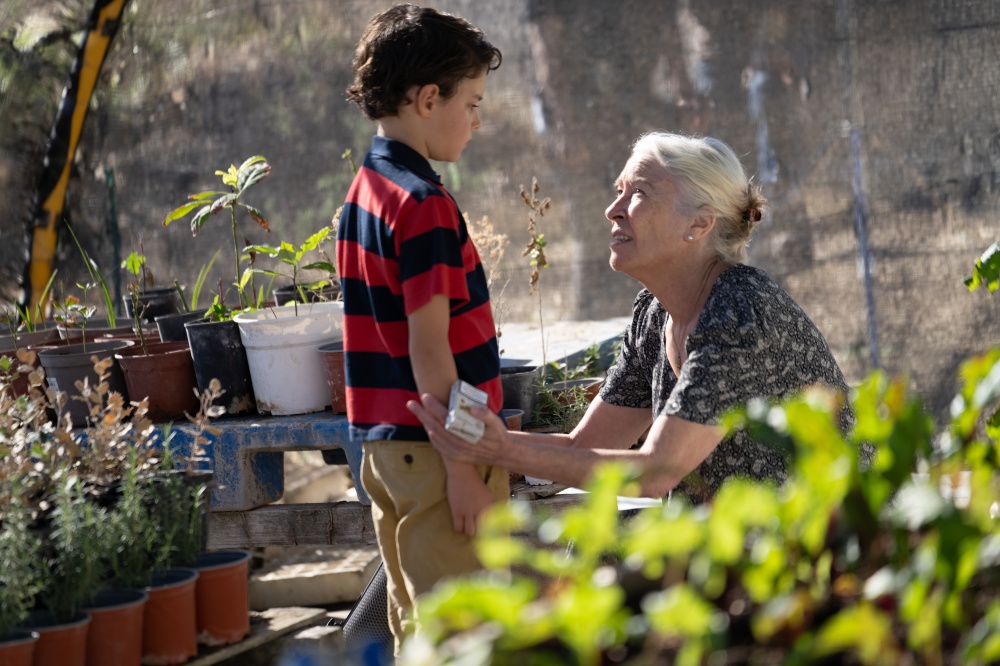
Also making his feature debut is Jaime Lorente (Murcia, 1991), whose first film, El mal hijo / The Bad Son, is based on the novel of the same name by Salvador S. Molina. Susi Sánchez, Miguel Ángel Puro and Hugo Arbués head the cast of this family drama about a child abandoned by his father who must move in with his grandmother.
Sieben Tage Februar / February, Seven Days, which carried off last year the WIP Europa Industry Award and the WIP Europa Award, is the debut from the German-Ukrainian filmmaker Tatjana Moutchnik (Kyiv, 1988), taking the Russian invasion of her country as the backdrop for the reunion between two Ukrainian siblings in Stuttgart for their mother’s burial. In 2014, Moutchnik participated in Nest with the short film Der letzte Kuss / The Last Kiss.

Two feature films from Cannes and three from the Berlinale, in Horizontes Latinos
Fernando Eimbcke (Mexico City, 1970), who participated in 2025 in Horizontes Latinos with Olmo, returns to the section with Moscas / Flies, winner of the WIP Latam Industry Award in 2025. In the film, presented this year in competition at the Berlinale, a 55-year-old woman is faced with loneliness, her precarious situation and an operation she can’t afford. In 2008, the filmmaker brought to San Sebastián the short film No todo es permanente (Nest) and the feature Lake Tahoe (Perlak), which in 2011 was once again programmed in 4+1 Contemporary Mexican Cinema. The retrospective also showed the omnibus film Revolución, including a segment directed by Eimbcke. With Club Sándwich (Official Selection, 2013) he won the Silver Shell for Best Director.
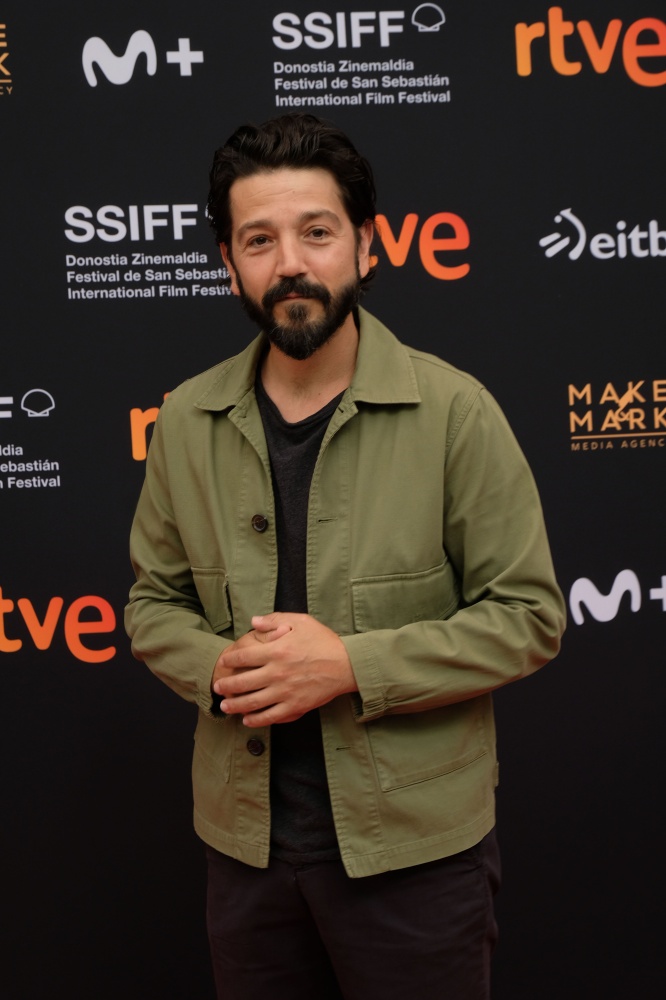
Ceniza en la boca / Ashes, premiered in the Special Screenings section at the last Festival de Cannes, is the sixth feature film from Mexico’s Diego Luna (Mexico City, 1979). The director, actor and producer returns to the Festival to show the raw reality of two brothers who run into one another while emigrating from Mexico to Madrid. Luna made his debut behind the camera with Abel (2010) which, following its premiere at Sundance, showed as a Cannes Special Screening, and won the Horizontes and Youth Awards in San Sebastián. In 2011, it was screened again in the 4+1: Contemporary Mexican Cinema retrospective alongside the omnibus film Revolución, which included Luna as a co-director. In addition, Perlak featured the screening of César Chávez (2014) following its presentation at Berlinale Special. He was a member of the Official Jury in 2013.
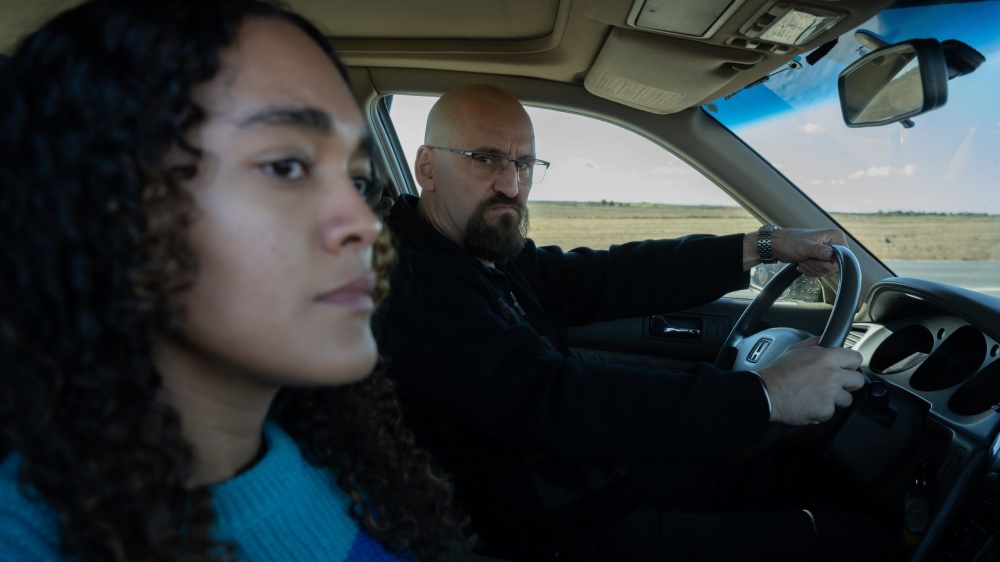
Manuela Martelli (Santiago de Chile, 1983) served in 2022 on the jury of Horizontes Latinos, the section in which, a year earlier, she had screened her directorial debut 1976. The filmmaker now returns fo the Festival to present El deshielo / The Meltdown (Proyecta, 2022), premiered in Un Certain Regard at Cannes. The thriller follows two young girls who befriend one another in a Chilean mountain hotel. But when one of them disappears, the search for her exposes hidden truths.
Marcelo Martinessi (Asunción, 1973) presents Narciso, winner of the FIPRESCI Prize at the Berlinale 2026, where it had its world premiere in the Panorama section. In 2020, the project —at that time entitled ¿Quién mató a Narciso?— won the DALE! (Development Latin America-Europe) Award at the San Sebastián Festival’s Co-Production Forum. With her debut film, Las herederas / The Heiresses (2018), the filmmaker from Paraguay won the VI Sebastiane Latino Award before going on to participate in Horizontes Latinos, after having received the Alfred Bauer Prize, the Silver Bear for Best Actress, the FIPRESCI Prize and the Teddy Award at the Berlinale.
Chicas tristes / Sad Girlz (Proyecta, 2022 and WIP Latam, 2025) is the debut film from the Mexican-Spanish filmmaker Fernanda Tovar (Mexico City, 1991), who carried off the Jury Grand Prix and the Crystal Bear for Best Film in the Generation 14plus section of the Berlinale. The film follows a group of girlfriends whose friendship is put to the test after an incident forces them to either say nothing or to take revenge. Tovar had previously directed the short films Mi edad, la tuya y la edad del mundo (2022), screened at the Semaine de la Critique in Cannes, and Quiero estrellarme en seco contra el parabrisas del amor (2024), premiered at Tribeca.

Five titles in Zabaltegi-Tabakalera
Fourteen nights follow and shape one another, combining to create a frieze in HAMALAU gau (CATORCE noches). The latest film from the director from Navarre, Oskar Alegria Suescun (Pamplona, 1973) takes the voices of Ramón Andrés, Julia Otxoa, Josebe Blanco, Josu Venero, Iban Urizar (Amorante), Bertha Bermúdez, Mixel Etxekopar and Jean-Christophe Galtxetaburu, among others, to recreate Oteiza’s universe. Alegría showed at the Festival his directorial debut, Emak Bakia baita / The Search for Emak Bakia (Zabaltegi-Specials, 2012).
Meritxell Colell Aparicio (Barcelona, 1983) comes to Zabaltegi-Tabakalera with her latest feature, Lejos de los árboles / Far From the Trees, (Ikusmira Berriak 2022 and Proyecta, 2021), to compete at the Locarno Festival. The film narrates the trip to Peru of Adela, a Mexican artist, granddaughter of Republican exiles, following in the steps of her grandfather’s legacy: to create a sound map of endangered languages. Colell took to the Berlinale Forum her debut, Con el viento / Facing the Wind (Made in Spain, 2017), which went on to bag the Silver Biznaga for Best Film in Málaga Festival’s Zonazine. In addition, Dúo was selected in 2018 for the Europe-Latin America Co-Production Forum. She has participated in art programmes and residencies such as the Cannes Cinéfondation’s l’Atelier and Berlinale Talents.
Premiered at the Quinzaine des Cinéastes in Cannes, the film Les Roches rouges / Red Rocks from the French filmmaker Bruno Dumont (Bailleul, 1958), shows spectators the rivalry existing between two gangs of young children as they work their way around love, life and death. Dumont competed in the Official Selection with Hadewijch (2009) and featured in the retrospective Backwash: the cutting edge of French cinema with L’humanité (2009). Later, he participated in Zabaltegi-Tabakalera with the series P’tit Quinquin / Li’l Quinquin (2014) and its follow-up Coincoin et les z'inhumains / Coincoin and the Extra-Humans (2018).
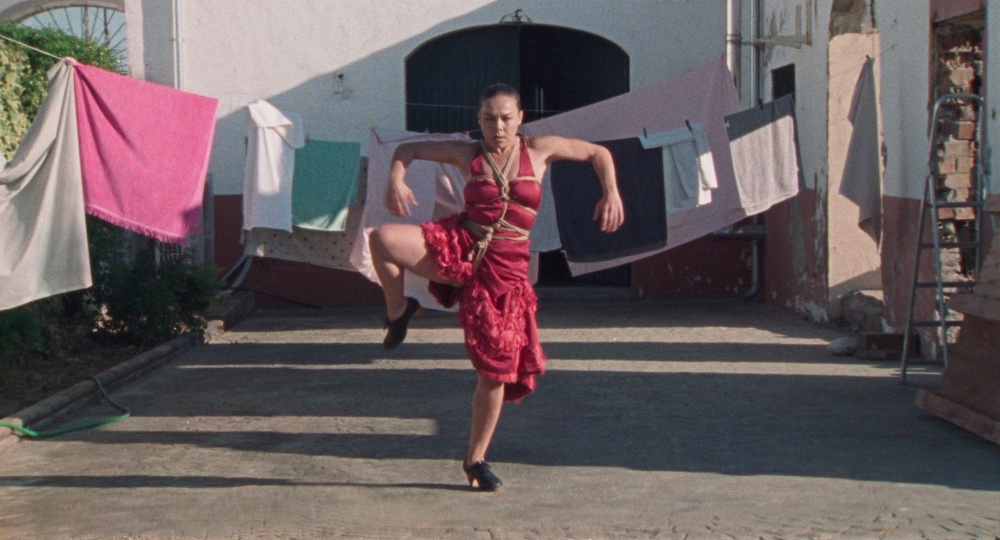
Isaki Lacuesta (Girona, 1975) will present the non-fiction Jaleos / Flamenco Sketches, a tour of the history of flamenco narrated by C. Tangana, Alba Flores, Soleá Morente, Rocío Molina, Georges Didi-Hubermann or Pedro G. Romero, connecting art, politics and popular culture. The Catalan director, writer and producer has bagged the Golden Shell twice, with Los pasos dobles / The Double Steps (2011) and Entre dos aguas / Between Two Waters (2018), also having participated in the Official Selection with Los condenados / The Damned (FIPRESCI Prize, 2009), Murieron por encima de sus posibilidades / Dying Beyond Their Means (Official Selection out of competition, 2014) and the series Apagón / Offworld (Official Selection out of competition, 2022). Other films brought to San Sebastián by Lacuesta are La noche que no acaba (2010) and El cuaderno de barro (2011), both in Zabaltegi-Tabakalera; Un año, una noche / One Day, One Night (Perlak, 2022); Segundo Premio / Saturn Return (Made in Spain, 2024) and Flores para Antonio (Official Selection Special Screenings, 2025), co-directed with Elena Molina.
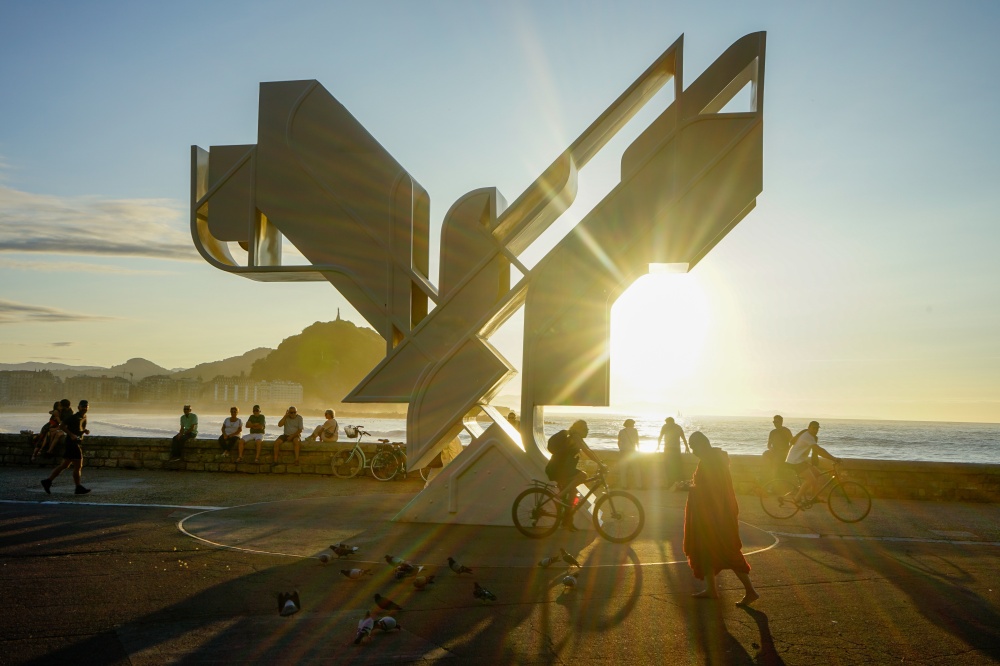
The section will also host the premiere of Dust, directed by the Malasian director Tsai Ming-Liang (Kuching, 1957). This is a new instalment in the series El caminante, following the global wanderings of the Buddhist monk who has chosen San Sebastián and Gipuzkoa this time round as the backdrop for his meditative roamings. Tsai Ming-Liang, who participated with Rebels of the Neon God (1993) in Zabaltegi-New Directors, and with Rizi / Days (2020) in Zabaltegi-Tabakalera, has harvested awards including the Golden Lion in Venice and the Special Jury Prize at the Berlinale.

‘La bola negra’, in Perlak
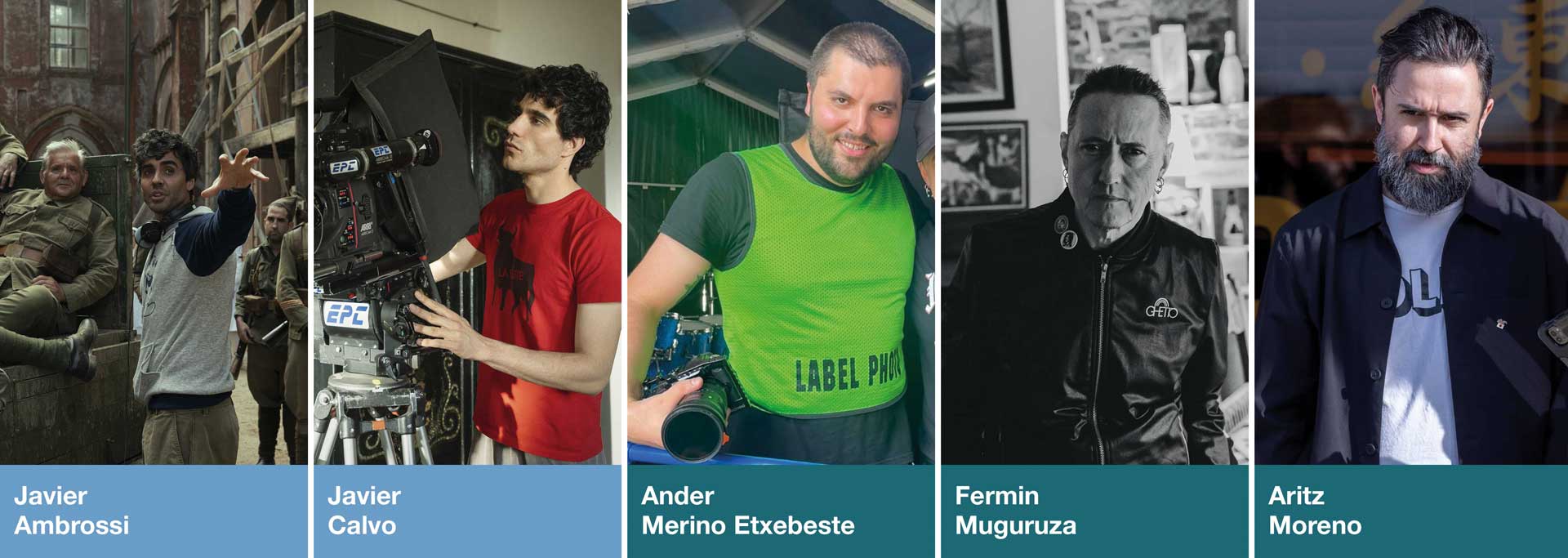
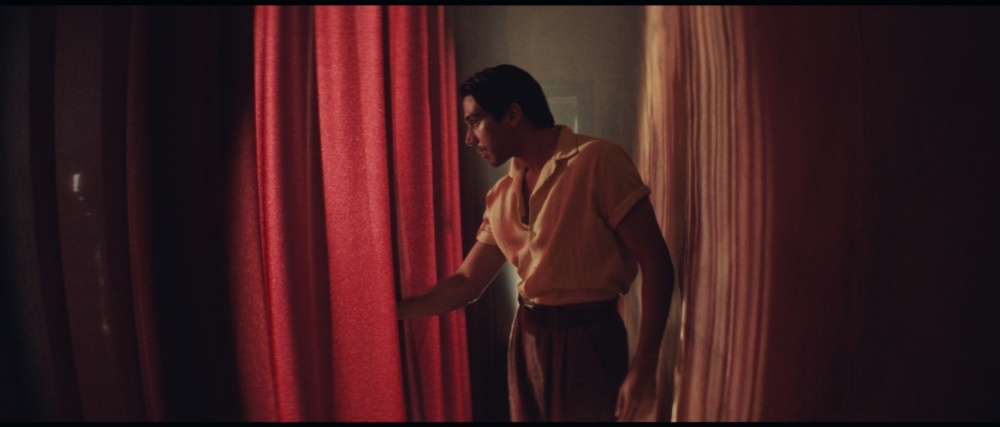
Javier Ambrossi (Madrid, 1984) and Javier Calvo (Murcia, 1991) return to San Sebastián with La bola negra / The Black Ball, winner of the best director accolade at the 79th edition of the Festival de Cannes ex aequo with the Polish director Pawel Pawlikowski for his movie Vaterland/ Fatherland. Taking its inspiration from an unfinished work by Federico García Lorca, the film portrays the interconnected lives of three men in three different periods (1932, 1937 and 2017), three lives intimately linked by sexuality and desire, pain and inheritance. The pair presented at the RTVE Gala their directorial debut, La llamada / Holy Camp (2017), also having premiered in the Official Selection out of competition the series La Mesías (2023). The directors, screenwriters and producers are also the creators of the TV series Paquita Salas (2016) and Veneno (2020).
Music and karate at the Velodrome
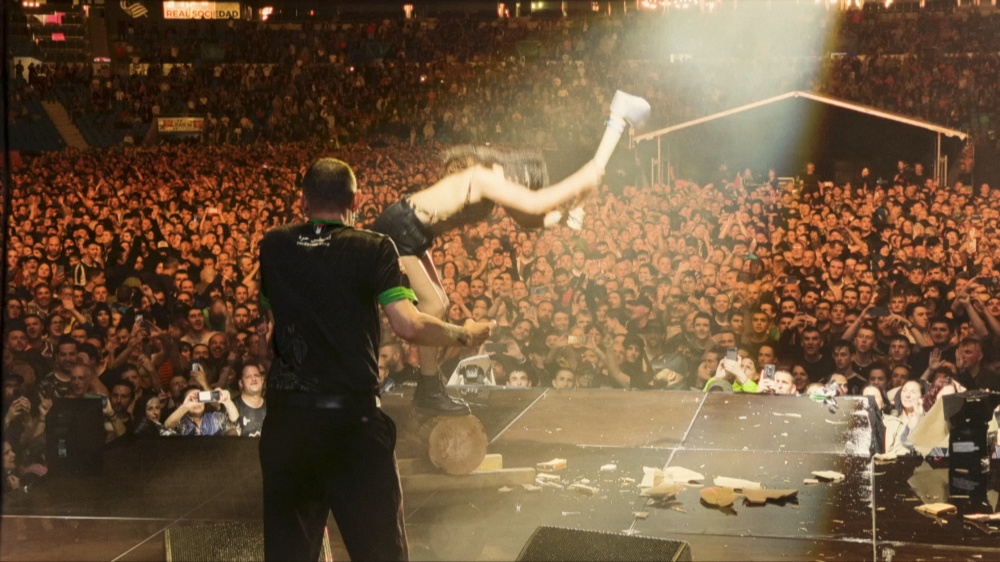
The Velodrome programme will include the screening of Muguruza FM 40 Tour, co-helmed by Ander Merino Etxebeste (San Sebastián, 1995) and Fermin Muguruza (Irun, 1963). The documentary, made in the context of Muguruza’s latest concert tour, portrays his 40 years of engagement, cultural resistance and songs now forming part of the collective identity. The musician from Gipuzkoa has shown his earlier works as a director in sections such as Zinemira, where he presented Checkpoint Rock. Canciones desde Palestina / Checkpoint Rock. Songs from Palestine (2009), Next Music Station: Lebanon (2011), NOLA? (2016), Black is Beltza (2018) and Bidasoa 2018-2023 (2023); Zuloak (Zabaltegi Specials, 2012) and Black is Beltza II: Ainhoa (Velodrome, 2022).
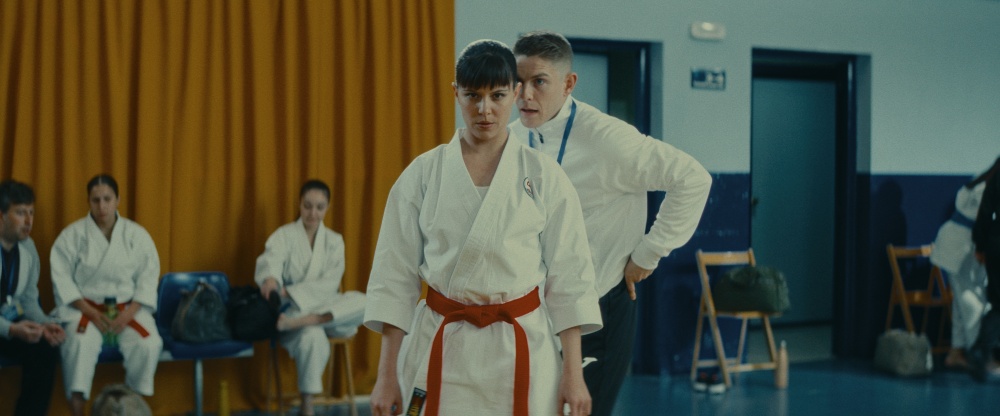
After Ventajas de viajar en tren / Advantages of Travelling by Train (2019) and Moscas / Flies (2023), Karateka is the third feature film from Aritz Moreno (San Sebastián,1980), coming with a cast featuring names including Andrea Ros, Patrick Criado and Ernesto Alterio. The director from San Sebastián tells the tale of Sandra Sánchez, a woman who defied conventions to earn an Olympic gold medal in karate, in the kata modality, at the age of 39. Moreno participated in Zinemira-Kimuak with Bucle (2011) and Cólera (2013).
All of these titles will be joined by new productions boasting Spanish production as the programme for the different sections of the San Sebastián Festival is announced.
OFFICIAL SELECTION - In competition
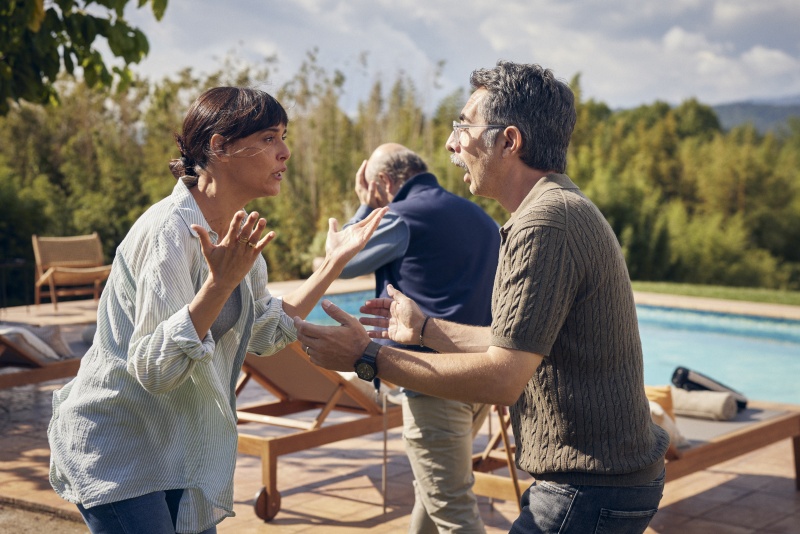
5 more minutes tells the story of a couple in crisis who decide to spend a weekend getaway in a remote house in the countryside. They are met on arrival by the agent who shows them round the house and hands them the keys. However, before leaving them to it, something strange happens: time suddenly rewinds 5 minutes.
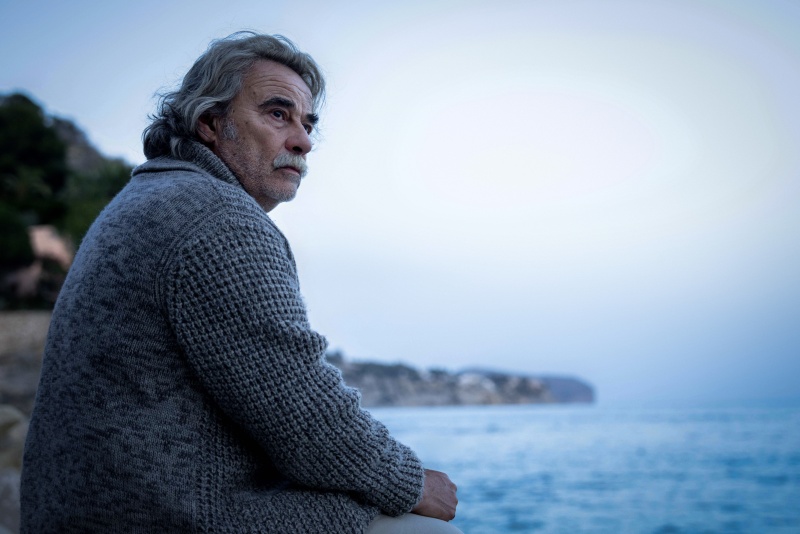
After years of estrangement, the famous writer and academic Santiago Balmes gathers his three children for a last request: to spend Christmas in the house where they used to spend summers as kids.
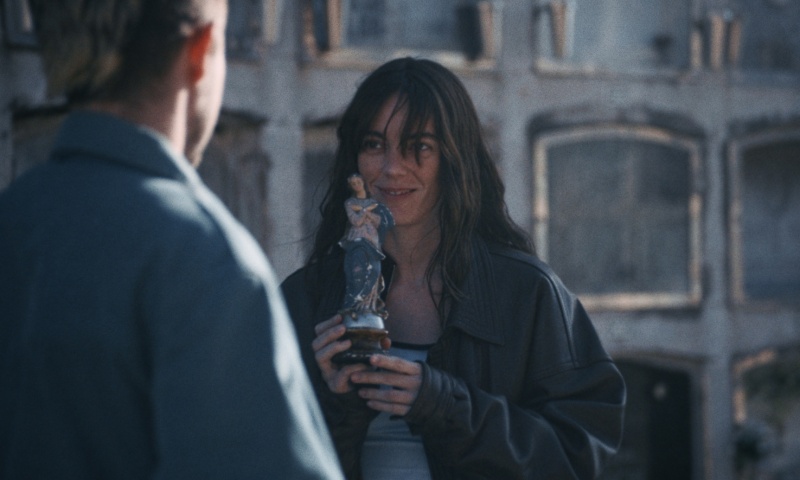
While dealing with her mother’s impending death, Lali joins a gang of thieves dedicated to stealing religious artefacts.
OFFICIAL SELECTION - Not in Competition
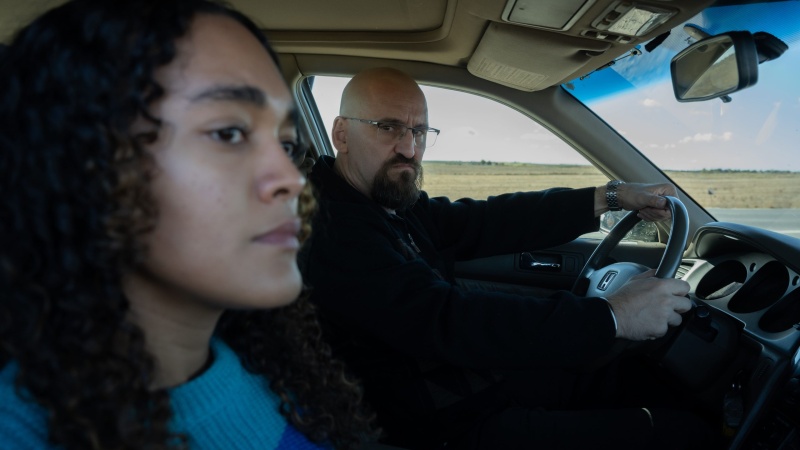
Gerardo Liesa is a young police inspector who has recently joined the UCRIF (the Central Unit for the Fight against Illegal Immigration Networks and Document Forgery). He and his colleague, Carmen Osés, sense that something is changing in brothels across Spain. Suizo and his associates run several brothels, sexually exploiting sex workers from all over the world. One of these women is Claudia. Aged 18, she has a young son in Colombia and has just arrived in Spain in search of a better future.
OFFICIAL SELECTION - Special Screenings
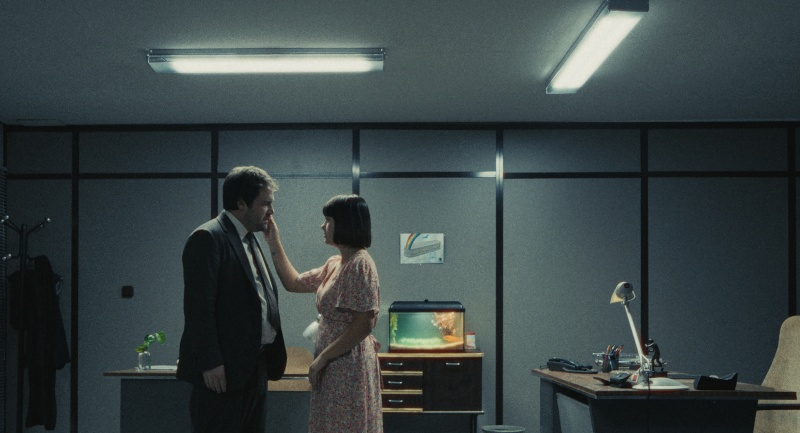
When you own a non-denominational funeral parlour. When you’ve lost your driver’s license for drinking too much. When you fall in love with an office trainee 25 years your junior. When your daughter begins to understand that you're not the father she thought you were. When the retired boxer who lent you money is on your back. When death seems more interesting than life… What could go wrong?
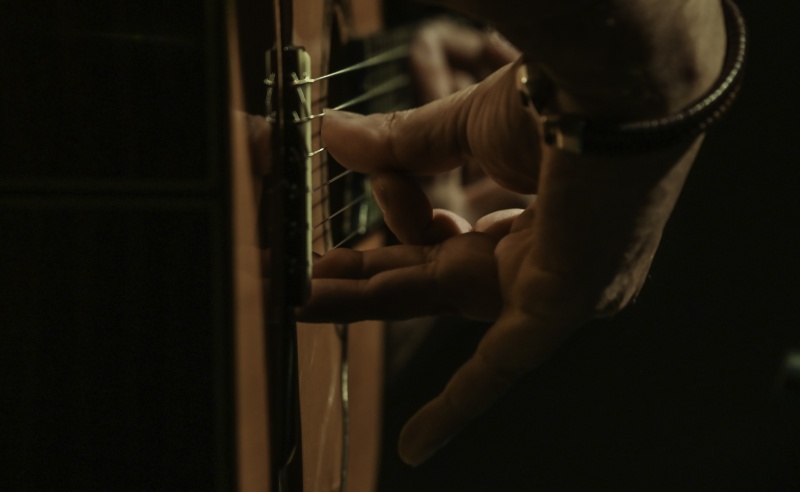
Bajañí is the word for guitar in Caló language. Based on this instrument, and specifically, on the guitar and art of Niño Josele, Fernando Trueba invites spectators to listen to music as never before. This is a new musical journey in his body of work through three musical planets: flamenco, jazz and Brazilian music, where Niño Josele and his guitar engage in musical dialogue with Caetano Veloso, Ron Carter, Rubén Blades, Kenny Barron and Marisa Monte.
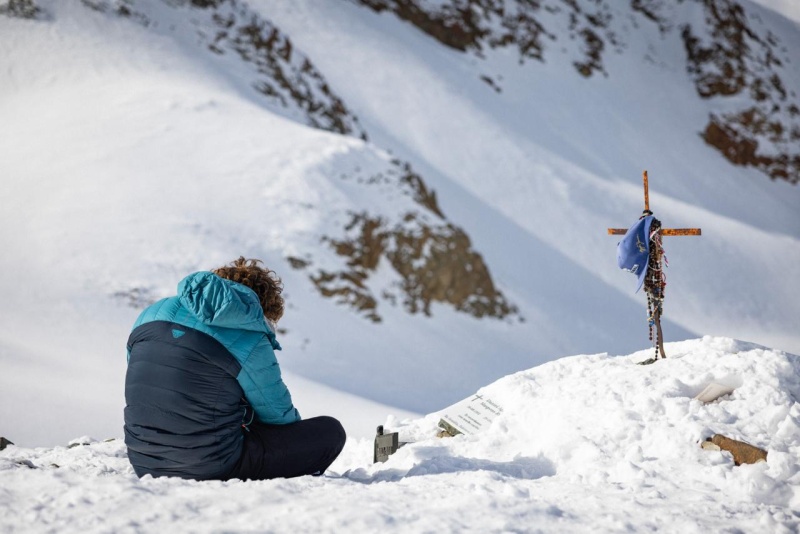
The story of the Andes air crash didn't end with the rescue. Another story began when the survivors returned to the neighbourhood where the families of those who didn't survive were waiting for them. While the world turned their tragedy into a universal narrative, the survivors had to learn to live with the weight of what they had done. Spanning half a century, this series explores a community divided between the living and the dead, and how retelling a story can change the way we come to terms with it.
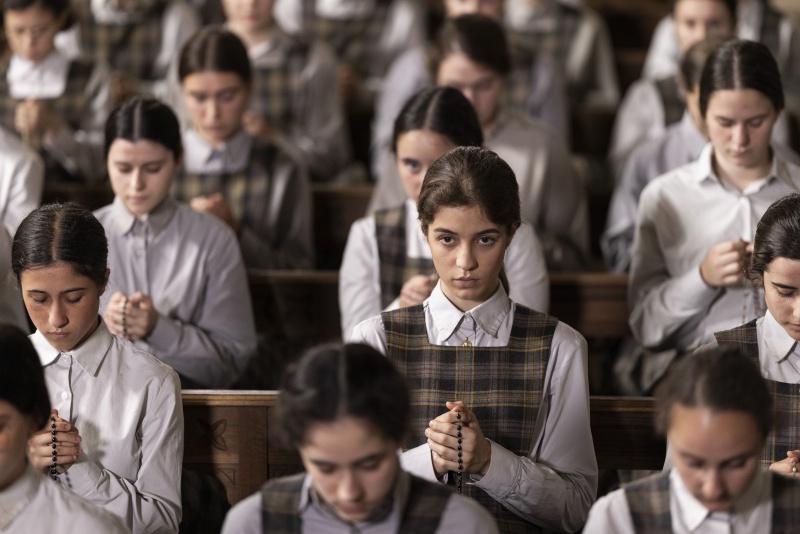
The year 1974. Ana is a rebellious 19-year-old. Having run away one night, her father decides to hand her over to the Women’s Protection Board. She is sent from Barcelona to Madrid for internship in a reformatory run by nuns who follow a brutal disciplinary regime. There she will try to survive by seeking comfort and support in the friendship with Sole, a small-town girl with contagious vitality, and other girls in the same situation.

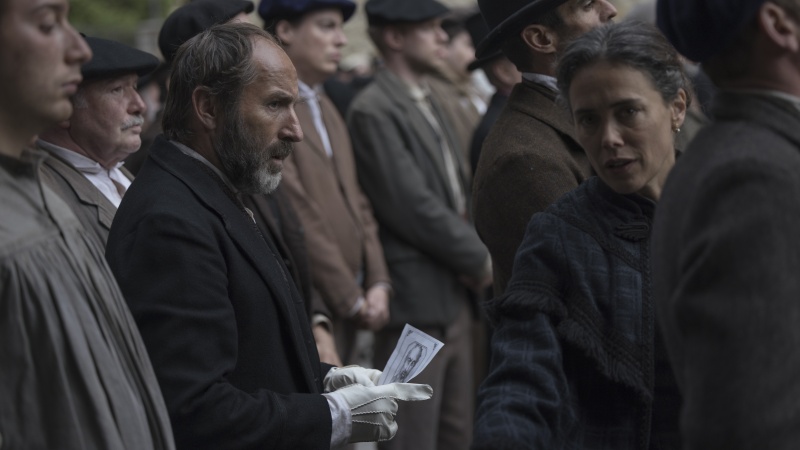
Álava, 19th century. Towards the end of the Third Carlist War, several women are found strangled to death on the outskirts of Vitoria. Ángela Berrosteguieta, sister of one of the victims, arrives seeking justice, determined to prove that Juan Díaz de Garayo, an illiterate farmer, is responsible for the crimes. Meanwhile, Pío Pinedo, head of the constabulary, must contend with the lack of resources in times of war and pressure from the authorities, who prefer to keep the rising wave of murders under wrap.
NEW DIRECTORS
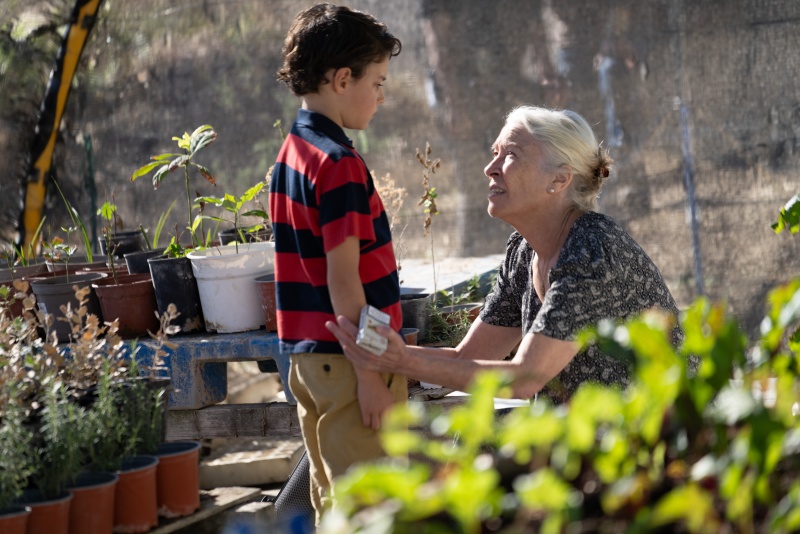
When 11-year-old Ruben’s father mysteriously disappears, the boy has to move in with his grandmother, a woman he barely knows. In a rural setting where time seems to have stood still, the child will learn that family wounds are passed down from one generation to another, and will try to find a way to heal them as he grows.
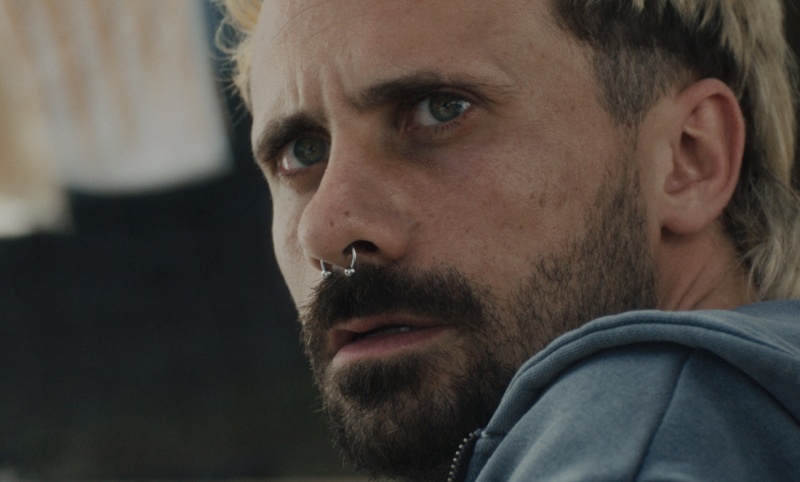
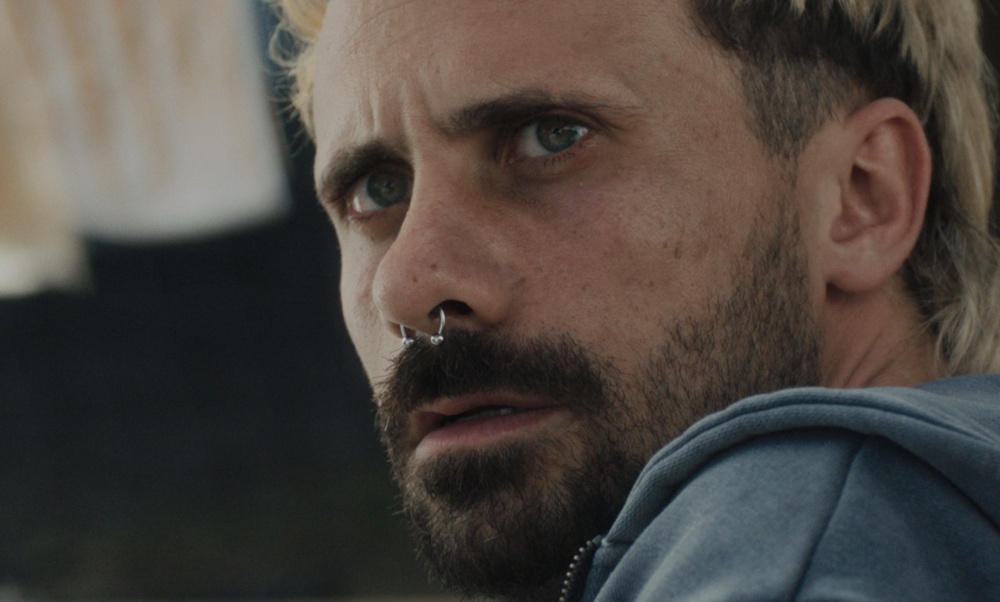
Leo and Lorea have loved one another. Maybe they still do. But something in them has broken. After five years, their relationship is done. He looks after his sick father, trapped between responsibility and an emotional void that weighs him down. She, caught up in poorly-paid jobs and personal crises, tries to get her life back on track without really knowing where to begin. They are two bodies, tired and alone, crushed by their precarious situation, by unresolved issues, by the emotional legacy of a generation who always seem to come late to everything: to love, to stability, to maturity, to serenity, to personal satisfaction.
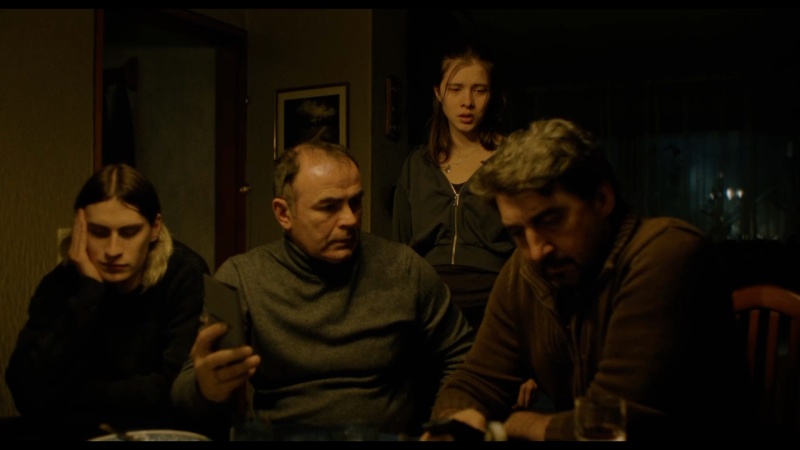
Two different notions of family identity clash when a man from Odesa and his son visit his brother in Germany for the funeral of their mother, the day before the Ukraine war breaks out.
HORIZONTES LATINOS
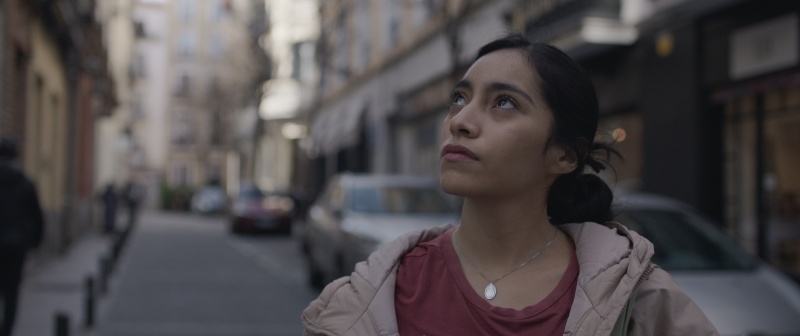
Searching for a better life, Lucila leaves Mexico for Madrid with her brother Diego to join their mother who has been working there illegally for 8 years to support them. When they finally arrive, the reality that awaits them proves far harsher than they had imagined.

La Maestra and Paula are the best swimmers in their team and best friends, until an incident at a party changes everything. La Maestra, intense and unstoppable, realises that something in her best friend has changed, making her sad. When the truth comes to light, the two are faced with an impossible decision: Paula wants to keep quiet about it, while La Maestra wants revenge. Their friendship, previously unbreakable, will be put to the test as never before.
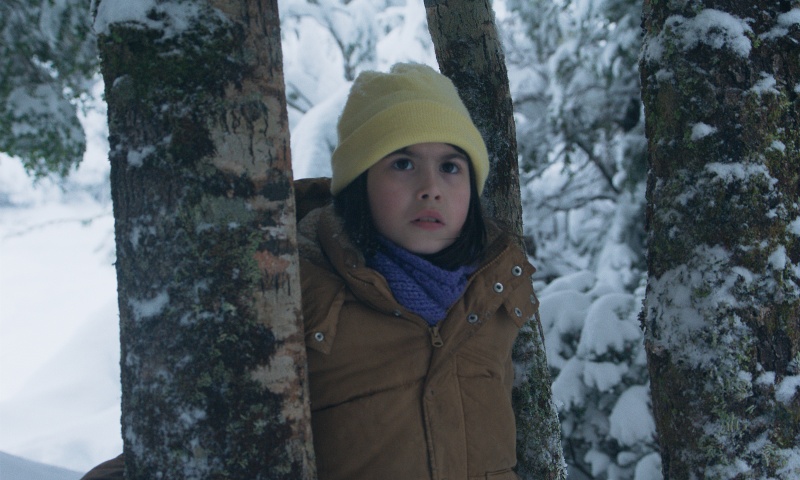
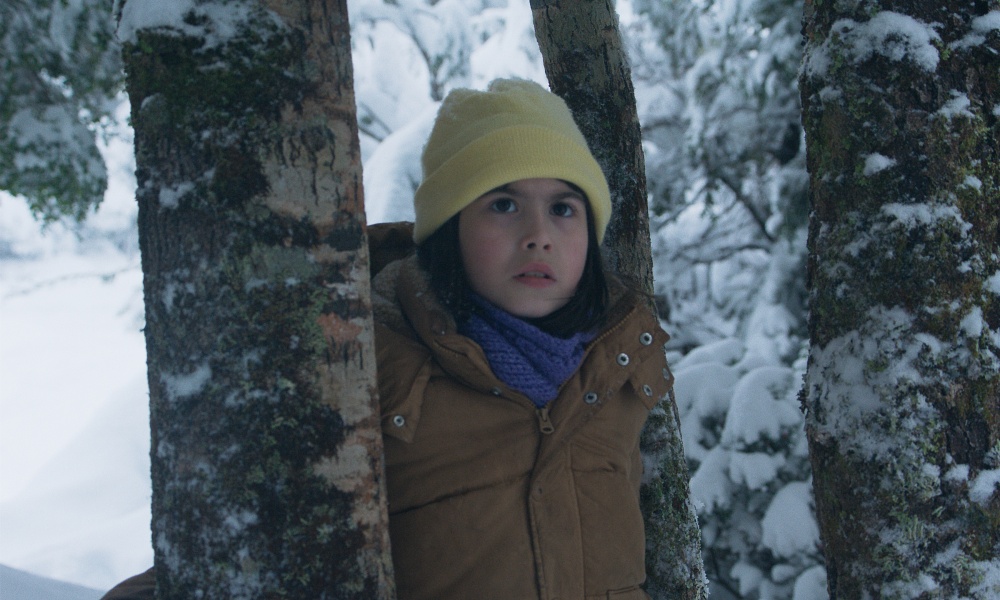
Chile, 1992. While staying at her grandparents’ mountain hotel, Inés befriends Hanna, a German skier. When Hanna vanishes without trace, the search for her exposes hidden truths.
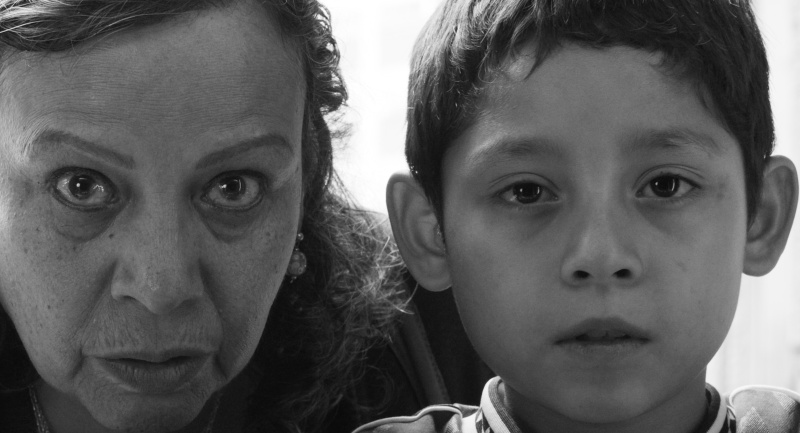
Ever since Olga’s terrible loss, she has preferred to keep to herself, but having no money to pay for an operation on her big toe obliges her to rent a room in her flat to Tulio, the husband of a patient hospitalised in the medical centre in front of the enormous apartment block in which Olga lives. When the man has to leave for a few days, he leaves his son Christian in his place.
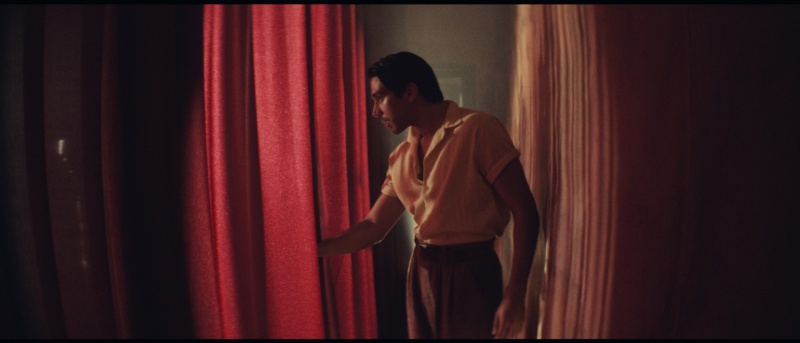
Paraguay, 1959. Under a suffocating military regime, Narciso returns from Buenos Aires with rock & roll in his veins. Charismatic, mysterious and the object of desire for both men and women, he soon becomes a radio sensation and a symbol of freedom. But after his final show he is found dead. In a country where silence reigns and fear smothers the truth… who killed Narciso?
ZABALTEGI-TABAKALERA
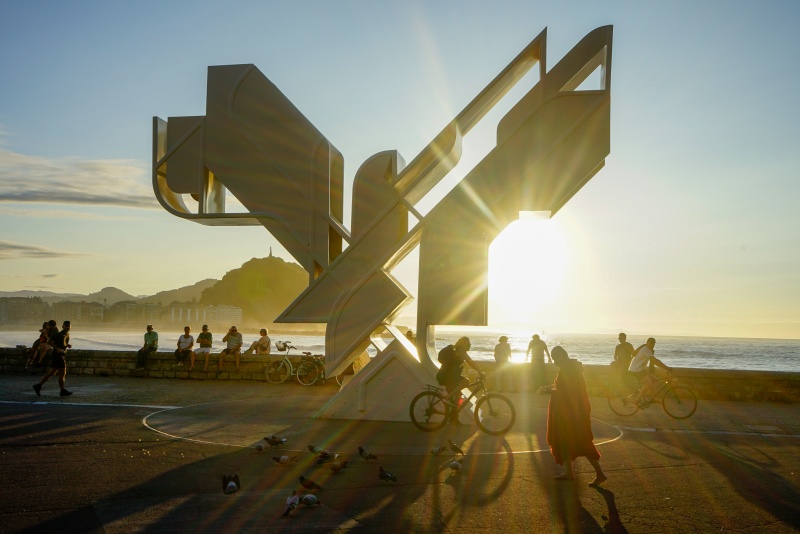
The Walker arrives in San Sebastián, a place of light-filled beauty. A red-coloured strip moves slowly through the forests and along the edges of the wind and the sea, between the noise of the night and the quietness of the day. With slow steps, he moves before the eyes of many: a calm figure in the immensity of the world, leaving a fleeting mark in the memory of strangers. Past and present merge with one another. Both creation and nature dissolve into dust.
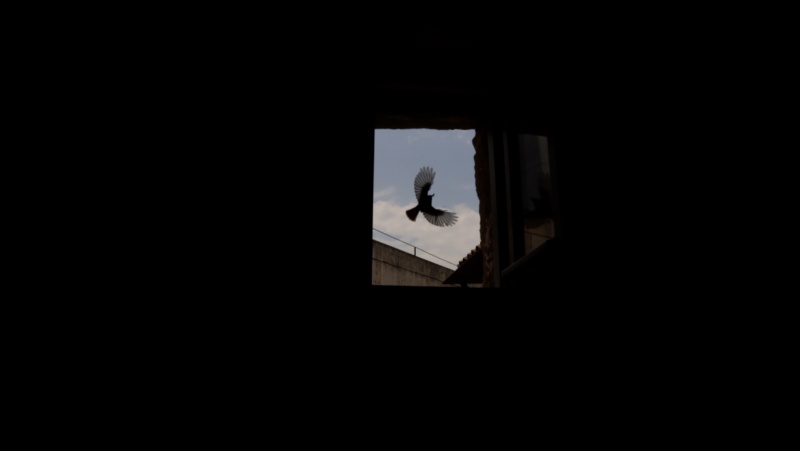
“Night will fall fourteen times in this film. We will count them.” So begins this nocturnal, musical journey—a voyage that drifts through the artistic vision of the Basque artist Jorge Oteiza, and which is dominated, above all, by an “Interior, Night” setting: the Basilica of Arantzazu. It is there that the longest night unfolds, beside the sanctuary’s organ, where filmmaker Oskar Alegria shuts himself away to recount these fourteen nights to pianist Iñar Sastre—summoning him to conjure, through the keys, images he wont see. From this challenge emerges a collection of fourteen moons, fourteen darknesses, and fourteen mysteries that form a single frieze. Fourteen, like the number of apostles Oteiza managed to place on the façade of that temple in an artistic challenge that broke all the rules; and fourteen because, as he himself put it, “there was no room for any more.”
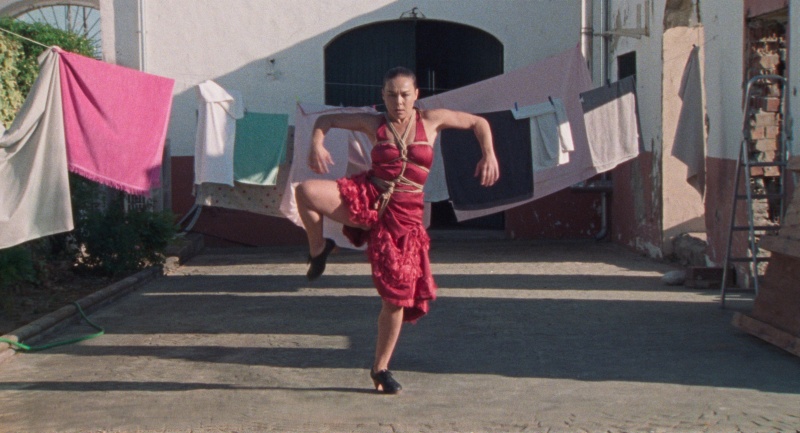
Using archive material and employing a fragmented, polyphonic structure, the film presents a history of flamenco that links it to modernity, popular culture and politics. Through unexpected narratives and associations, and featuring figures from various eras and contexts, the film explores an impure flamenco that is in constant dialogue with the world, where tradition, mass culture, and the contemporary imagination coexist.
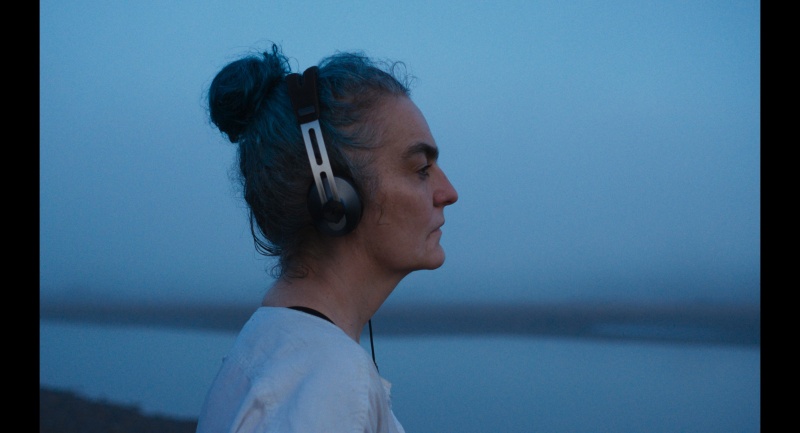
Adela, a Mexican sound artist, travels from the jungle to the Peruvian Andes with Lucho, her guide and translator. Following in the footsteps of her grandfather, a Catalan republican exiled in Mexico, she weaves a sound map of endangered languages. When the fear of death appears, the reality breaks into pieces. Adela’s journey becomes an intimate voyage to her childhood home. Lejos de los árboles / Far from the Trees is packed with tales of the fragility of existence and the need to remember, listen and love.

On the French Riviera, two gangs of kids compete in their favourite game: jumping off the red cliffs of the Mediterranean. Géo, barely five years old, discovers over the course of a summer a world where friendship blends with rivalry, and where the first stirrings of the heart become a source of tension.
PERLAK
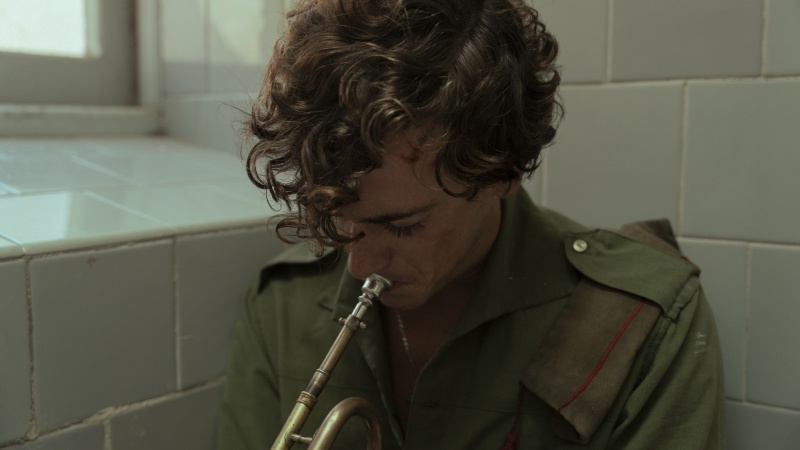
Story narrating the interconnected stories of three men in three different eras. Three lives intimately linked by sexuality and desire, pain and inheritence. This is one of Federico García Lorca’s last, unfinished, works.
VELODROME
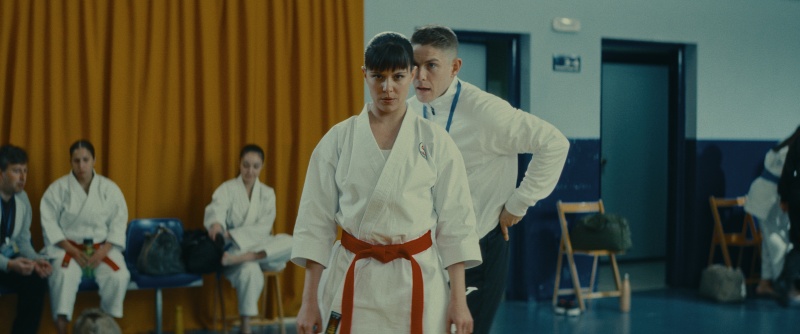
This is the story of Sandra Sánchez, a woman who defied all conventions to become the best female karateka ever to have existed. With the guidance of Jesús del Moral, her trainer and life companion, Sandra set out on an impossible journey: to win an Olympic gold medal at the age of 39 in a sport dominated by the Japanese and where the oldest retire at the age of 30. A tale of love, greatness and struggle that goes way beyond karate and grows into a legend.
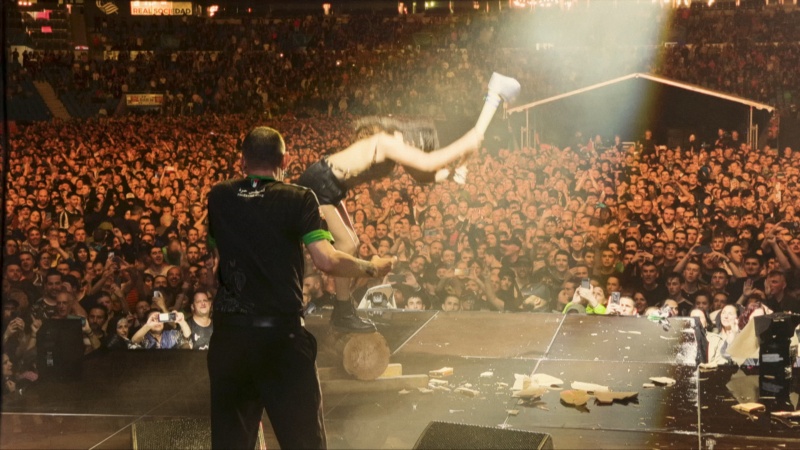
Four decades after taking to the stage for the first time, Fermín Muguruza launches into his last major tour: a collective journey to celebrate 40 years of music, engagement and cultural resistance. This music documentary captures the pulse of that voyage: concerts packed to the hilt, endless kilometres on the road, all sorts of encounters on the way and a shared energy that stretches beyond generations, from the bands Kortatu and Negu Gorriak to his current solo career.
RTVE-EITB GALA
Álava, 19th century. Towards the end of the Third Carlist War, several women are found strangled to death on the outskirts of Vitoria. Ángela Berrosteguieta, sister of one of the victims, arrives seeking justice, determined to prove that Juan Díaz de Garayo, an illiterate farmer, is responsible for the crimes. Meanwhile, Pío Pinedo, head of the constabulary, must contend with the lack of resources in times of war and pressure from the authorities, who prefer to keep the rising wave of murders under wrap.
 Videos
 Images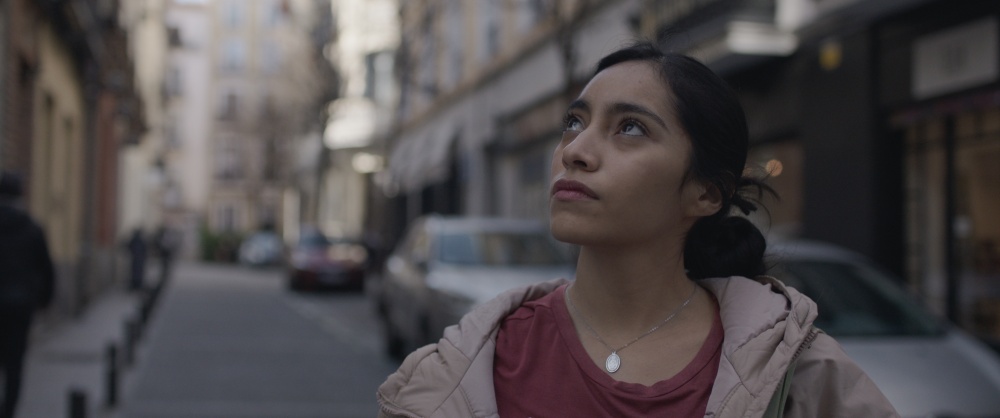














































Monday to Sunday from 09:00 to 14:00
and from 16:00 to 20:00