








Sponsors



Partner



















Z365" or "Festival all year round" is the new strategic point of the Festival in which converge investigation, accompaniment and development of new talents (Ikusmira Berriak, Nest); training and cinematic knowledge transfer (Elías Querejeta Zine Eskola, Zinemaldia + Plus, Filmmakers' dialogue); and investigation, disclosure and cinematic thought (Z70 project, Thought and Discussion and Research and publications).
 Calls for entries - 2026 Log-in to MY FESTIVAL
  Agenda Programme and tickets Search
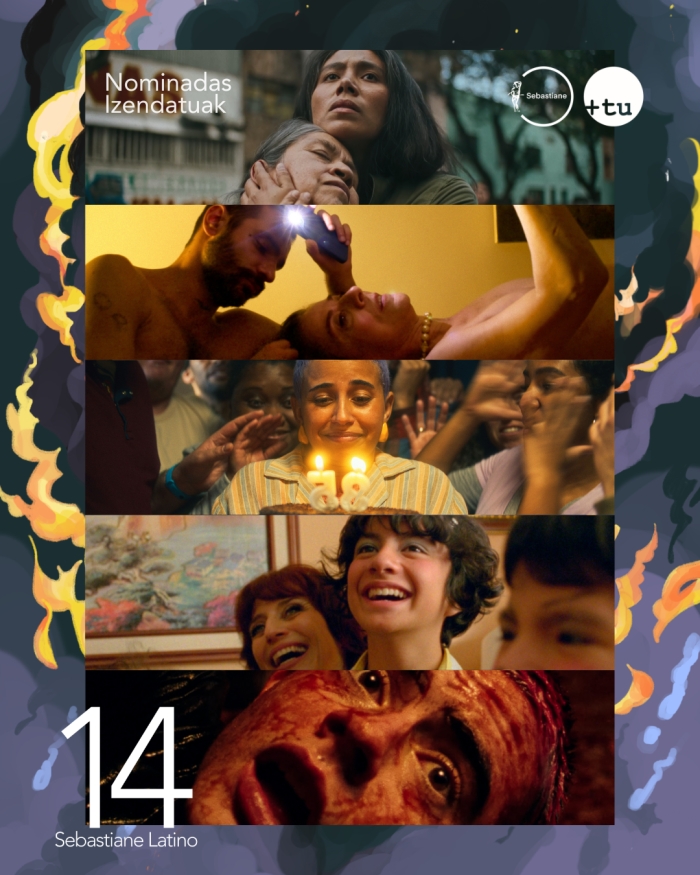
The jury of the 14th Sebastiane Latino Award has shortlisted five Latin American films for the 14th Sebastiane Latino Award. The selected titles are La Virgen Silenciosa, Nem Toda Historia de Amor Acaba em Morte, Bowels of Hell, A Paixao Segundo G.H.B. and Seis Meses en el Edificio Rosa con Azul.
The award goes to the Latin American feature film that best defends the demands and values of the LGBTIQA+ community. In 2026, four male directors and one female director portray the diversity of queer Latino realities with productions from Brazil and Mexico.
Joining the jury made up of activists from GEHITU ̶ the Basque Association of Gays, Lesbians, Transsexuals and Bisexuals ̶ this year are representatives from the Madrid festival QueerCineMad and the Mexican award Premio Maguey (Guadalajara International Film Festival). For this edition, the jury has viewed 45 films from Mexico, Argentina, Brazil, Peru, Chile, Ecuador, Dominican Republic, Paraguay, Uruguay, Colombia and Puerto Rico on a myriad of subjects, from the identity revolution to the realities of chemsex. The winner will be announced in August.
At the last edition, the Sebastiane Latino Award went to the debut from the Chilean filmmaker Diego Céspedes, La Misteriosa Mirada del Flamenco / The Mysterious Gaze of the Flamingo, which closed the Horizontes Latinos section and won the DAMA Youth Award at the last San Sebastían Festival. The film brings a Chilean road trip of vengeance and fantasy reminding us that loving must never be a reason for punishment: neither social, nor divine”. This year, the film will screen in Zumarraga (16 September), Errenteria (17 September) and Deba (20 September), in partnership with the local film clubs. Being able to take the Sebastiane Latino out into Gipuzkoa is possible thanks to the collaboration between GEHITU and the Department of Culture at Gipuzkoa Provincial Council.
Yet another year, the support of Latin American LGBTIQA+ films continues thanks to the collaboration between GEHITU, the San Sebastián Festival, the Ministry of Culture, the departments of Culture, Cooperation and Human Rights and Democratic Culture at Gipuzkoa Provincial Council, and San Sebastián City Council’s departments of Culture, Cultural Diversity and Inclusion. The relationship will come to its peak at the 74th edition of the San Sebastián Film Festival running this year from 18-26 September at which the 27th Sebastiane Award will be presented and the 12th Meeting of Latin American LGBTIQA+ Festivals will take place, an event gathering more than 25 competitions from Spain and Latin America every year.
Nominees for the 14th Sebastiane Latino Award
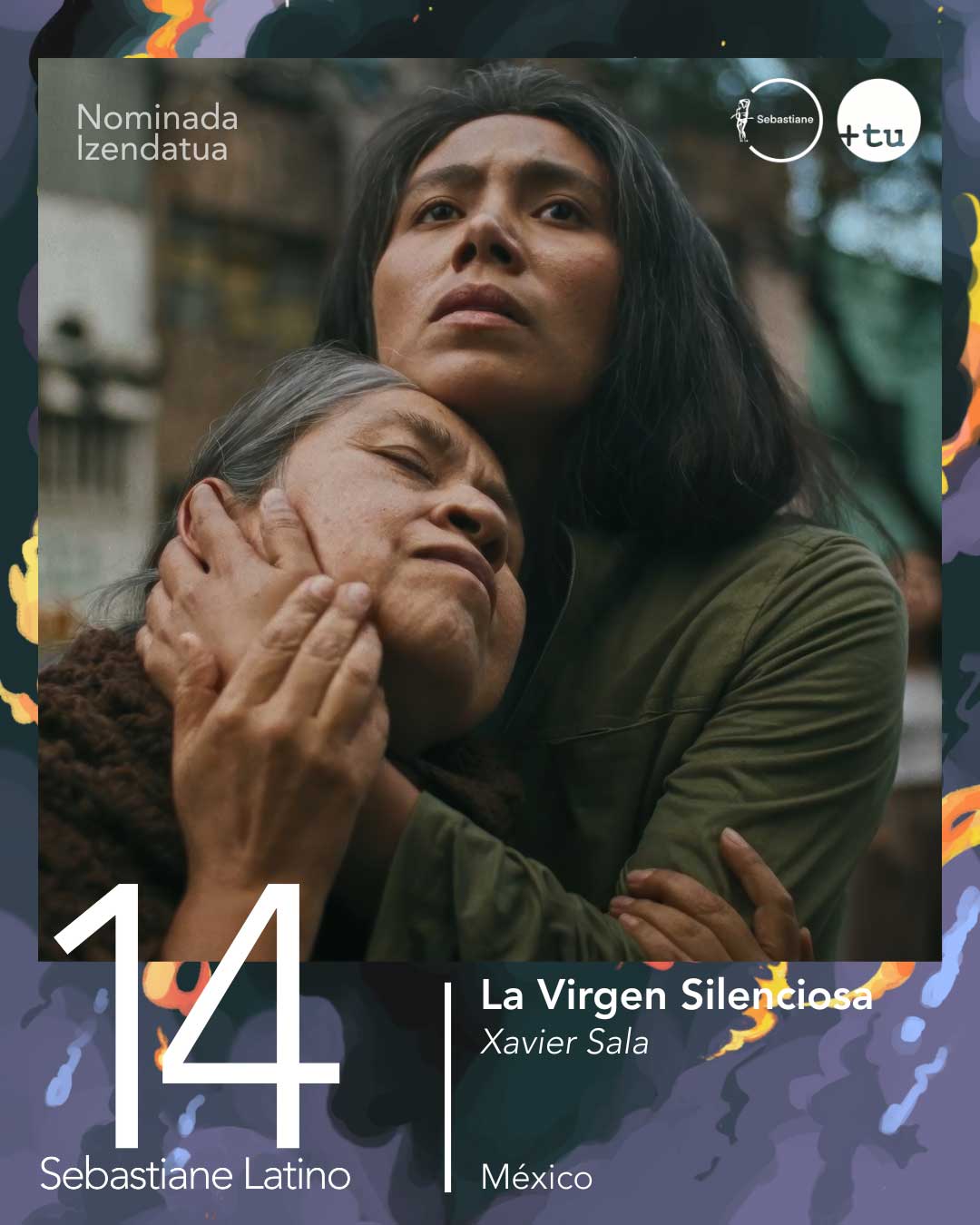
Valeria lives trapped under her mother’s control and the routine of her job at a courthouse in Mexico City. Her life changes radically when she meets Tania, who leads her to challenge maternal authority and the injustices surrounding her.

Sol falls in love with Lola, a young deaf actress, and they begin a romance. Everything gets complicated when Lola starts living under the same roof as Miguel, Sol’s ex-husband. In this curious triangle, they will discover that the death of one love can be the birth of another.
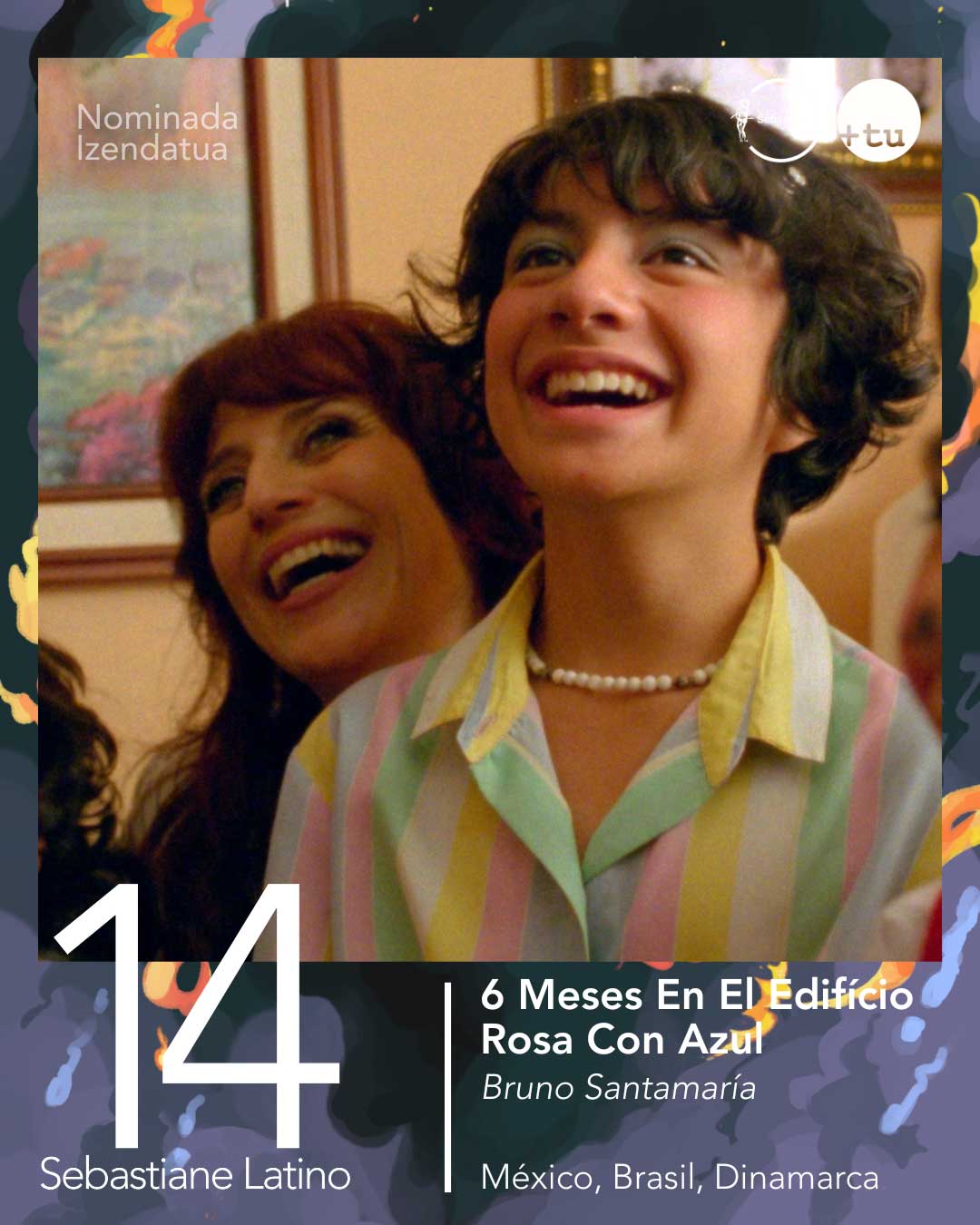
Bruno Santamaría Razo, 2026 - Mexico, Brazil, Denmark
Mexico City, early 90s. On his 11th birthday, Bruno falls in love with his best friend Vladimir. That night his father receives a positive HIV diagnosis that will transform family life. Like in salsa songs, his family tries to sing and dance their pain away. Thirty years later, Bruno films and reimagines the memories he couldn’t quite fathom as a child.

The traumas of the past and a rebellious daughter are pushing Malu to the limit. When a strange curse turns toilets into deadly monsters, she is thrown into a surrealist nightmare in which motherhood, grief and the existential dread can’t simply be flushed away.
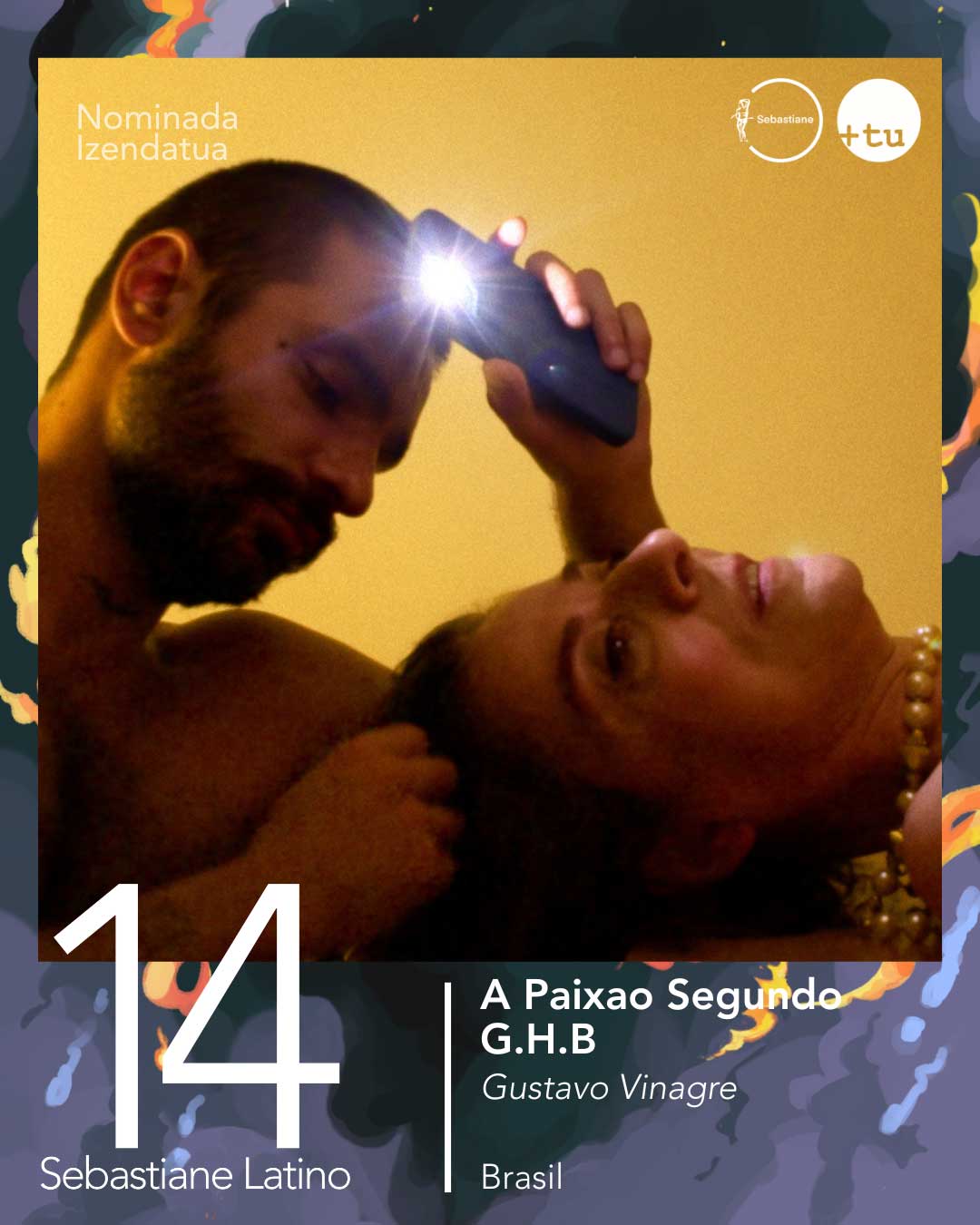
A hookup becomes a threesome; the threesome, an orgy. In this magical-realist gay bedroom odyssey, Matias reminisces about his past encounters and considers his future, while speaking to a fictional figure from Brazilian literature.






















Monday to Sunday from 09:00 to 14:00
and from 16:00 to 20:00