








Sponsors



Partner



















Z365" or "Festival all year round" is the new strategic point of the Festival in which converge investigation, accompaniment and development of new talents (Ikusmira Berriak, Nest); training and cinematic knowledge transfer (Elías Querejeta Zine Eskola, Zinemaldia + Plus, Filmmakers' dialogue); and investigation, disclosure and cinematic thought (Z70 project, Thought and Discussion and Research and publications).
 Calls for entries - 2026 Log-in to MY FESTIVAL
  Agenda Programme and tickets Search
‘El mal hijo’, Jaime Lorente’s debut feature film, will open the section while 'FLORID', Billy Lumby's first film, will close it
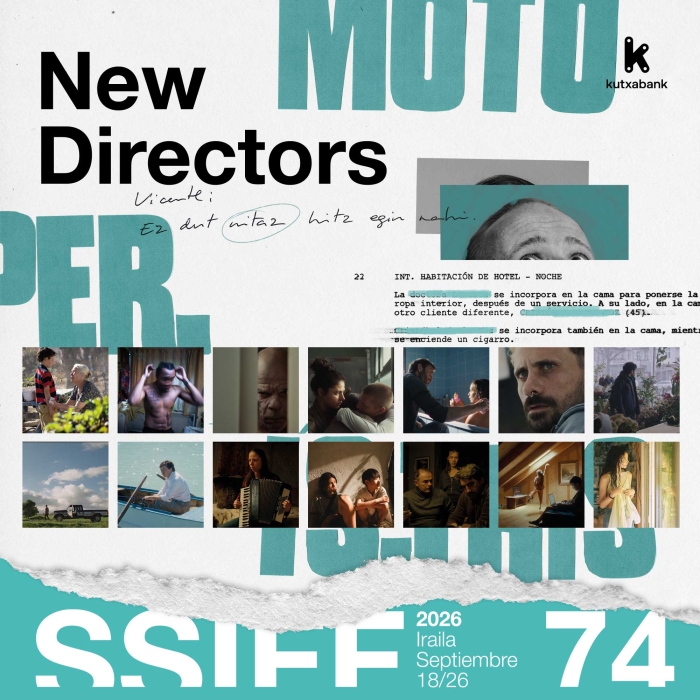


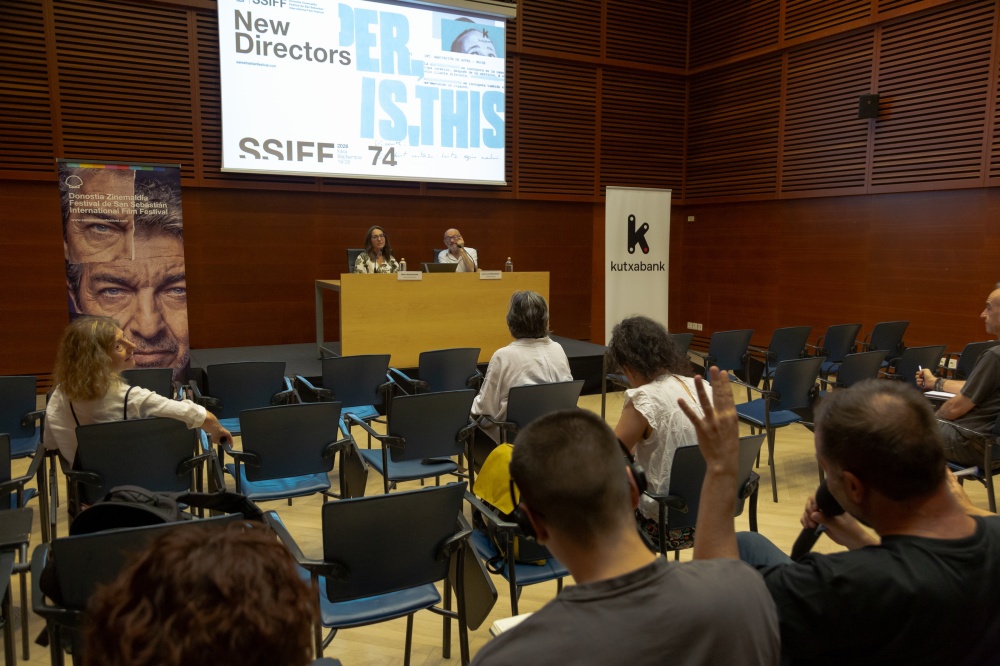
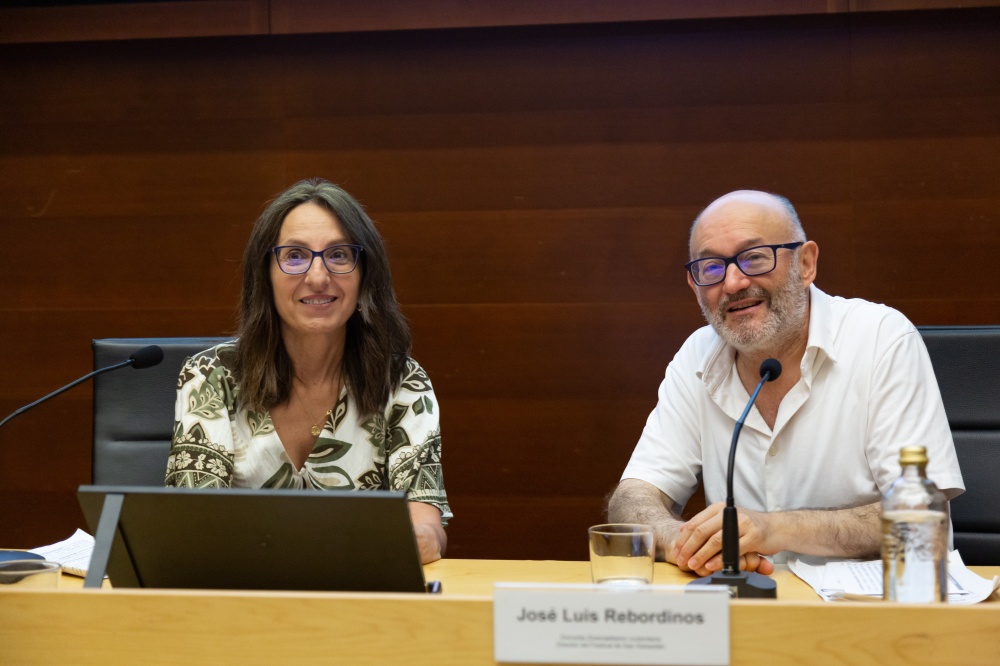
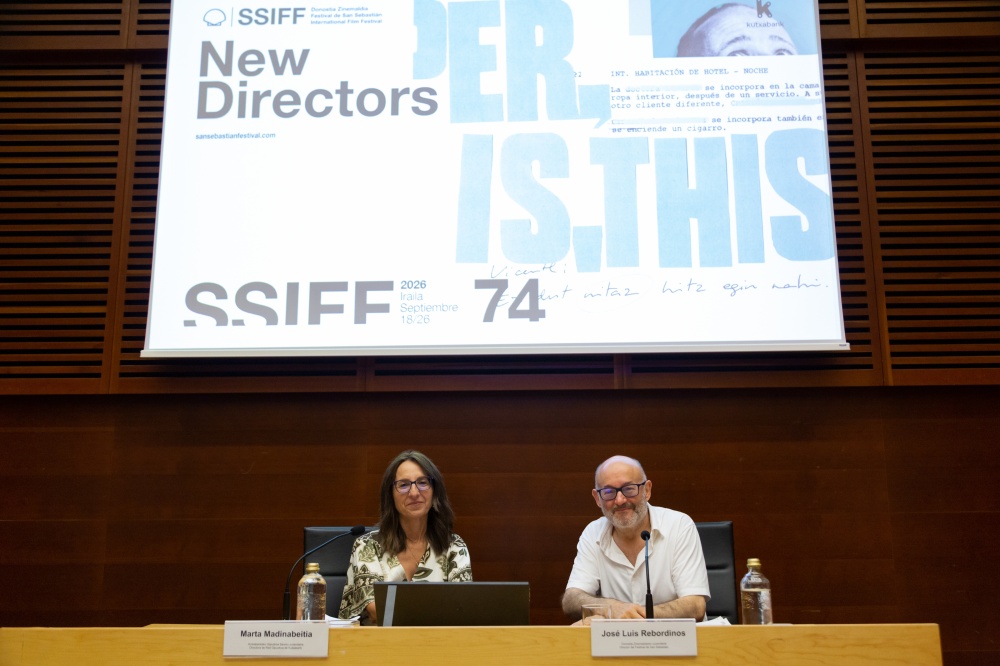
Filmmakers from Bulgaria, Chile, Germany, Iran, Japan, Kazakhstan, Mexico, Norway, South Korea, Spain, Taiwan, UK and Ukraine will present their first and second feature films in New Directors. El mal hijo / The Bad Son, Jaime Lorente’s debut feature film, will open the section while 'FLORID', Billy Lumby's first film, will close it. The fourteen titles will compete for the Kutxabank-New Directors Award at the San Sebastián Festival’s 74th edition, to run from 18-26 September.
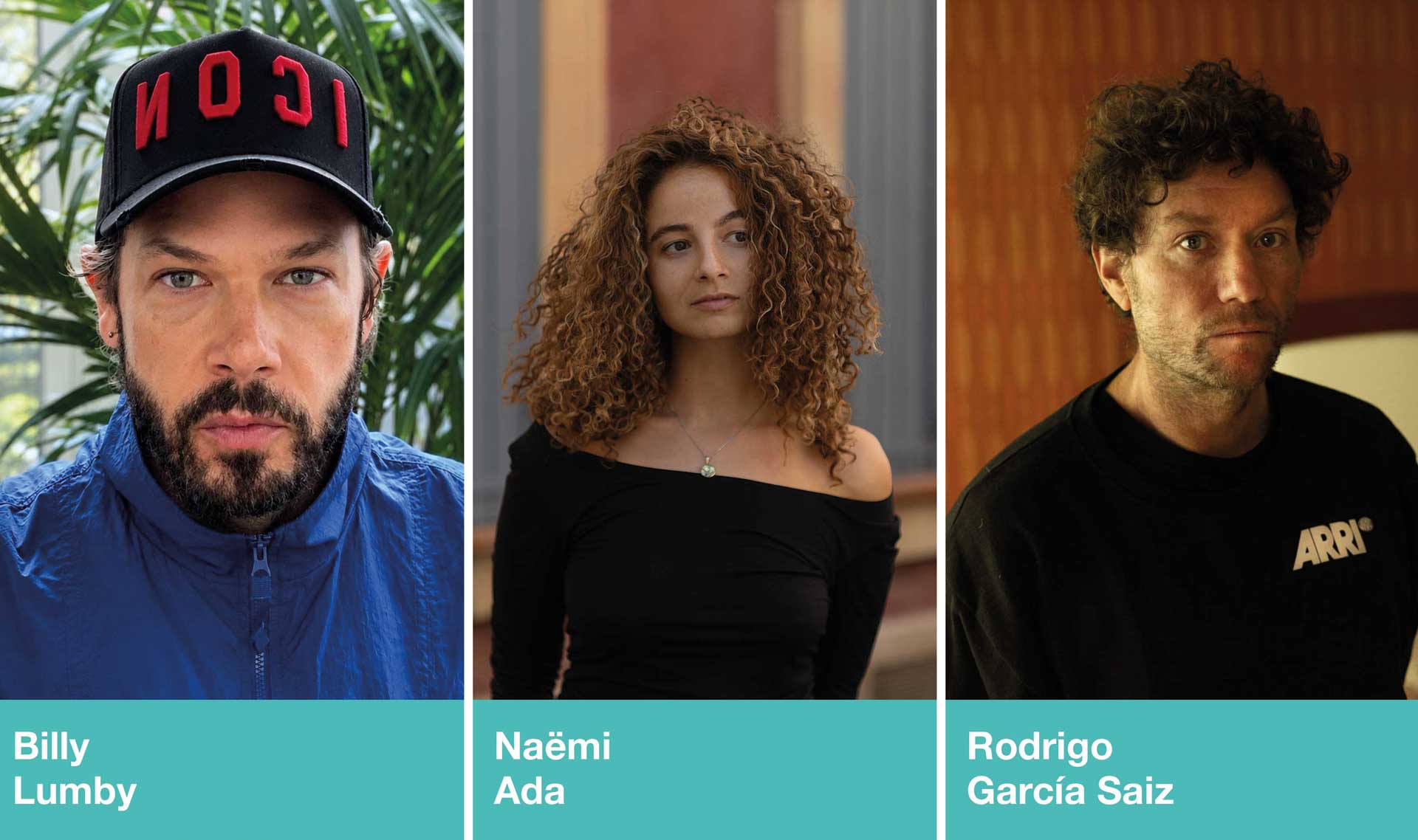
Billy Lumby (London) presents his debut feature film, FLORID, in which a young man struggles to balance his mental problems, medication and drugs with his musical ambitions. The British filmmaker and screenwriter takes to the full-length format after having harvested recognitions for his short films Suspended Animation (2009), God View (2012) and Samuel-613 (2015), for which he received a BAFTA nomination.
Naëmi Ada (Tübingen, 1994) will premiere her debut film Body of Glass. It tells the tale of a young dancer who lives a parallel life after a violent incident with her manipulative partner. Prior to studying film and directing short and experimental works, the German filmmaker trained in the field of contemporary dance.
Having shown his debut, Lluvia / Rain (2023), at several festivals including Málaga, Miami, Morelia, Havana and Los Ángeles, Rodrigo García Saiz (Mexico City) will premiere Morro in San Sebastián. His second film is set in a small Mexican town, where, following the death of his son, a vet heals the dog of a local capo, creating a bond between them pierced by unresolved grief.
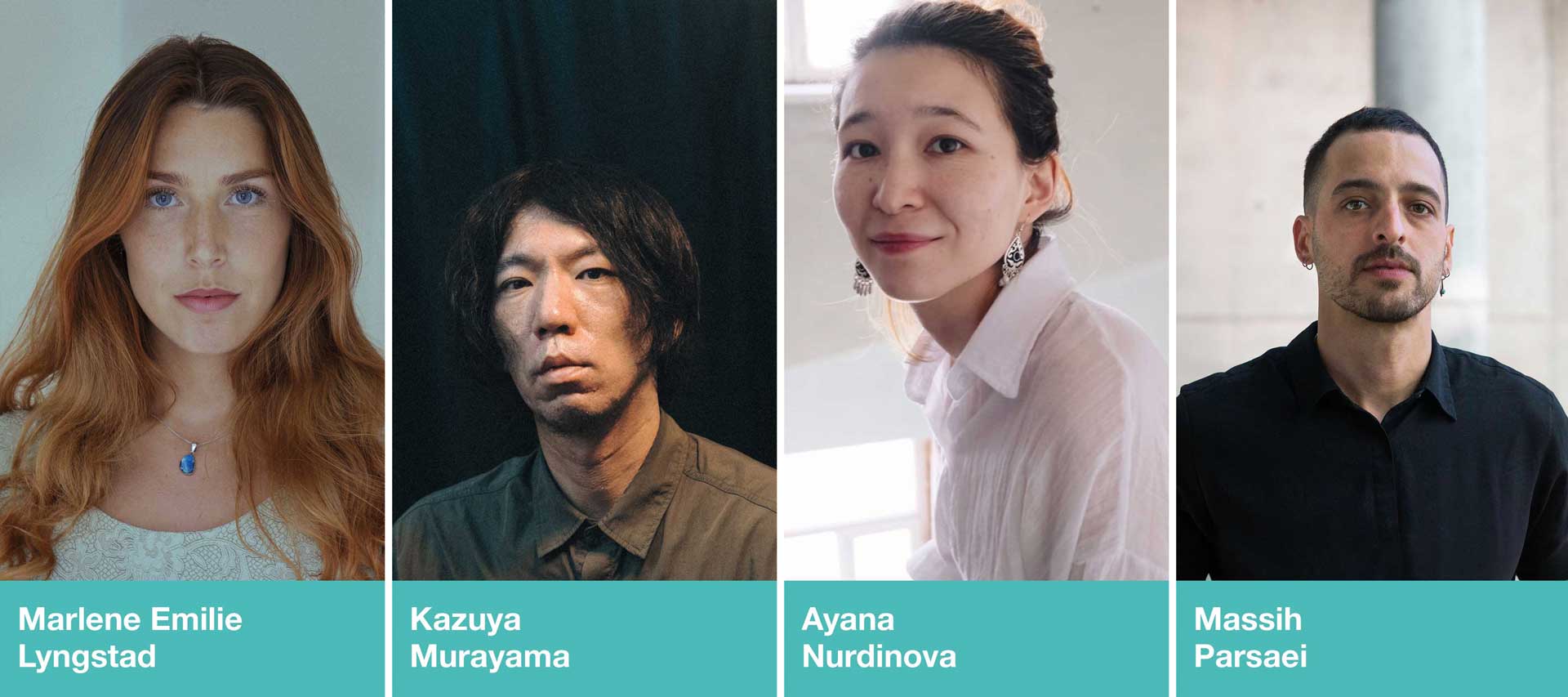
The Norwegian filmmaker settled in Denmark Marlene Emilie Lyngstad (Oslo, 1997) makes her feature debut with Cute, the tale of a man troubled by his forbidden feelings who refuses to live with his girlfriend and her daughter. Outstanding among the short films previously directed by Lyngstad is Norwegian Offspring (2023), winner of first prize at La Cinef, the Festival de Cannes section showing works presented by film schools.
The Ballet Lesson is the second work from the Japanese director Kazuya Murayama (Ishikawa, 1982) after Torao (2021). The film follows a former Russian soldier who returns to Japan for his children, who have double nationality, to take them to their mother, a Japanese ballet dancer.
With previous experience as a production designer and direction assistant, the young Kazakh film director Ayana Nurdinova (Almatý, 1995) presents her debut film. Mugalim stars a music teacher who dreams of leaving the small town of Balkhash, only to realise along the way that music is important no matter where you are.
The Iranian filmmaker Massih Parsaei (Tehran, 1992) makes his debut with Lovers Sleep Alone, a film selected for WIP Europa last year. The film portrays a young Iranian exile in Berlin who works day and night to fill the silence of his life. His only closeness is a man he meets for sex in a park, until one day a cousin he barely knows arrives from Tehran.
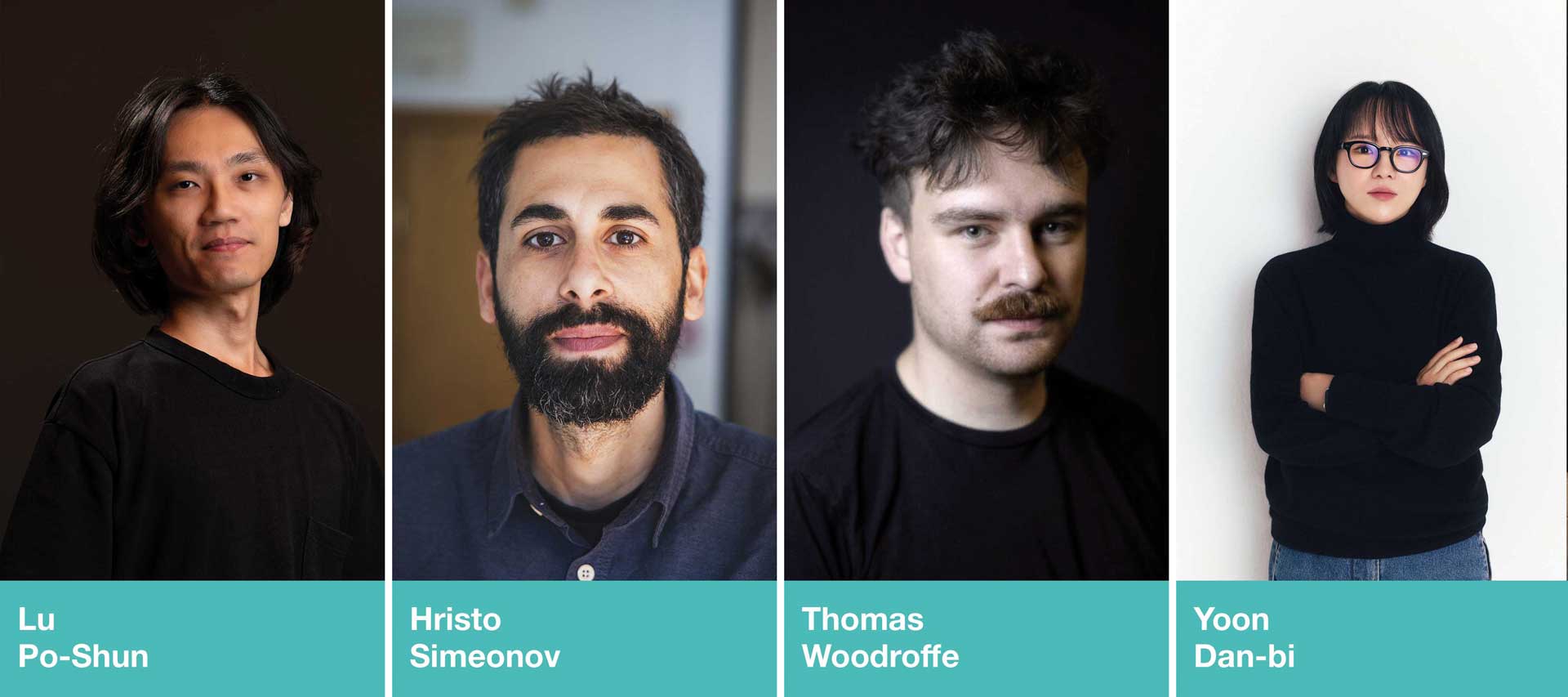
Ri Guang / Will You Still Be My Friend, is the debut film from Lu Po-Shun (Taiwan, 1992). Set in a rural Taiwanese village amid escalating conflict, a boy struggles to protect the friendship with his best friend, raised in Singapore.
Hristo Simeonov (Bulgaria, 1985) brings his feature film debut with Obuvkite na bashta mi / My Father’s Shoes. The film accompanies a young girl and her mother who must identify the lifeless body of their father and husband, a man who has been absent from their lives for years.
Director Thomas Woodroffe (Santiago, 1995), who is currently completing the Film Preservation Studies course at the Elías Querejeta Zine Eskola, premieres Bloques erráticos / Erratics. His debut feature tells the tale of the ghost of the filmmaker Lucien Castelnau who, freeing himself after spending a hundred years trapped in a glacier, wanders through a futuristic Patagonia, where technological progress clashes with forgotten stories. His short film Fiebre austral / Austral Fever (2019) landed a special mention at the Nest awards and also showed at the Venice and Toronto festivals.
Having bagged several awards at Busan and Rotterdam with her debut film, Nam-mae wui Yeo-reum-bam / Moving On (Perlak, 2020), South Korean director Yoon Dan-bi (Gwangju, 1990) will premiere in San Sebastián her second feature film, The World Before. The production tells the tale of Jin, a young girl living with the quiet rhythms of a remote island with her grandmother. When the old lady dies, Doojae arrives on the island and an unexpected intimacy grows between them.
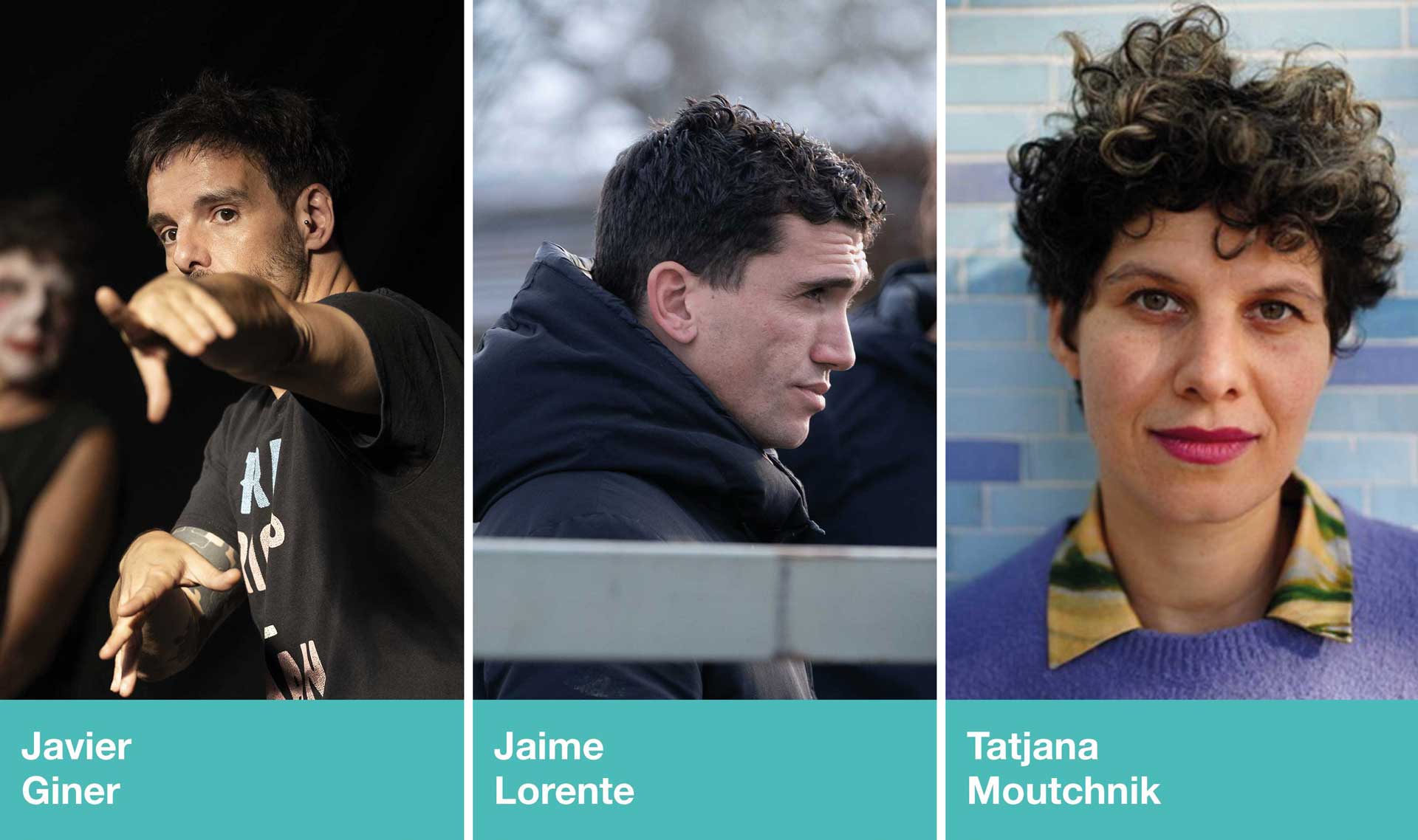
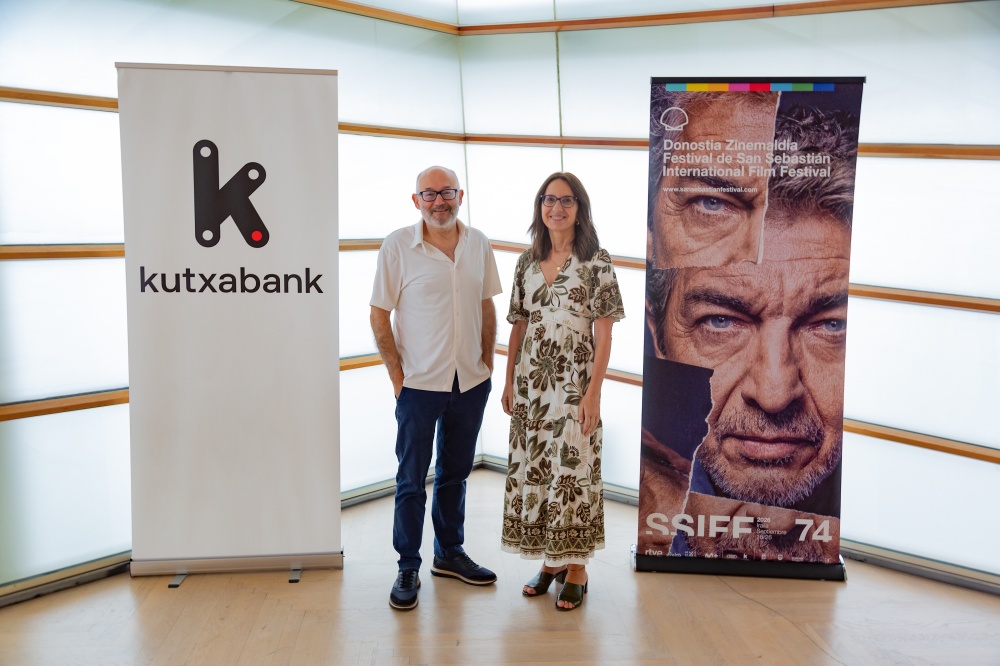
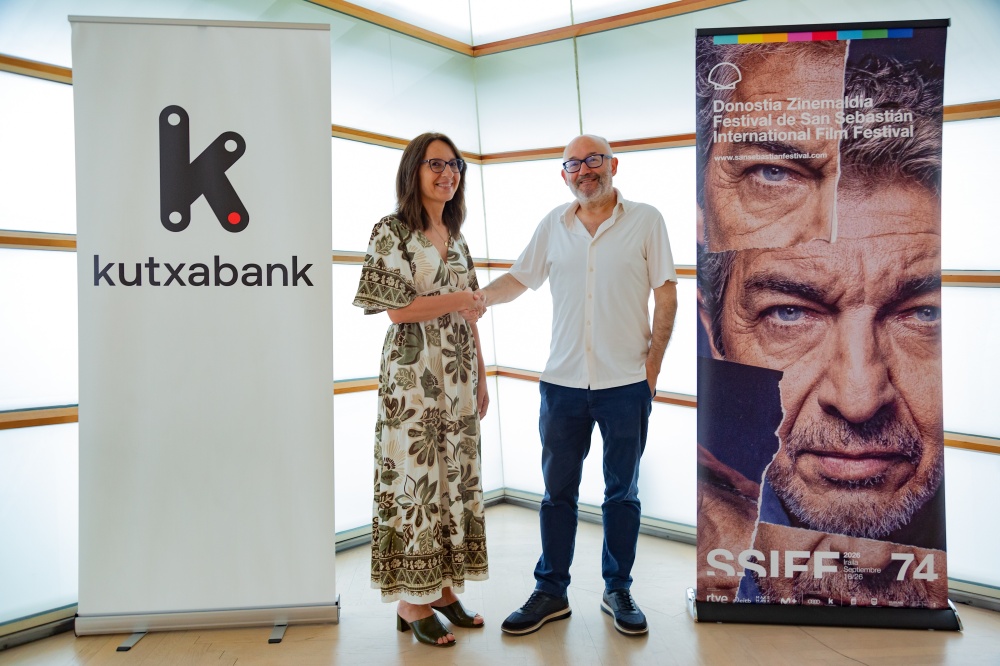
All of the films, together with the Spanish productions already announced, such as Esta soledad / This solitude, by Javier Giner; El mal hijo / The Bad Son, by Jaime Lorente, and Sieben Tage Februar / February, Seven Days, by Tatjana Moutchnik, will compete for the Kutxabank-New Directors Award, coming with 50,000 euros to be distributed equally between the director and distributor of the film in Spain. Said recognition is sponsored by Kutxabank, official collaborator of the Festival. The works corresponding to the New Directors section will also compete for the DAMA Youth Award, decided by a group of 150 students aged from 18 to 25 years.
For more than fifty years, the San Sebastián Festival has run a section dedicated to the first and second films from their makers, demonstrating its strong commitment to new talents. San Sebastián’s Festival was behind the first steps of filmmakers including Olivier Assayas, Nicolas Winding Refn, Jonathan Glazer, Lucile Hadzihalilovic, Bong Joon-ho, Isabel Coixet, Walter Salles and Kevin Smith. Specifically, the films selected in this section last year went on to harvest some fifty accolades and nominations following their screening in San Sebastián.
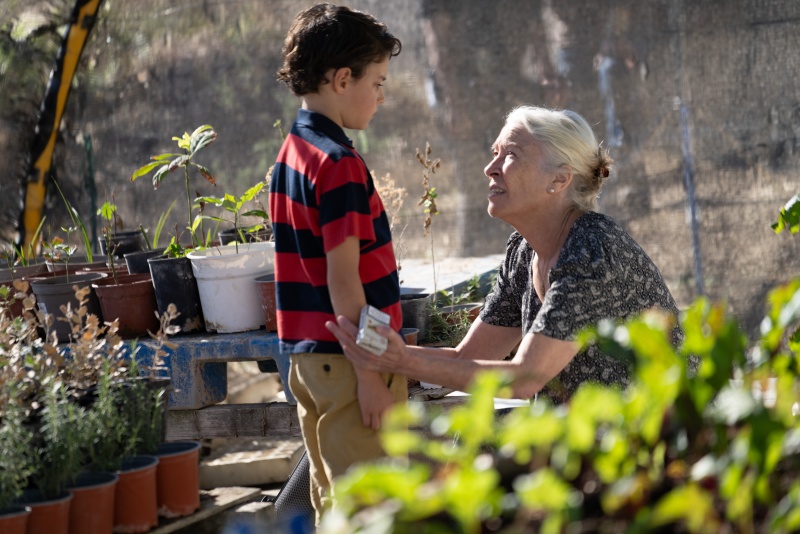
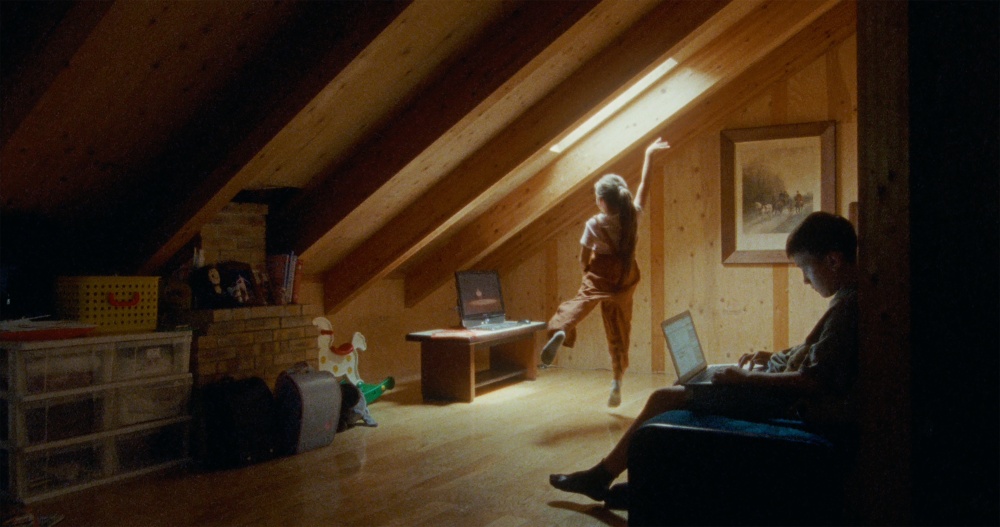
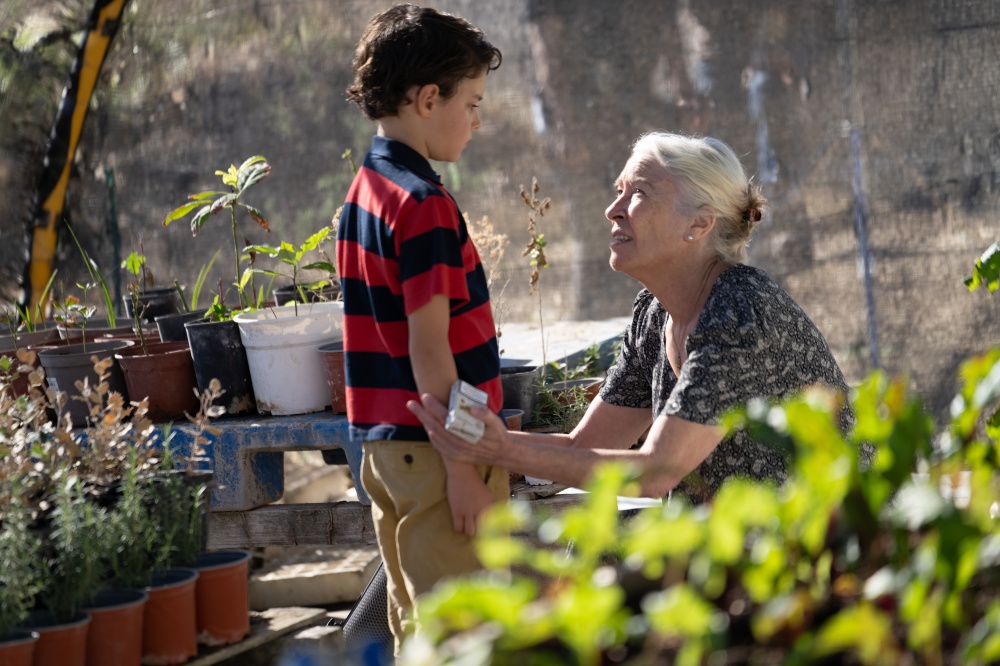
When 11-year-old Ruben’s father mysteriously disappears, the boy has to move in with his grandmother, a woman he barely knows. In a rural setting where time seems to have stood still, the child will learn that family wounds are passed down from one generation to another, and will try to find a way to heal them as he grows.
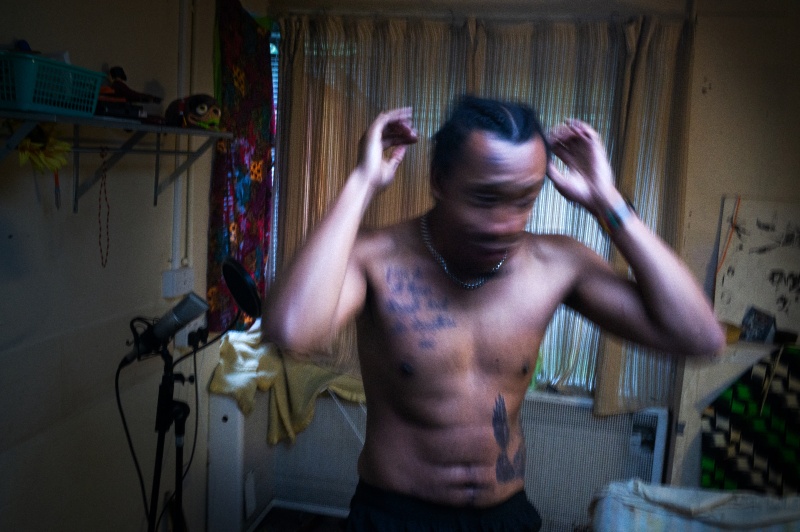
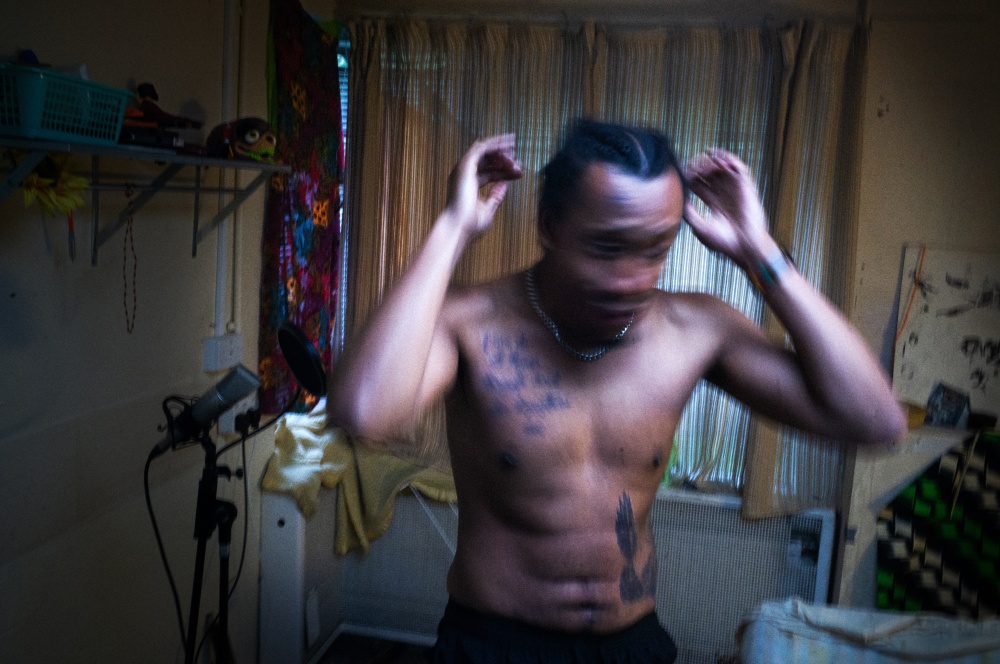
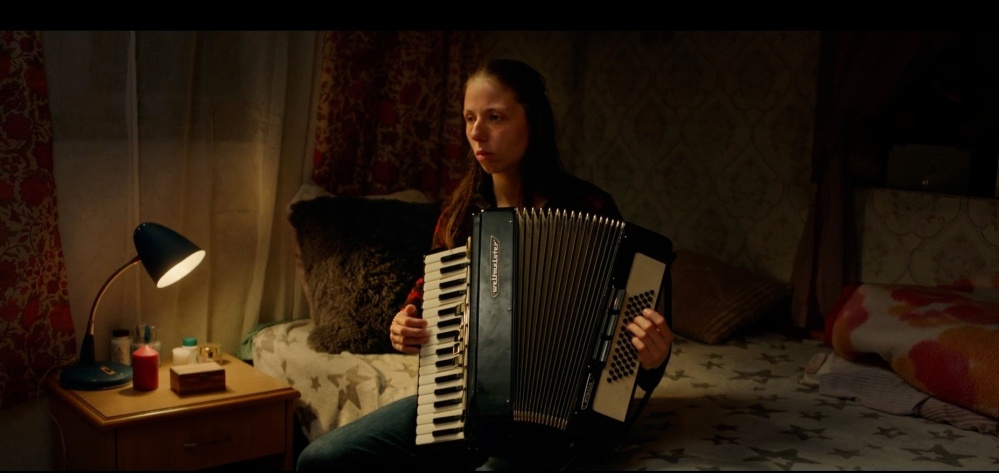
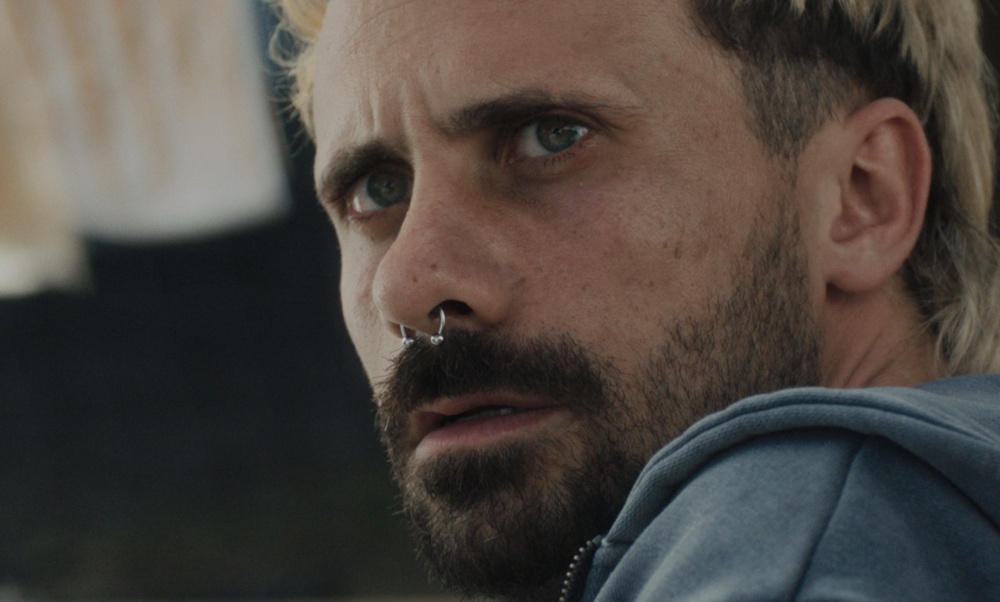
Jamal, who has a diagnosis of schizophrenia, lives in a supported housing block, alongside other people with mental health issues. Frustrated by the side effects of his medication, he stops taking it, making the voices he hears become more frequent and extreme. Increasingly changeable in mood, Jamal builds a friendship with Kyla, another resident. But as the voices become more intense, Jamal must confront the blurred line between reality, and past family events, to come to terms with his voices.
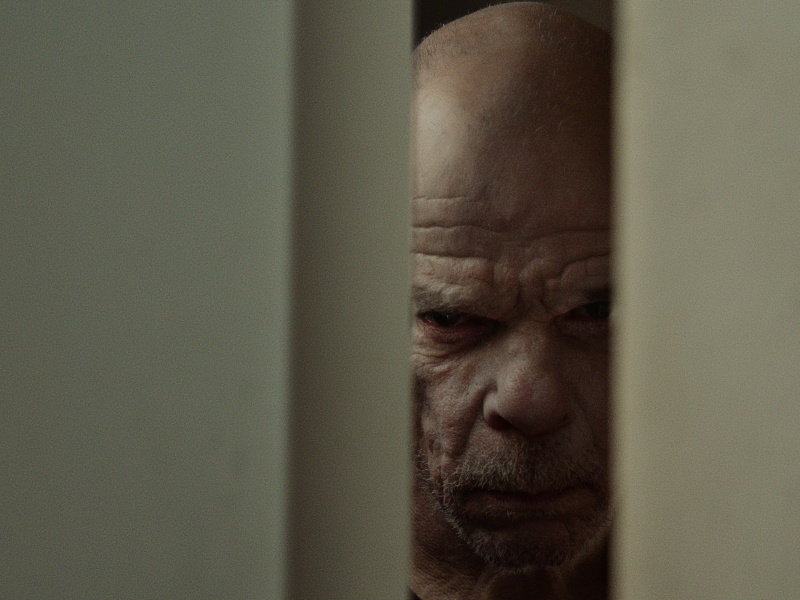
Freeing himself after spending a hundred years trapped in a glacier, the ghost of the filmmaker Lucien Castelnau wanders through a futuristic Patagonia, where technological progress clashes with forgotten stories. Unable to rest while his cinematic legacy remains unseen, he crosses a world that has deleted him from its memory, in search of a place in history and of spectators, who can finally bring his lost work back to life.
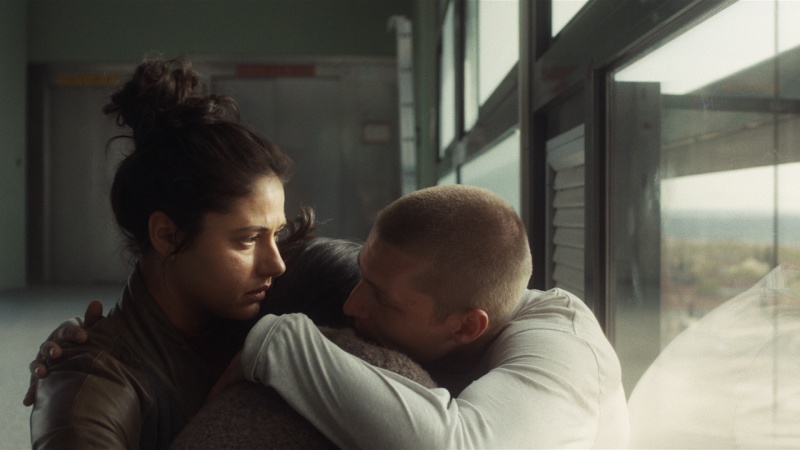
After a violent incident with her controlling partner Felix, dancer Tian flees their shared life in Marseille. Isolated and desperate for connection, she infiltrates the grieving circle of a young man she never knew. But as she becomes entangled in their mourning and affection, she hides a dangerous secret at home. When lies, grief and reality collapse into each other, Tian must choose whether to break the cycle.
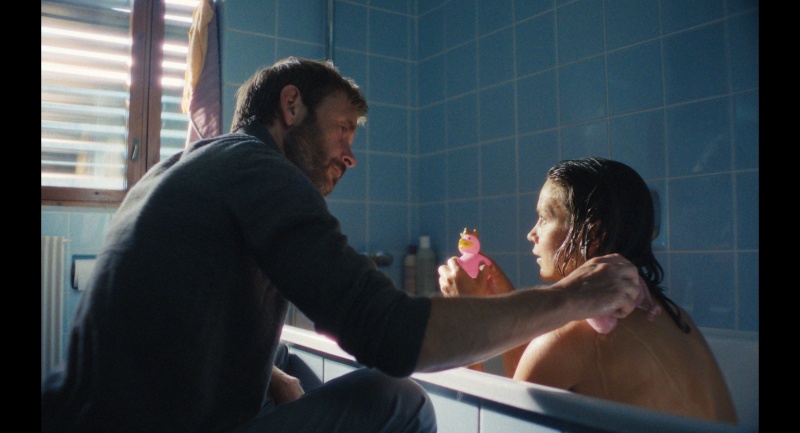
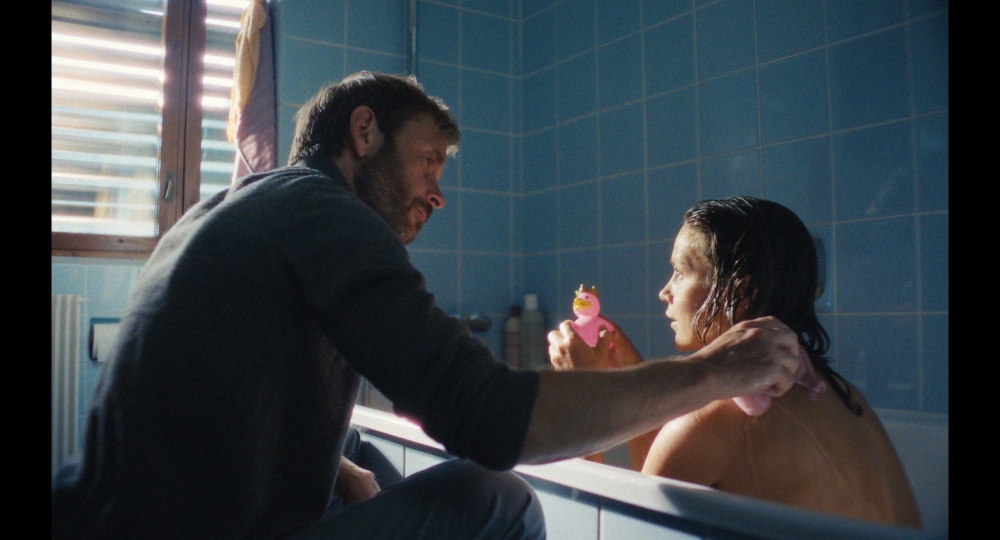
Troubled by forbidden feelings for his seven-year-old stepdaughter, Richard decides to leave his girlfriend. He retreats to his childhood home to renovate ahead of its sale, but his self-imposed exile is disrupted by the childlike presence of his mother's caregiver, Stella. He soon discovers her double life as a Lolita camgirl, and the two develop a transgressive surrogate father-daughter relationship. Their constructed reality begins to unravel when the stepdaughter he left behind reaches out.
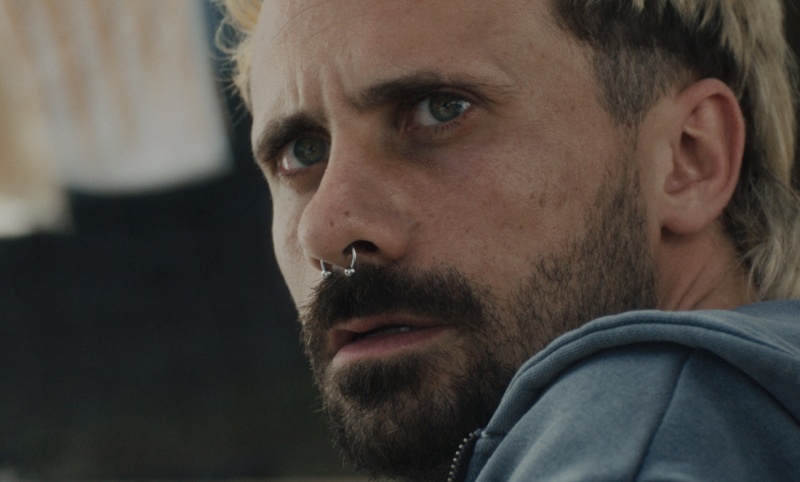
Leo and Lorea have loved one another. Maybe they still do. But something in them has broken. After five years, their relationship is done. He looks after his sick father, trapped between responsibility and an emotional void that weighs him down. She, caught up in poorly-paid jobs and personal crises, tries to get her life back on track without really knowing where to begin. They are two bodies, tired and alone, crushed by their precarious situation, by unresolved issues, by the emotional legacy of a generation who always seem to come late to everything: to love, to stability, to maturity, to serenity, to personal satisfaction.
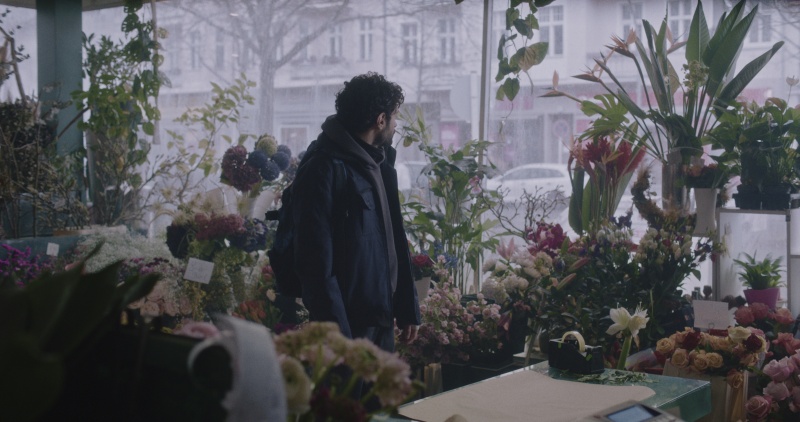
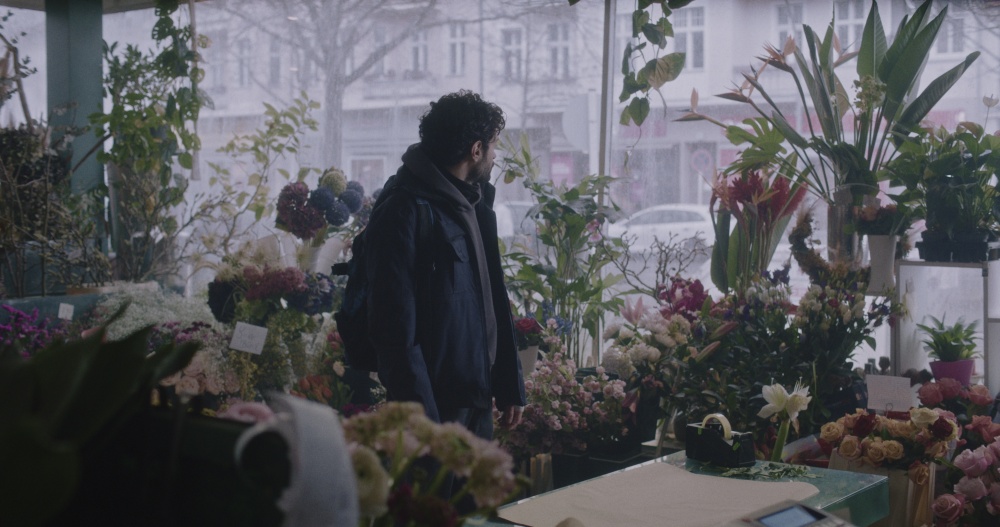
Iman has built his life in Berlin around absence. From his family, from Iran, from being known. He fills the silence with work, invented stories, and nights with a man he meets for sex in the park. When his cousin, whom he barely knows, arrives from Tehran for a brief visit, what he left behind quietly finds its way back to him.
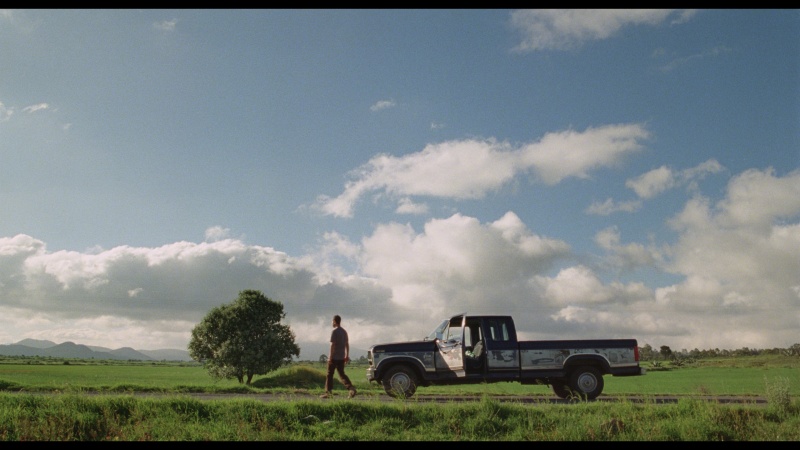
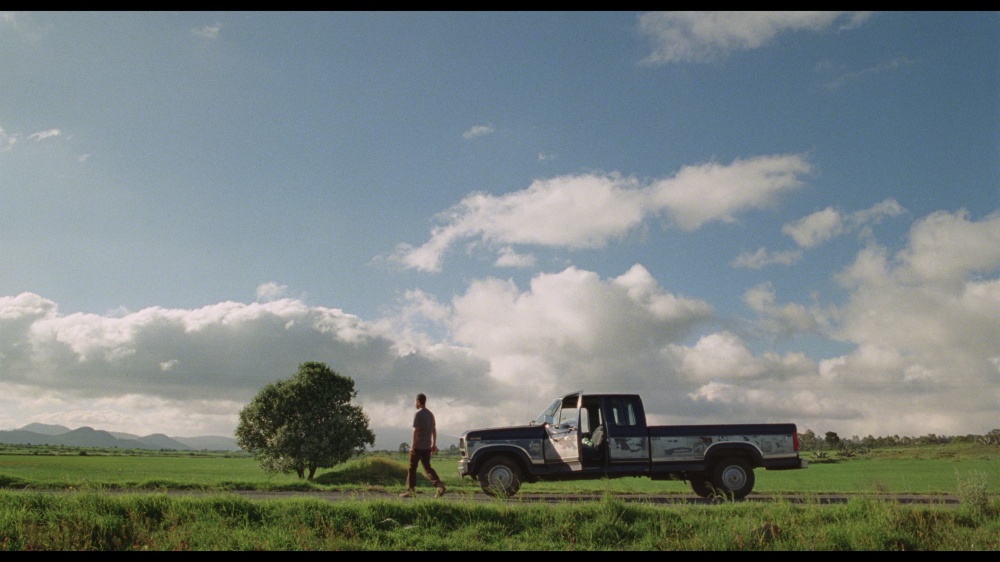
Mateo is a small-town vet. Since his son died, he has lived a life of silent routines and nameless guilt. The violence of the place isn’t immediately visible: it sits there, lurking, like a never-ending echo. This fragile balance is broken when Mateo has to heal Morro, the local capo’s injured dog. The animal’s everyday care leads to an unexpected bond: a relationship with neither judgement nor words, that enables Mateo to recover the meaning of life.
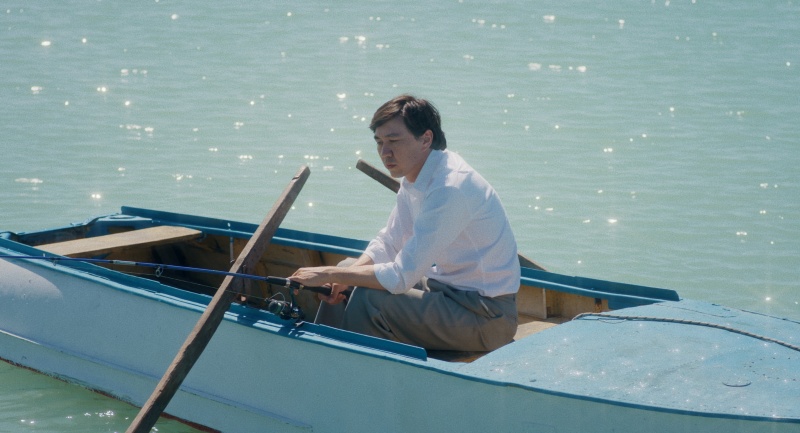
Zhandos, a music teacher, lives in the small town of Balkhash and dreams of moving to a big city. He is loved by his students, and the school turns a blind eye to his side jobs. When a patron nostalgic for his hometown arrives, Zhandos is given the chance to leave and must decide what matters more: the art within him, or himself within art.
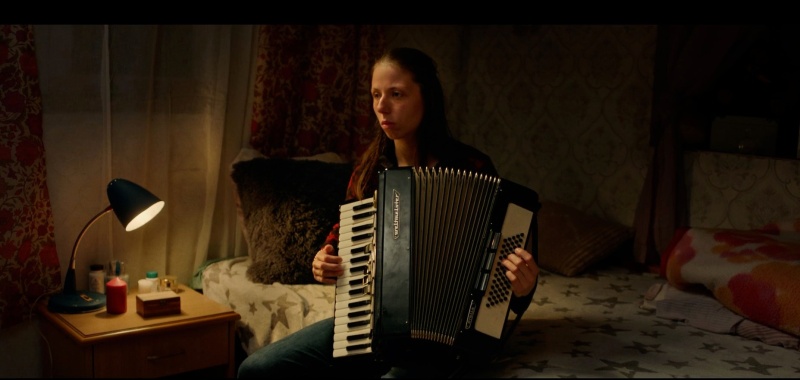
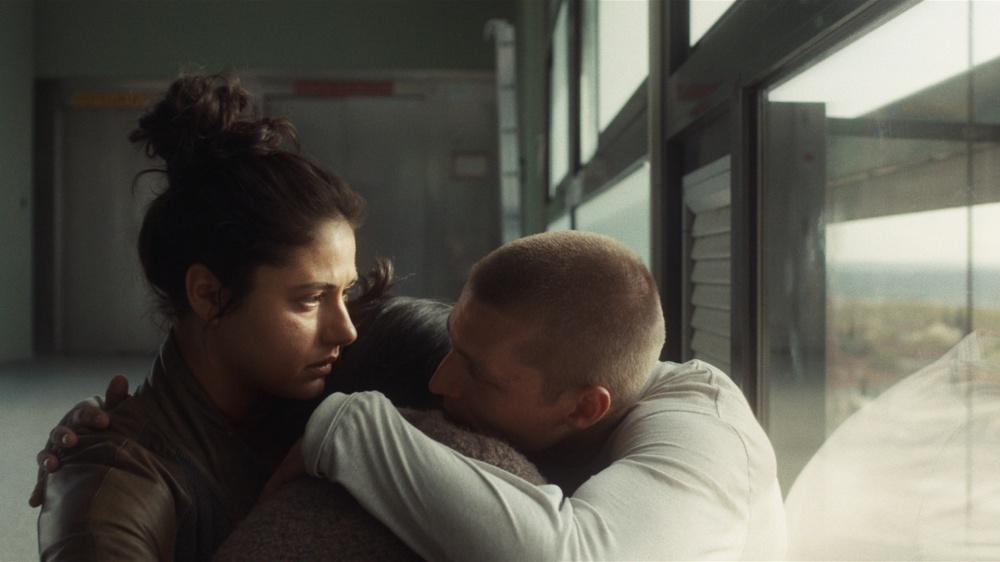
Mima has grown up in the shadow of her father's absence, raised by her uncompromising mother, Boyka. When news of his death arrives and his body returns to their village, recognition becomes both duty and dilemma. As Boyka refuses to face the man she once loved, mother and daughter confront a silent past, forcing Mima to decide what it means to inherit a life she never chose.
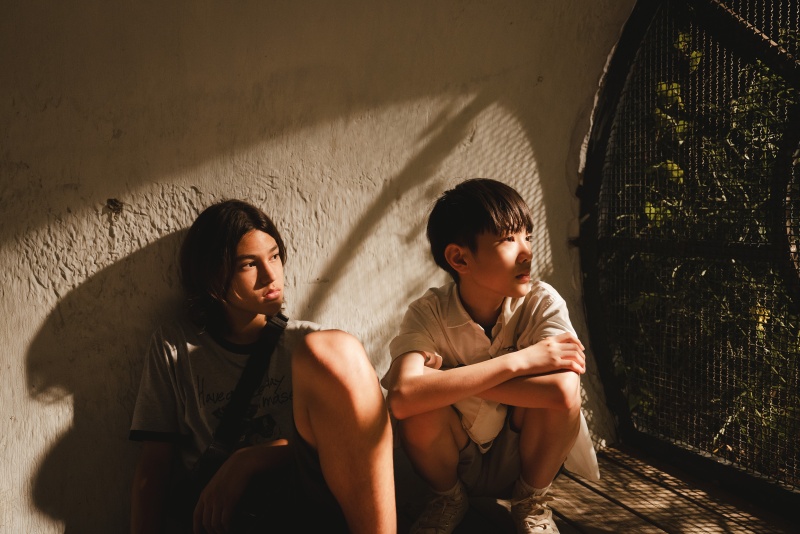
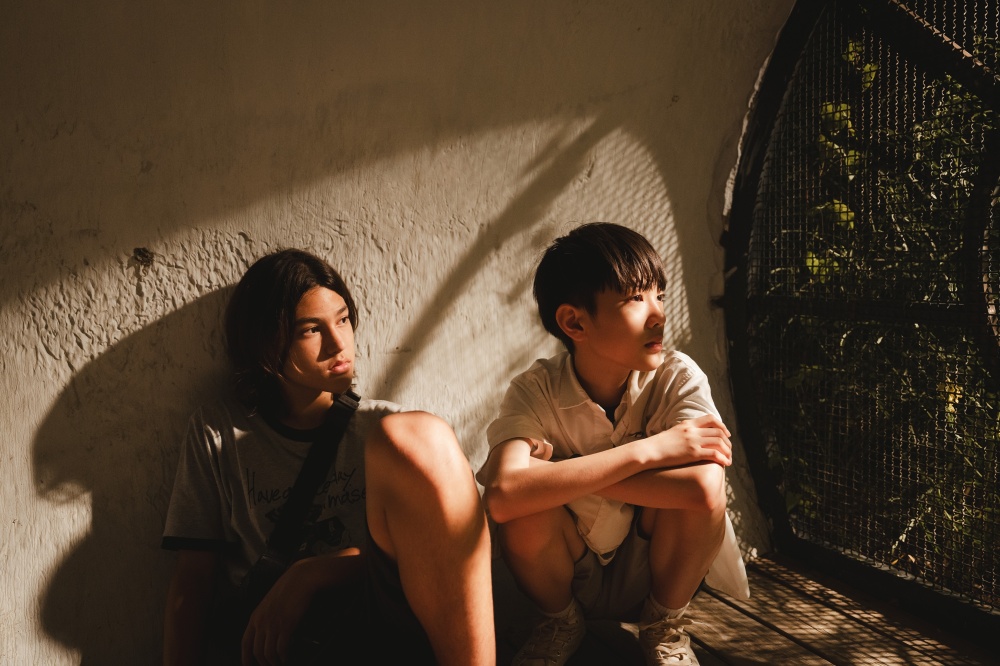
Amid an escalating feud in a rural Taiwanese village, a boy struggles to protect his secret friendship with his Singapore-raised best friend as adult conflicts threaten to tear them apart, while he quietly begins to question the true nature of his feelings for his friend.
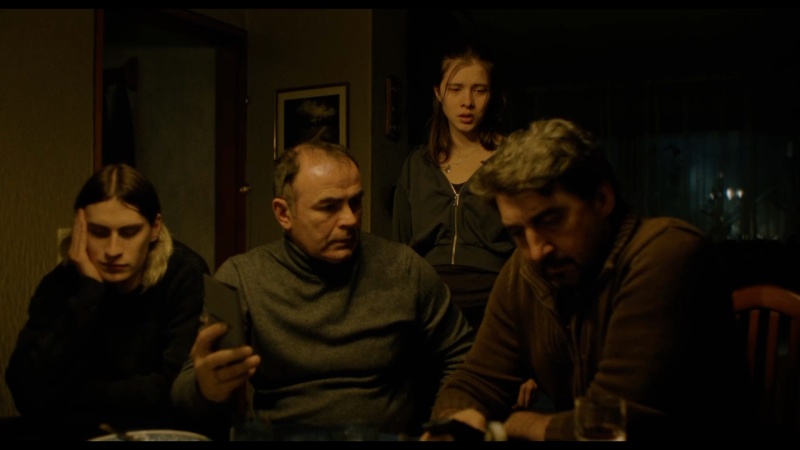
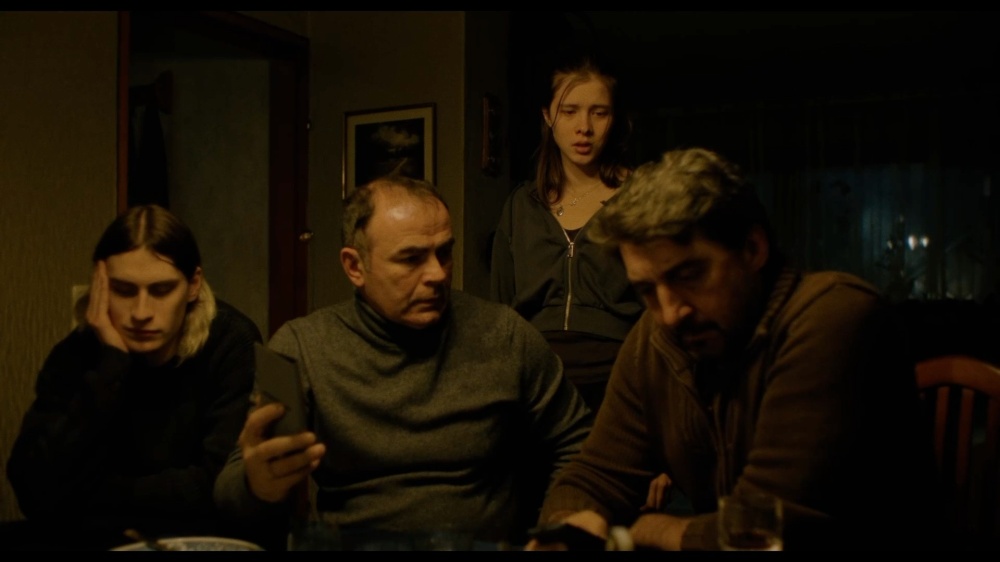
Two different notions of family identity clash when a man from Odesa and his son visit his brother in Germany for the funeral of their mother, the day before the Ukraine war breaks out.
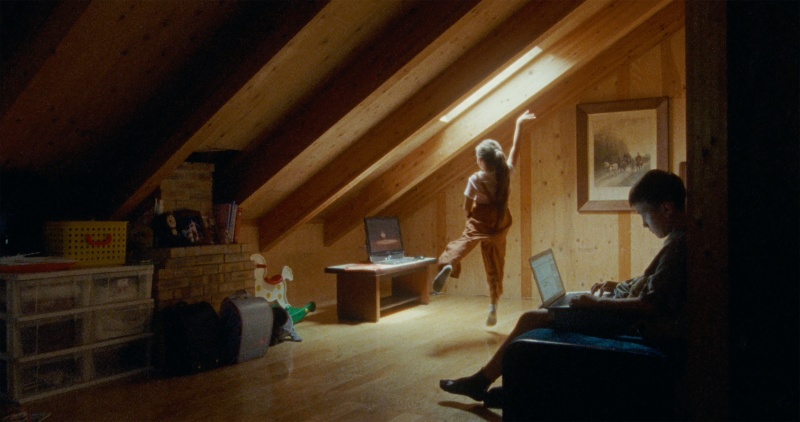
In a provincial Japanese town, Japanese-Russian siblings Nikita and Nina live an isolated life with their Russian grandparents, knowing their absent parents only through stories. When their father Nikolai suddenly returns, he takes them on a journey to see their mother Yuki, a Japanese ballet dancer. Along the way, the children discover unfamiliar landscapes, brief encounters, and the fragile bonds of family.
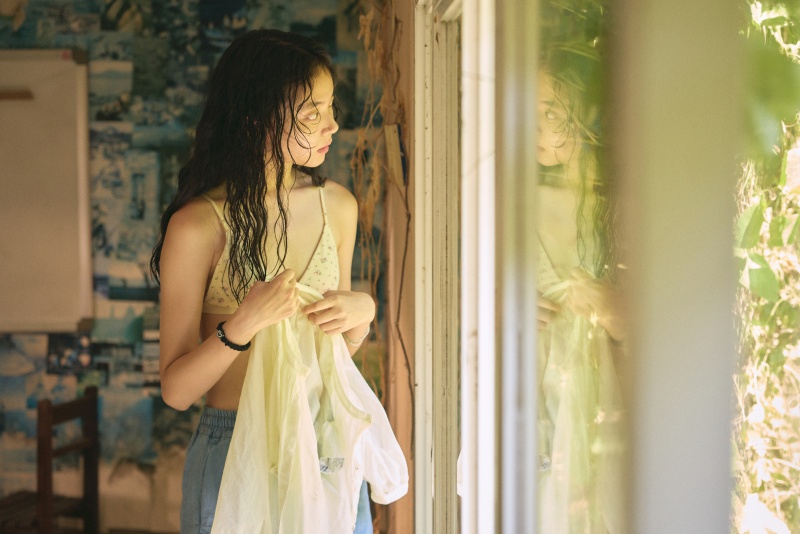
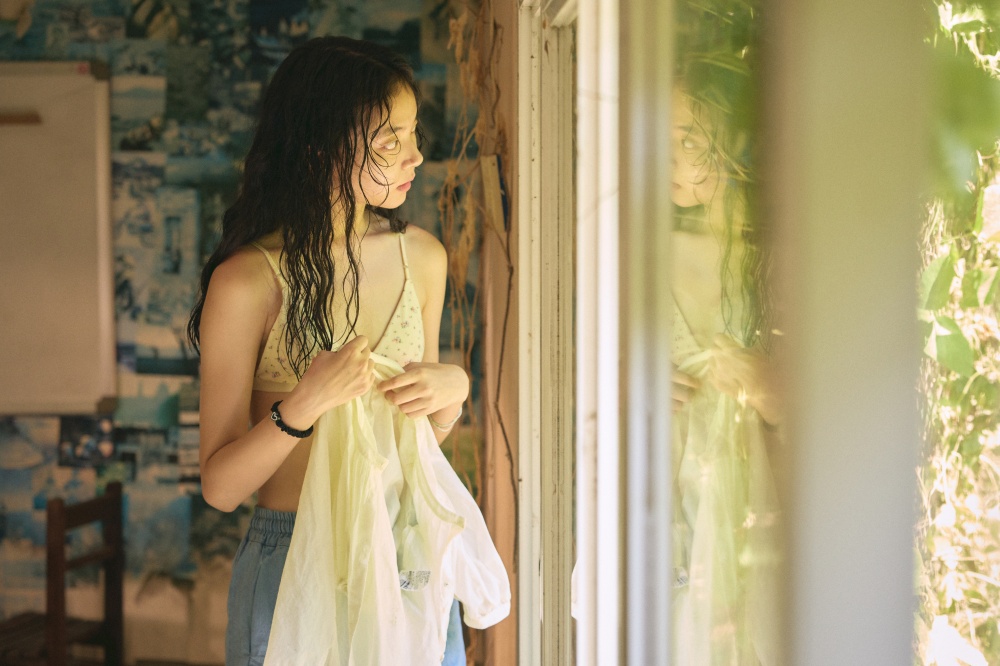
Seventeen-year-old Jin has never left the island where she was born—a place with no road to the mainland, where the sea quietly sets the rhythm of everyday life. When Dujae returns for his grandmother's funeral, he stays alone in the house she left behind. Jin begins finding small excuses to visit him, and little by little, seeing him becomes part of her everyday life. As summer wears on, the island she has always known begins to feel unfamiliar—the roads, the sea, the faces around her, all subtly transformed. Jin finds herself looking at it, and at herself, for the first time. But summer, like everything else on the island, will not stay.
 Videos
 Images






















Monday to Sunday from 09:00 to 14:00
and from 16:00 to 20:00