








Sponsors



Partner



















Z365" or "Festival all year round" is the new strategic point of the Festival in which converge investigation, accompaniment and development of new talents (Ikusmira Berriak, Nest); training and cinematic knowledge transfer (Elías Querejeta Zine Eskola, Zinemaldia + Plus, Filmmakers' dialogue); and investigation, disclosure and cinematic thought (Z70 project, Thought and Discussion and Research and publications).
 Calls for entries - 2026 Log-in to MY FESTIVAL
  Agenda Programme and tickets Search
The closing film will be the non-fiction ‘200 vidas, Paco Rabal’, by Vanesa Benítez
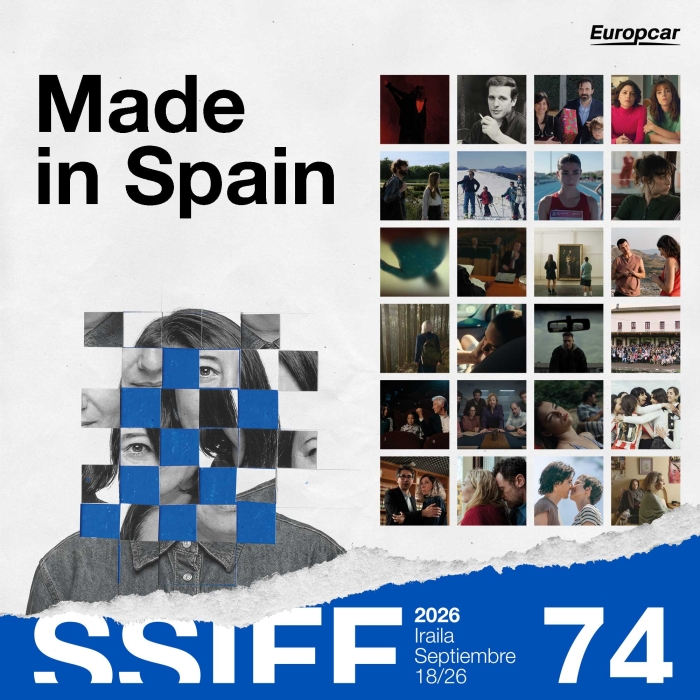


Albert Serra will open Made in Spain with Seize moments de ma vie / Sixteen Moments of My Life, while the other non-fiction, 200 vidas, Paco Rabal / 200 Lives, Paco Rabal, by Vanesa Benítez, will close a section to include more than 20 titles. Figuring among the selected films are three world premieres, two Spanish premieres and ten debut films, as well as the latest works from filmmakers such as Pedro Almodóvar, Isabel Coixet, Víctor García León and Julia de Paz, among others.
Europcar will, from this year, sponsor Made in Spain, which also has the collaboration of the Fundación SGAE.
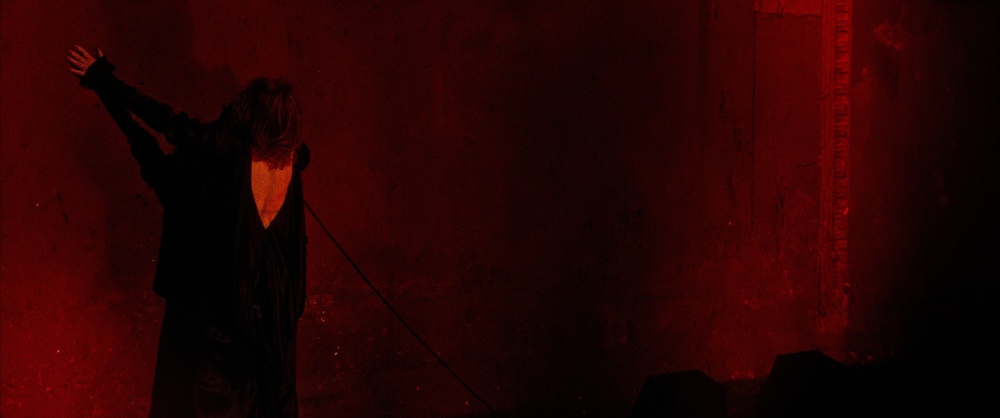
Having carried off the Golden Shell and the Goya for Best Documentary Film with Tardes de soledad / Afternoons of Solitude (2024), Albert Serra (Banyoles, 1975) returns to the Festival with the Spanish premiere of his latest work, Seize moments de ma vie / Sixteen Moments of My Life. The non-fiction feature film, to have its premiere out of competition at the Locarno Festival, is an ode to the life of the German actress and singer Ingrid Caven, who sings about 16 moments in her life at an exclusive concert in the Théâtre des Bouffes du Nord in Paris. A regular in the different sections of the Festival de Cannes, Serra has previously brought other titles to Made in Spain, such as Honor de cavalleria (2006); El cant dels ocells / Birdsong (2008), and Tourment sur les îles / Pacifiction (2022).
The film closing the section will be the world premiere of 200 vidas, Paco Rabal / 200 Lives, Paco Rabal. The director from Seville Vanesa Benítez (Osuna, 1980), nominated for the Best Original Song Goya for La vida chipén (2022), will present this non-fiction in homage to the man who received the Best Actor Award at the first festival in 1953 and the Donostia Award in 2001. Through films made in Super8 and cassettes featuring Rabal’s voice, she brings a tour of the travels, film shoots and festivals at which he was present.
Bárbara Lennie, Leonardo Sbaraglia and Aitana Sánchez-Gijón head the cast of Amarga Navidad / Bitter Christmas. The latest film from Pedro Almodovar (Calzada de Calatrava, 1949), premiered in the official competition at the Festival de Cannes, alternates the stories of a publicist in 2004 and a screenwriter in full creative swing in 2026. The filmmaker with two Oscars to his name received the Donostia Award in 2024 for a film career closely linked to the San Sebastián Festival. Almodovar took his first steps with Pepi, Luci, Bom y otras chicas del montón / Pepi, Luci, Bom (New Filmmakers, 1980) and Laberinto de pasiones / Labyrinth of Passions (Official Selection, 1982), later going on to present La flor de mi secreto / The Flower of My Secret (Official Selection out of competition, 1995), as well as feature films shown in Made in Spain, such as Todo sobre mi madre / All About My Mother (1999), Hable con ella / Talk to Her (2002), La piel que habito / The Skin I Live in (2011), Volver (FIPRESCI Grand Prix 2006) and Dolor y gloria / Pain & Glory (2019).
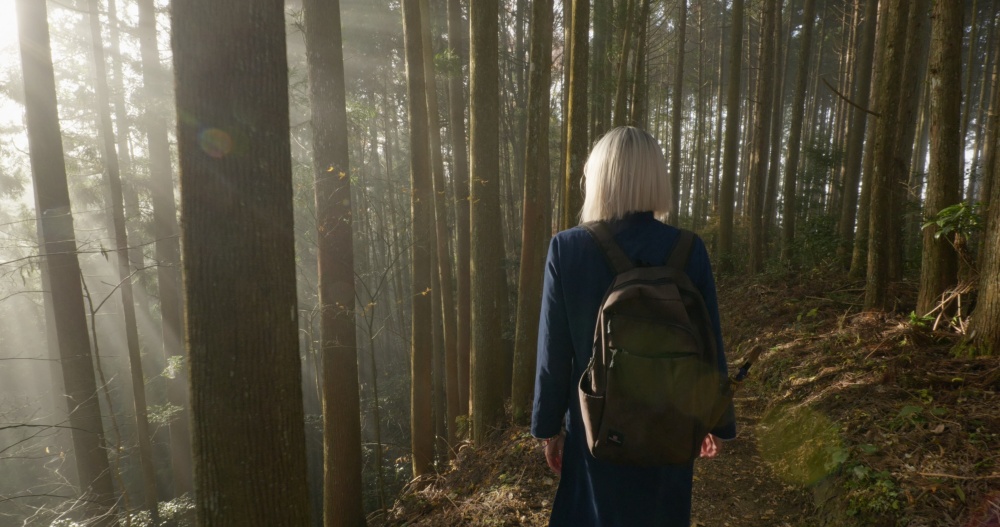
Kotodama, el camino del espejo / Kotodama, The Way of the Mirror is the first work as filmmakers from Eugenio Tardón (Madrid, 1979) and Carla Cañellas (Valencia, 1982), following the journey of a woman between the Camino de Santiago and the Shikoku Henro routes in search of the meaning of Kotodama (the spirit or soul of words) through Japanese calligraphy. Tardón has developed a large part of his career as a director of photography, both in fiction and non-fiction films, the latter including outstanding works such as Geometría del esplendor, Hijas de Cynisca and Maquis, el silencio (coda). Cañellas, for her part, is a plastic and visual artist, and her strong interest in oriental calligraphy and projects in Japan have had their influence on this latest work, to show as a world premiere. As a parallel event, the creators will present at Chillida Leku Museum the exhibition Kokoro no Michi: el sueño de Inari Kuko / Kokoro no Michi: the dream of Inari Kuko, an artistic proposal born from the same creative process as the film and conceived as a self-standing show. The exhibition can be seen throughout the San Sebastián Festival, from 18-26 September. The show includes pieces of video art, photography and drawings which explore pilgrimage, landscape, memory and kotodama, creating a dialogue with the work of Eduardo Chillida and his research into the hand as an instrument of thought, gesture and knowledge of the world.
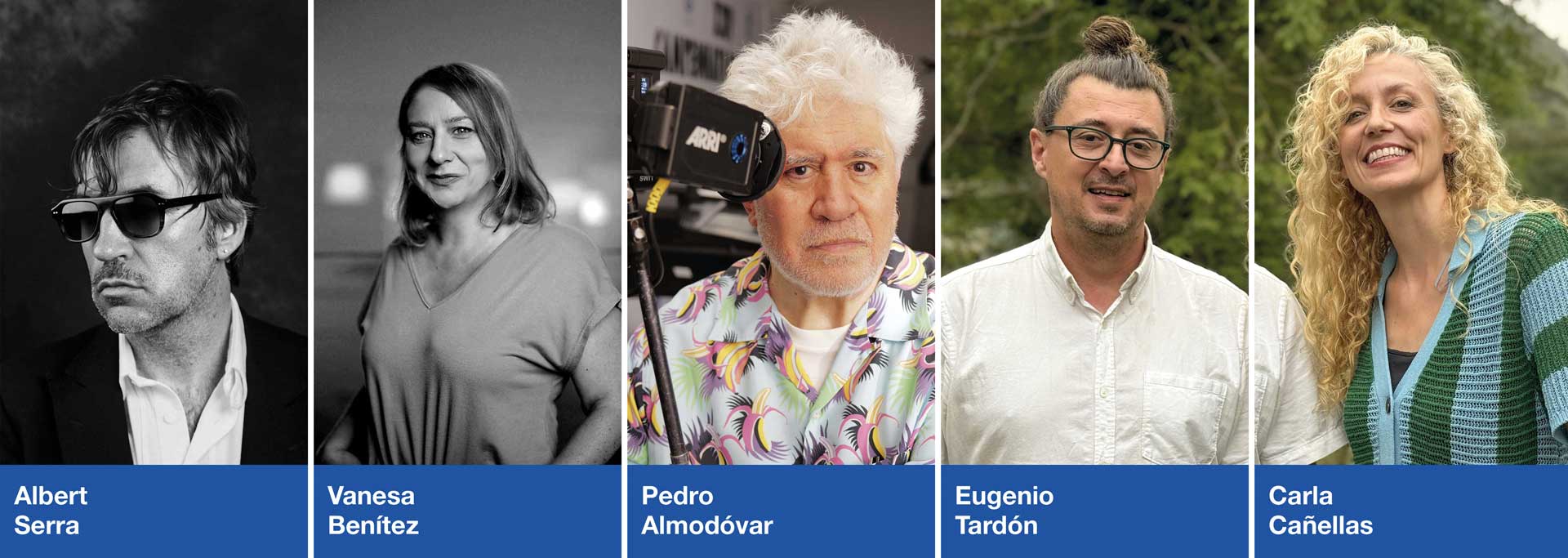
Having screened at the Semaine de la Critique in Cannes and winning the Prix Fondation Louis Roederer Rising Star award, the Catalan actress, director, screenwriter and producer Aina Clotet (Barcelona, 1982) will show Viva / Alive, her feature film debut, in San Sebastián. The film accompanies a woman who recently beat breast cancer in her pressing need to live intensely and keep her thoughts from turning to death. Her first series as a filmmaker, Esto no es Suecia, in which she also had the starring role, earned Clotet a recognition from the Canneseries, as well as the Ondas Prize for Best Comedy Series.
Isabel Coixet (Sant Adrià de Besòs, 1960) will present Tre ciotole / Three Goodbyes, following its premiere at Toronto Festival in 2025, a film showing how what seemed like a trivial argument between a couple brings their relationship tumbling down and turns their lives upside down. Coixet, who received the National Cinematography Prize in 2020 and has six Goya Awards, is a long-standing regular at the Festival, where she made her debut with Demasiado viejo para morir joven / Too Old to Die Young (New Directors, 1989) and to which she returned with Ayer no termina nunca / Yesterday Never Ends (Made in Spain, 2013); The Bookshop (Made in Spain, 2018), Spain in a Day (TVE Screenings, 2016), El techo amarillo / The Yellow Ceiling (Official Selection, out of competition, 2022) and Un amor / A Love (Official Selection, 2023).
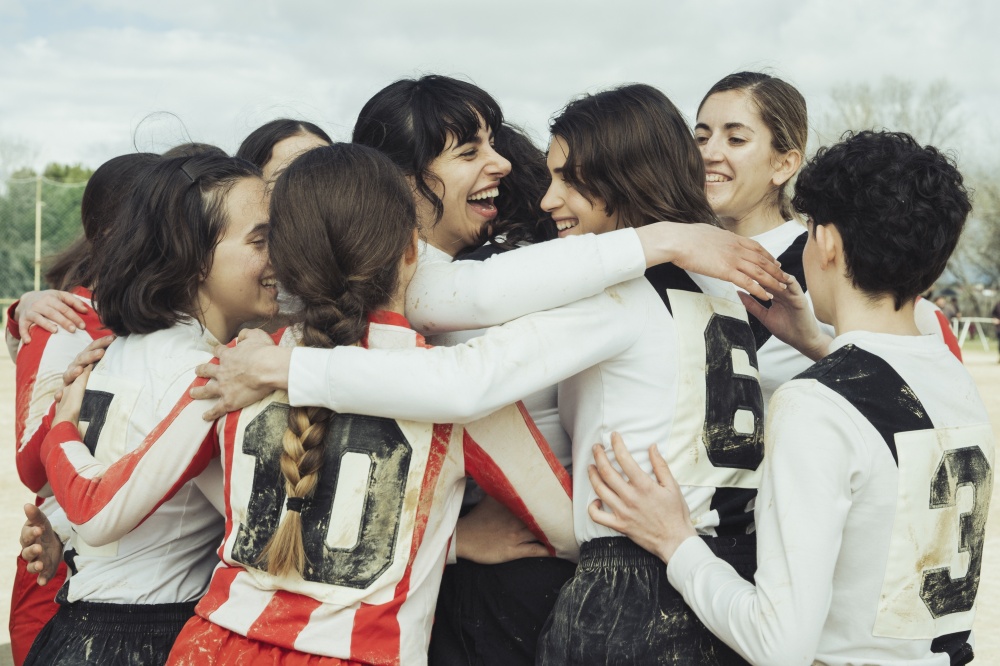
Pioneras. Solo querían jugar / Another League is the third feature from Marta Díaz de Lope Díaz (Ronda, 1988). The film, winner of the Audience Award at the Málaga Festival, tells the story of a group of women and an idealistic sports promoter who join forces in full swing of Franco’s regime to lay the foundations of what is today women’s football in Spain. The filmmaker from Málaga returns to the San Sebastián Festival, where she presented Mi querida cofradía / Hopelessly Devout (Made in Spain, 2018).
Cristina Diz (Barcelona, 1983) and Stefan Butzmühlen (Pegnitz, 1982) will present their second feature film, Die gäste / The Guests, which competed in CineCoPro at the Munich Festival and is now having its release in Spain. The film takes the shape of a road movie set within the drama of a young couple played by Greta Fernández and Jan Bülow as they travel from Cologne to Galicia in the 70s. The Spanish-German duo premiered their debut film, Sleepless Knights (2012), at the Berlinale.
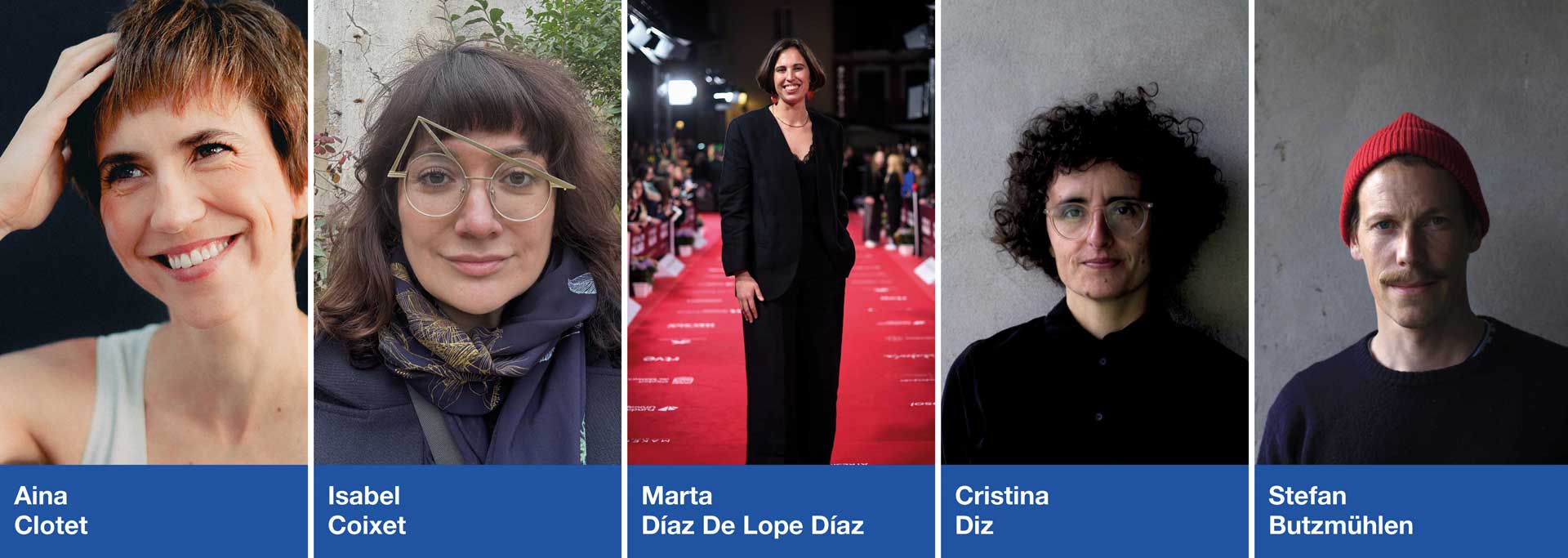
Having competed at Málaga Festival, Bàrbara Farré (Barcelona, 1994) presents her debut film Mala bèstia / Bad Beast, in which she captures a young girl’s fear when a couple decide to foster her and take her out of the boarding school in which she lives. The screenwriter, director and producer, who has developed a good part of her career as a producer of music videos and commercials, harvested several accolades for the short film La última virgen (2017) which she made as her graduation project.
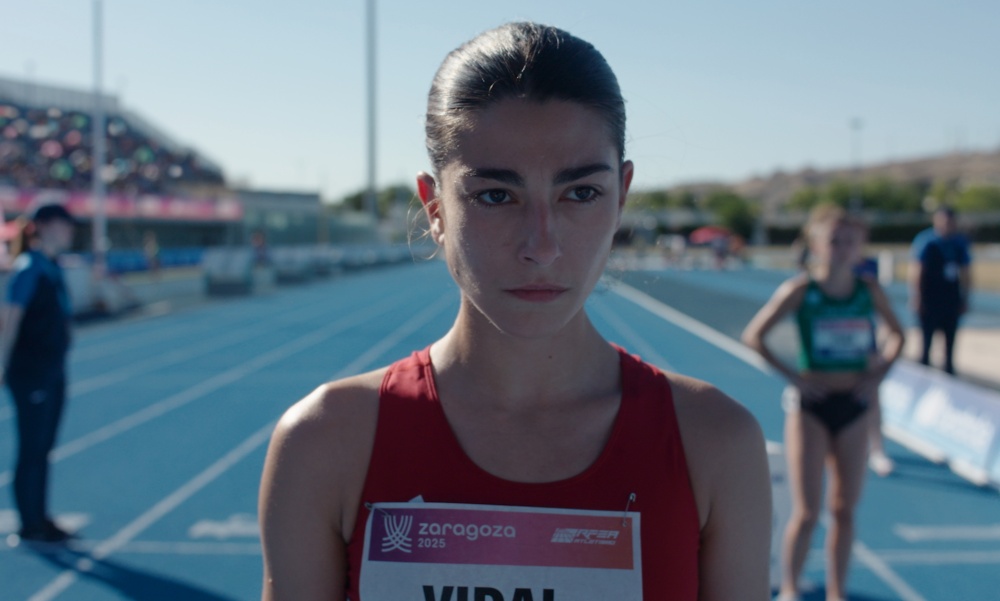
Laura García Alonso (Madrid, 1990), who presented her short film Alex (2014) in Nest and took her professional first steps as an assistant director on productions by Pedro Almodovar and Ridley Scott, makes her debut in full-length films with Corredora / Runner. Having carried off the ASECAN Debut Film Award in Málaga, the San Sebastián Festival will screen the tale of an elite runner forced to step away from high-level competition following a psychotic episode.
Premiered in Málaga and starring Marian Álvarez, Israel Elejalde and Juan Diego Botto, Altas capacidades / Better Class follows the social aspirations of a couple who enrol their son at an elite school. Víctor García León (Madrid, 1976), who showed his debut, Más pena que gloria (2001) in Made in Spain, landed the Silver Shell and Goya for Best Actor going to Juan Diego for Vete de mí (Official Selection, 2006). He has also presented other of his works in Made in Spain, including Hay motive / There is Good Cause (2004) and Selfie (2017).
Having harvested twelve awards and one Goya nomination for Maruja, her first short film and Loterías Award in 2025, Berta García Lacht (Barcelona, 1993) will show in San Sebastián her first feature film, premiered in Málaga. La vida és Verdi / Life is Verdi takes the opportunity of the Cine Verdi’s 100th anniversary to pay homage to Barcelona’s longest-running cinema.
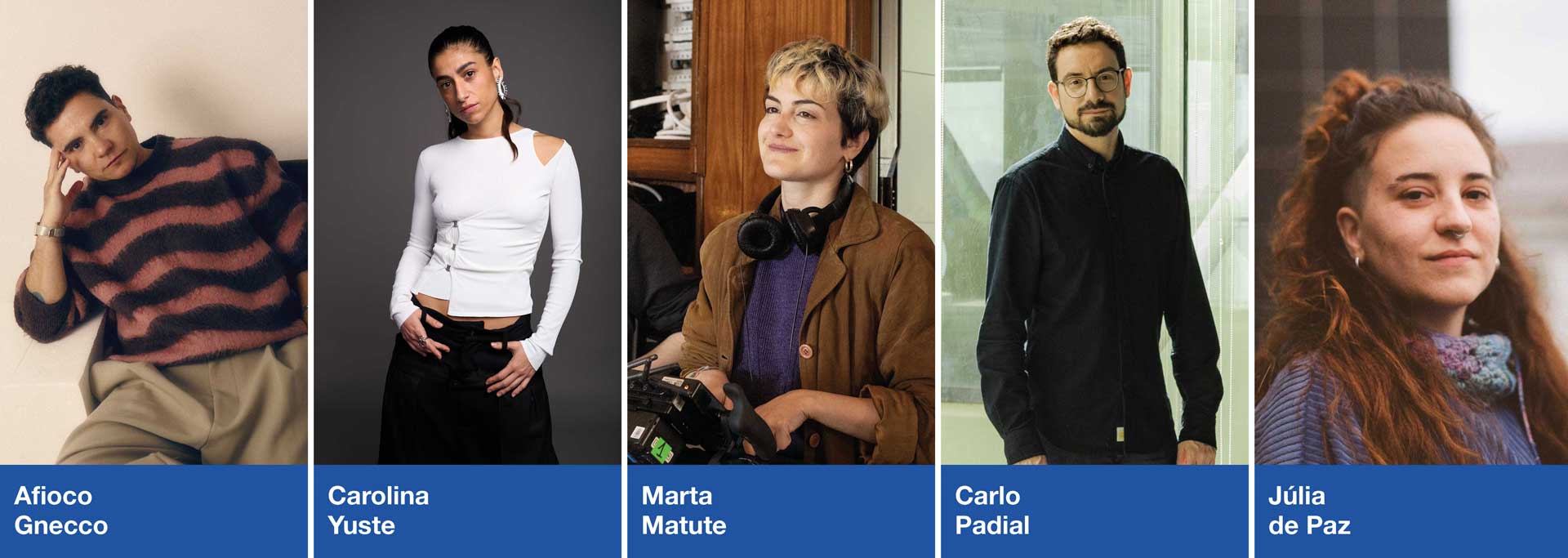
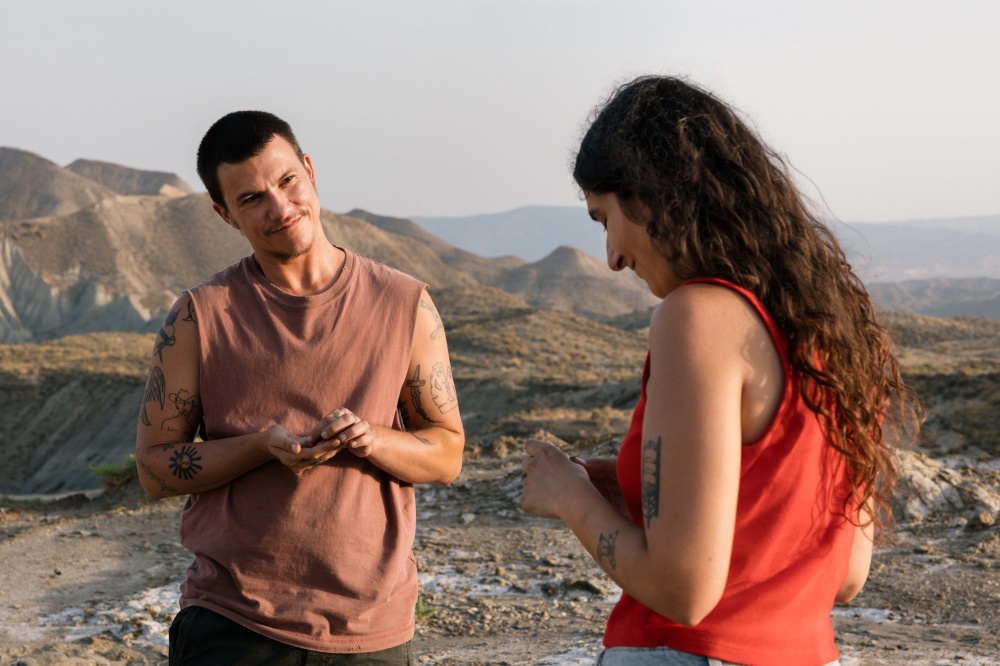
After co-directing the Goya-nominated short film Ciao Bambina (2024), Chilean director Afioco Gnecco (Valparaíso, 1979) and Carolina Yuste (Badajoz, 1991), director and actress, winner of two Goya Awards, join forces once again to present their feature debut. Este cuerpo mío / This Body of Mine, a non-fiction shown at the Valladolid Festival tells the tale of two youngsters who find a haven in their friendship during the early years of Rafael’s gender transition.
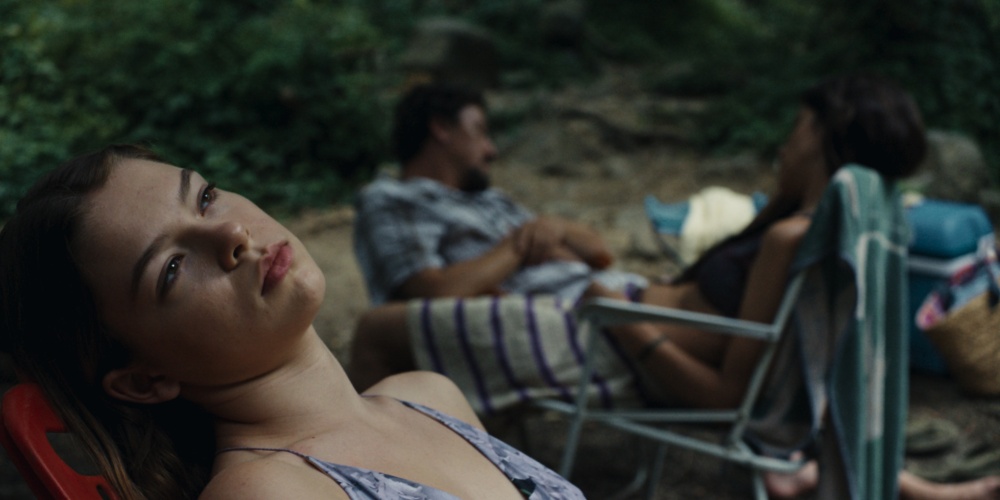
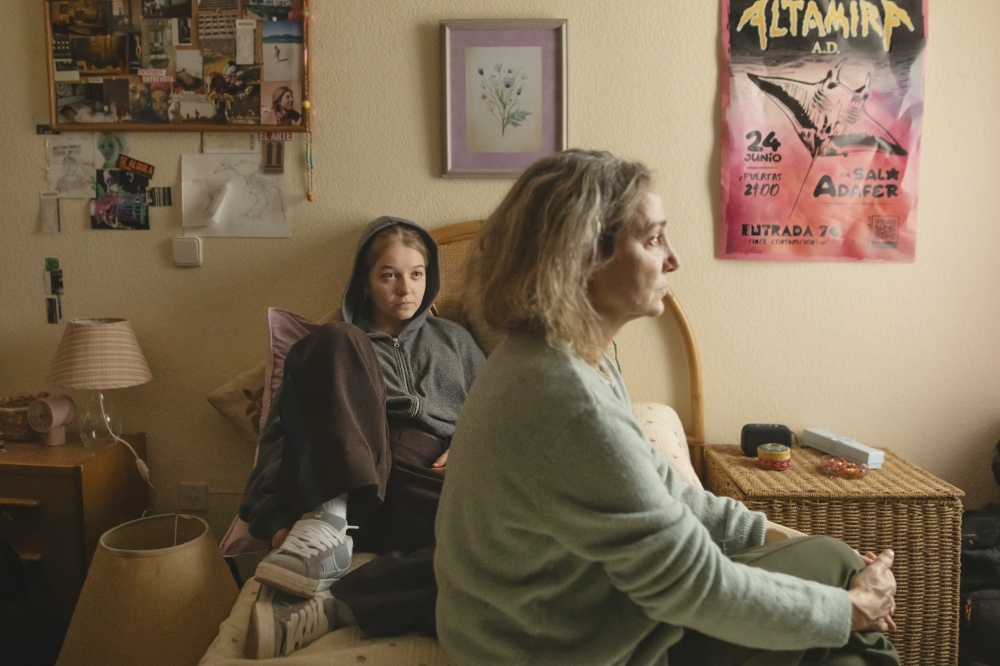
Yo no moriré de amor, the first feature film from Marta Matute (Madrid, 1988) addresses the challenges faced by an adolescent when her mother falls ill and she is torn between family duty and the desire to enjoy her youth. This debut film from the Madrid filmmaker had its premiere at the Málaga Festival, where it won the Golden Biznaga for Best Spanish Film and the Silver Biznagas for Best Leading Actress for Júlia Mascort and Best Supporting Actor going to Tomás del Estal.
Judit Martín and Berto Romero head the cast of Pizza Movies, a comedy from Carlo Padial (Barcelona, 1977) premiered in competition at Málaga in which a cultural journalist, tired of her job, convinces her husband to open a movie-themed pizzeria. The Catalan filmmaker, screenwriter and writer has directed Mi loco Erasmus (2012), Algo muy gordo (2017) and Vosotros sois mi película (2019), as well as several series, podcasts and music videos.
Having bagged the Grand Prix for the Best Film, the award for Best Actress going to Kiara Arancibia and the Audience Award at the Tallinn Black Nights Film Festival, and having shown at the Málaga Festival, Júlia de Paz (Sant Cugat del Vallès, 1995) will present La buena hija / The Good Daughter, based on her short film Harta (2021). The story tells the tale of a young girl who moves into her grandmother’s home with her mother after her parents’ divorce. The Catalan filmmaker, who has shown in Made in Spain Ama (2021) and the omnibus film La filla d’algú (2018), is the co-creator of Querer (Official Selection, out of competition, 2024) directed by Alauda Ruiz de Azúa.
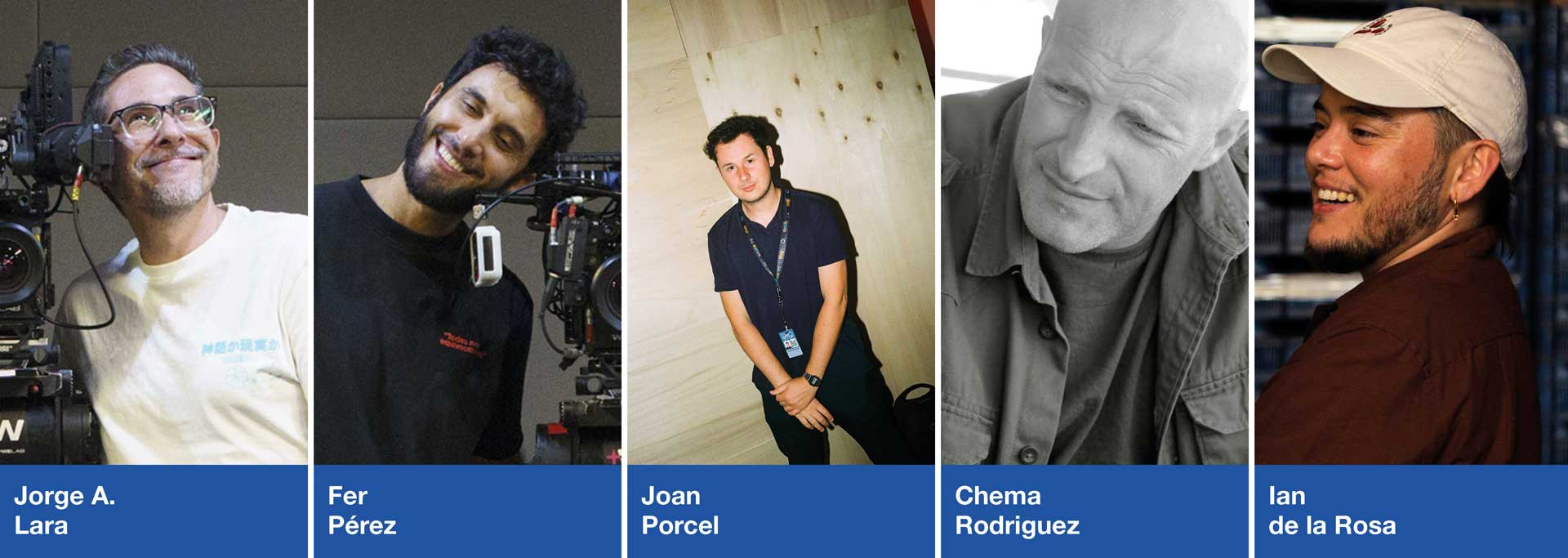
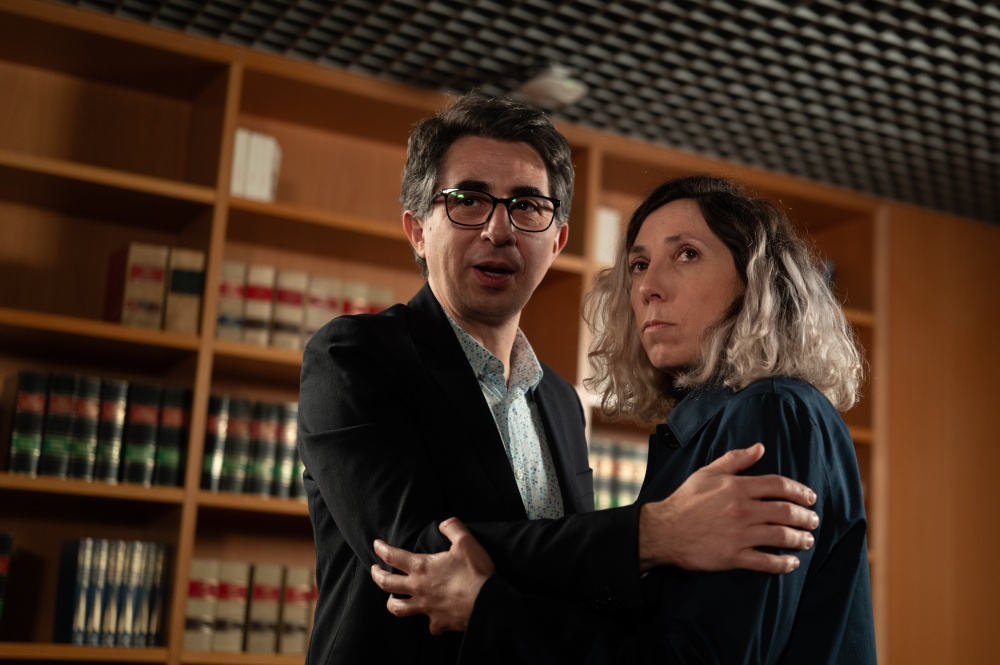
The screenwriters of the series Aída Jorge A. Lara (Zaragoza, 1974) and Fer Pérez (Seville, 1983) bring their feature debut with Los justos / The Righteous. The film, premiered at Málaga Festival out of competition, narrates the confusion of a citizens’ jury who are offered a bribe to change their vote, precisely during the trial for a corruption case. The cast features faces including Carmen Machi, Vito Sanz and Ane Gabarain. Lara is also behind the script of Los hombres de Paco and of the films Zipi y Zape y el club de la canica / Zip & Zap and the Marble Gang (2013), and its sequel Zipi y Zape y la isla del capitán / Zip & Zap and the Captain’s Island (2016). Pérez, for his part, put his name to the screenplay of Kiki el amor se hace (2016) and Arde Madrid (2018), both directed by Paco León.
Having won the Silver Biznagas for Best Spanish Film and Best Leading Actor in the Zonazine section at Málaga Festival, La carn, by Joan Porcel (Palma, 1994) will show in San Sebastián. The film focuses on the tale of a young dancer who creates a performance on a platform, only to find that the line separating his online existence from his real life becomes blurred to such an extent that it leaves an irreparable mark. The director from Mallorca has also directed the non-fiction feature films Samantha Hudson: una historia de fe, sexo y electro-queer (2018) and Sempre Dijous (2020).
Chema Rodríguez (Seville, 1967) proposes, with El abrazo de los peces (15 años después), a sensory journey into the depths of deafblindness, turning the spotlight on several users of the only specialised centre in Spain, and for whom hugs are vitally important. After premiering the film in Málaga, the Andalusian filmmaker returns to Made in Spain, where he formerly showed Estrellas en La Línea (2006), El abrazo de los peces / The Embrace of the Fish (2011) and Orgullo vieja (2024).
Having won the Teddy Award at the Berlin Festival, as well as the Special Jury Prize, the Silver Biznaga for Best Screenplay and a Jury Special Mention going to the actor Silver Chicón in Málaga, Ian de la Rosa (Almería, 1988) will show his debut Iván & Hadoum in San Sebastián. The film narrates the tale of a couple who fall in love while working in a greenhouse, only to have a long-awaited promotion interfere in their relationship. The Andalusian director, recognised in Cannes for his short film Víctor XX (2015), winner of the Gaudí Award and nominated for the Goya for Farrucas (2021), also wrote the script for the series by Javier Ambrossi and Javier Calvo, Veneno (2020), as well as having directed its spin-off, Vestidas de azul (2024).
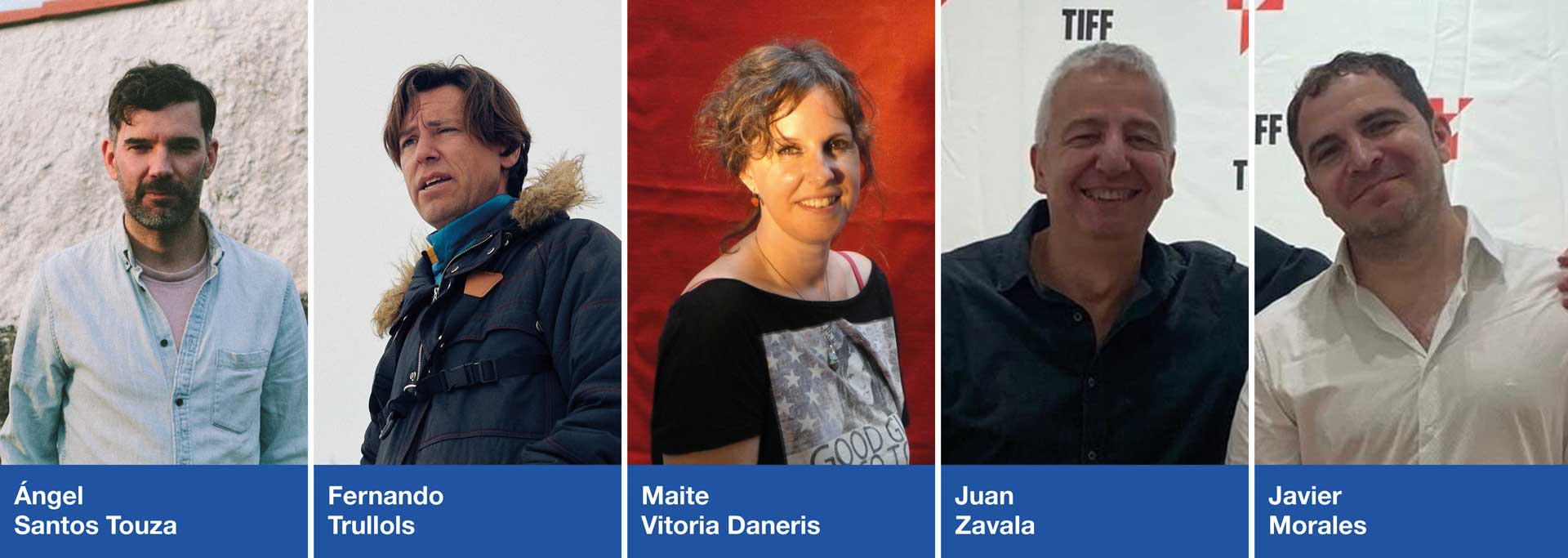
Winner of the Best Director Award at the Gijón Festival, Así chegou a noite / And So the Night Fell is the third feature film from Ángel Santos Touza (Marín, 1976), who has made several short films and one non-fiction feature film. The Galician director will make his first appearance in San Sebastián with this film accompanying a sculptor in his isolation as he sets up his studio in a remote rural area on the Galician coast, until one day his past knocks at the door.
After having worked as an assistant director on films such as Los ojos de Julia / Julia’s Eyes (Guillem Morales, 2010) and A Monster Calls, by J.A. Bayona (Official Selection out of competition, 2016), Fernando Trullols (Barcelona, 1977) will screen his debut film in San Sebastián. Balandrau, vent salvatge / Balandrau, Where the Fierce Wind Blew takes the viewer to December 2020, when a group of friends set out to climb the Balandrau peak as a fierce wind unleashes the worst storm in the history of the Pyrenees. The Catalan director and screenwriter also won the Goya for Best Fiction Short Film with El barco pirata (2012).
La patria de los heladeros / Homeland of the Ice Cream Sellers is the second feature film from Maite Vitoria Daneris (Madrid, 1978), a non-fiction recovering the history of how the people of the Pasiego Valleys turned the French ice-cream world on its head, tracing a route born in Cantabria. The filmmaker and producer from Madrid landed, with her debut film El lugar de las fresas, several awards including two prizes at the Turin Film Festival (2013), the Grand Prix in the documentary section of the Annecy Italian Film Festival, and the Caracola Award for Best Documentary Feature at the Alcances Film Festival in Cádiz (2016). In 2017, the film was translated into four languages and taken to 23 countries by the Instituto Cervantes.
The journalist, screenwriter and director Juan Zavala (Tolosa, 1964) and the creative director and filmmaker Javier Morales (Madrid, 1973) are the screenwriters and directors of El otro Chiquito, a film based on an original idea by the screenwriter and creator Diego San José (Irun, 1978), which will screen as a world premiere and recalls the comedian idol of the 90s, Chiquito de la Calzada, who was faced with the appearance of Lucas Grijander, a disturbingly similar character, played by the humourist Florentino Fernández. Zavala and Morales directed El Crítico (Made in Spain, 2022) and, as producers or screenwriters, have worked together on productions such as Regreso a Viridiana (2011), winner of the Goya for Best Documentary Short Film in 2012; El último adiós de Bette Davis (Zabaltegi, 2014) and Nostromo: el sueño imposible de David Lean (2019).
These 24 titles, and the odd addition which may join them in the coming weeks, complete the non-competitive section showcasing a selection made from the year’s panorama of Spanish films, with productions released or not in Spain, to which the Festival offers a platform for their international dissemination. From this year on, in addition, Europcar will sponsor the Made in Spain section. The vehicle rental company with presence in more than 130 countries will offer those attending the San Sebastián Festival a 10% discount on their bookings worldwide, plus benefits such as online check-in and free cancellation until 48 before collecting their vehicle.
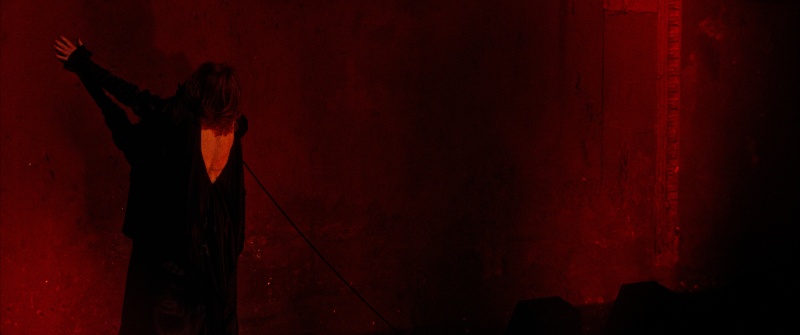
In a thrilling gesture, Ingrid Caven and the Molforts band from Banyoles find themselves at a unique, cathartic and anarchic concert commemorating a whole life dedicated to art. Far from being a crepuscular recapitulation or the testament of a career, Seize moments de ma vie / Sixteen Moments of My Life celebrates avant-garde panache, creative drive and inspiration turning into an unrepeatable experience.
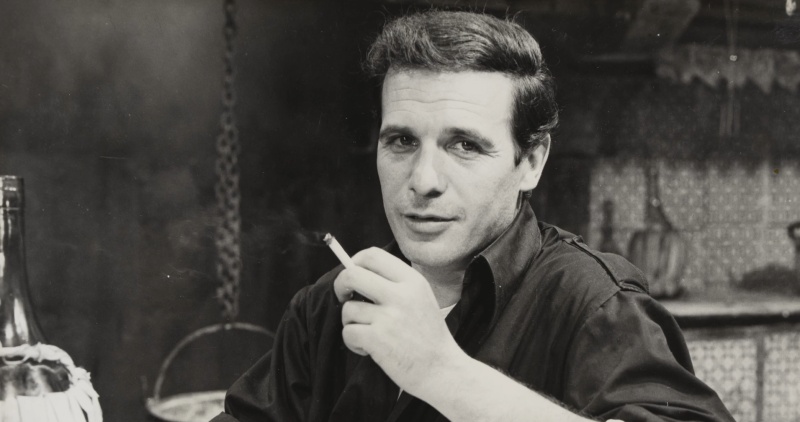
Through cassette recordings of his voice and the super8 films of his travels, film shoots and festivals he would attend despite his political engagement as a screen idol of the Franco era, Paco Rabal (Best Actor Award at the first San Sebastian Festival in 1953 and Donostia Award in 2001) looks back at his life, regrets and contradictions. An impressive list of films recalling the time of his death in Bordeaux, like Goya, the man he played several times. In San Sebastián, he enjoyed success alongside Rafael Gil, Lucas Demare, León Klimovsky, Pedro Olea and Jaime de Armiñán.
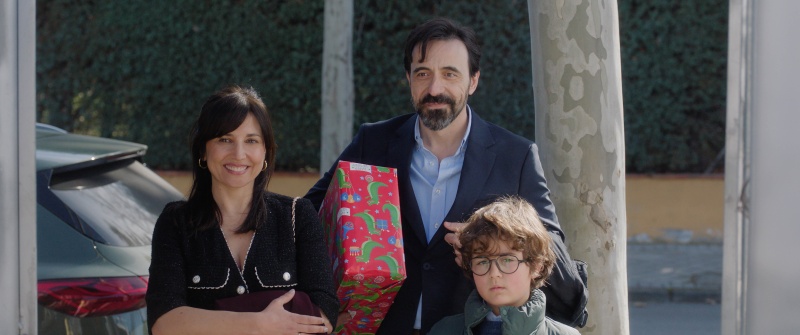
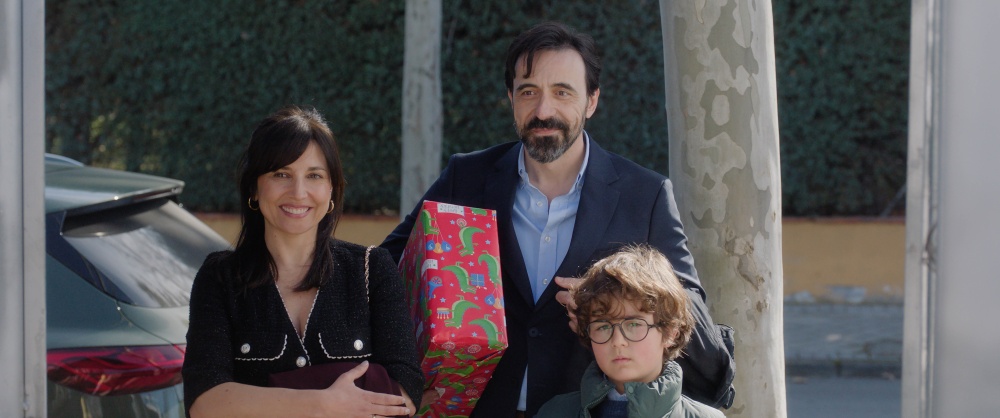
Alicia and Gonzalo, a middle-class couple, have the chance to enrol their son Fer in an elite secular school. For the parents, it means a glimpse into the upper class, new friendships, higher incomes, countless advantages. They say they’re doing it for their son. In this wonderful contradiction between their fears and moral principles, the couple's high aspirations will show how far they are prepared to go to climb the class ladder.
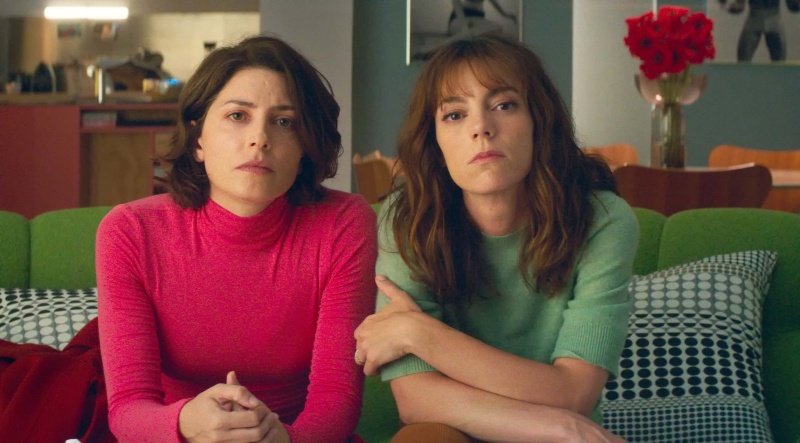
Bitter Christmas alternates the stories of Elsa, an advertising director, during a long weekend in December 2004, and Raúl, who in 2026 is writing a script that we soon discover is the story of Elsa. The film narrates the close relationship between reality and fiction, between inspiration and life, addressing the debate on the limits of autofiction.
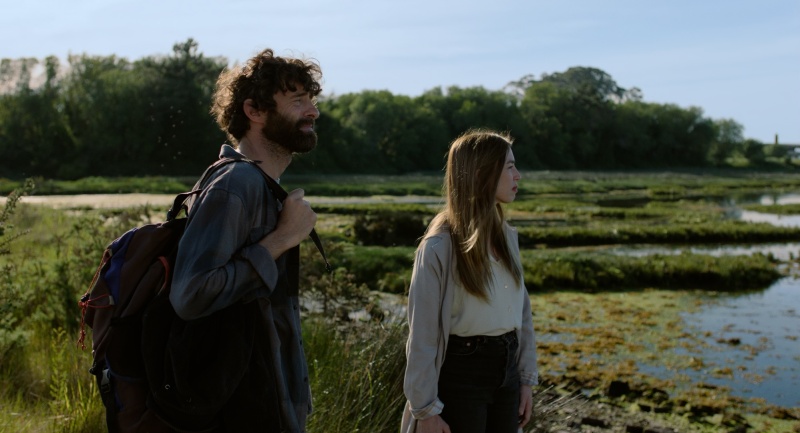
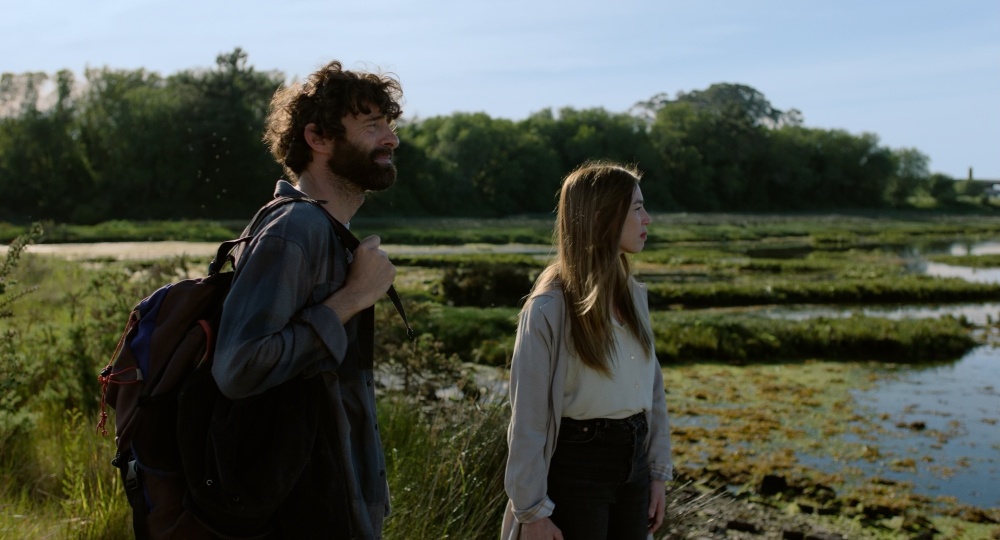
Pablo is a sculptor. His work focuses on making pieces with ceramic cast-offs. Disillusioned, looking for a change of direction, he sets up his studio in a remote rural area on the Galician coast. Gradually, almost without noticing, he withdraws from his previous life, isolating himself and cutting all contact with friends and family. Yet the peninsula's marshy landscape, dotted with the chimney stacks of former tile manufacturing companies and out-of-season campsites, holds a powerful attraction for him.
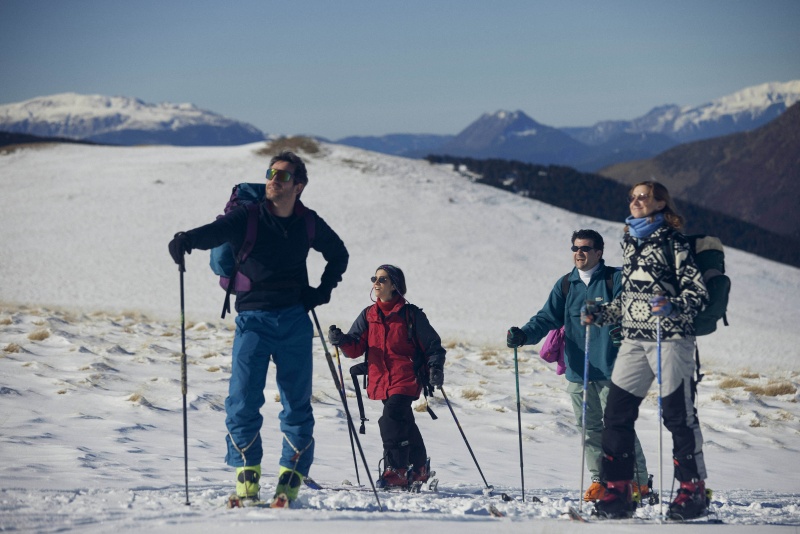
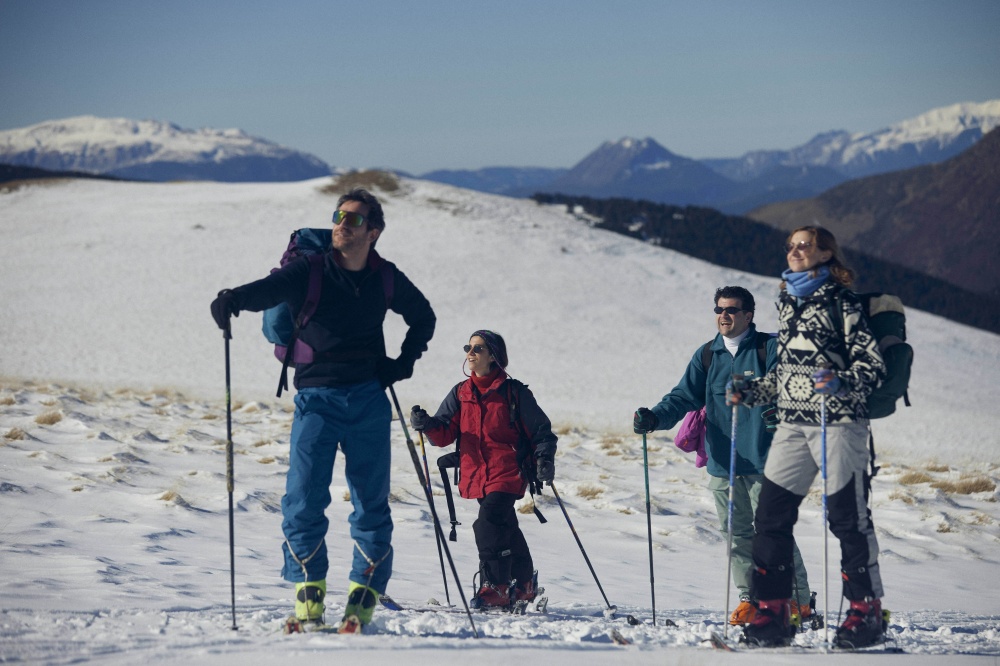
On 30th December, 2000, a group of friends sets out to climb the Balandrau mountain. Sun accompanies the mountaineers until, in a matter of minutes, everything takes a dramatic turn. A fierce blizzard known as a torb unleashes the worst storm in the history of the Pyrenees.
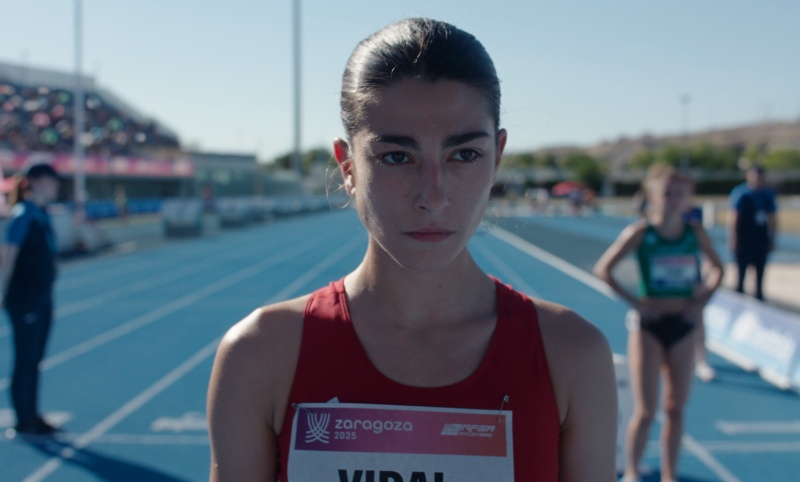
Cris, an elite runner, suffers a psychotic episode that forces her to step away from high-level competition. Not everyone around her will be able, or know how, to help, but Natalia, her sister, will become her safe space as she learns to accept her condition and redefine the pace of her life.
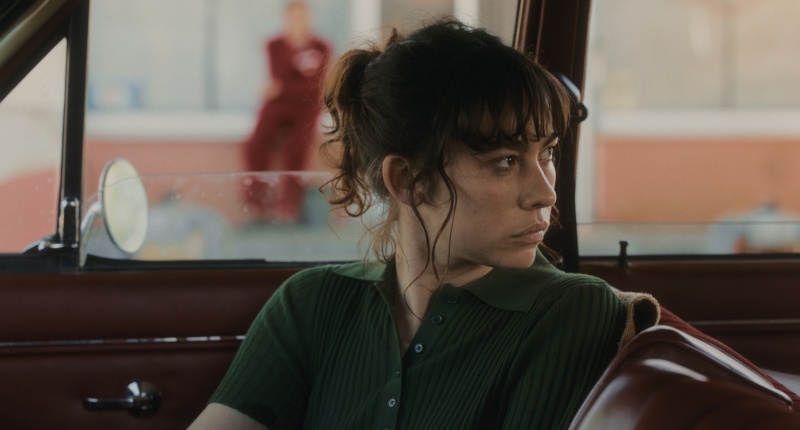
West Germany, 1973. Iria and Hajo are in love. When Iria’s mother has a severe accident at the car factory where she works, Iria resolves to bring her back to the little village in the Galician mountains they both left many years ago. Hajo, eager to prove his solidarity, offers to drive. A road trip that begins as an act of hope soon begins to expose the rifts between the young couple. A film about power dynamics that connect the living with the dead, women with witches, and the past with the present.
Can a fish learn to hug? Why are deafblind people happy underwater? El abrazo de los peces / The Embrace of the Fish is a sensory journey into the depths of deafblindness. The Santa Ángela de la Cruz Centre is the only residential centre for deafblind people existing in Spain, and one of the few in the world. There, on that bubble planet, live Juande, Victoria, Cristian, Clara, Jose Luis... whose singular feature is that they are deafblind people.
In 1995 Chiquito de la Calzada was an indisputable idol. His humour and language caught on in Spanish society, causing furor in an entire generation. One night, Spain's most popular TV show presented Lucas Grijander, a disturbingly similar character. This was the start of a nightmare for Gregorio Esteban who felt that his identity had been usurped, giving rise to an unusual dispute: Chiquito vs Lucas Grijander. A struggle for ownership of a cultural phenomenon and for one man's survival.
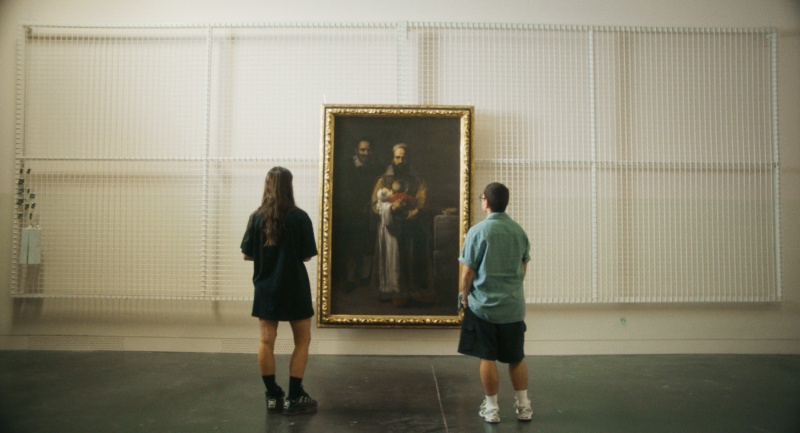
United by an unbreakable friendship, Rafael and Carolina embark on an emotional and geographical journey in search of reconciliation and acceptance. Along the way, we follow Rafael through the early years of his gender transition: an intimate process, full of challenges, discoveries, and small victories that bring him closer to that square meter of peace he so deeply longs for. A light-filled story in which friendship becomes a refuge and the personal expands until it becomes universal.

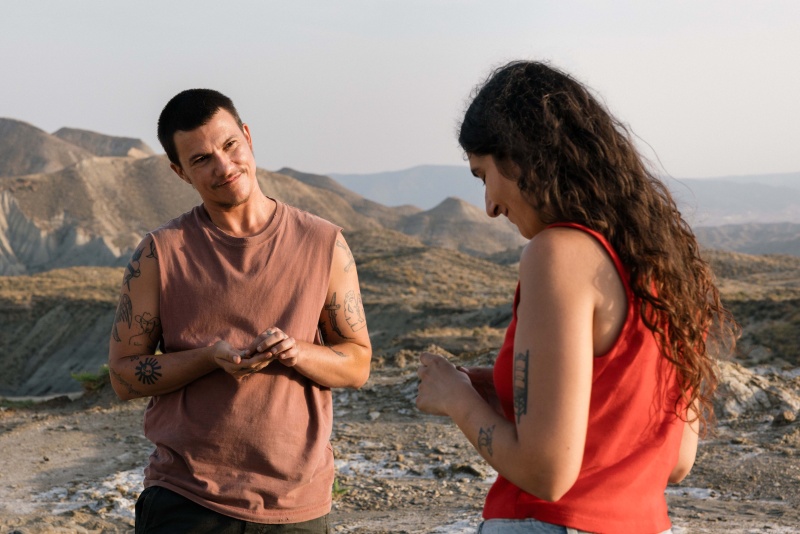
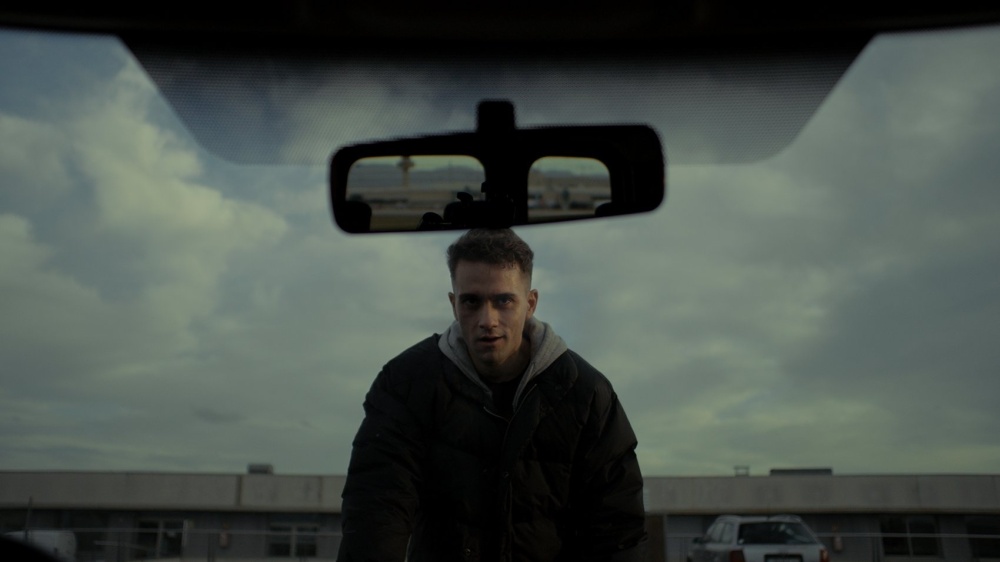
In a greenhouse in southern Spain, Iván falls in love with his newly hired co-worker, Hadoum. But his long-awaited promotion interferes with their relationship, forcing Iván to decide what kind of person he wants to be.
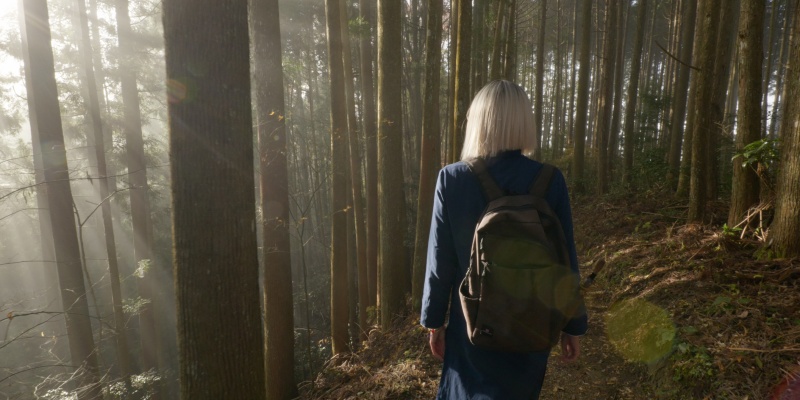
lnari sets out on a journey to discover the meaning of Kotodama, delving into Japanese art and calligraphy, while following the routes of the Camino de Santiago, in Spain, and the Shikoku Henro, in Japan. On his way, the action of walking and the calligraphic line reveal themselves to be the expressions of a same idea: the way as a process. Pilgrims, monks, artisans and calligraphers become the voices of a universal history, creating a bridge between the past and the present, East and West.
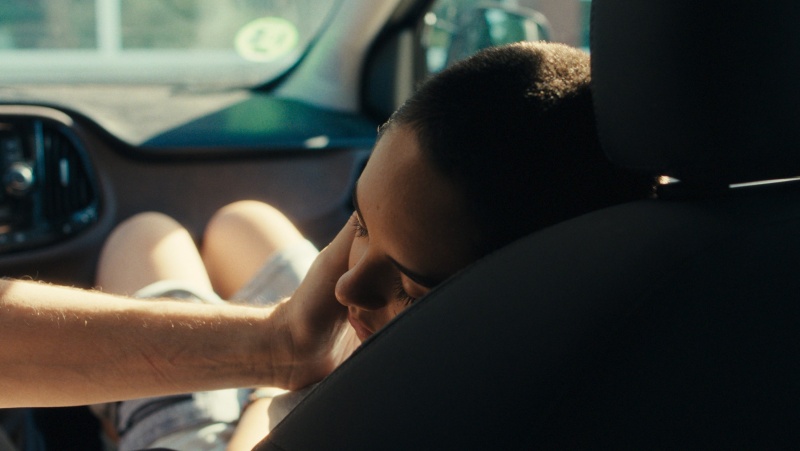
After her parents’ separation, Carmela and her mother move into her grandmother’s home. As she struggles to adjust to her new reality, Carmela longs to spend more time at her father’s house. He is a visual artist whom she admires and idolizes. His lingering presence will lead the three generations of women in the family to decide the future they deserve.
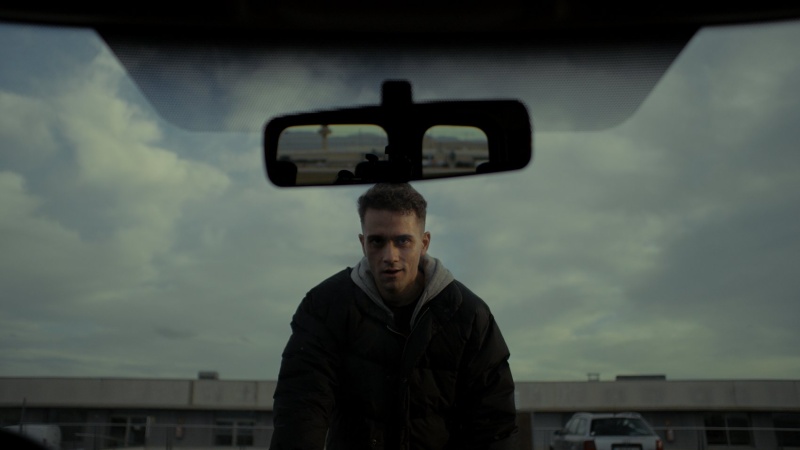
Lluís Garau, a young dancer, creates a performance inspired by a platform that randomly connects strangers through video calls. But when his online life and his real life begin to intertwine, the boundaries between the virtual and the tangible blur, leaving an irreversible mark on his final work: La carn.
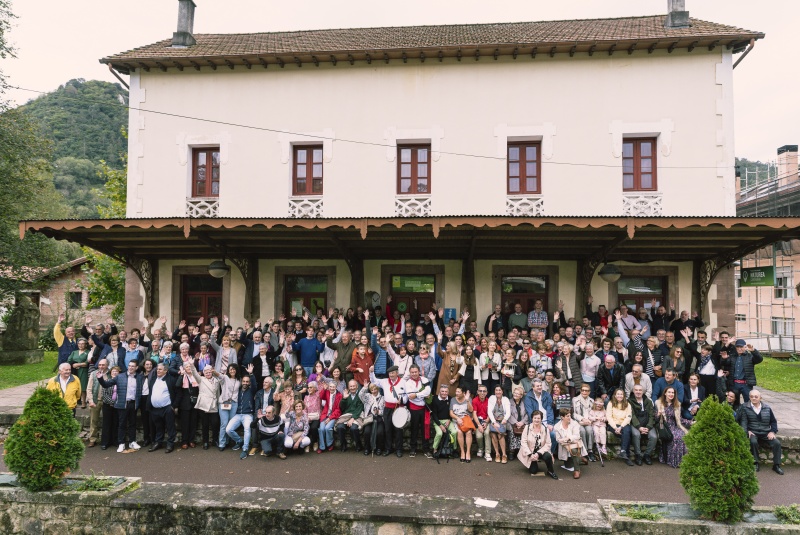
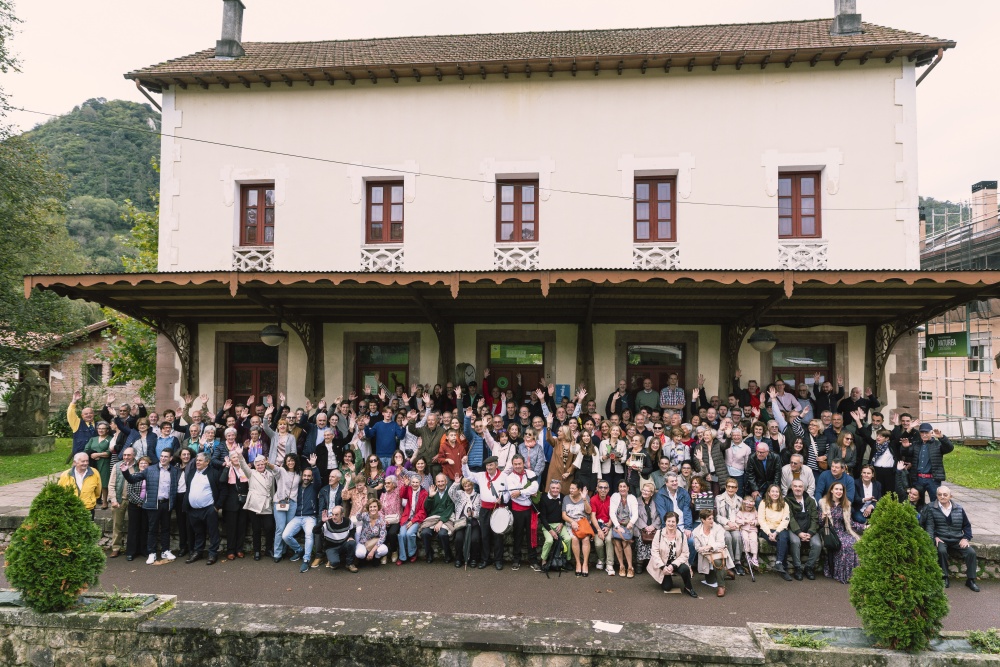
"I met Xavier by chance, while travelling together. That encounter opened the door to a largely unknown European memory: the epic of the 'pasiegos', who went on to become one of the most influential communities in the world of French ice-cream. From Cantabria's Pasiego valleys, where life revolved around cattle and milk, thousands of men and women set out on a journey in the quest for an uncertain future, putting their fate in the hands of destiny. Some built huge empires and went as far as to sponsor the Tour de France; others left a legacy of such value that it enabled their children to enjoy a better life. Through Xavier, and as his father comes to the end of his life, I set out on a journey to find the memory of those families. A journey ending with the return of hundreds of descendants to the land of their ancestors, where for the first time in more than a century, the families of ice-cream makers will meet as never before, in search of a shared homeland". (Maite Vitoria Daneris)
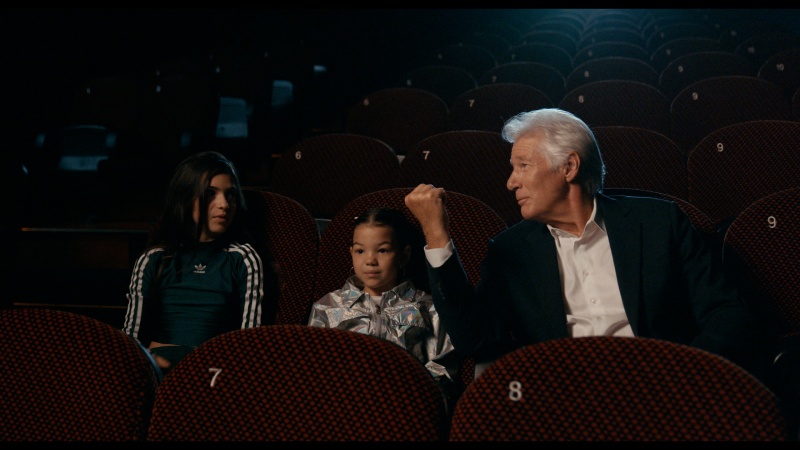
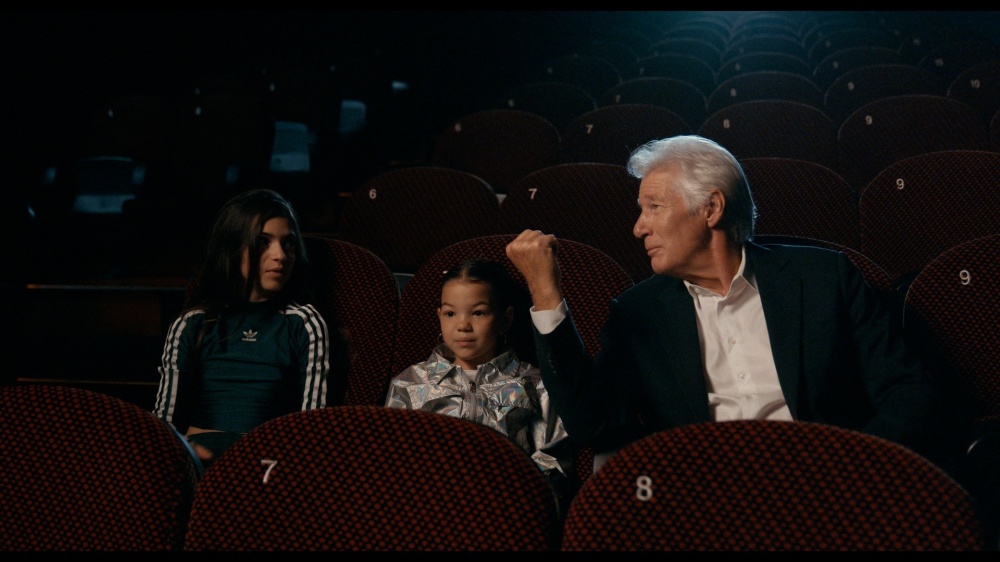
In 2026, the Verdi Cinemas, Barcelona's oldest working cinema, will celebrate their centenary. With humour and through the eyes of two young girls, the film explores the history of the cinema and the people who have brought it to life. It paints a portrait of a cinema whose influence extends throughout Gràcia, the city of Barcelona, and several generations of movie-lovers. The Verdi is, today as it was then, a place of meeting and passion for cinema.
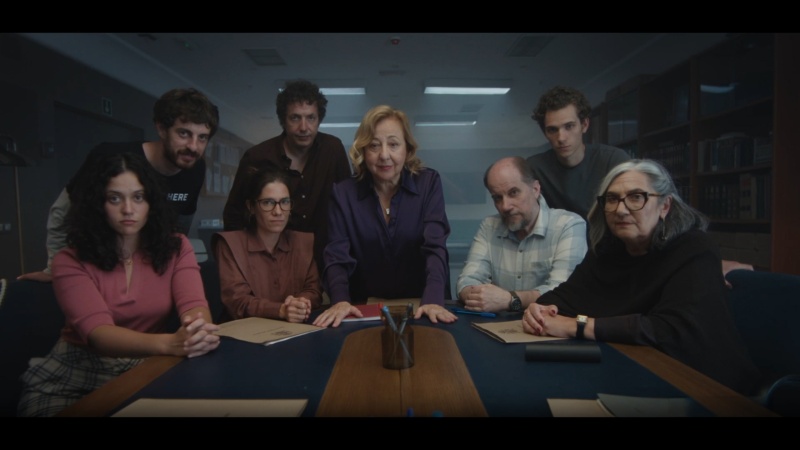
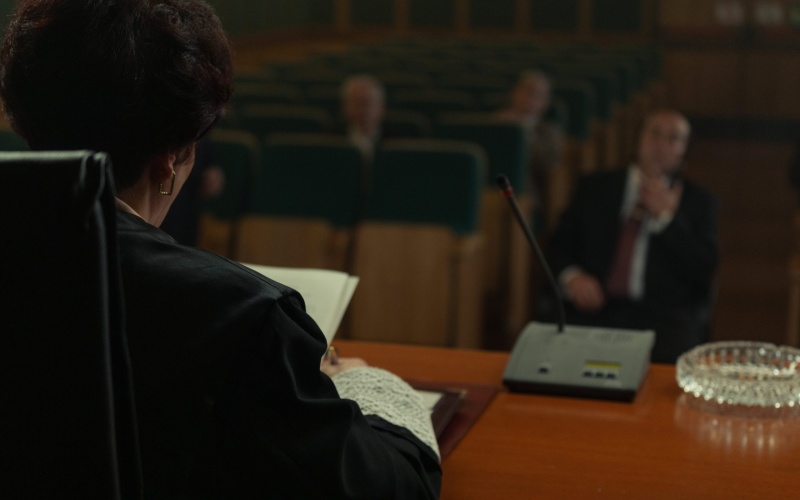
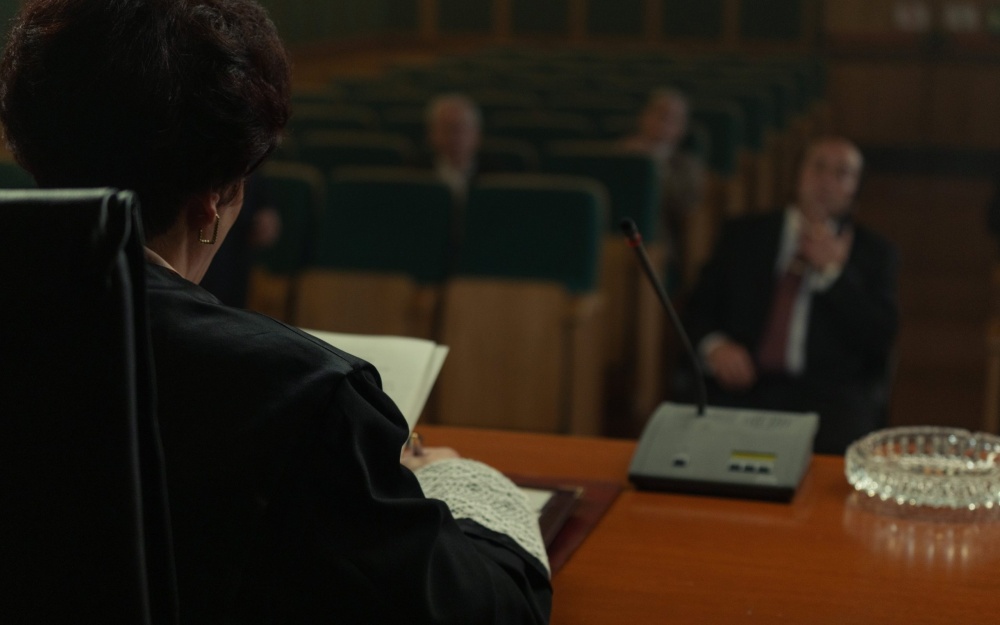
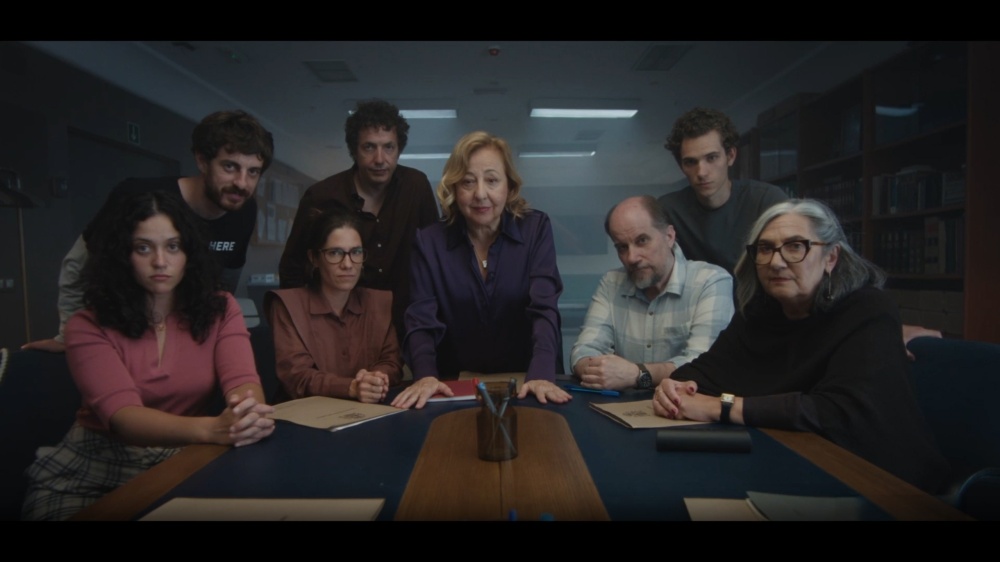
Nine members of a citizens' jury deliberate in isolation over a controversial corruption case. The evidence is irrefutable, public opinion is loud and clear, and no one seems to have any doubts… until they receive a secret offer: each juror will carry off a million euros if they change their vote from guilty to innocent. But if they want to play the game, they must reach unanimity, bringing to light the true burdens hanging over each of the jury members.
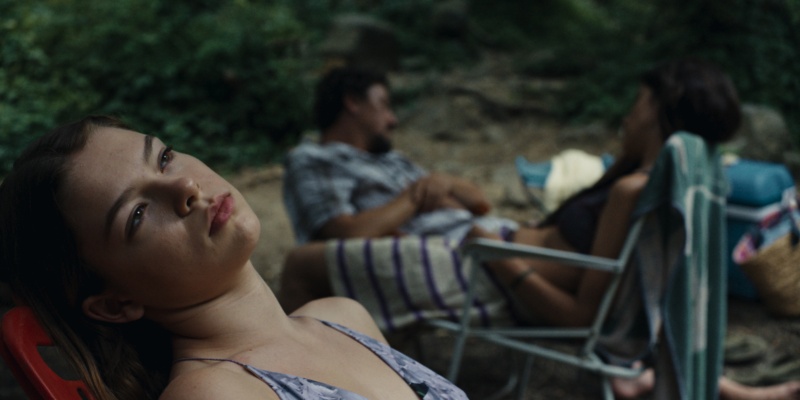
Atenea lives in a boarding school, clinging to the idea of never growing up. When a couple decides to take her in, the possibility of a home opens up before her, one she is unwilling to lose. But soon, the fear of being replaced awakens in Athena an instinct that will drive her to do the unthinkable.
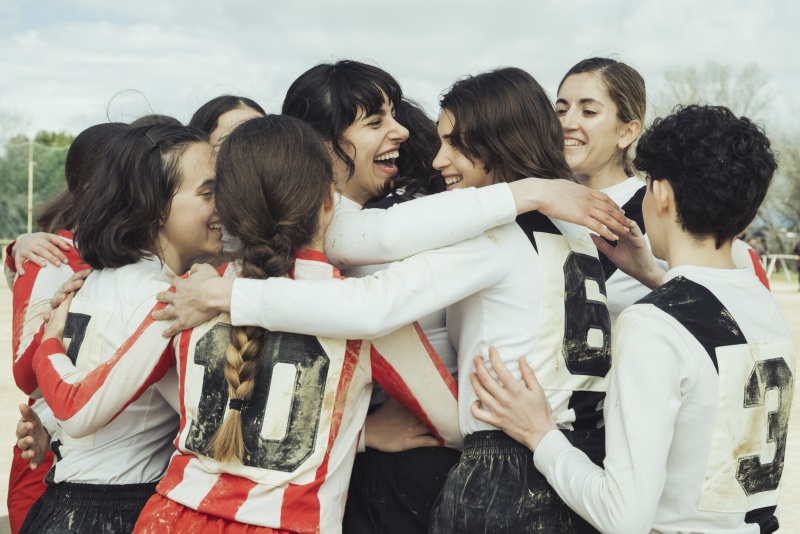
In the Spain of the early 70s, with Franco's regime still firmly entrenched, a group of very young and denigrated girl aces with the ball and an idealistic sports promoter join forces to break through the barriers and lay the foundations of the history of women's football in our country.
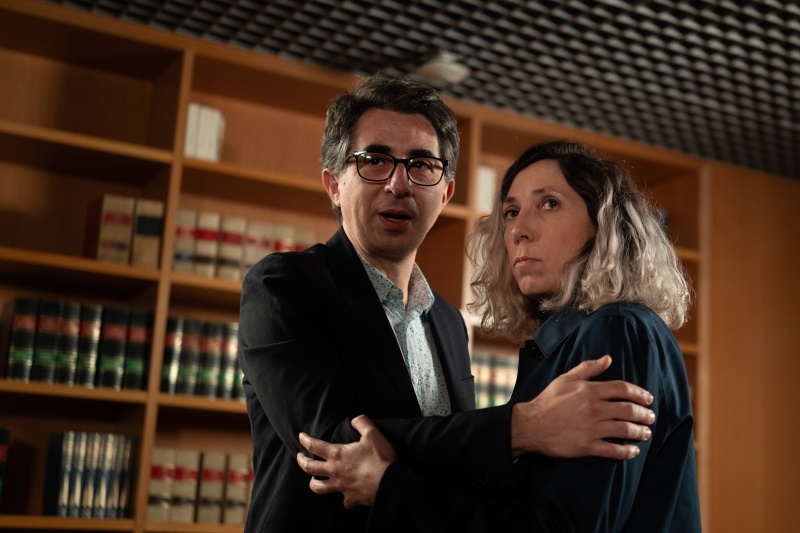
In the midst of professional and personal crisis, tired of her job as a cultural journalist, Thais convinces Alan, her husband, to give up everything and start a business. But not just any business. Thais wants to open a themed pizzería dedicated to Hollywood movies, her great passion. The concept is simple: Pizza and movies. A pizzeria where each pizza pays homage to a classic film or a movie star.
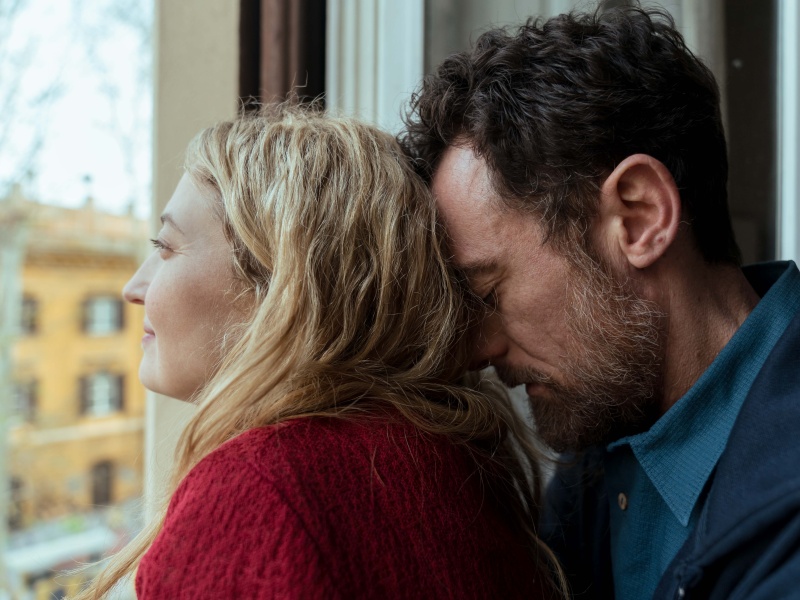
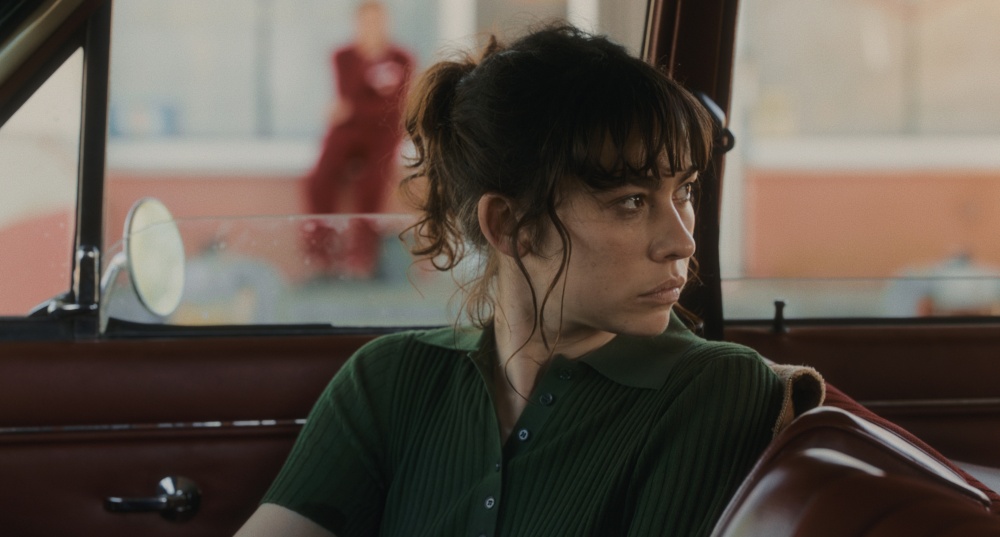
After what seemed like a trivial argument, Marta and Antonio split up. He, a rising chef, immerses himself in his work; she, in her silence, starts to feel something more than sadness: she has lost her appetite. When she discovers that the cause is a health problem, everything suddenly changes: food tastes better, she enjoys music like never before and desire sparks her enthusiasm to live without fear.
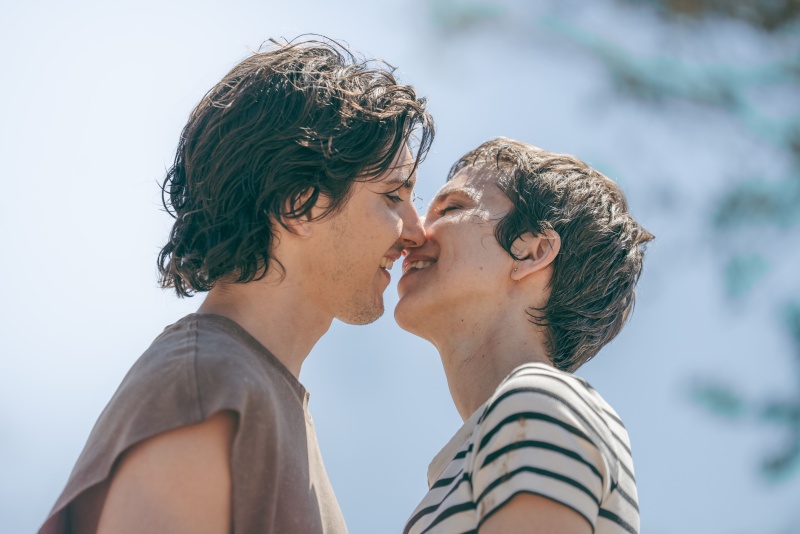
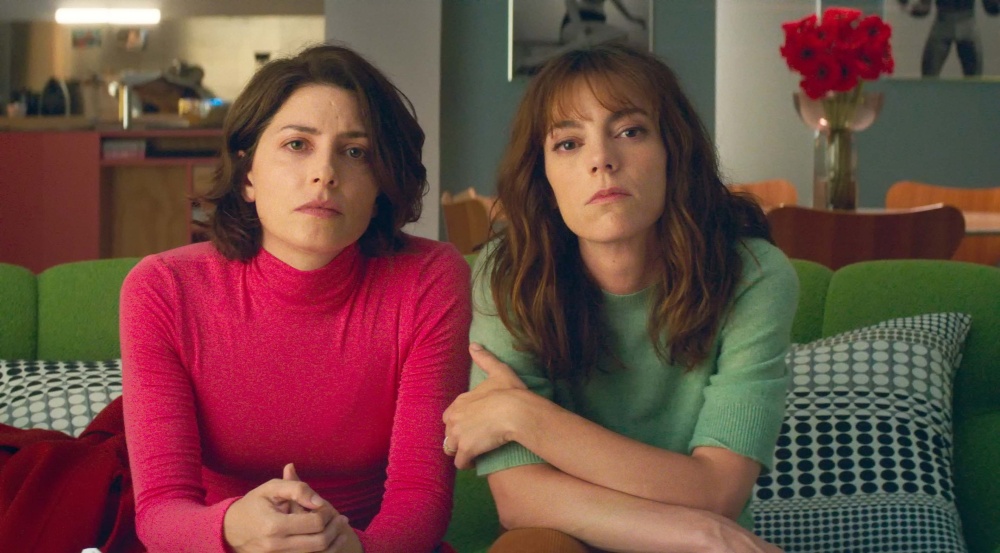
Having survived breast cancer, Nora is back in action with a burning urgency that drives her to take on professional challenges beyond her means and dynamite her future plans of creating a family with her lifelong partner, Tom, plunging headlong into an affair with Max, much younger and free-thinking than herself. When Max travels abroad, Nora launches into a mad race to avoid her greatest dread: being left on her own to confront her fear of death, the deap-seated angst that fuels her thirst for life.
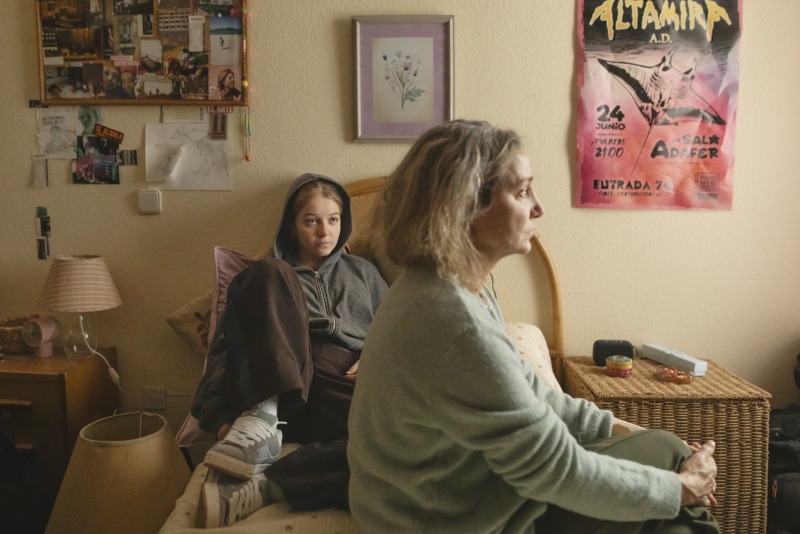
At 18, Claudia doesn’t want to be the family heroine. Her mother’s illness erupts in their home like a silent storm. But Claudia only wants to live like any girl her age. Torn between family duty and the desire to enjoy her youth, Claudia will have to choose how to love without giving up on her own self.
 Videos
 Images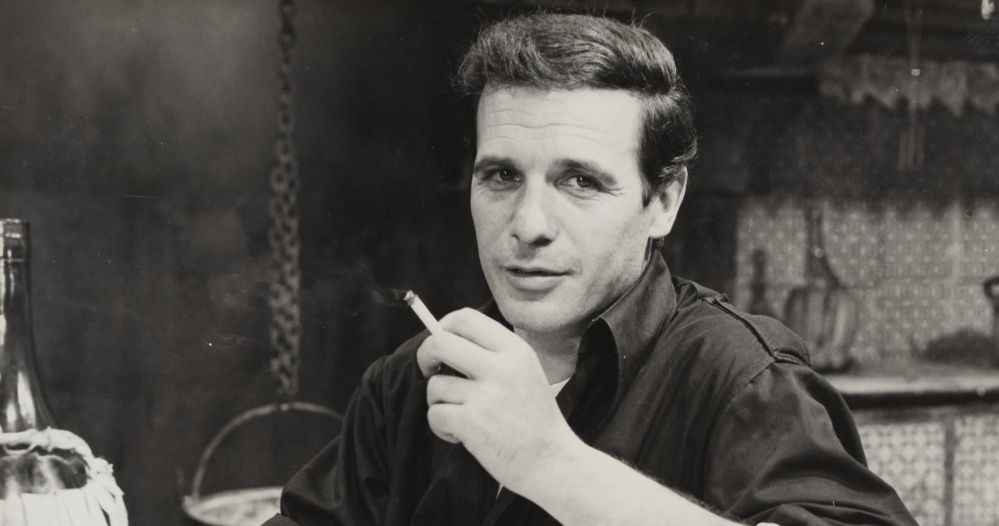


















Monday to Sunday from 09:00 to 14:00
and from 16:00 to 20:00