








Sponsors



Partner



















Z365" or "Festival all year round" is the new strategic point of the Festival in which converge investigation, accompaniment and development of new talents (Ikusmira Berriak, Nest); training and cinematic knowledge transfer (Elías Querejeta Zine Eskola, Zinemaldia + Plus, Filmmakers' dialogue); and investigation, disclosure and cinematic thought (Z70 project, Thought and Discussion and Research and publications).
 Calls for entries - 2026 Log-in to MY FESTIVAL
  Agenda Programme and tickets Search
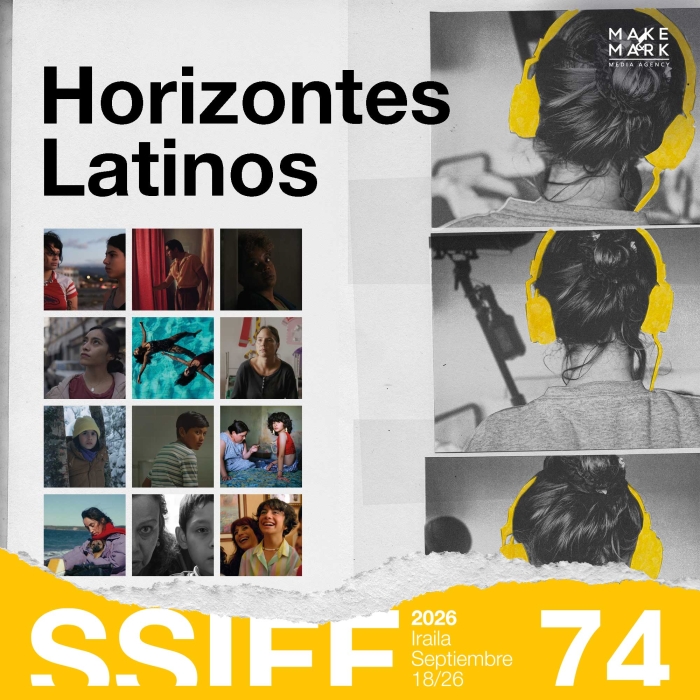


Horizontes Latinos will have some twelve titles at the San Sebastián Festival’s 74th edition, including the world premiere of A Professora de Francês / The French Teacher, by Ricardo Alves Jr. Siempre soy tu animal materno / Forever Your Maternal Animal, by Valentina Maurel, will open the section, and the closing film will be provided by Marcelo Martinessi with Narciso. Completing the programme are feature films nominated and awarded at festivals such as Cannes, Berlin and Locarno. The selected films, which are produced totally or partially in Latin America, are directed by filmmakers of Latino origin or are set in Latino communities, will compete for the Make & Mark Horizontes Award.
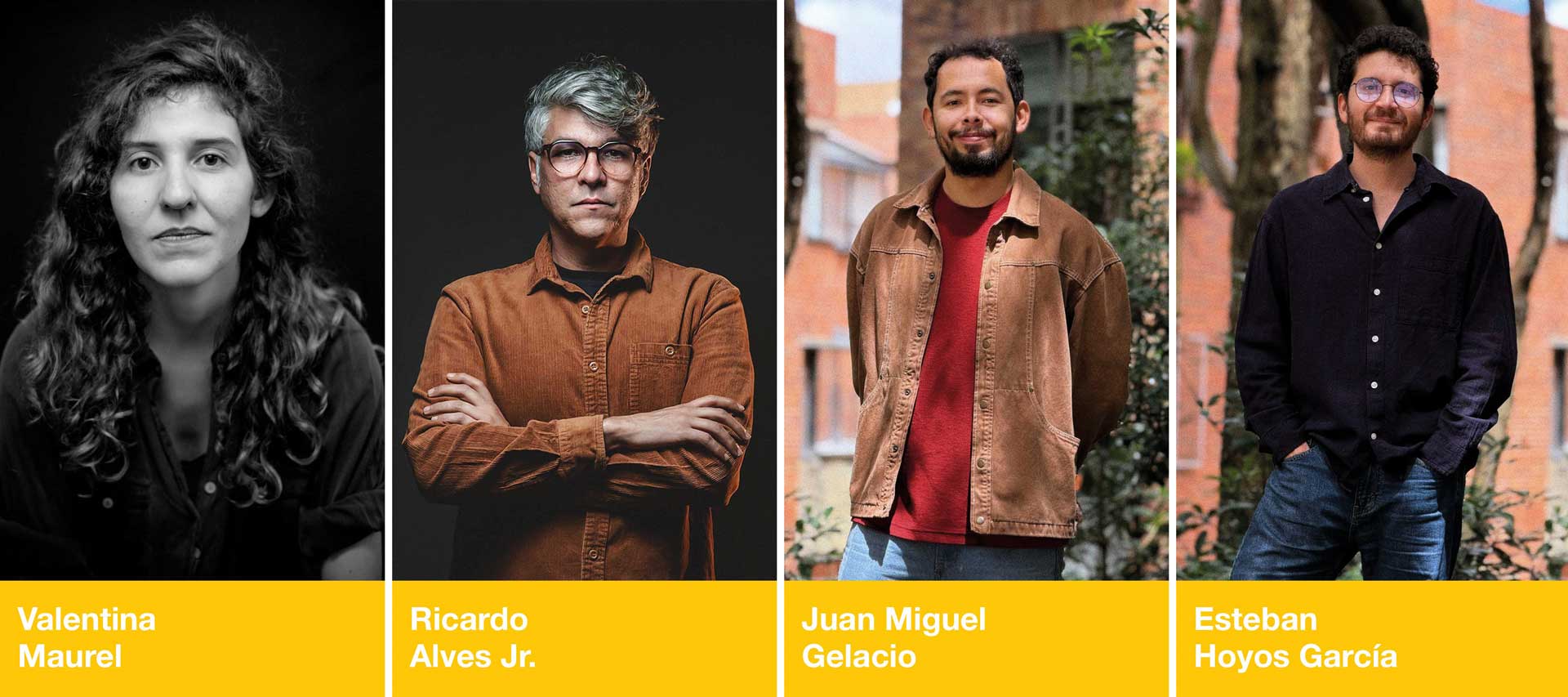
Marina De Tavira, Daniela Marín Navarro and Mariangel Villegas carried off the Best Actresses Award in the Un Certain Regard section of Cannes for Siempre soy tu animal materno / Forever Your Maternal Animal. Valentina Maurel’s (San José, 1988) second film, to open the section, follows the return from Europe to Costa Rica of a young girl who arrives home to find her family completely divided. The Costa Rican filmmaker won, with her first feature film Tengo sueños eléctricos / I Have Electric Dreams (2022), more than thirty international accolades, particularly including those going to best director, actress and actor at the Locarno Festival, plus the Horizontes Award in San Sebastian.
The world premiere of A Professora de Francês / The French Teacher is the fourth feature film from Ricardo Alves Jr. (Belo Horizonte, 1982). The Brazilian director, screenwriter, producer and theatre director, who has developed a career including experimental, non-fiction and fiction films, presents this psychological thriller following a woman who comes home to deal with her father’s poor health only to be drawn by a neighbouring family into a religious congregation that threatens her identity and her sanity.
Having presented their first feature film Selva / Jungle in WIP Latam in 2023, the Colombian duo Juan Miguel Gelacio (Bogotá, 1995) and Esteban Hoyos García (Bogotá, 1995) return to San Sebastián to present their latest film Cinco años, cuatro meses / Five Years, Four Months, which premiered at Karlovy Vary Festival. The film, which obtained the EGEDA Platino Industry Award for Best WIP Latam 2025 in its post-production phase with the title A la hora de poner la mesa ya no éramos cinco / We Were No Longer Five, tells the story of a woman who sets out on the trail of a dark rumour to find her son who disappeared in Colombia’s armed conflict.
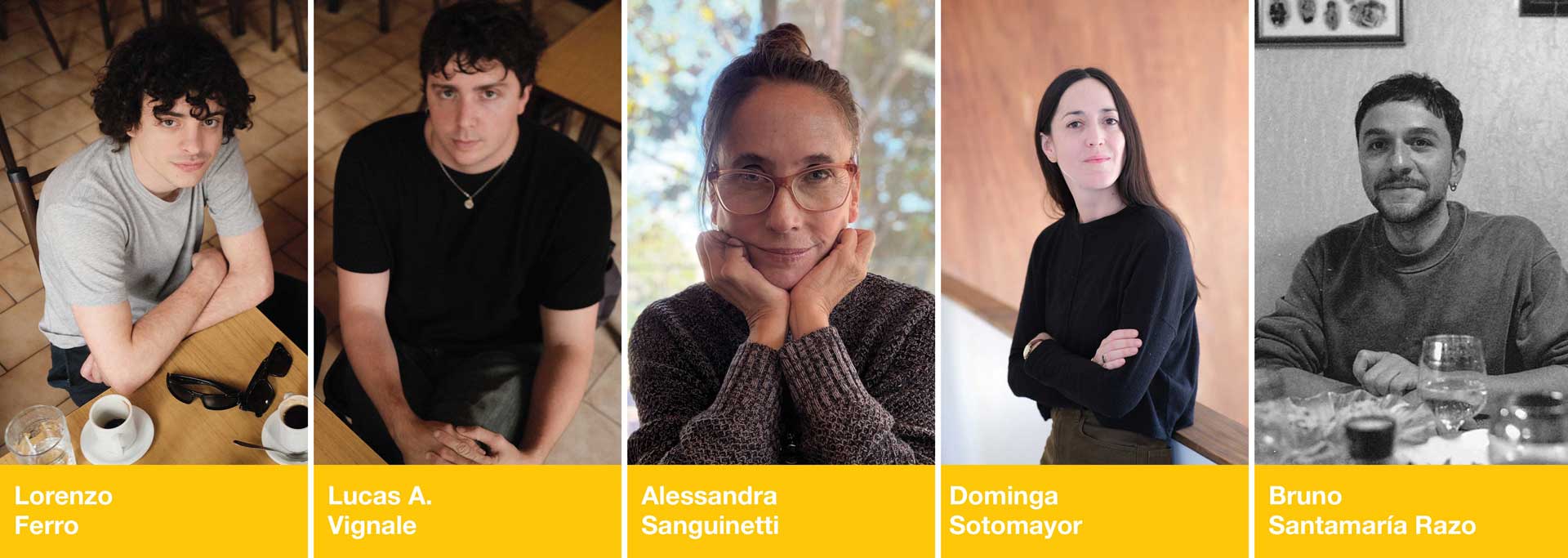
El tren fluvial / The River Train narrates the dream of a 9-year-old malambo dancer who longs to ride trains and explore Buenos Aires. The film, directed by Lorenzo Ferro (Buenos Aires, 1998) and the recently deceased Lucas A. Vignale (Buenos Aires, 1997-2026), comes to the Festival after showing in the Perspectives section of the Berlinale. Ferro makes his filmmaking debut in San Sebastián, a competition he knows well as an actor thanks to El Ángel / The Angel (Perlak, 2018), Simón de la montaña / Simon of the Mountain (Horizontes Latinos, 2024) and Cómo ser Pehuén Pedre / How to Be Pehuén Pedre (Zabaltegi-Tabakalera, 2024), roles for which he has received several recognitions. His first work behind the camera was the short film La Pasión (2025), co-directed with Vignale. The latter developed a good part of his career as a producer specialising in the music industry, collaborating with artists such as Bizarrap, Nicki Nicole and Nathy Peluso, among others. He is also author of the documentary Tripolar 360 (2024), and of several fiction works in short and medium-length format.
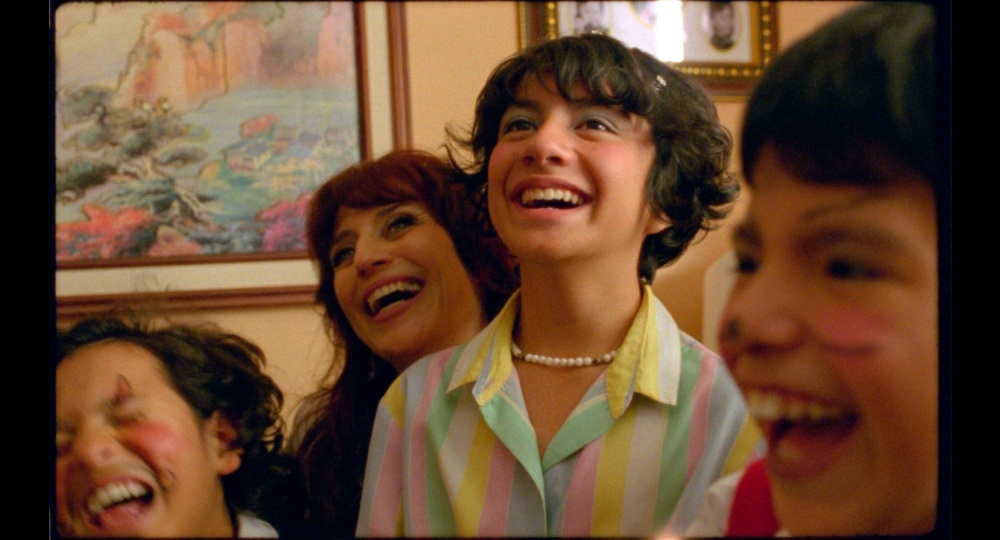
Acclaimed photographer Alessandra Sanguinetti (New York, 1968) makes her first inroads to the cinema with La ilusión de un verano sin fin / The Illusion of an Everlasting Summer, a non-fiction presented in the Cineasti del Presente section of the Locarno Festival. The film, shot over 25 years, accompanies Guille and Belinda, two cousins in the Argentinian Pampas, from childhood fantasies to teenage desires and the challenges of motherhood. The works of Sanguinetti, a member of Magnum Photos since 2007, are part of collections at the MoMA in New York, San Francisco Museum of Modern Art, Houston Museum of Fine Arts and Buenos Aires Museum of Fine Arts.
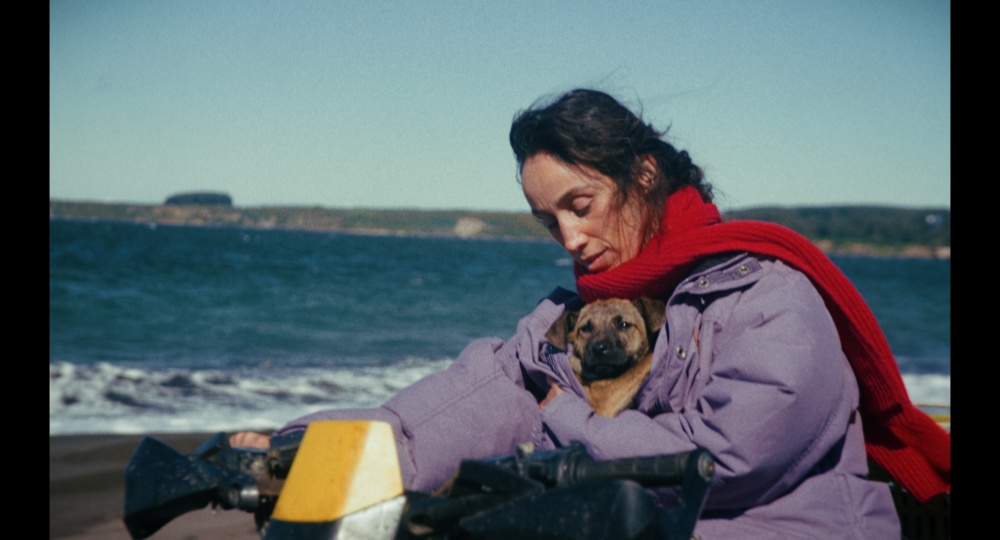
After opening Horizontes Latinos in 2025 with the world premiere of Limpia, Dominga Sotomayor (Santiago de Chile, 1985) returns to the Festival to show La Perra. The film, which received a Palm Dog at the Quinzaine des cinéastes in Cannes, is a free adaptation of the homonymous novel by Pilar Quintana addressing the intimate mourning for a motherhood that never was and whose wounds are reopened with the appearance of an abandoned puppy. The Chilean filmmaker has also directed other titles such as De jueves a domingo / Thursday Till Sunday (2012), Tarde para morir joven / Too Late to Die Young (2018) and the short film Correspondencia, co-directed with Carla Simón (Zabaltegi-Tabakalera 2020).
The director of photography and producer of non-fiction feature films Bruno Santamaria Razo (Mexico City, 1986) turns to fiction with Seis meses en el edificio rosa con azul / Six Months in a Pink & Blue Building, premiered at the Semaine de la Critique in Cannes and which in 2022 received the Best Project Award from the Co-Production Forum and the Dale! Award (Latin America-Europe Development). The film, set in the 90s in Mexico, follows an 11-year-old boy who discovers his desire for his best friend, while coping with the health of his father, diagnosed with HIV.
All of these titles join the films with Spanish co-production already announced, such as Ceniza en la boca / Ashes, from Diego Luna; Chicas tristes / Sad Girlz, from Fernanda Tovar; El deshielo / The Meltdown, from Manuela Martelli; Moscas / Flies, from Fernando Eimbcke, and Narciso, from Marcelo Martinessi, the section closing film.

These twelve titles making up the Horizontes Latinos section will compete for the Horizontes Make & Mark Award, coming with 35,000 euros for the majority producer and Spanish distributor of the film. In addition, Narciso; Chicas tristes / Sad Girlz; El Deshielo / The Meltdown; Cinco años, cuatro meses / Five Years, Four Months; El tren fluvial / The River Train; Soy tu animal materno / Forever Your Maternal Animal, and La ilusión de un verano sin fin / The Illusion of an Everlasting Summer, being the first or second films by their directors, will also compete for the DAMA Youth Award, decided by a jury of 150 students between the ages of 18 and 25.
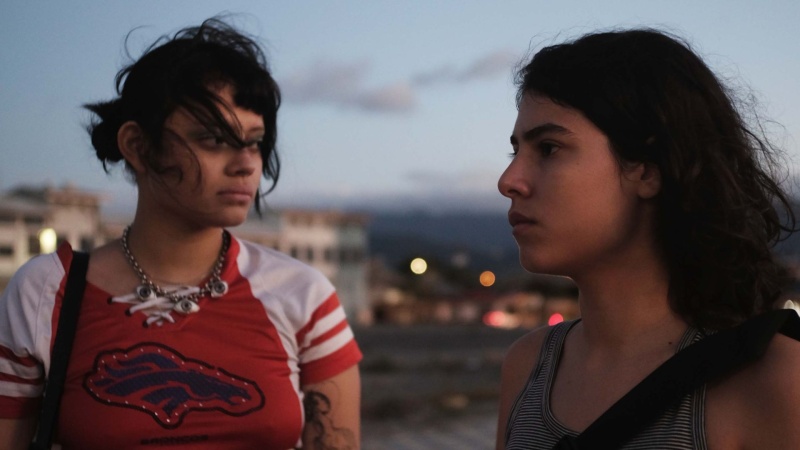
After years studying in Europe, Elsa returns to Costa Rica to reunite with her family. She finds her younger sister living alone in the family home, growing increasingly distant and reclusive, as if slipping into a world of her own. Their parents, meanwhile, are absorbed in their own lives. Her father drifts through a series of affairs, while her mother is immersed in republishing the erotic poems of her youth, neither fully grasping the urgency of the situation.
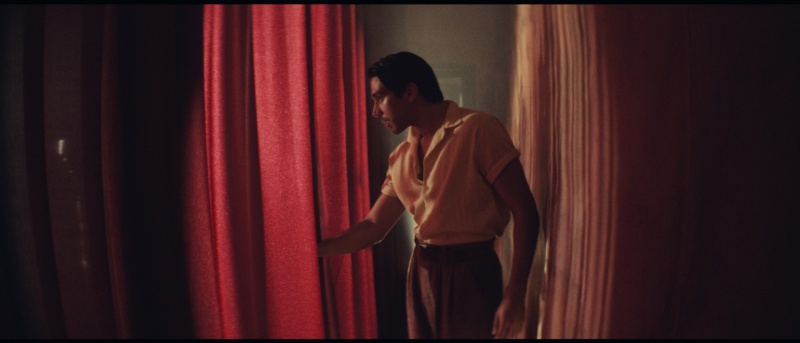
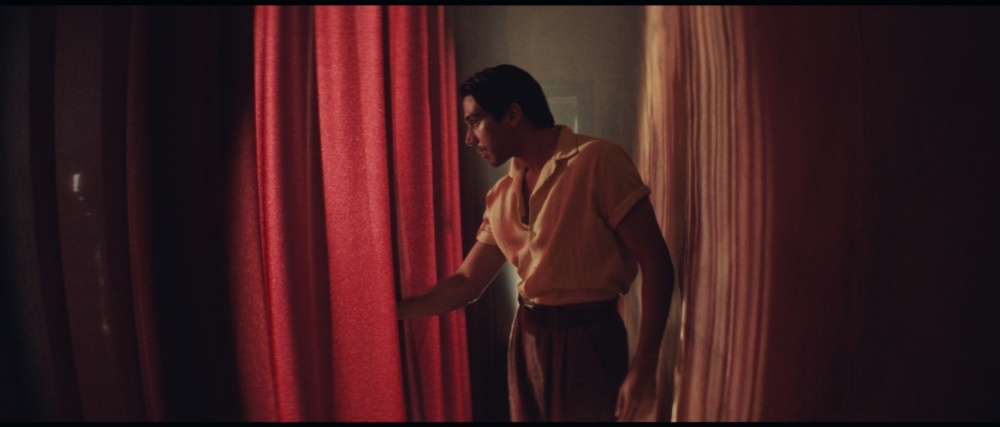
Paraguay, 1959. Under a suffocating military regime, Narciso returns from Buenos Aires with rock & roll in his veins. Charismatic, mysterious and the object of desire for both men and women, he soon becomes a radio sensation and a symbol of freedom. But after his final show he is found dead. In a country where silence reigns and fear smothers the truth… who killed Narciso?


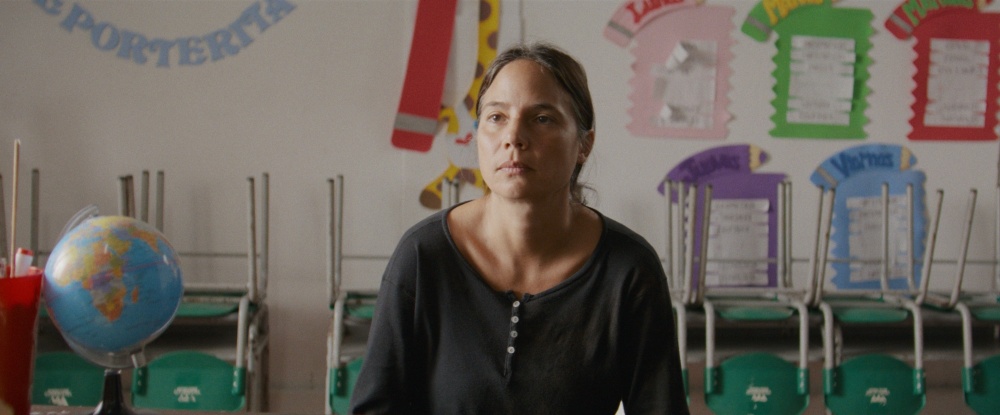
Graça lives in Belo Horizonte, where she gives private French lessons and lives with her French girlfriend. After a health emergency involving her father, she returns to her childhood home in the suburbs. There, a neighbouring family that leads a local religious congregation offers support. As they try to bring her back to "her place," Graça becomes trapped in a world of intolerance and fanaticism, setting her on a disturbing path toward the loss of sanity.
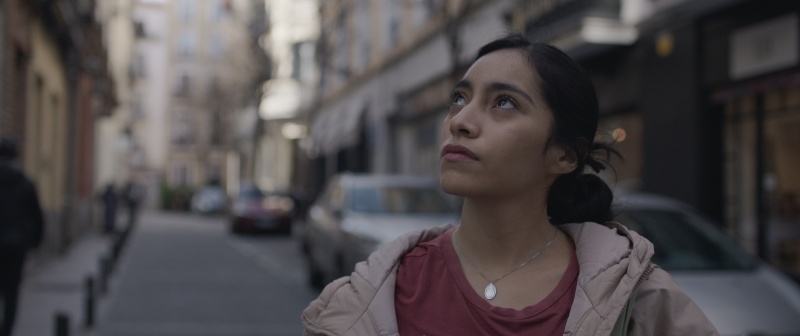
Searching for a better life, Lucila leaves Mexico for Madrid with her brother Diego to join their mother who has been working there illegally for 8 years to support them. When they finally arrive, the reality that awaits them proves far harsher than they had imagined.

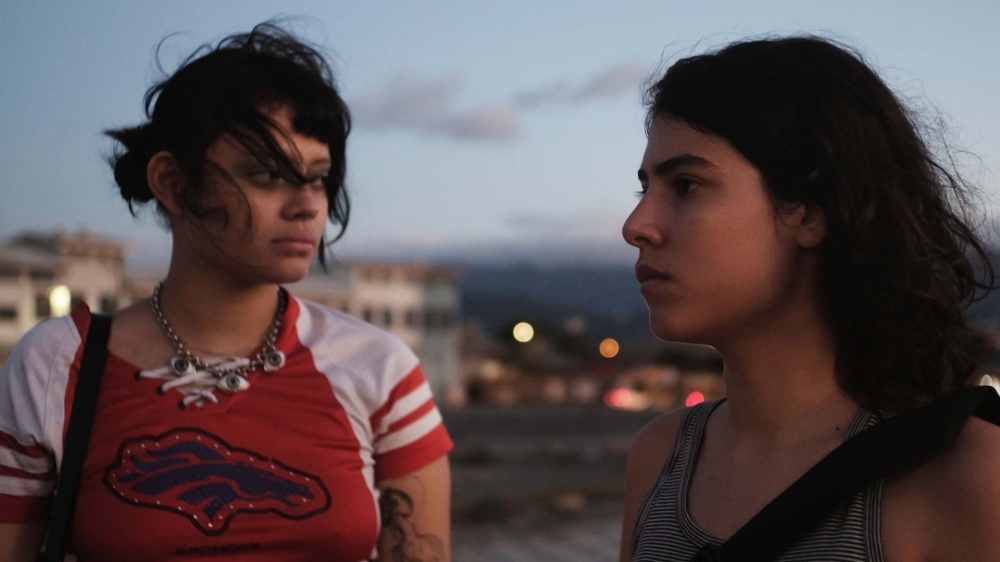
La Maestra and Paula are the best swimmers in their team and best friends, until an incident at a party changes everything. La Maestra, intense and unstoppable, realises that something in her best friend has changed, making her sad. When the truth comes to light, the two are faced with an impossible decision: Paula wants to keep quiet about it, while La Maestra wants revenge. Their friendship, previously unbreakable, will be put to the test as never before.
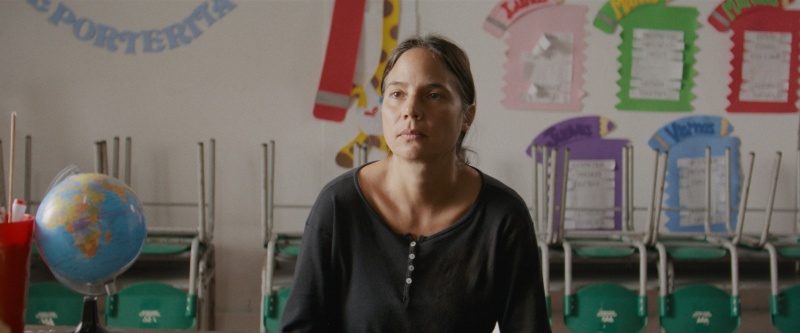
Martha, a mother who lost trace of her son in the Colombian armed conflict, receives the news that no bone match was found in the last exhumation in which she had taken part. Having exhausted the institutional options, she turns to a group of women, where she meets Sandra, who tells her a rumour: "in a remote village in the plains, you can ask a dead person for a favour". The two set out on a journey in search of answers.
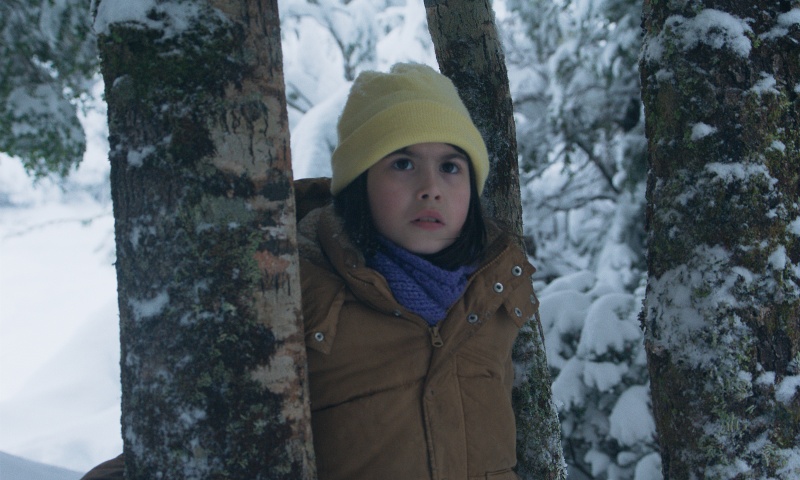
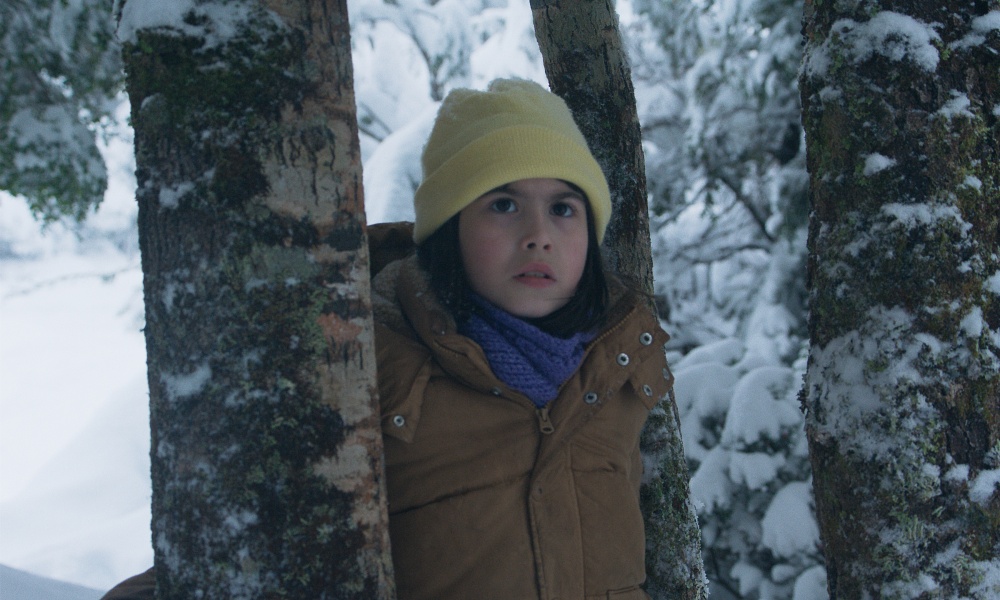
Chile, 1992. While staying at her grandparents’ mountain hotel, Inés befriends Hanna, a German skier. When Hanna vanishes without trace, the search for her exposes hidden truths.
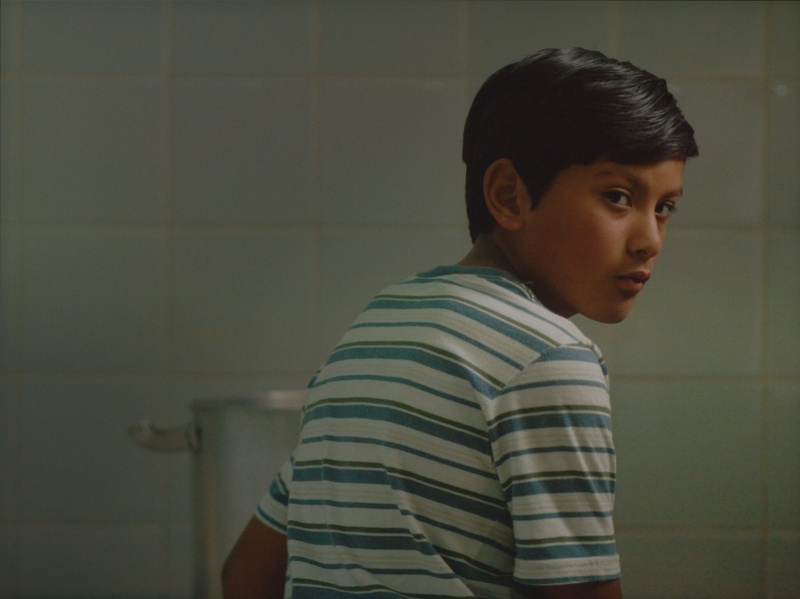
9-year-old Milo lives in a remote village in Argentina, where he trains as a malambo dancer. But his true dreams lie elsewhere: he longs to ride trains and explore Buenos Aires, the city he has only seen in movies. To break free from his small world, he must dare to embark on a new journey.
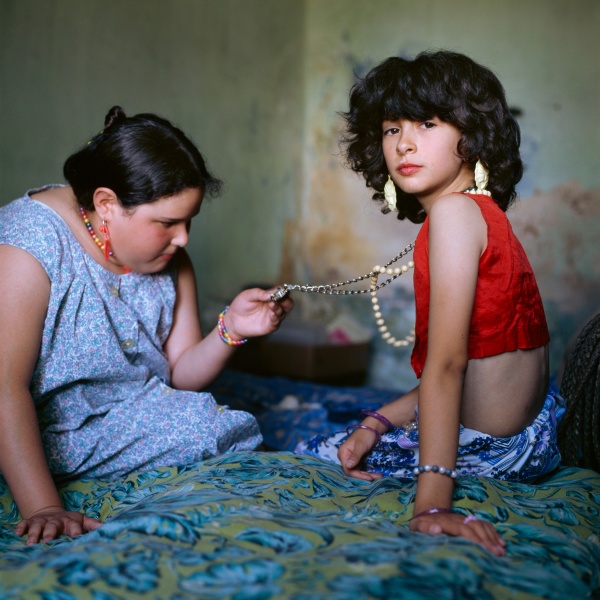
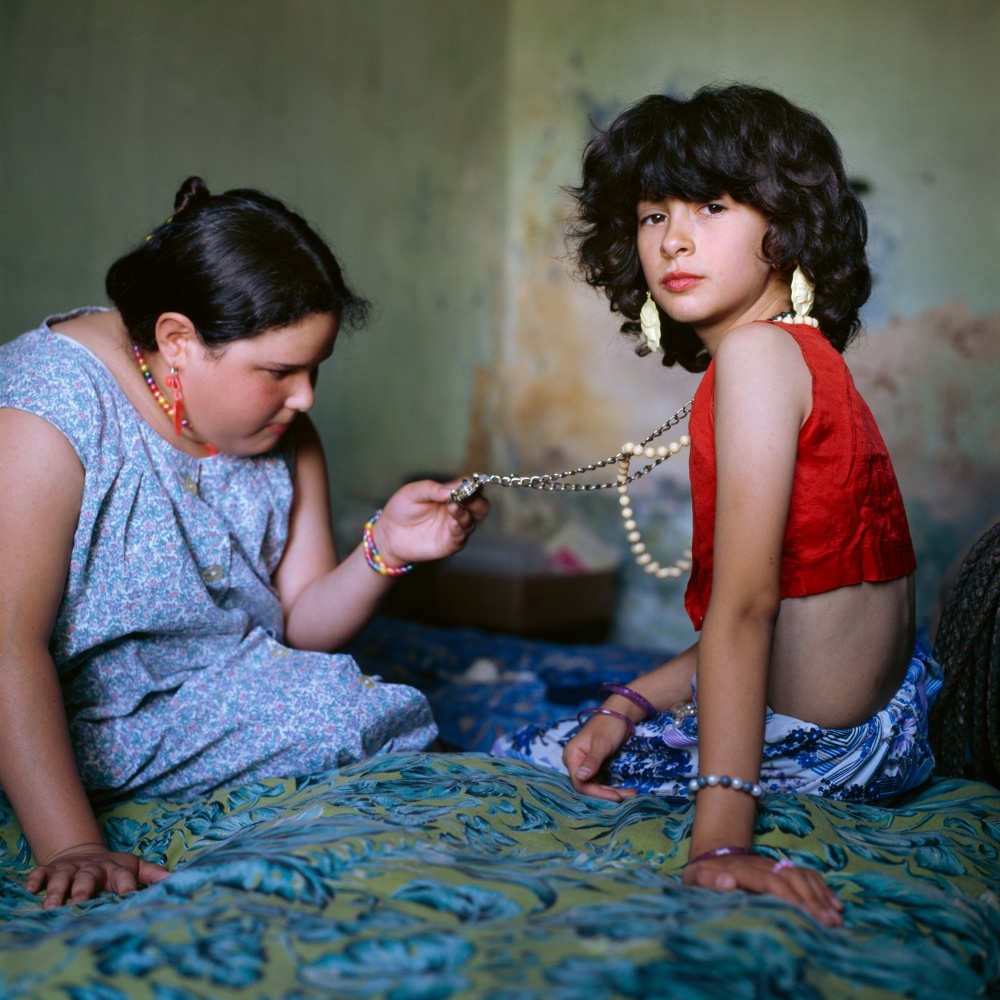
The documentary opens in 1999, when Sanguinetti invites her 9-year-old neighbours to share their fantasies, sparking a collaboration that lasts for decades. As Guillermina and Belinda leave childhood behind, their games take on the weight of reality. With the passage of time as its most palpable tension, the film becomes a record of their friendship as they move into work, motherhood and diverging paths. In the Argentinian Pampas, the film offers a female counterpoint to the region's male-dominated mythology.
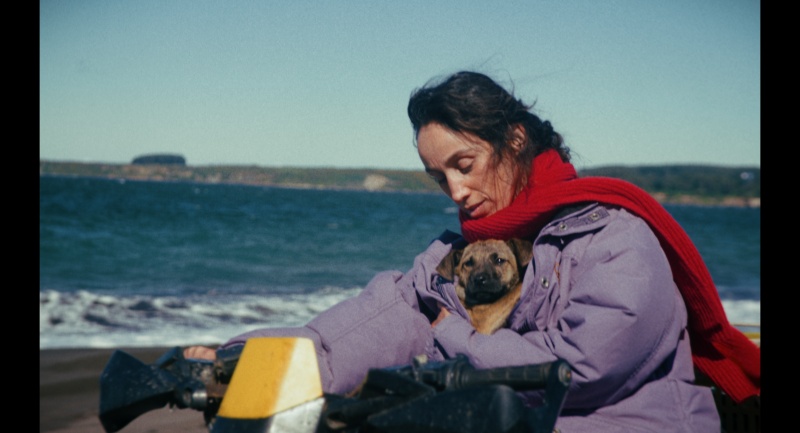
On a remote, wind-lashed island off the Chilean coast, Silvia earns her living harvesting seaweed and shares a quiet life with her partner. When she adopts a stray puppy, Yuri, her days fill with joy, love, and a tenderness that stirs a long-suppressed longing for motherhood. But Yuri’s sudden disappearance reawakens a haunting childhood trauma, forcing Silvia to confront a past she has never truly left behind.
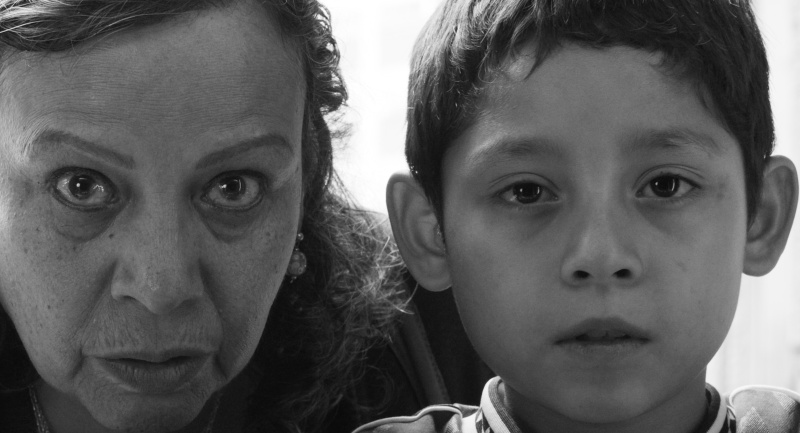
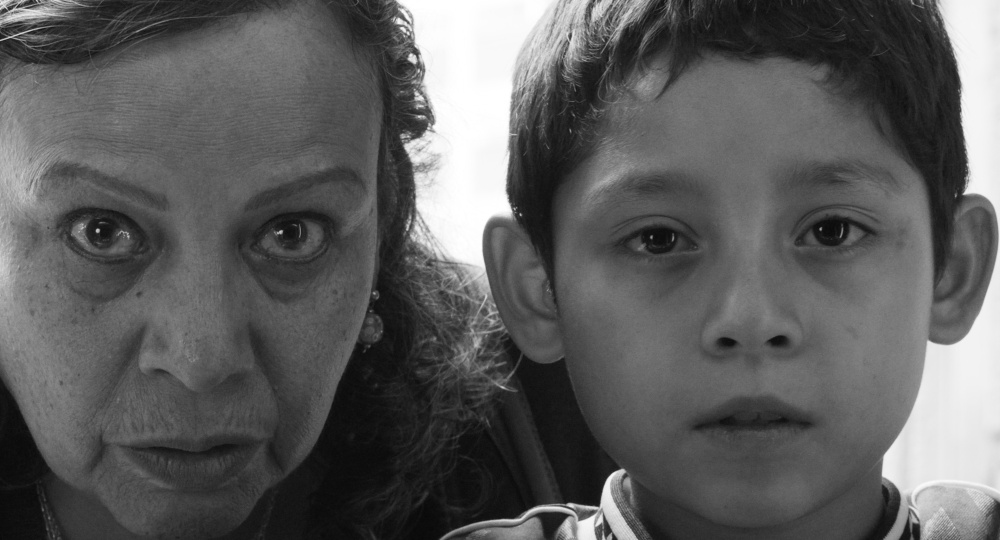
Ever since Olga’s terrible loss, she has preferred to keep to herself, but having no money to pay for an operation on her big toe obliges her to rent a room in her flat to Tulio, the husband of a patient hospitalised in the medical centre in front of the enormous apartment block in which Olga lives. When the man has to leave for a few days, he leaves his son Christian in his place.
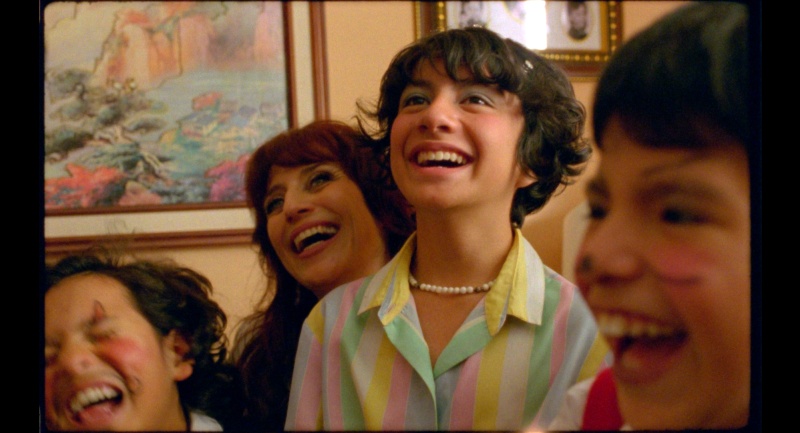
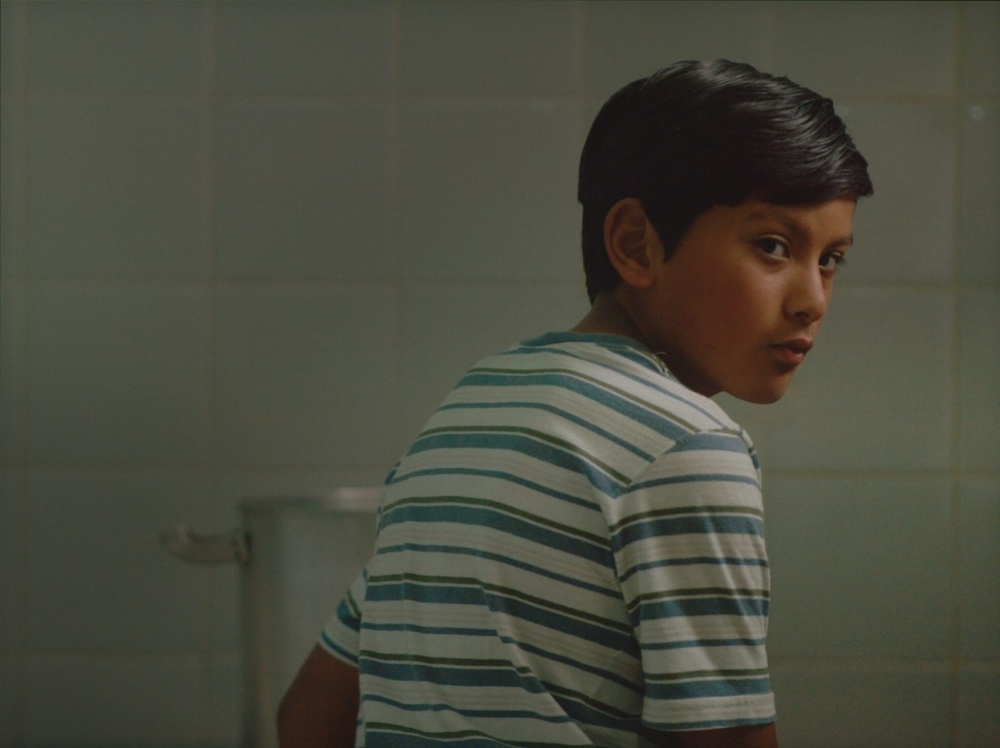
Mexico City, early 90s. On the day of his 11th birthday, Bruno falls in love with his best friend Vladimir. That night his father receives an HIV-positive diagnosis that will change family life. Like in salsa songs, his family tries to sing and dance to keep the pain at bay. Thirty years later, Bruno films and revisits the memories he couldn’t quite fathom as a child.
 Videos
 Images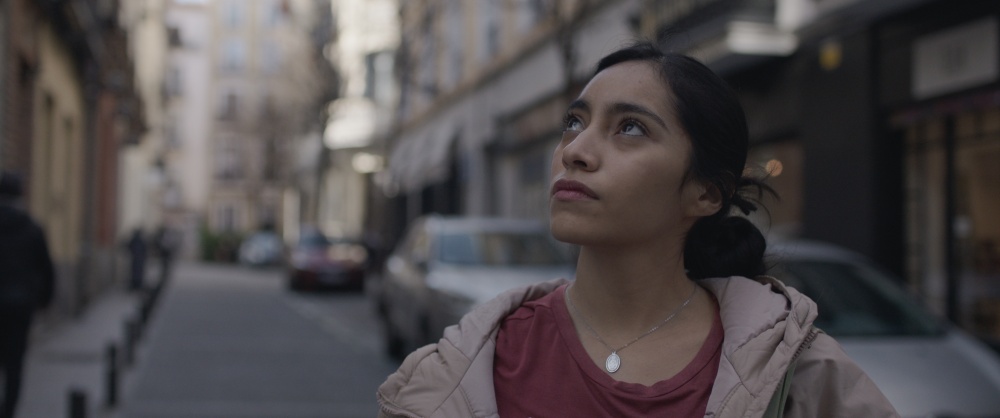
























Monday to Sunday from 09:00 to 14:00
and from 16:00 to 20:00