








Sponsors



Partner



















Z365" or "Festival all year round" is the new strategic point of the Festival in which converge investigation, accompaniment and development of new talents (Ikusmira Berriak, Nest); training and cinematic knowledge transfer (Elías Querejeta Zine Eskola, Zinemaldia + Plus, Filmmakers' dialogue); and investigation, disclosure and cinematic thought (Z70 project, Thought and Discussion and Research and publications).
 Calls for entries - 2026 Log-in to MY FESTIVAL
  Agenda Programme and tickets Search
The retrospective dedicated to José Giovanni will include 20 titles penned by him as director and screenwriter
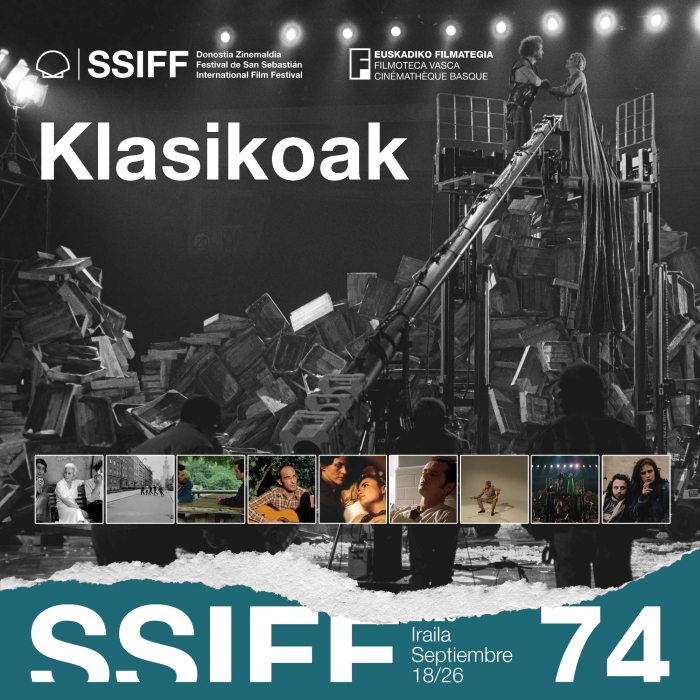


El desencanto, the film by Jaime Chávarri withdrawn by its makers from San Sebastián Festival’s programme 50 years ago, will open the Klasikoak section at the event’s 74th edition. This will be the first of the nine titles including works by Lisa Cholodenko, Ana Díez, Milos Forman, Pere Portabella, Jacques Tati, Fernando Trueba, Andrzej Wajda and Agnès Varda
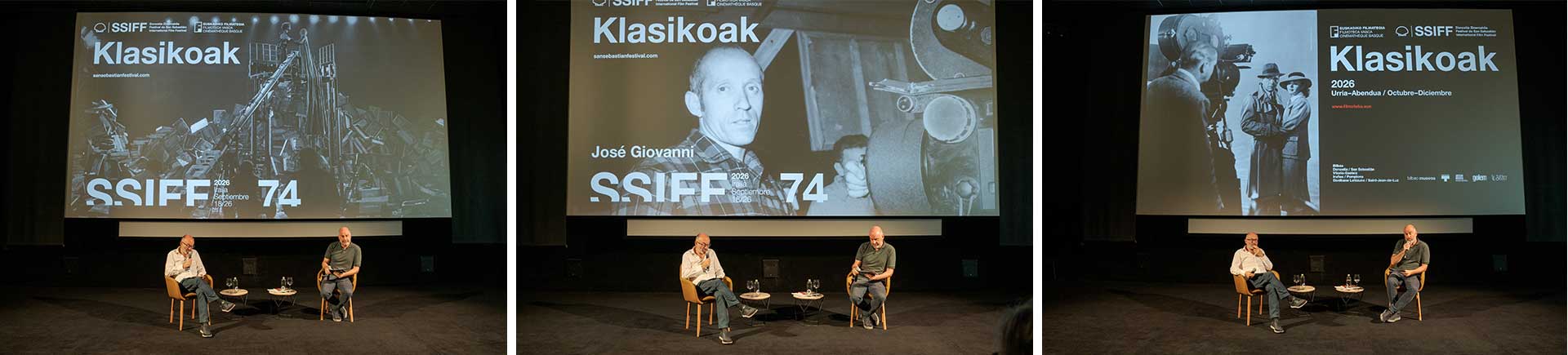
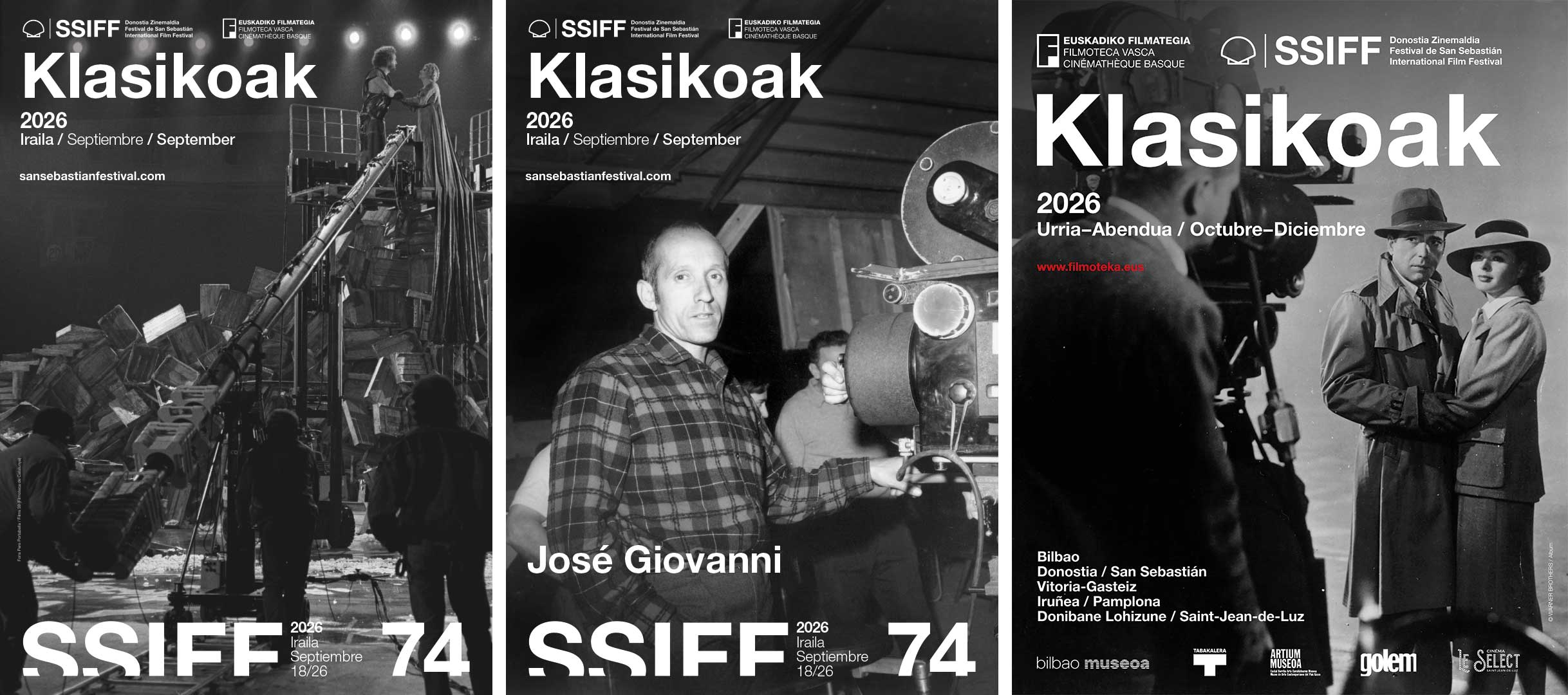
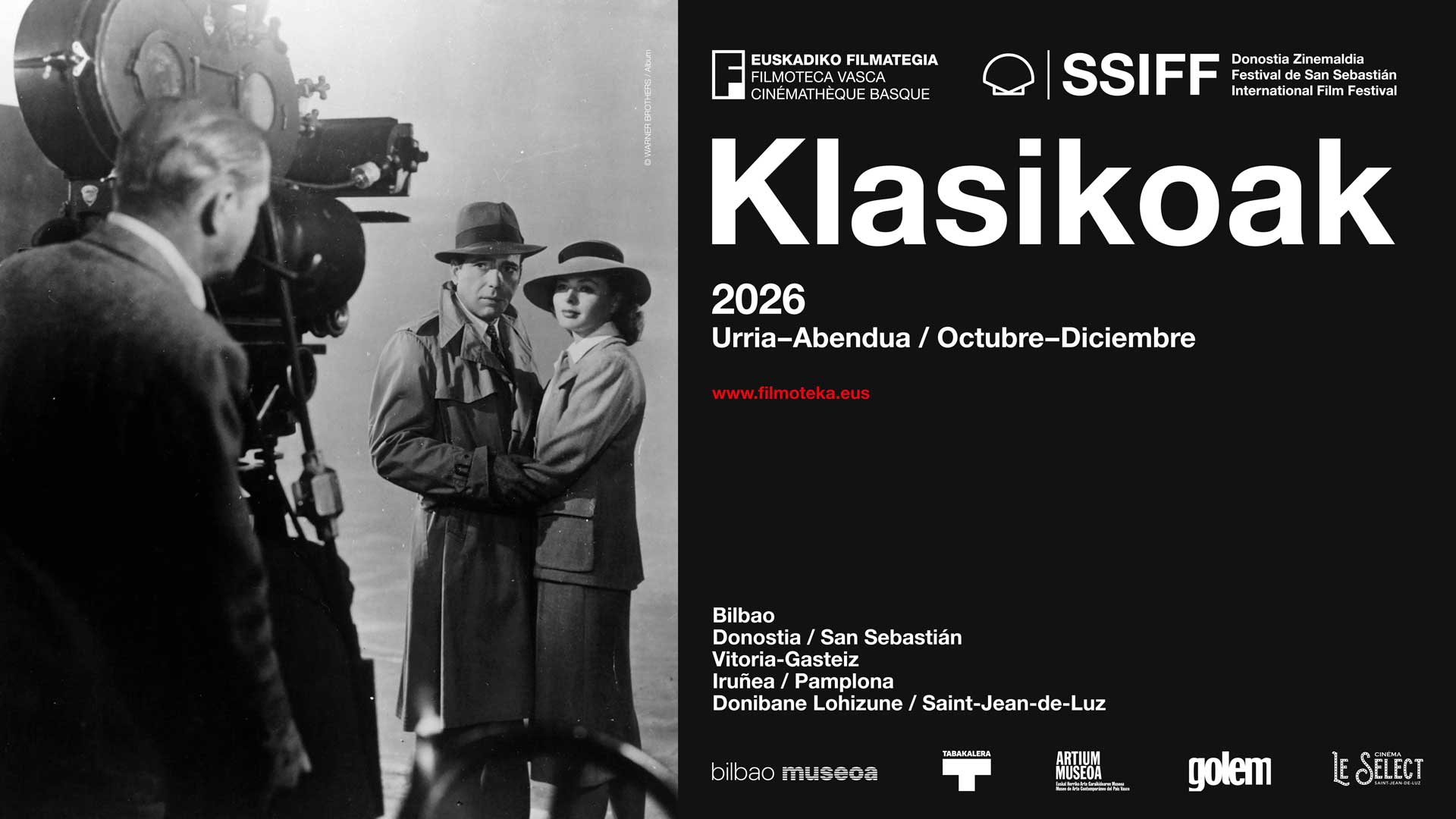
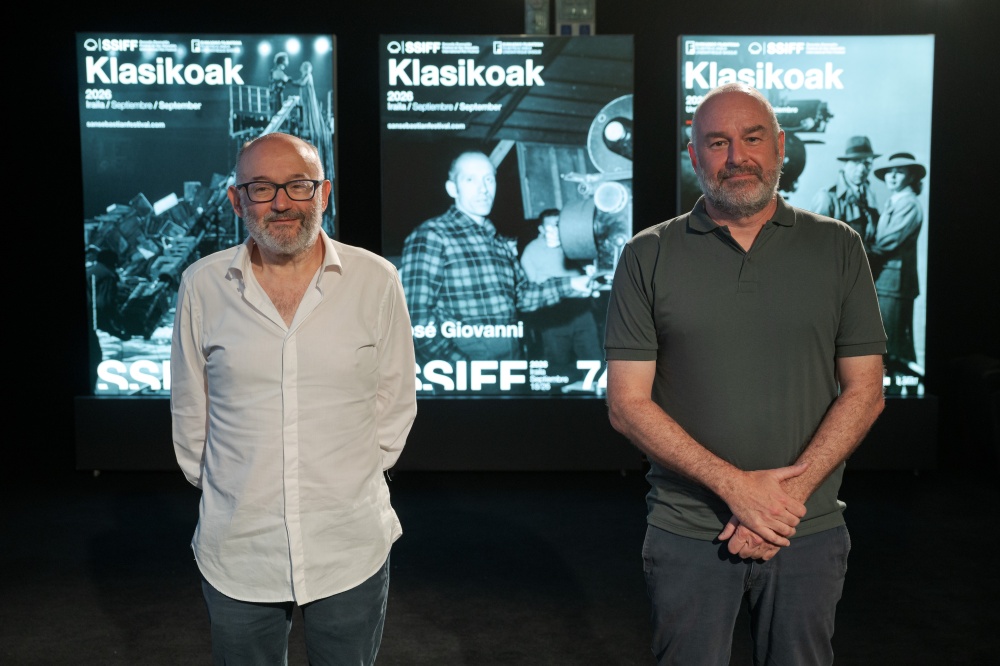
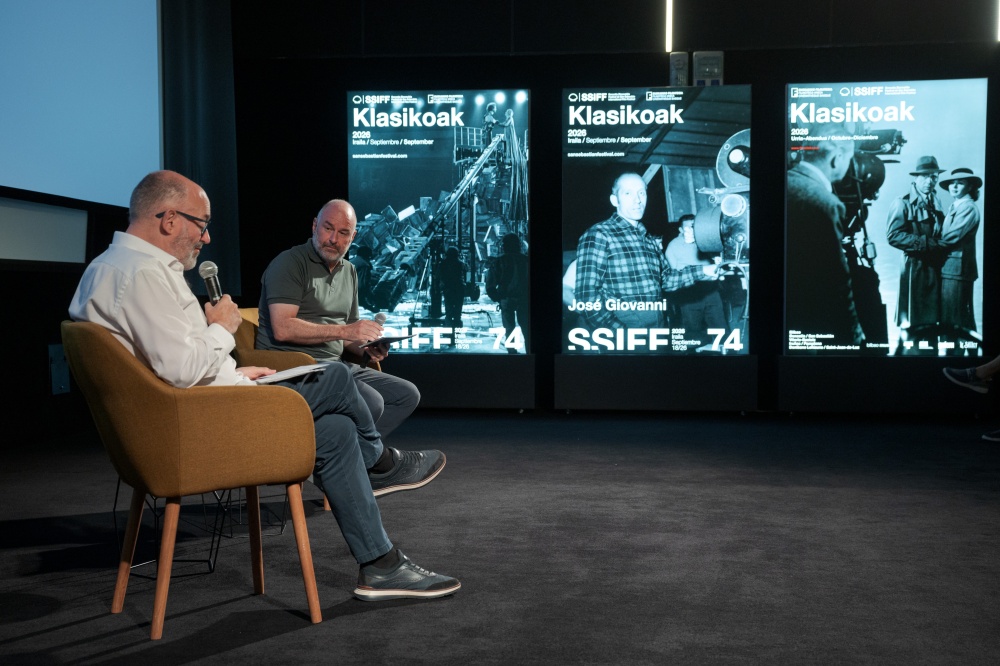
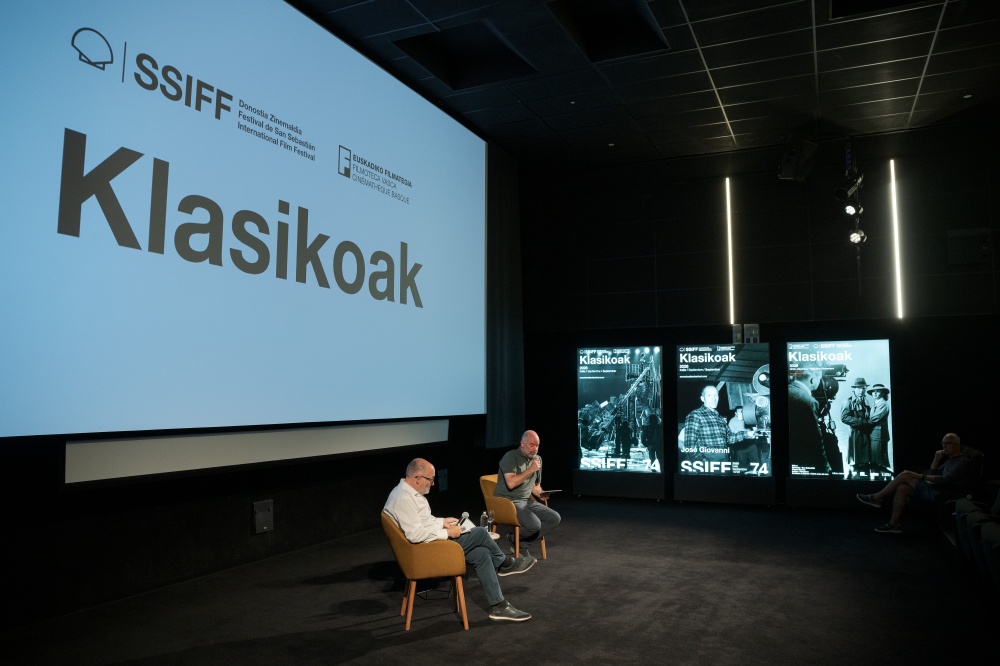
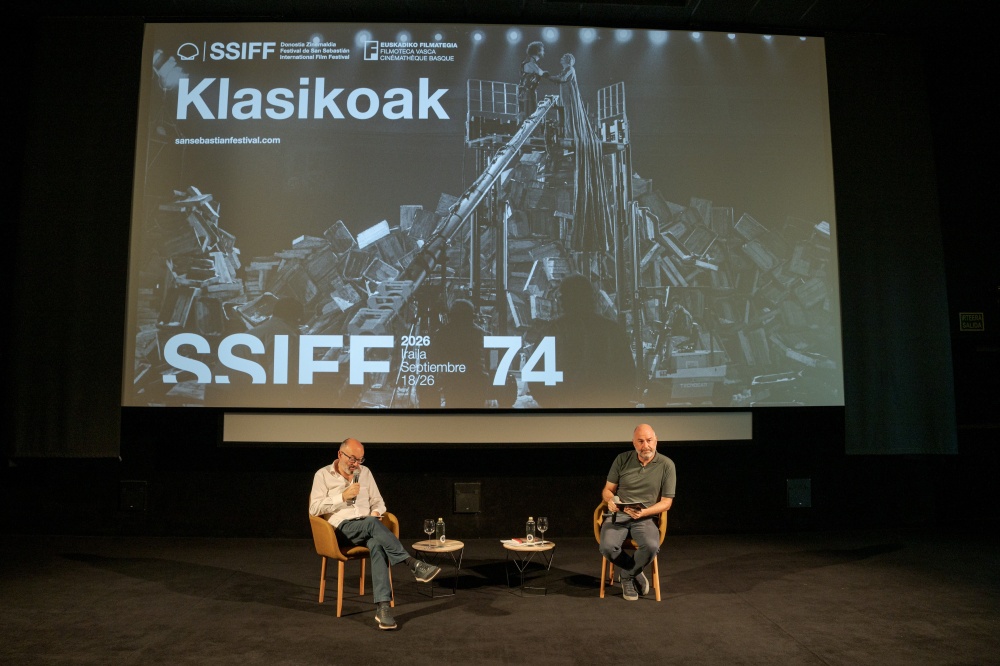
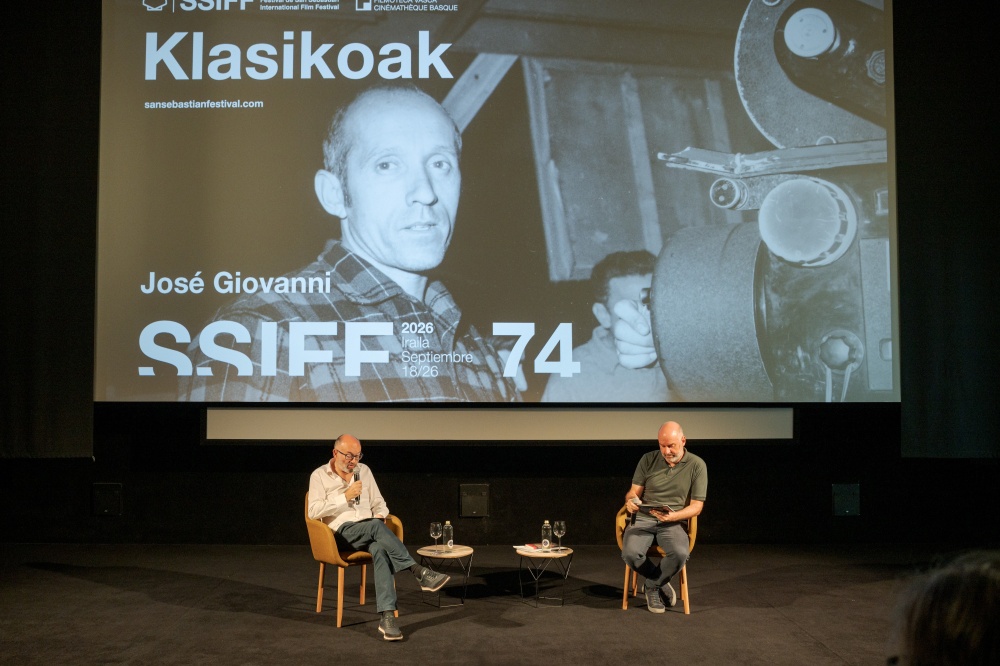
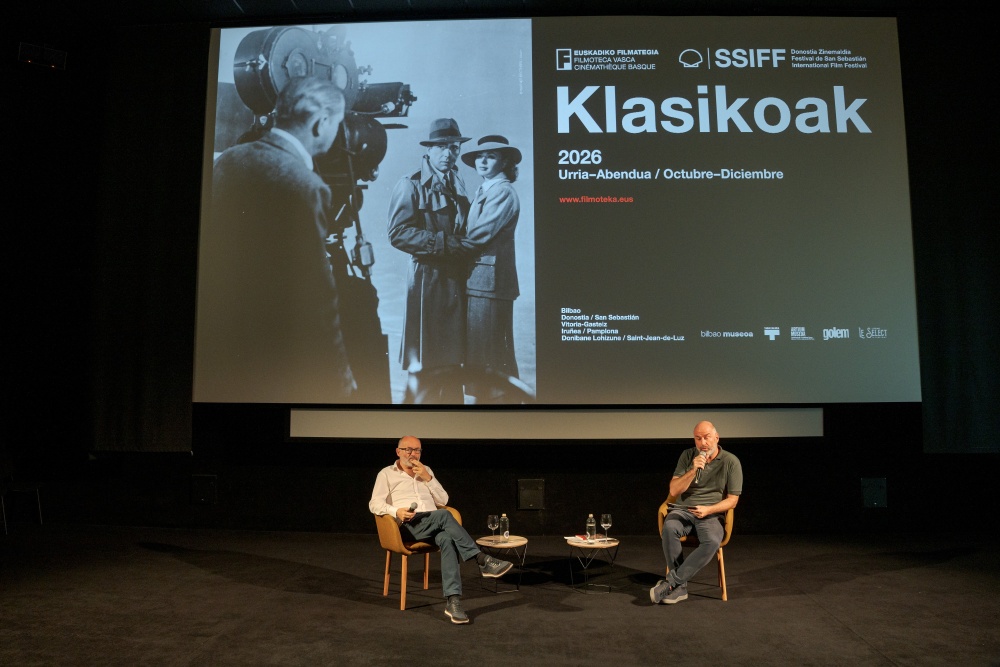
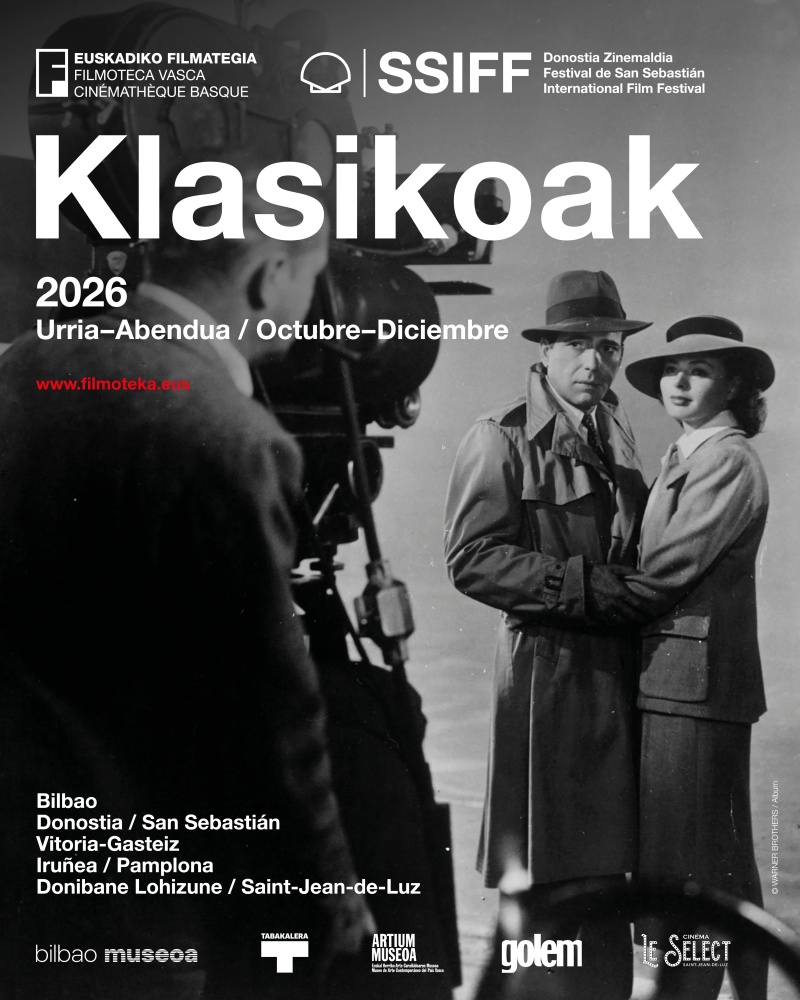
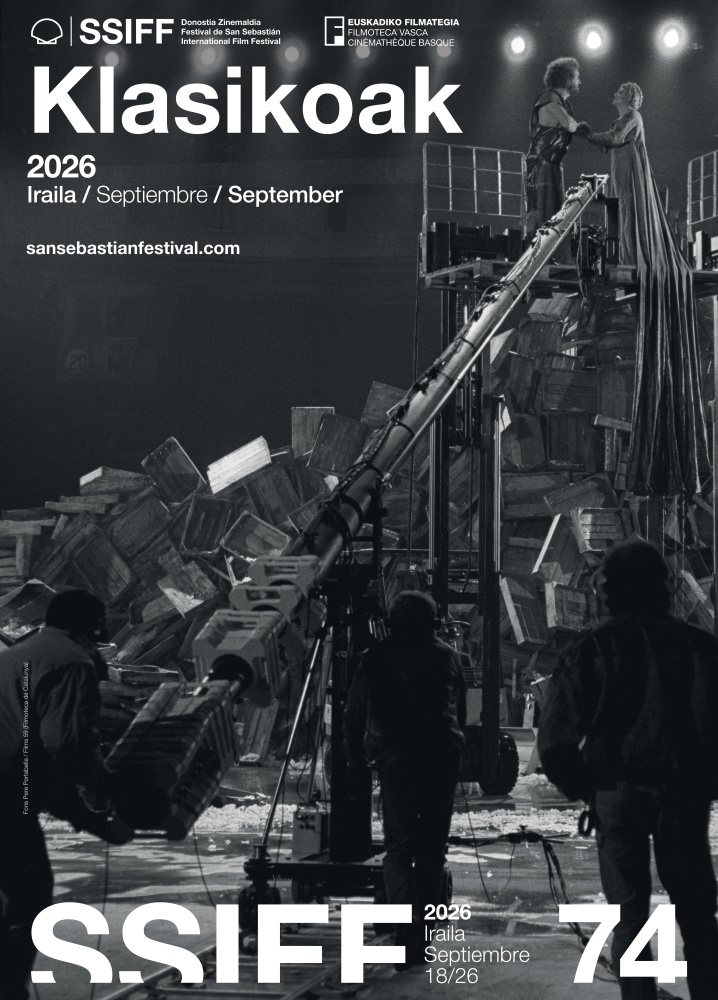
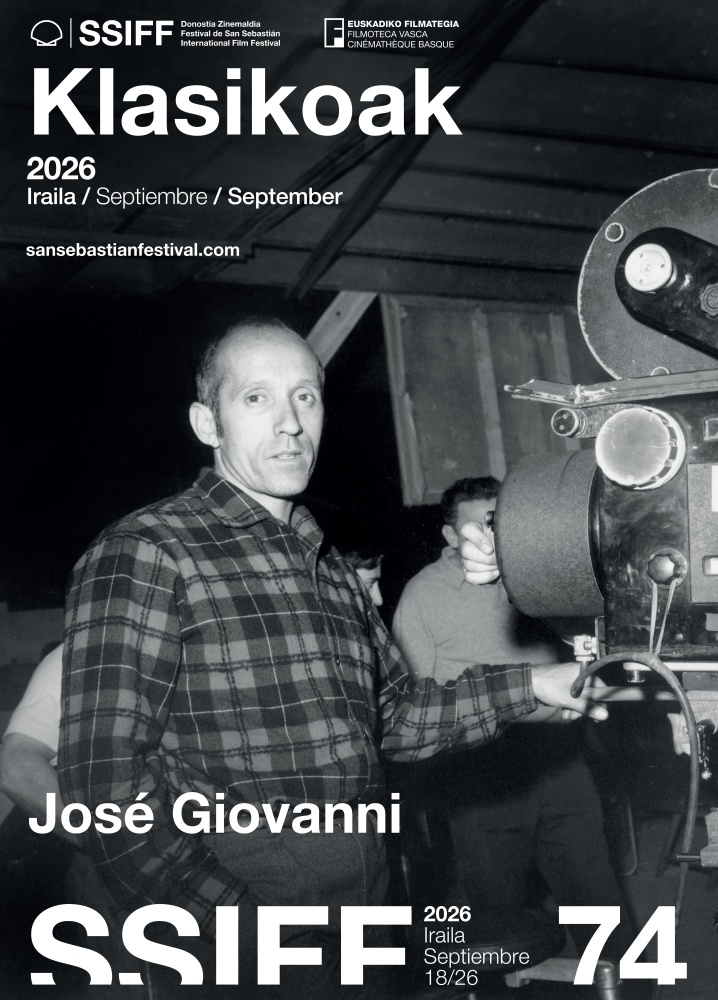
The selection of restored works was announced today in the Tabakalera cinema by the heads of the San Sebastián Festival, José Luis Rebordinos, and of the Filmoteca Vasca, Joxean Fernández, who also revealed the posters of the three programmes making up the Klasikoak initiative: the Festival’s homonymous section; its classic retrospective, dedicated this edition to the director and screenwriter José Giovanni; and the season jointly organised with the Filmoteca Vasca, which will show Casablanca as the first of the eleven titles to screen from October to December in Vitoria, Pamplona, San Sebastián, Bilbao and Saint Jean de Luz.
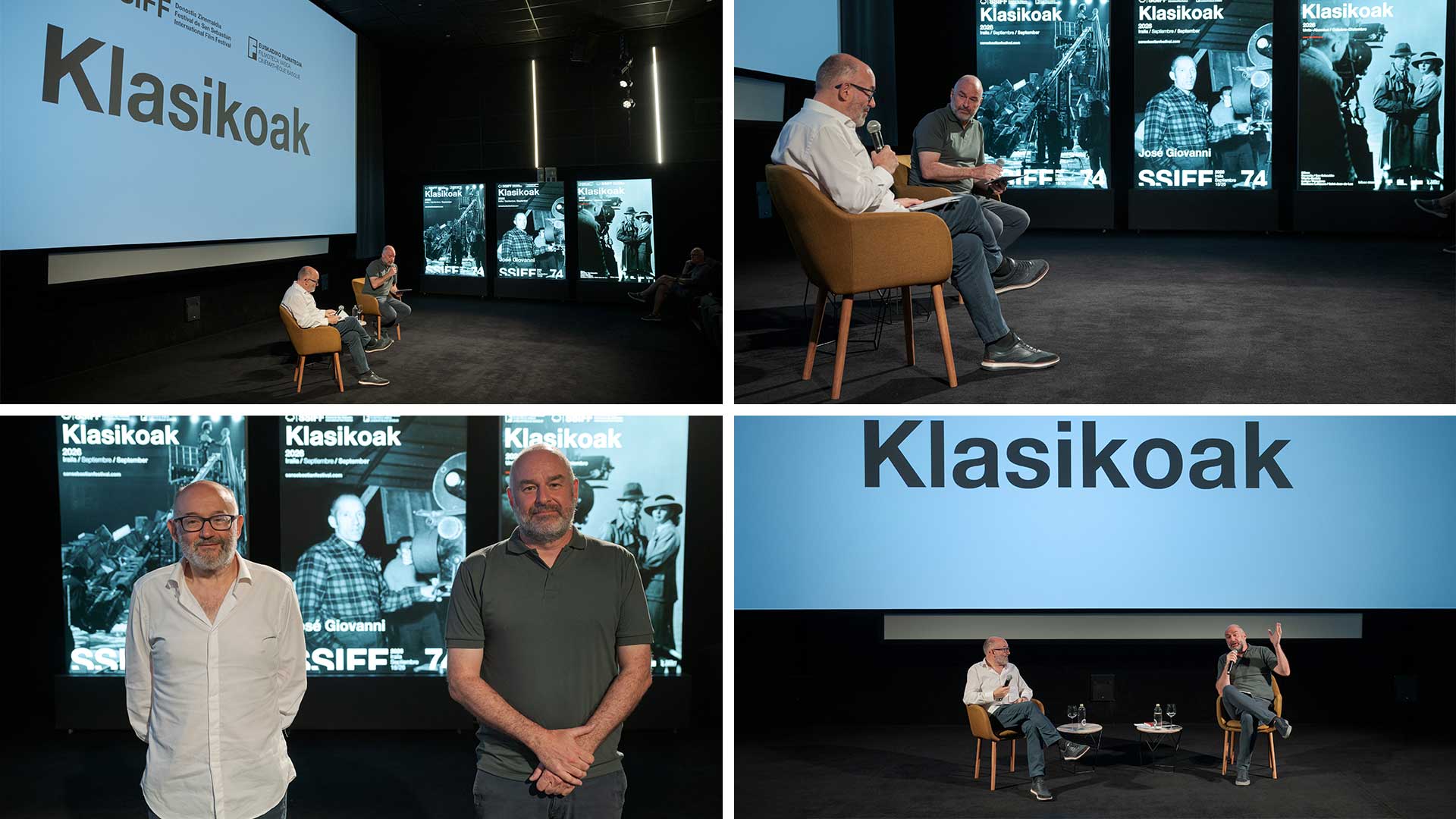
The Klasikoak brand will therefore offer, from September to December, 40 titles spread over 101 screenings of classics old and new, including both time-honoured films and revelations.
Klasikoak, conceived as a festival of classic films spread over time and space, is not a programme devised “as a simple exercise of nostalgia”. “What we propose is a look at the films of the past with the eyes of the present because films never stay the same. In every new screening the way we watch them can change and, in fact, a classic from 50 or 60 years ago may talk to us about highly topical subjects and prompt us to ask ourselves new questions”, said Rebordinos.
Klasikoak section
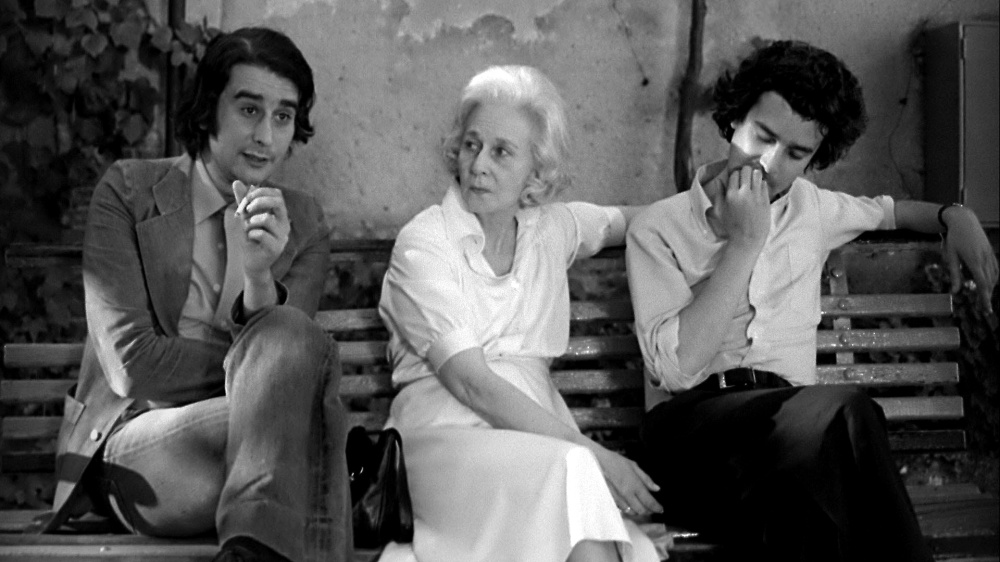
The Klasikoak opening film will serve as a display of reparation towards El desencanto (1976), the film by Jaime Chávarri (Madrid, 1943) that never competed at the 24th edition of the San Sebastián Festival due to the fact that its makers withdrew the work from the programme in protest against the death of the demonstrator Josu Zabala, killed by the Civil Guard. Tabakalera will host, until 27 September, an exhibition on the subject of the film and about how its withdrawal was decisive in the Festival’s subsequent democratic process. Having shed light on this influential dissection of the Panero family, Chávarri returned to the Festival with A un Dios desconocido (1977), winner of the Pearl of the Cantabrian Award, and directed titles including Las bicicletas son para el verano (Bicycles are for the Summer, 1984), Las cosas del querer (1989), Besos para todos (Made in Spanish, 2000) and Camarón (Velodrome, 2005).
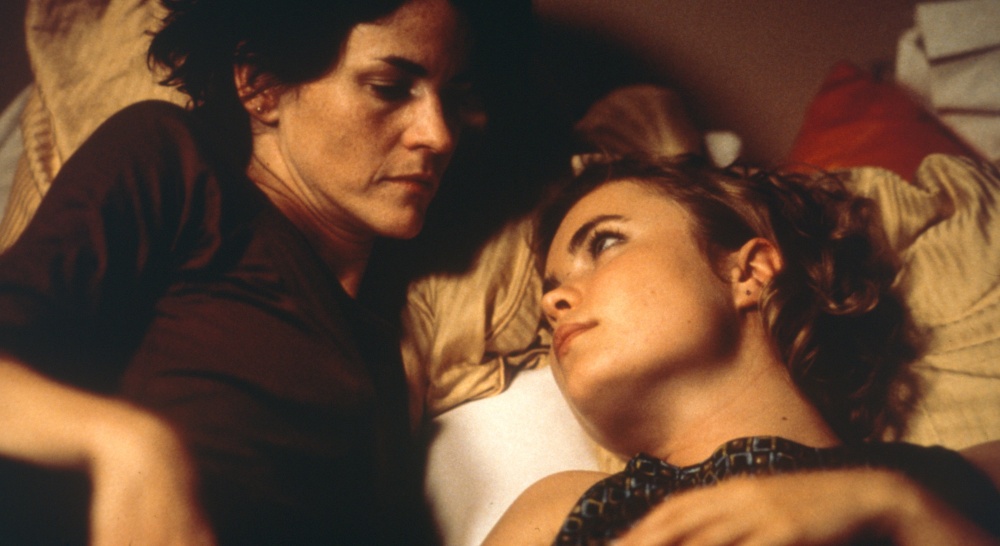
High Art (1998), bringing a romance between a young female intern at a small magazine company and a drug-addicted photographer, was the first feature film written and directed by Lisa Cholodenko (Los Angeles, 1964) , who later went on to pen titles such as Laurel Canyon (2002), Cavedweller (2004) and The Kids Are Alright (2010). Her debut competed at Sundance, where its screenplay carried off the Waldo Salt Award; it also participated in the Quinzaine des cinéastes at Cannes.
The section will similarly include the previously-announced screening of Ander eta Yul (1988), by Ana Díez (Tudela, 1957). In a version restored by the Filmoteca Vasca and EITB, this excellent Basque cinematographic work will screen in 4K, returning to the San Sebastián Festival at which it had its premiere 38 years ago, specifically in Zabaltegi-New Directors, and which precisely earned its helmer the Goya for Best New Director.
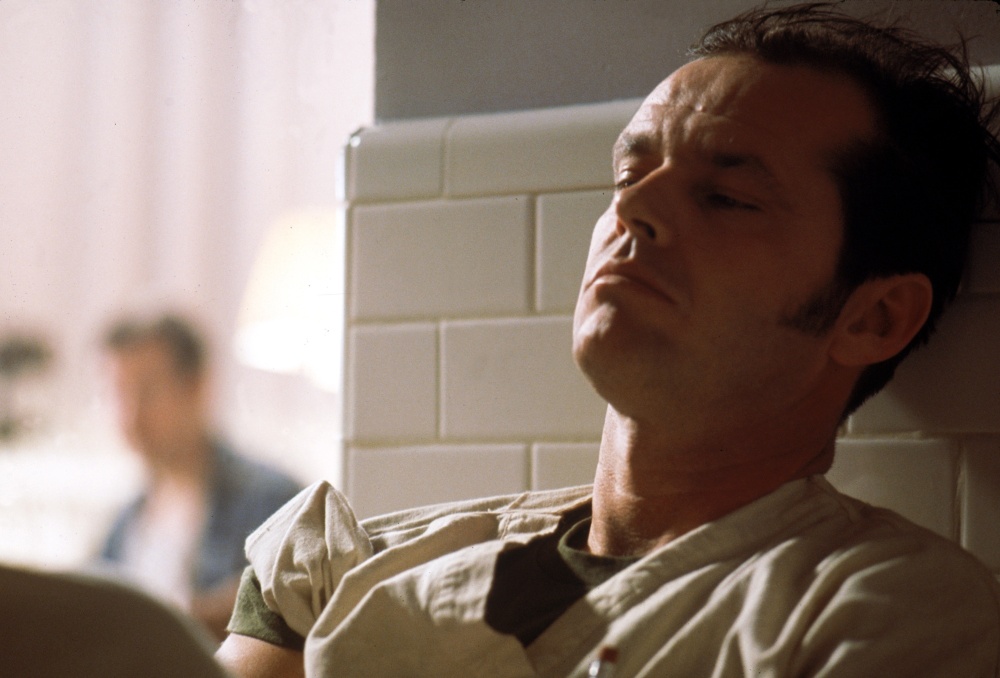
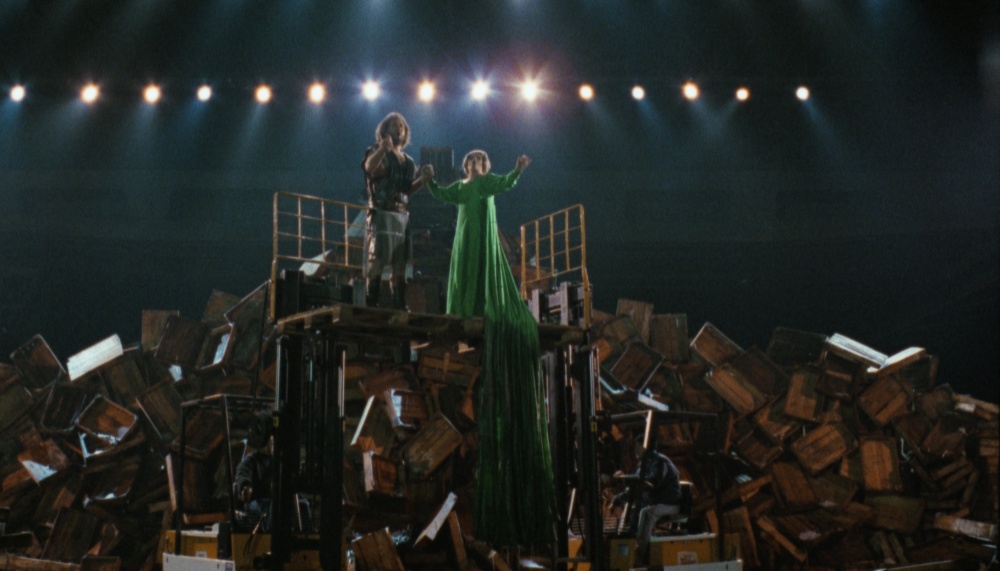
One Flew Over the Cuckoo’s Nest (1975), in which Miloš Forman (Čáslav, 1932 - Danbury, USA, 2018) tells the tale of criminal who feigns madness to get transferred to a mental institution, scooped five Academy Awards, including Best Picture, Director, Actor (Jack Nicholson) and Actress (Louise Fletcher). Having directed his first films in his native Czechoslovakia, in 1968 Forman took exile in the USA where he directed enormously successful films including Amadeus (1984), The People vs. Larry Flynt (1996) and Man on the Moon (1999). In Spain he shot Goya’s Ghosts (2006), featuring Javier Bardem in the cast.
The meeting at a cocktail party between a teacher, a writer and an orchestra conductor provides the starting point for Pont de Varsòvia /Warsaw Bridge (1989), the film with which Pere Portabella (Figueres, 1927) made his last appearance at the Quinzaine des cinéastes in Cannes. He also participated in said section with Nocturn 29 (1968), Vàmpir-Cuadecuc (1970) and Umbracle (1972). The Catalan filmmaker participated in Made in Spain in 2024 with the segment El plan hidrológico of the omnibus film Hay motivo / There is Good Cause.
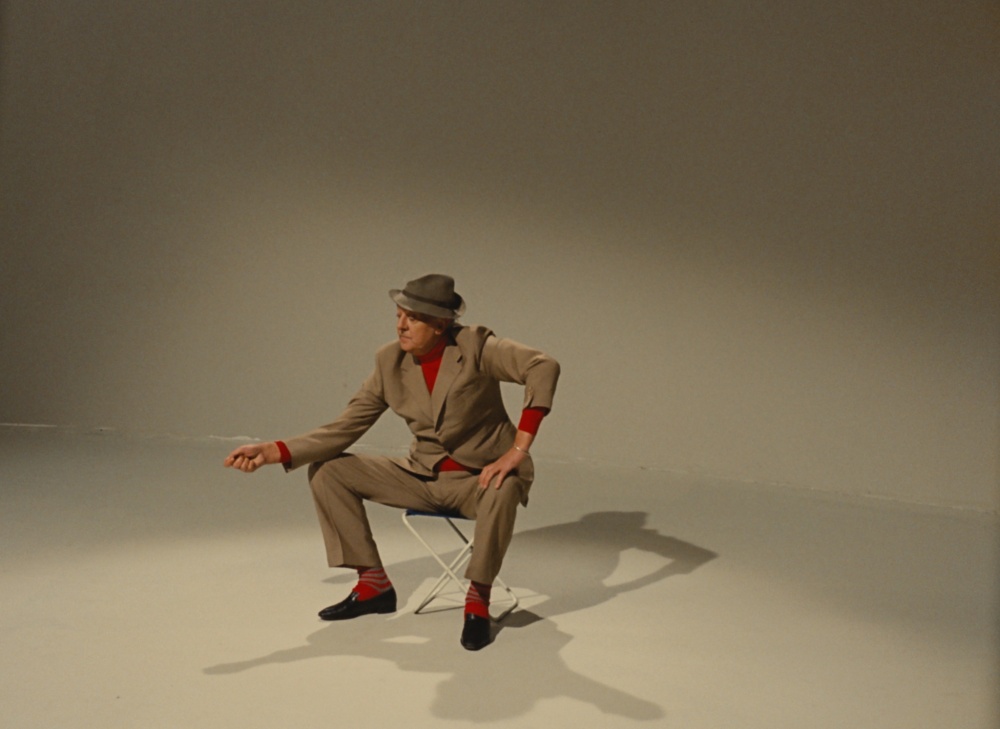
Parade (1974), the last feature film by Jacques Tati (Le Pecq, 1907 - Paris, 1982), can be seen in San Sebastián 42 years after its premiere out of competition at Cannes. For his farewell, the director of classics including Jour de fête (The Big Day, 1949), Les Vacances de Monsieur Hulot (Monsieur Hulot’s Holiday, 1953) and Mon oncle (1958), returned to the music hall for Swedish television at a Stockholm circus to perform the mime acts that made him famous.
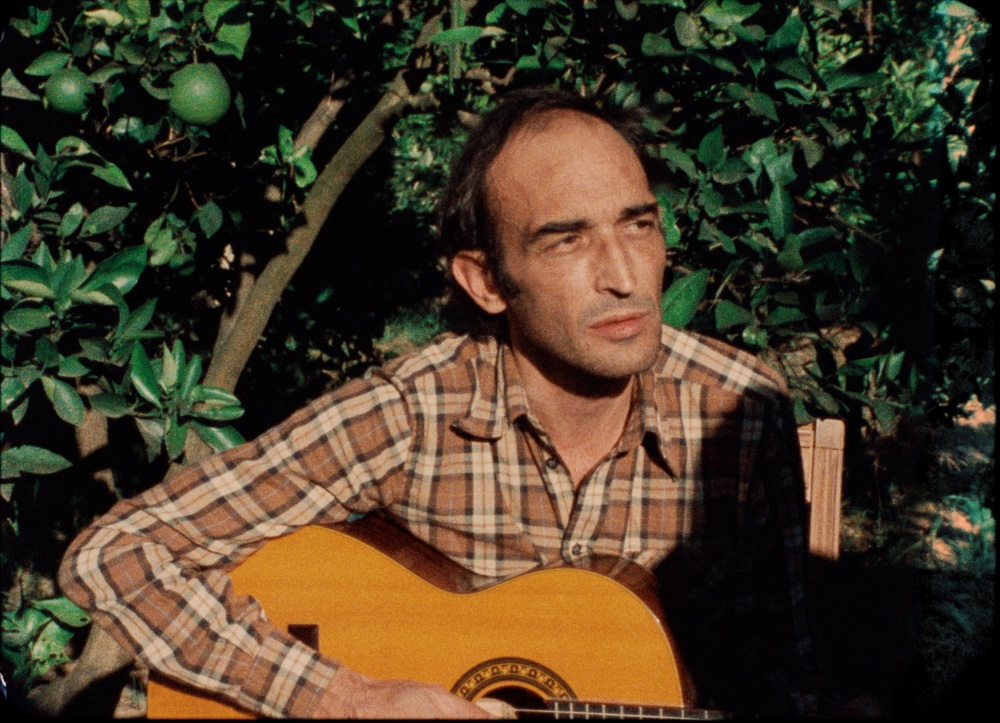
Chicho o mientras el cuerpo aguante (una comedia didáctica) (Official Selection, 1982) is a non-fiction feature film on the life of the singer-songwriter and philosopher Chicho Sánchez Ferlosio through his resistance songs. This was the second feature from Fernando Trueba (Madrid, 1955), winner of the Academy Award for Belle époque (1993), who will present another musical film this year in San Sebastián, Bajañí, programmed out of competition as a Special Screening in the Official Selection.
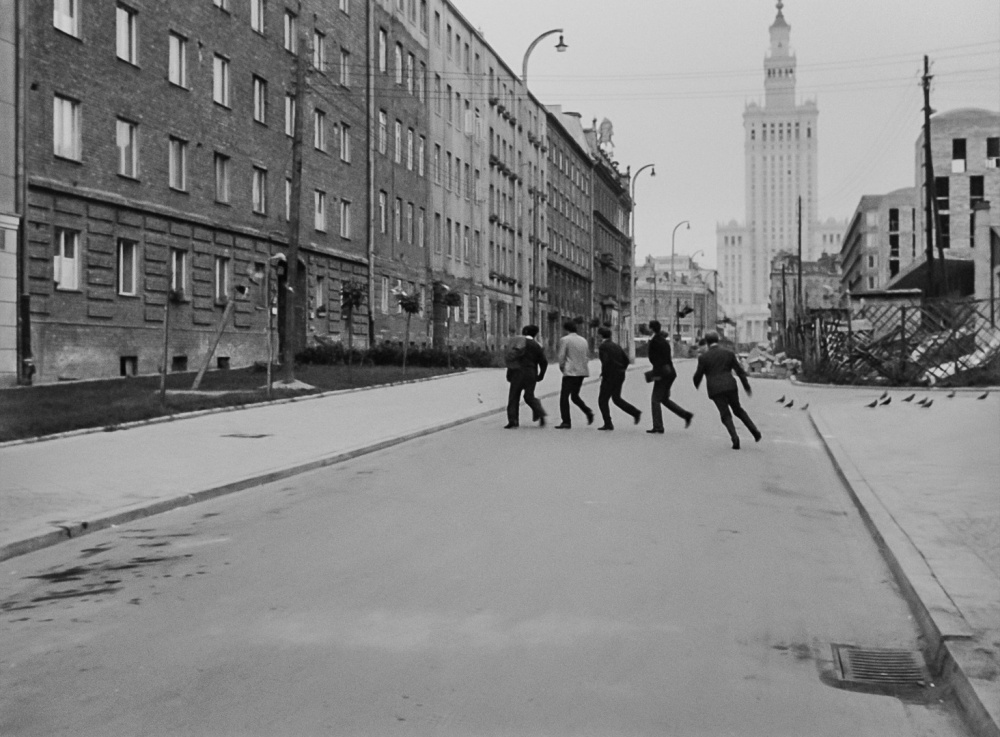
The Festival will also offer a new screening of Niewinni czarodzieje / Innocent Sorcerers (1960), one of the films to have participated in 1961 in San Sebastián’s II International Meeting of Film Schools, bringing an intimate portrait of urban youths in post-war Poland. The Polish filmmaker Andrzej Wajda (Suwałki, 1926 – Warsaw, 2016) competed in the Official Selection with Wesele (The Wedding, 1973), winner of the Silver Shell for Best Director; with Dyrygent (The Orchestra Conductor, FIPRESCI Prize, 1980), and with Człowiek z żelaza (Man of Iron, 1981), which had previously landed the Palme d’Or at Cannes and an Academy Award nomination.
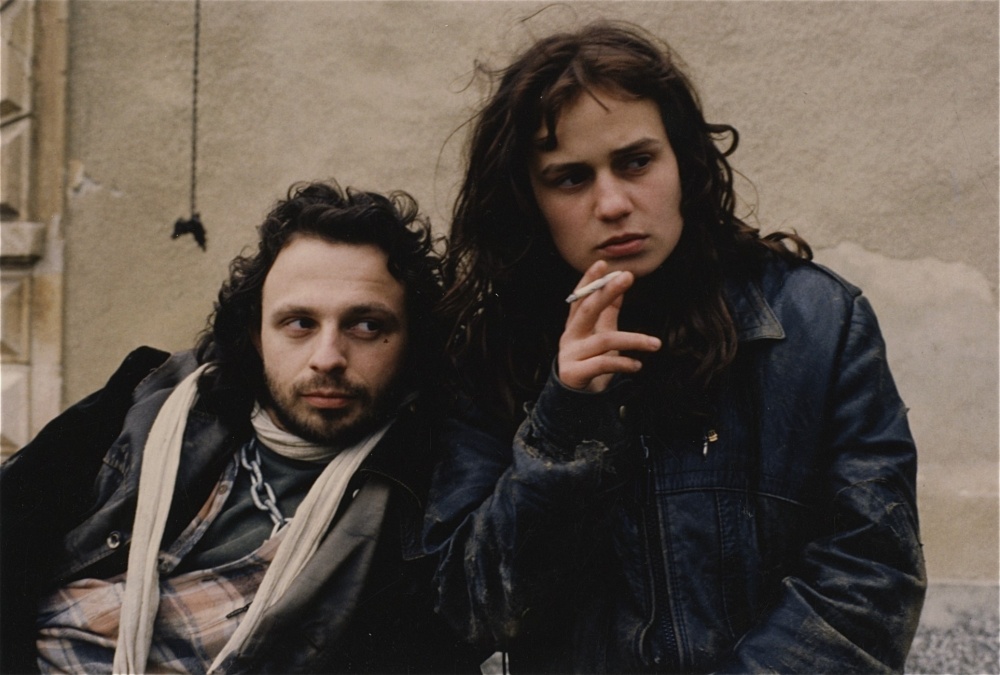
Also to show in Klasikoak is Sans toit ni loi / Vagabond (1985), winner of the Golden Lion and of the FIPRESCI Prize at Venice Festival directed by the pioneer of the Nouvelle Vague, Agnès Varda (Ixelles, Belgium, 1928 - Paris, 2019), the film follows the last days of a young vagabond whose frozen body is found in a ditch in southern France. Worthy of note among the films of the Belgian director are Cléo de 5 à 7 (Cleo from 5 to 7, 1962), which que competed in Cannes; Daguerréotypes, included in the Films by Women season at San Sebastián in 1978; Les plages d’Agnès (The Beaches of Agnès, 2008), included in the .doc-New paths of non-fiction season at San Sebastián 2010, and Visages, Villages (Faces and Places, co-directed with JR, 2017), Oeil d’Or for Best Documentary Film at Cannes, nominated for the Academy Award and screened at San Sebastián in 2017, when Varda received the Donostia Award.
José Giovanni Retrospective
As recently announced, a total of 20 feature films premiered between 1960 and 2001 will make up the retrospective dedicated to the French filmmaker, screenwriter and novelist José Giovanni, indisputable figure of the golden age of French crime films. At its 74th edition, the San Sebastián will show almost all of the films penned by Giovanni as a director, as well as eight titles written by him for filmmakers including Jacques Becker, Jean-Pierre Melville, Jacques Deray, Claude Sautet, Henri Verneuil and Robert Enrico.
Organised by the Festival and the Filmoteca Vasca with the collaboration of the Filmoteca Española, the season will also come with the publication of a book, José Giovanni. No hay vida plena sin piedad, written by Felipe Cabrerizo and edited by Quim Casas, critic and member of the Festival’s selection committee.
The Klasikoak section will continue to run from October to December
The Filmoteca Vasca and the San Sebastián Festival will continue to run the Klasikoak programme from October to December. The season will open with Casablanca (Michael Curtiz, 1943) at its first screening by the Basque institution and whose protagonists – Ingrid Bergman and Humphrey Bogart – provide the image of the poster for the edition. In the words of Joxean Fernández, director of the Filmoteca Vasca, “Casablanca is a Hollywood classic of classics. Directed by a Hungarian, starring a Swedish woman and an American man, it has a truly international cast and a distinguished constellation of supporting actors. The mise en scene and dialogues of Casablanca create an unbeatably romantic spirit and leave no doubt as to its anti-fascist convictions. For those who don’t know the film, discovering it at this stage of the 21st century on the big screen and in its original version should be an unforgettable intimate experience; while taking another look at it in these same conditions should make us feel once again that only mysterious and specific doses of talent and fate can give birth to perfection”.
Fernández also underlined the importance of this shared initiative: “Collaboration with the San Sebastián Festival and with other film archives strengthens our network, both here and internationally. Thanks to alliances such as these, we can continue to bring the big music classics to the general public. Klasikoak therefore reminds us of the arguments forwarded by the philosopher and professor Nuccio Ordine when referring to the classics in literature: they are alive and timeless, they teach us the art of living, they help us to adopt an analytical approach towards reality, they awaken unbiased curiosity and cultivate our empathy.
Casablanca (Michael Curtiz, 1942) will screen on 7 October in Vitoria (Artium Museoa), on the 8th in Pamplona (Golem), the 9th in San Sebastián (Tabakalera), the 10th in Bilbao (Museo Bellas Artes) and the 12th in Saint Jean de Luz (Le Sélect).
The full programme, to include 11 titles and several presentations, will be announced in late September.
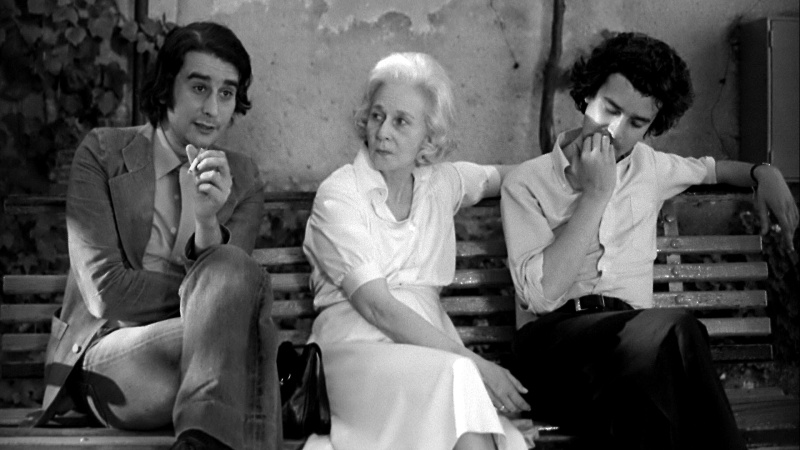
Following the death of the official poet of the Francoist regime, Leopoldo Panero, his widow (Felicidad Blanc) and his three sons (Juan Luis, Leopoldo María and Michi) meet to remember his figure. Shot in the final stages of the Franco era, the film became an unwitting metaphor of a country that was starting to air its secrets and into an emblem of the Spanish Transition.
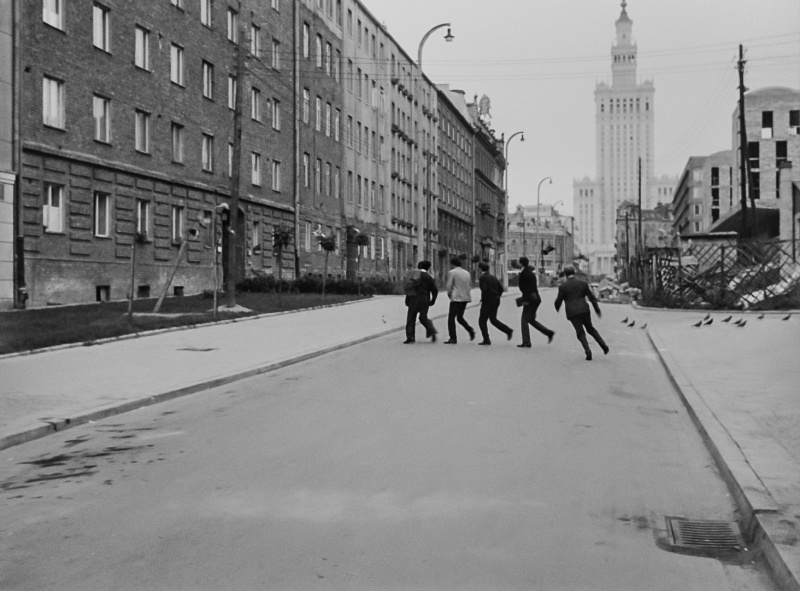
The story follows Andrzej, a young doctor with a passion for jazz, a somewhat cynical persona with a carefree lifestyle. One night he meets a mysterious young woman called Pelagia with whom he spends the night playing a game of seduction full of masks, irony and mistrust. For a few hours, their relationship evolves between attraction and detachment, revealing the difficulty of establishing real ties in an environment marked by emotional uncertainty.
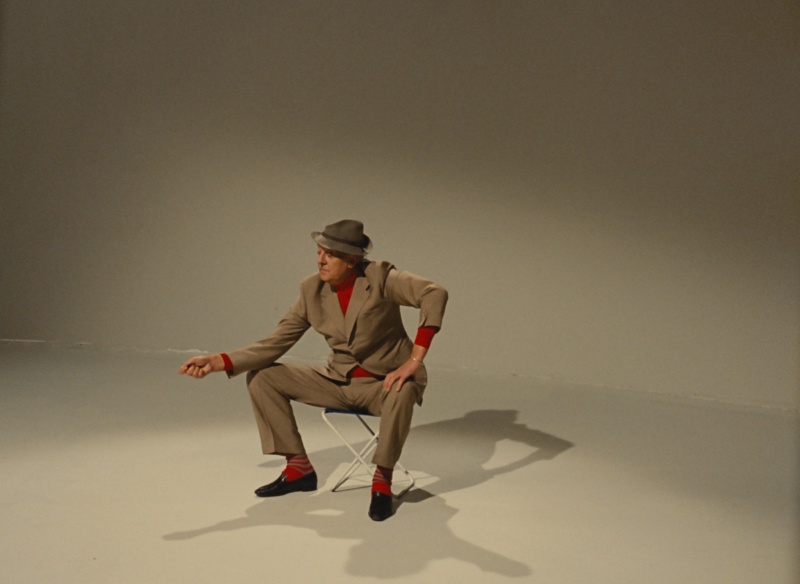
Return to the ring and to the music hall for Tati who, shot at the Stockholm Cirkus for Swedish television, made a video recording of the mime acts that earned him fame across Europe. Surrounded by virtuoso artists: musicians, clowns, acrobats, in an atmosphere of joy and total freedom, Tati poses the question of the generation takeover while celebrating the colourful inventiveness of childhood.
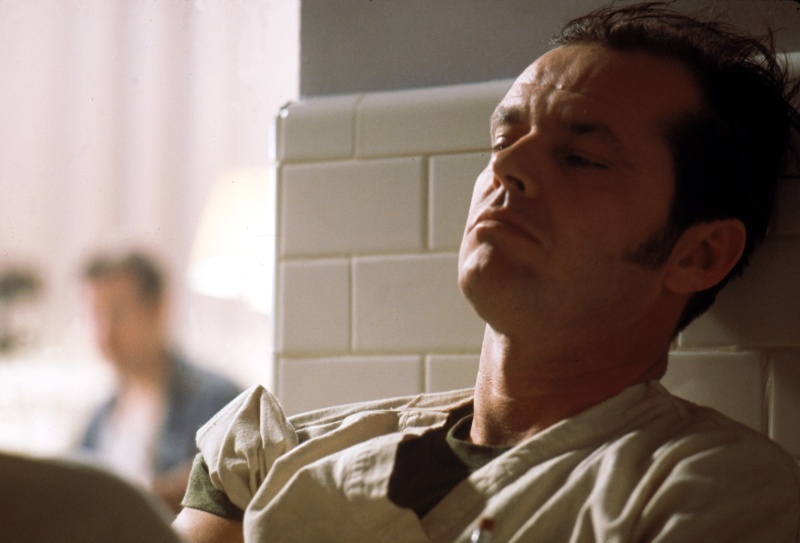
When Randle Patrick McMurphy gets transferred for evaluation from a prison farm to a mental institution, he assumes it will be a less restrictive environment. But the martinet Nurse Ratched runs the psychiatric ward with an iron fist, keeping her patients cowed through abuse, medication and sessions of electroconvulsive therapy. The battle of wills between the rebellious McMurphy and the inflexible Ratched soon affects all the ward's patients.
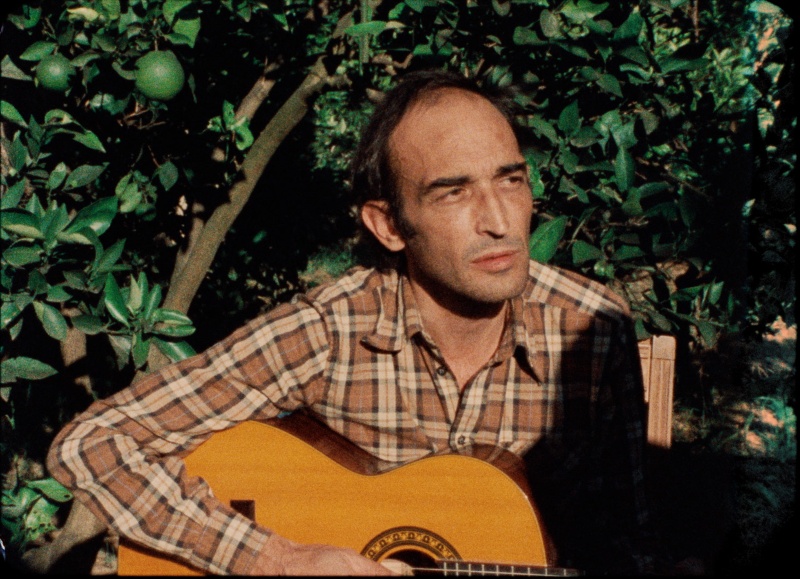
Non-fiction film about the life of the singer-songwriter and philosopher Chicho Sánchez Ferlosio, son of the phalangist writer Rafael Sánchez Mazas and brother of the author Rafael Sánchez Ferlosio. The film portrays the everyday existence and reflections of an unrepeatable songsmith, by then distanced from political and social life, and of the filming apparatus itself, with Fernando Trueba directing his second feature. An approach to the life of Chicho and his partner Rosa through his resistance songs.
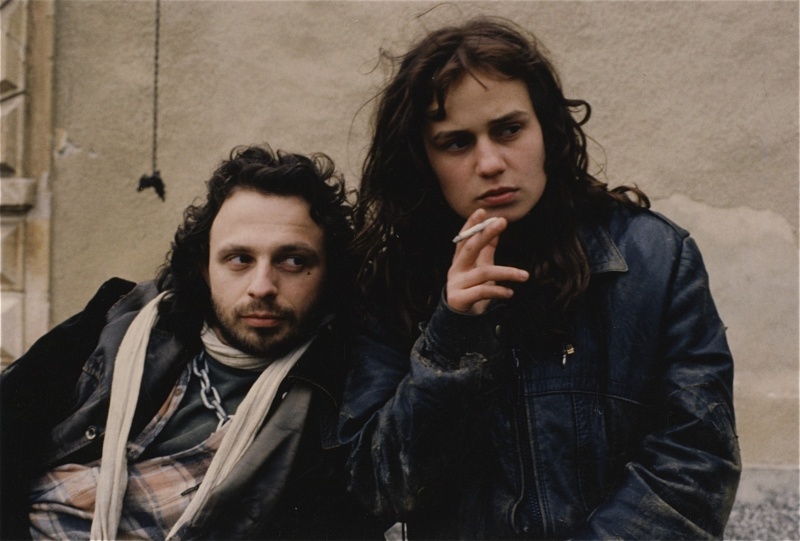
It's winter in the south of France when a young girl's frozen body is found in a ditch. She's filthy, a vagabond. Through flashbacks and brief interviews, we follow her last weeks, when she camps out alone or shacks up with a motley crew of men and women, many of whom lump their own needs onto her or try to influence the course of her life. Through other encounters, and the odd rejected offer of help, she pushes herself further into loneliness and silence.
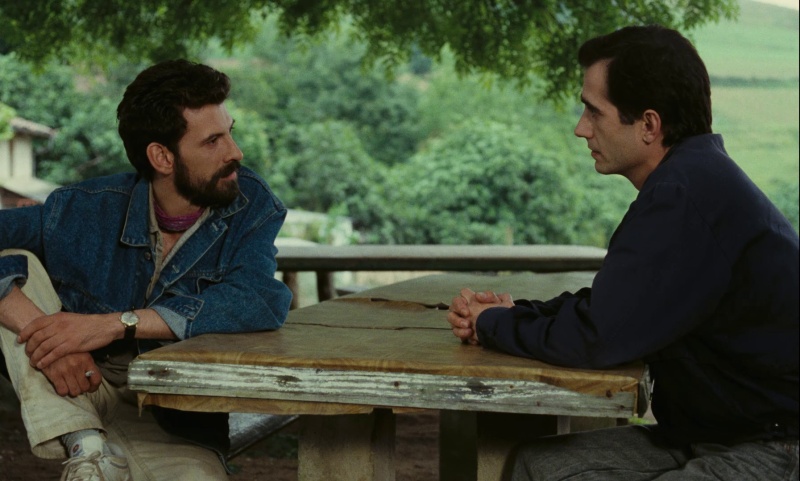
Ander, released from jail on completing his sentence, returns to his father's house. This homecoming revives the nostalgia of a family with which he had broken all ties, while the urban landscape confronts him with a love he can almost feel. He also runs back into Yul, his best friend, who in all likelihood took his place in his home when he decided to leave. But the society they live in proves to be relentless in deciding their fate, against which they have no power to act.
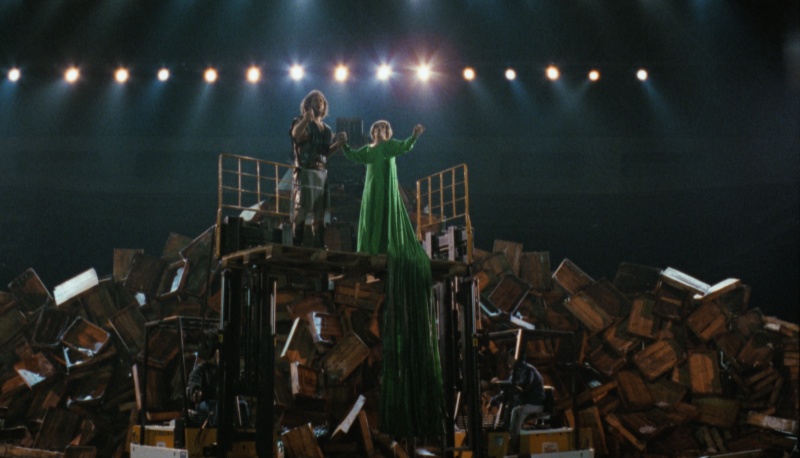
A teacher, a writer and an orchestra conductor - three people, two couples - attend a fancy literary cocktail party. The writer has recently won the prize for his book Puente de Varsovia. The winner answers the journalist's questions one after the other, but is unable to come up with a synthesis of the plot of his book. They will simply have to read it. The next thing, the orchestra conductor's body decked out in scuba diving gear turns up in a burnt forest.
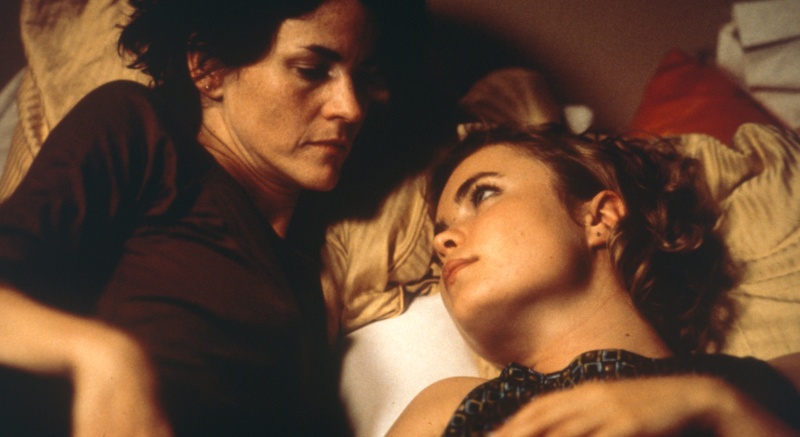
A young female intern at a small magazine company and a drug-addicted lesbian photographer slowly fall in love while exploiting each other to get ahead in their respective careers.
 Videos
 Images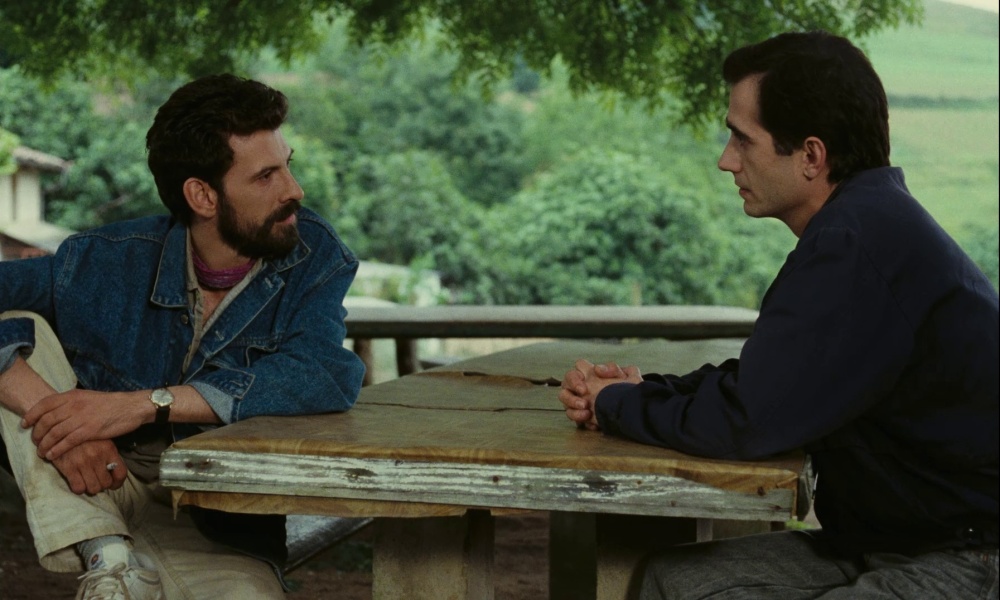



















Monday to Sunday from 09:00 to 14:00
and from 16:00 to 20:00