








Sponsors



Partner



















Z365" or "Festival all year round" is the new strategic point of the Festival in which converge investigation, accompaniment and development of new talents (Ikusmira Berriak, Nest); training and cinematic knowledge transfer (Elías Querejeta Zine Eskola, Zinemaldia + Plus, Filmmakers' dialogue); and investigation, disclosure and cinematic thought (Z70 project, Thought and Discussion and Research and publications).
 Calls for entries - 2026 Log-in to MY FESTIVAL
  Agenda Programme and tickets Search
Half a century later, the Klasikoak section will screen a restored copy of the film by way of reparation
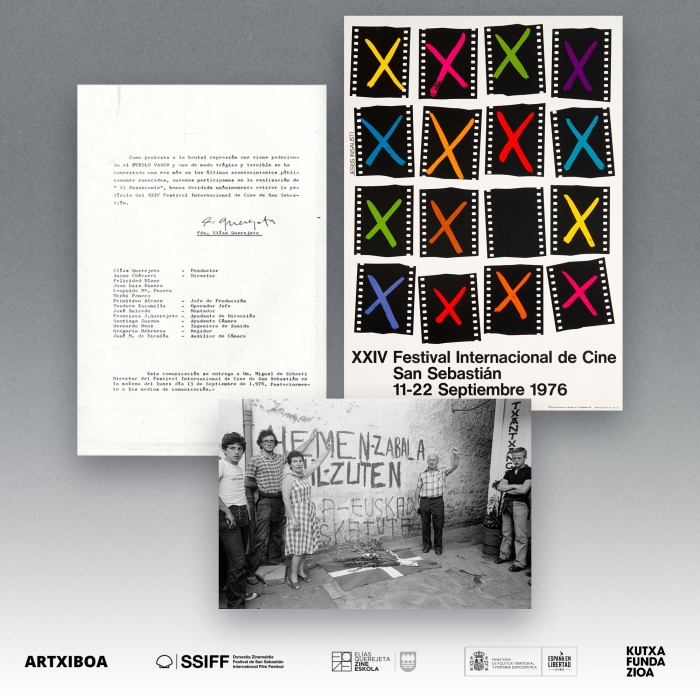


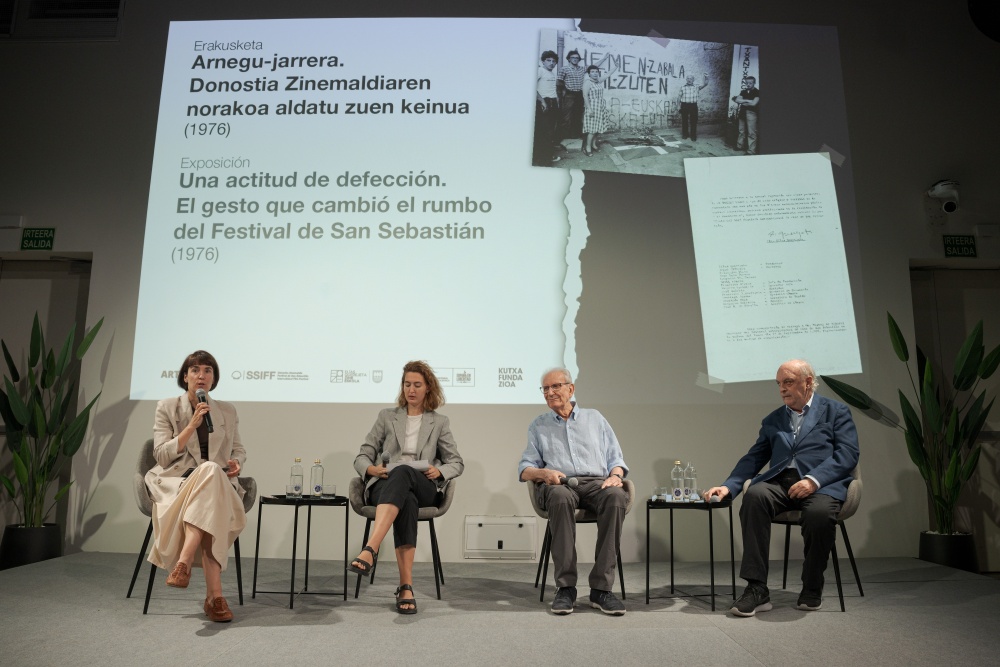
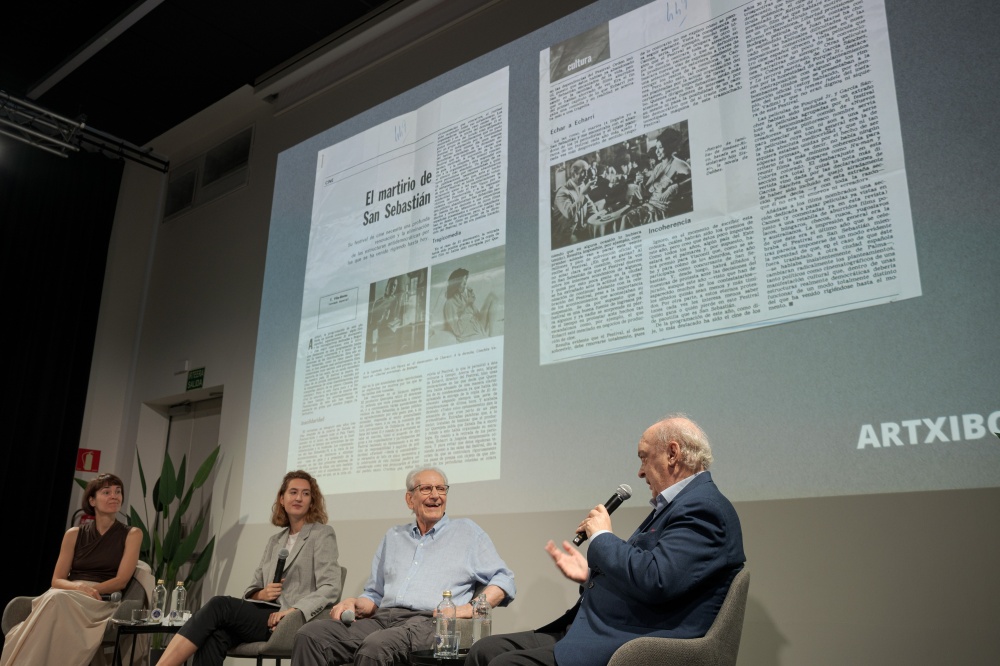
An exhibition generated by the Artxiboa project —with original documentation and unseen materials from the San Sebastian Festival’s historical archive—will take a critical look back at the events that followed the death of demonstrator Josu Zabala, shot by the Civil Guard. In protest against that occurrence, which happened on 8 September 1976 just before the start of the 24th edition, the team of El desencanto / The Disenchantment withdrew the film from the Official Selection and numerous journalists refused to cover news of the event in view of the indifference shown by its executive body. As a gesture of reparation, this year the Festival will screen at the opening of Klasikoak a restored copy of a film whose withdrawal marked a changing point in the event’s subsequent process of democratisation.
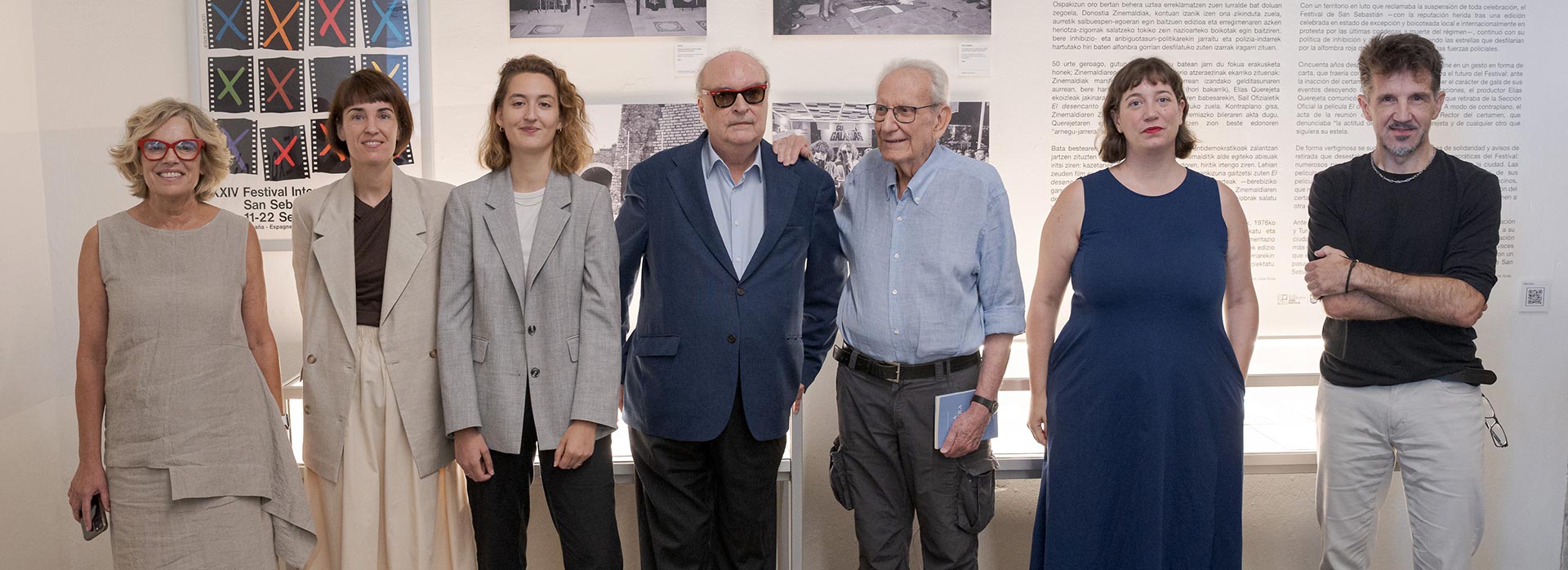
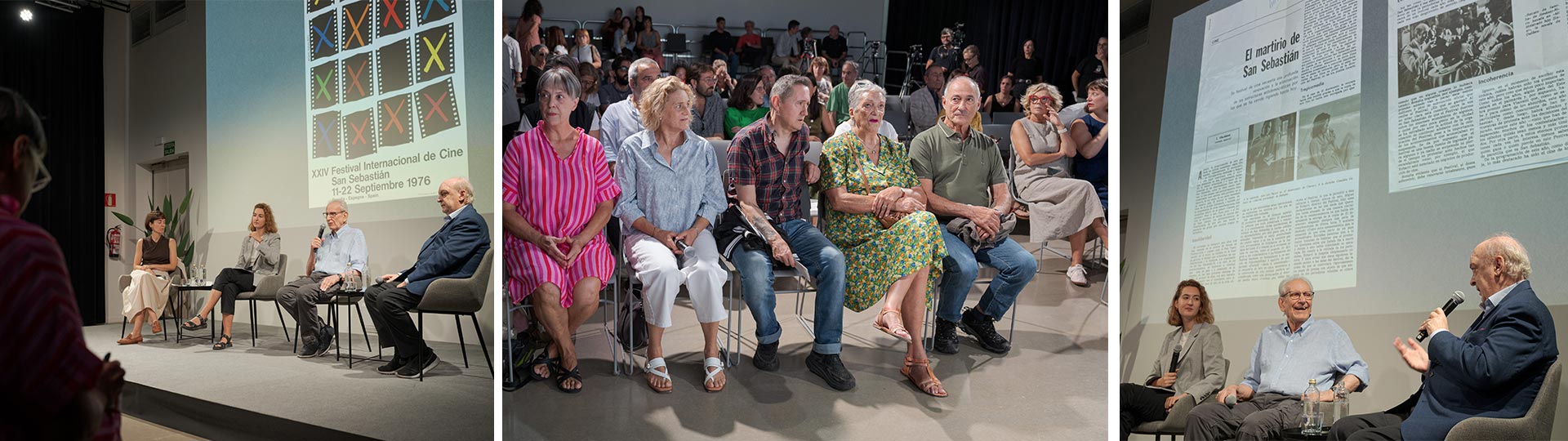
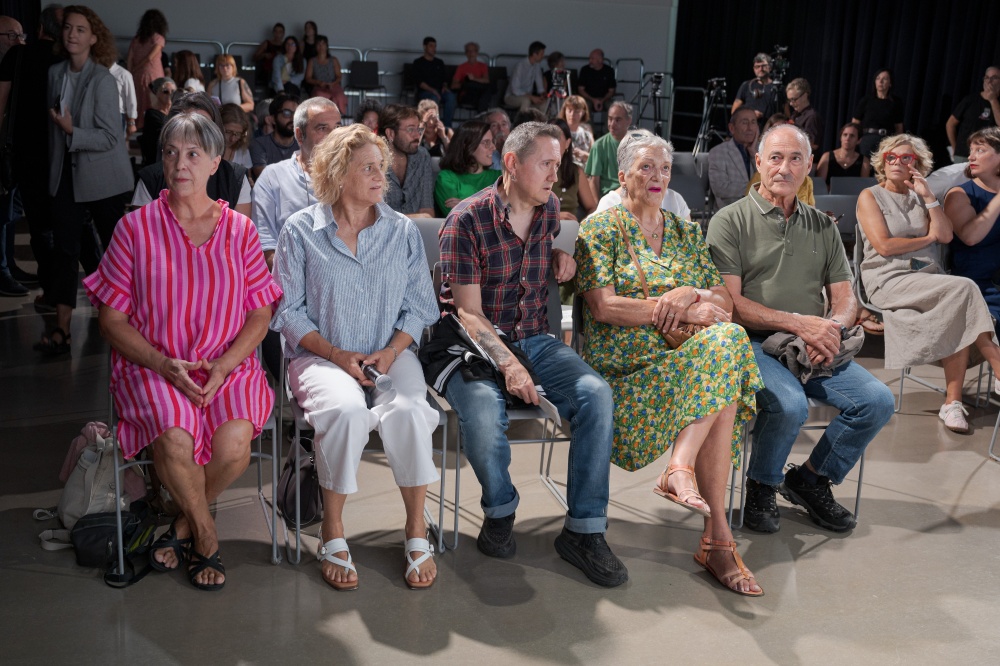
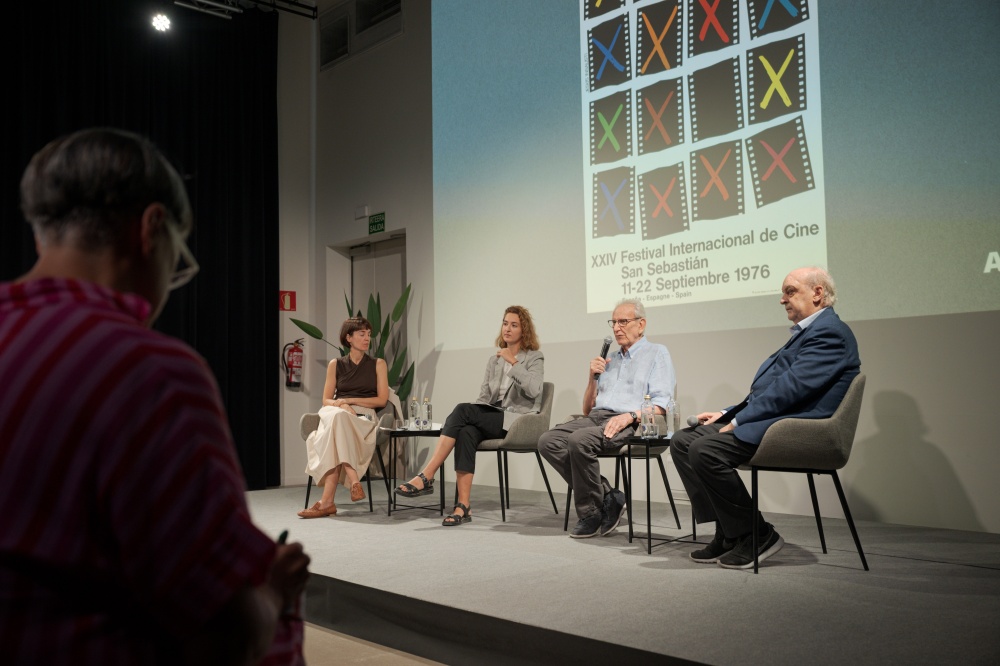
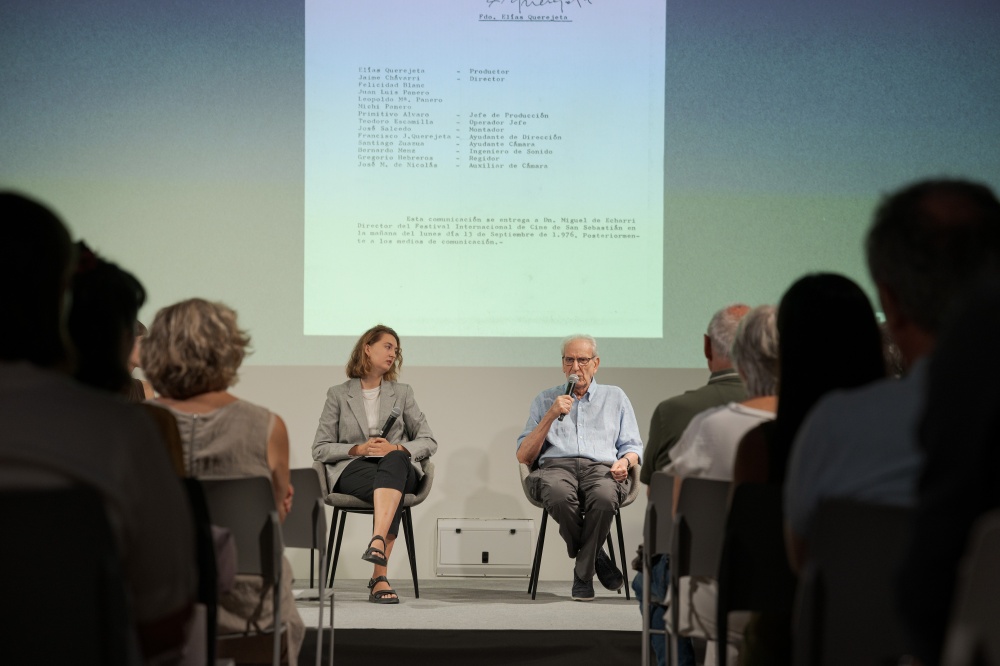
Under the title “An attitude of defection”. The gesture that changed the course of the San Sebastian Festival (1976), the exhibition can be visited from today and until 27 September on the first floor of Tabakalera. Today’s opening was attended by the Deputy Director of the Festival Maialen Beloki, and the Head of Artxiboa, Irati Crespo, accompanied by the filmmaker Jaime Chávarri and the writer Enrique Vila-Matas, who covered the 1976 edition as a journalist. The exhibition has the collaboration of the Holding of the 50th Anniversary of Spain in Freedom, the Elías Querejeta Zine Eskola and the Kutxa Fundazioa.
“In protest against the brutal repression suffered by the Basque people and which in a tragic and terrible fashion has once again raised its ugly head in the latest publicly known events, those of us who have a hand in the production of El desencanto have unanimously decided to withdraw the film from the 24th San Sebastián International Film Festival”, reads the letter sent on 13 September first of all to the director of the event, Miguel de Echarri, and later to the press, by the producer Elías Querejeta, the director Jaime Chávarri and a good part of the cast appearing in the feature film, including Felicidad Blanc and the Panero brothers.
The original missive can be seen in the exhibition alongside the original poster of the 24th edition, photographs of those editions and numerous telegrams, in which representatives of the industry and of other productions voiced their solidarity with the team of El desencanto, complaining that the Festival would not allow them to withdraw their films and censoring a festival “which had become a repressive instrument at the service of the administration”. Those were the words expressed in a statement by personalities including José Sacristán, Geraldine Chaplin, Carlos Saura, Pedro Olea, Emilio Martín Lázaro and Eloy de la Iglesia, who demanded a “democratic festival”.
Also included are letters sent to the Festival director by figures from the industry and informers who decided to abandon the event after reproaching its director for having “voluntarily chosen to ignore” the expressions of solidarity and the “violent repression systematically meted out by the forces of public order”. Among the signatories are Maruja Torres, Ángel S. Harguindey, Diego Galán, Antonio Giménez-Rico, Elisenda Nadal and Pilar Miró.
In addition to a caricature from the satirical magazine El Papus, referring to a “San Sebastián Festival of stuffed shirts”, the exhibition also retrieves the chronicle penned by the writer Enrique Vila-Matas, at that time 28 years old, as collaborator of the weekly magazine Destino, entitled The Martyrdom of San Sebastián. Full of irony and critical spirit, the text supported the need for “in-depth renovation” of the Festival and for “elimination of the anti-democratic structures that have been governing it until today”.
San Sebastian takes over responsibility for the Festival
A short telegram from the actress Ángela Molina reading —“I thank you for and do not accept your invitation (to the) Festival in sympathy with the pitiful situation (of the) Basque Country” — contrasts with the pompous tone of the minutes of the meeting held to study the situation by the Festival governing committee on the 13th in the Hotel de Londres. In said minutes, they agree to respond to Querejeta saying that withdrawing the film “contravenes” the rules and warning him that they would make the facts known to the International Federation of Producers (FIAPF), as well as threatening to follow the same criterion “with any other producer who may adopt the same attitude of defection as Mr. Querejeta”.
That said, in the minutes the governing committee also admitted that, in view of the events and of the prevailing climate, the Ministry of Information and Tourism “intends to calmly study the advisability of the City of San Sebastian taking full responsibility for holding of its Festival”. In the following editions, those wishes for “serious reconsideration” would end up translating into an event which, while it did continue to receive financial aid from the Spanish government, was by then organised from San Sebastián, thereby setting in motion a profound transformation of its structures and model of organisation that would culminate in its democratisation.
That was the desire of a large part of the people of San Sebastián, whose neighbourhood associations issued a joint statement. In it, collectives from districts such as the Old Town, Gros, El Antiguo, Amara, Altza and Herrera not only condemned the “brutal repressive policy” meted out to “restrict our people’s demands for freedom”, but denounced the manoeuvres to “strip” San Sebastián of the “right” to organise its festival, and also considering the threats of taking it to another city to be an “outrage”.
 Images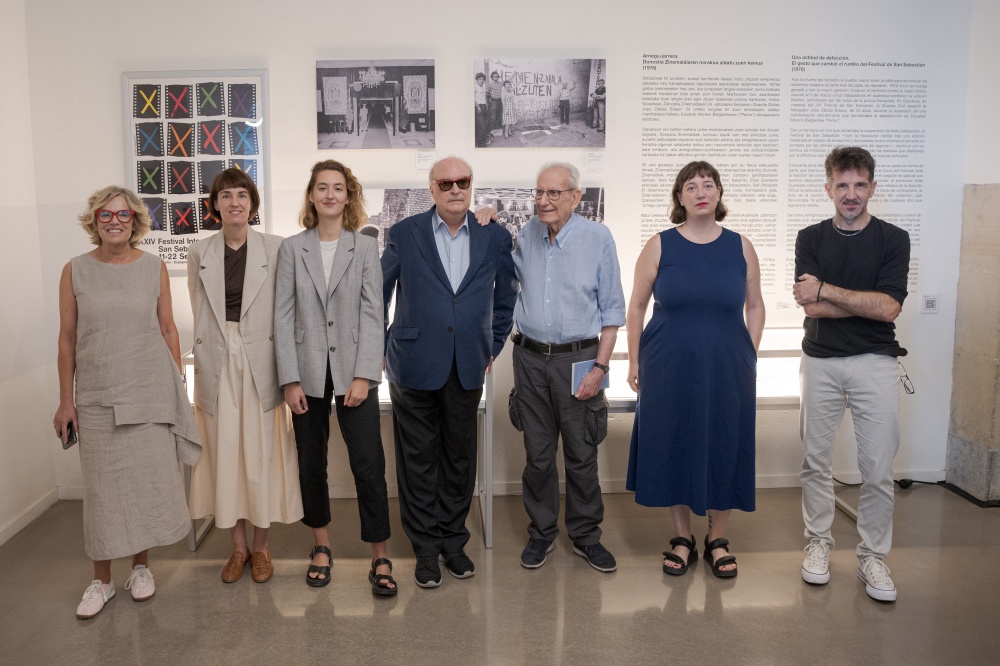





















Monday to Sunday from 09:00 to 14:00
and from 16:00 to 20:00