


Sponsors



Partner



Z365" or "Festival all year round" is the new strategic point of the Festival in which converge investigation, accompaniment and development of new talents (Ikusmira Berriak, Nest); training and cinematic knowledge transfer (Elías Querejeta Zine Eskola, Zinemaldia + Plus, Filmmakers' dialogue); and investigation, disclosure and cinematic thought (Z70 project, Thought and Discussion and Research and publications).
 Calls for entries - 2026 Log-in to MY FESTIVAL
 Agenda Programme and tickets Search

The Tabakalera cinema programme also includes the first retrospective dedicated to the filmography of the Moriarti collective, as well as series dedicated to Jacques Tati, Pier Paolo Pasolini, Albertina Carri or contemporary Arab cinema
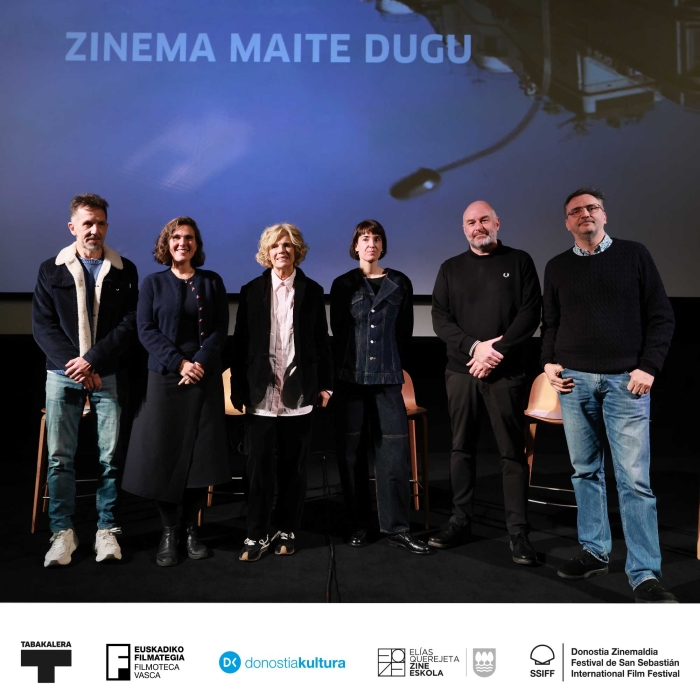
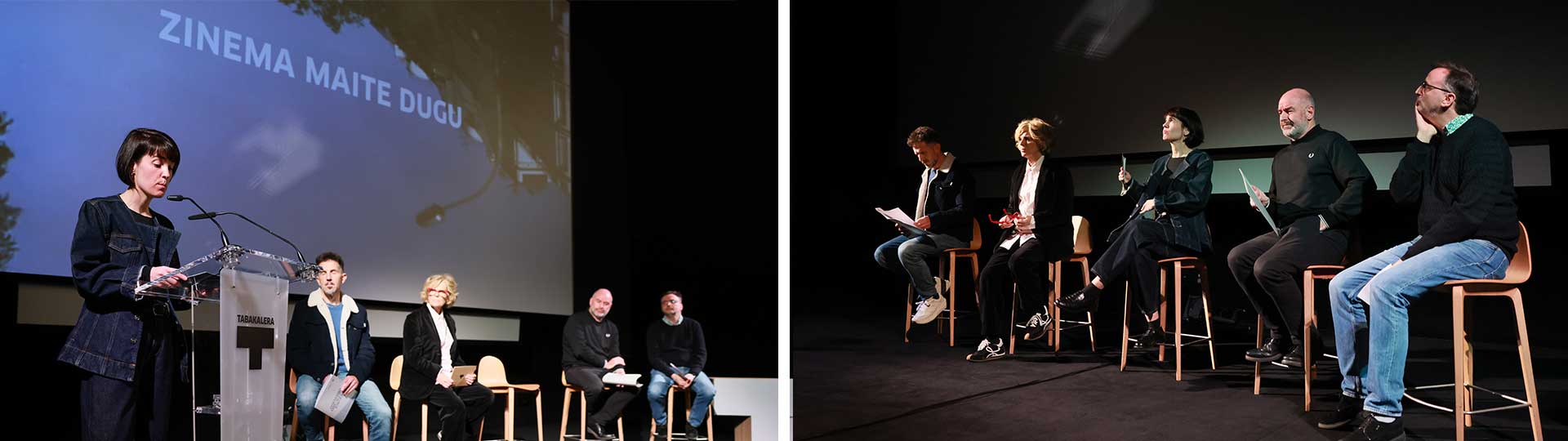
Tabakalera has announced the main highlights of its film programme for 2027, a season that reaffirms the strength and tangible impact of a unique audiovisual ecosystem. Made possible through collaboration between the San Sebastian Festival, the Basque Film Archive, Donostia Kultura's Film Unit, Elías Querejeta Zine Eskola (EQZE), and Tabakalera, the centre's shared screen will once again bring creation, research, education, and exhibition into constant dialogue.
Launch of Herri Pantaila
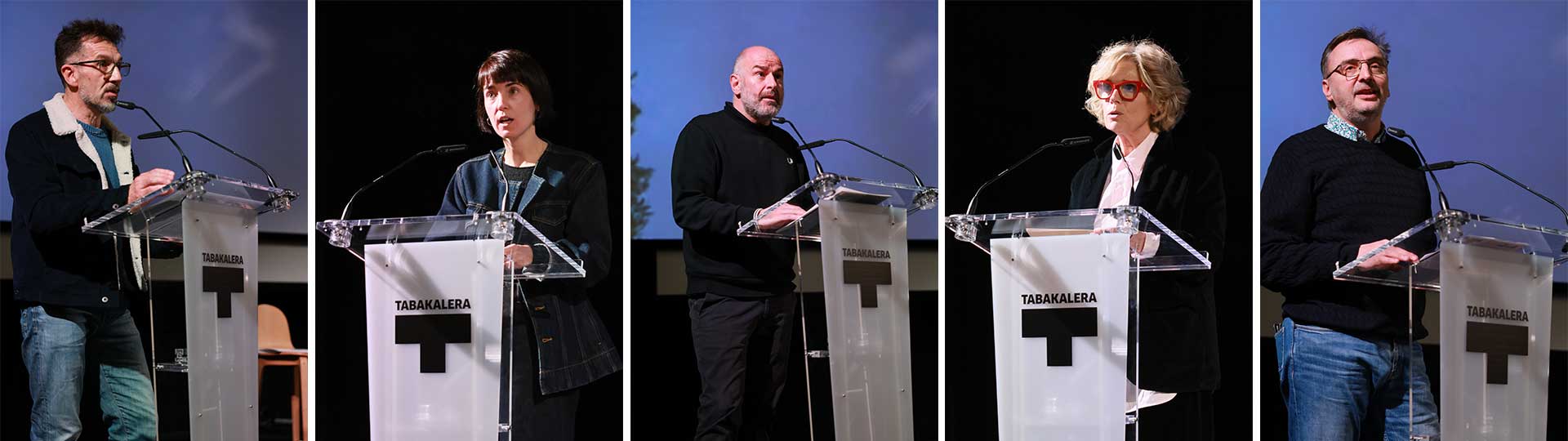
In early 2027, the San Sebastian Festival, through its Z365 initiative, will launch Herri Pantaila (Citizens' Screen), a programme that will kick off the events celebrating the 75th anniversary of the Festival. Taking place one Saturday morning each month from February to June, the initiative will feature screenings of five outstanding films that were previously presented at the Festival. By bringing these films back to the big screen, the programme aims to provide a space for shared learning while also celebrating and expressing gratitude for the public's continued loyalty. Throughout its 74-year history, the Festival has helped nurture the passion for cinema among audiences in San Sebastian, enrich their cultural and emotional education, and broaden their outlook on the world, cinema, and art — thus making San Sebastian a true city of cinema.
Journalist, writer, and member of the Festival's Selection Committee, Desirée de Fez, has curated the programme and prepared educational materials to enrich the experience of each screening. Before each session, audiences will receive a guide containing background information and viewing guidelines to help them explore the film and the themes it raises in greater depth. Following each session, led by de Fez, a second document will be provided containing recommendations (other works, bibliographical references, articles, podcasts, etc.) for further exploration of these topics. Those who register for the project via the Tabakalera website between 1 December and 15 January will be able to purchase tickets for all the screenings and receive the educational guides in advance. Individual tickets will also be available to purchase the day before each screening and on the day itself, subject to availability.
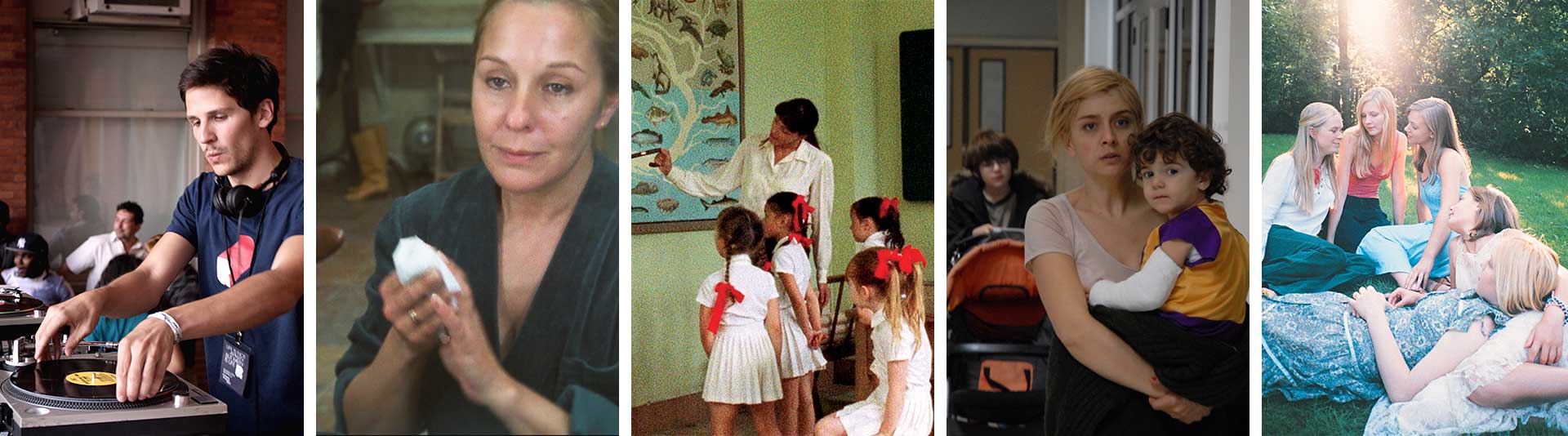
Organised in collaboration with Tabakalera, Koldo Mitxelena Cultural Centre, the Basque Film Archive, and EQZE, the first edition of Herri Pantaila will feature landmark feature films from different periods that explore intimate worlds and delve into the bonds, desires, and contradictions of the human soul: Función de noche / Night Function (Josefina Molina, Official Selection, 1981), The Virgin Suicides (Sofia Coppola, Perlak, 1998), Innocence (Lucile Hadžihalilović, New Directors, 2004), Por tu culpa / It's Your Fault (Anahí Berneri, Horizontes Latinos, 2010), and Eden / Eden: Lost in Music (Mia Hansen-Løve, Official Selection, 2014).
A Climate-Conscious Perspective on Cinema
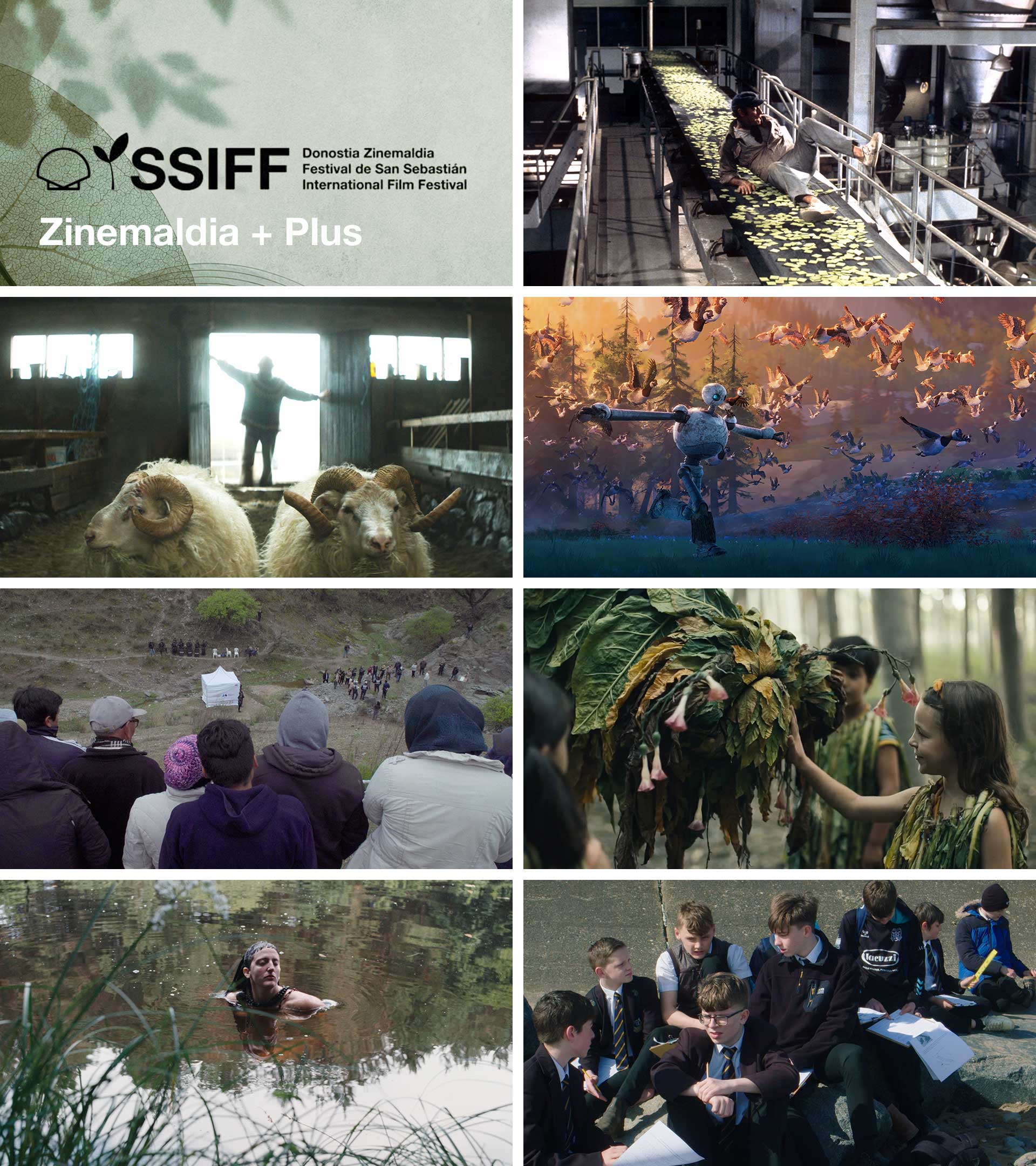
The 2027 Zinemaldia + Plus series will offer a climate-conscious perspective on cinema. In 2020, the Festival embarked on a journey towards a more environmentally sustainable model, introducing various measures to reduce its carbon footprint. At the same time, it began to examine the place occupied by the climate emergency in the films featured in its programming and how these films shape the way we understand said situation.
The result of these two concerns is A Climate-Conscious Perspective on Cinema, a series featuring seven films from different periods, genres, and geographical backgrounds to be screened on several Saturday afternoons between January and June. Although they do not necessarily share a common discourse on the climate crisis, these films invite audiences to pay closer attention to landscapes, communities, and our relationship with the world around us.
From the unsettling future of Richard Fleischer's Soylent Green (Official Selection, 1973) to the rural landscapes of Grímur Hákonarson's Hrútar / Rams (2015) and the animated world of Chris Sanders's The Wild Robot (2024), the films in this series will introduce audiences to different perspectives on our relationship with the planet. In Nuestra tierra / Landmarks (Horizontes Latinos, 2025), Lucrecia Martel explores this relationship from a political perspective; Rocío Mesa draws on magical realism in Secaderos / Tobacco Barns (New Directors, 2022); Éléonore Saintagnan finds room for humour in Camping du Lac (Zabaltegi-Tabakalera, 2023); and Naomi Zwaenepoel explores the transmission of knowledge in The Sea, the Sea (2024).
Second gathering of the Tabakalera Generation and new collaborative projects
One of the first major highlights of the year will take place from 14 to 16 January, with the second gathering of the Tabakalera Generation, an event set to establish itself as an essential part of the contemporary audiovisual calendar. Over three days, the programme will combine public screenings with professional networking opportunities.
The programme will begin on Thursday 14 with a screening of Zine izarak, a collective film resulting from a workshop led by writer Harkaitz Cano and filmmaker María Elorza, organised by Tabakalera's Cinema and Audiovisual Lab and EQZE. This will be followed by Mirage (2024), directed by Bingham Bryant, a student from EQZE's Master's Degree in Filmmaking (2023–2024), following its première at FID Marseille and its screening at Seminci. The director will attend to introduce the film and take part in a post-screening discussion. Friday 15 will be dedicated to the industry professionals, with a networking session, while Saturday 16 will bring the series to a close with a screening of Lejos de los árboles / Far from the Trees (2026). The film will be introduced by its director, Meritxell Colell, a former participant in the Ikusmira Berriak residency programme, who will then lead a Spoken Cinema session.
The Tabakalera Generation has established itself as a unique support system for contemporary cinema, the result of collaboration between all the players that make up the centre's audiovisual ecosystem. This network supports each project from its initial stages through to its première at festivals, fostering a creative community with an international outlook. Its scope encompasses training at EQZE (since 2018), development through programmes such as Noka and Ikusmira Berriak, post-production at Tabakalera's Cinema and Audiovisual Lab, and screenings at festivals such as San Sebastian, Cannes, Venice, and the Berlinale. Filmmakers who have emerged from this environment include Estibaliz Urresola, Mikel Gurrea, María Elorza, Irati Gorostidi, Marina Palacio, Maddi Barber, Maider Fernandez, and Sara Fantova.
Meanwhile, in spring 2027, the students from EQZE's Master's Degree in Film Curating will present a programme that will provide continuity to annual series like A desert island, Zinema Goxoa, and Aztarnak. For the first time, this initiative will extend beyond Tabakalera to reach three venues in San Sebastian: Tabakalera's cinema, the SADE cinemas, and Koldo Mitxelena Cultural Centre. The project stems from a course currently being developed in collaboration with representatives from these venues and the school's teaching staff. The aim is to introduce students to the practical realities of film programming and exhibition, and to bring these three venues into dialogue.
Tabakalera: Moriarti, Albertina Carri, Pier Paolo Pasolini, and Rodrigo Sorogoyen
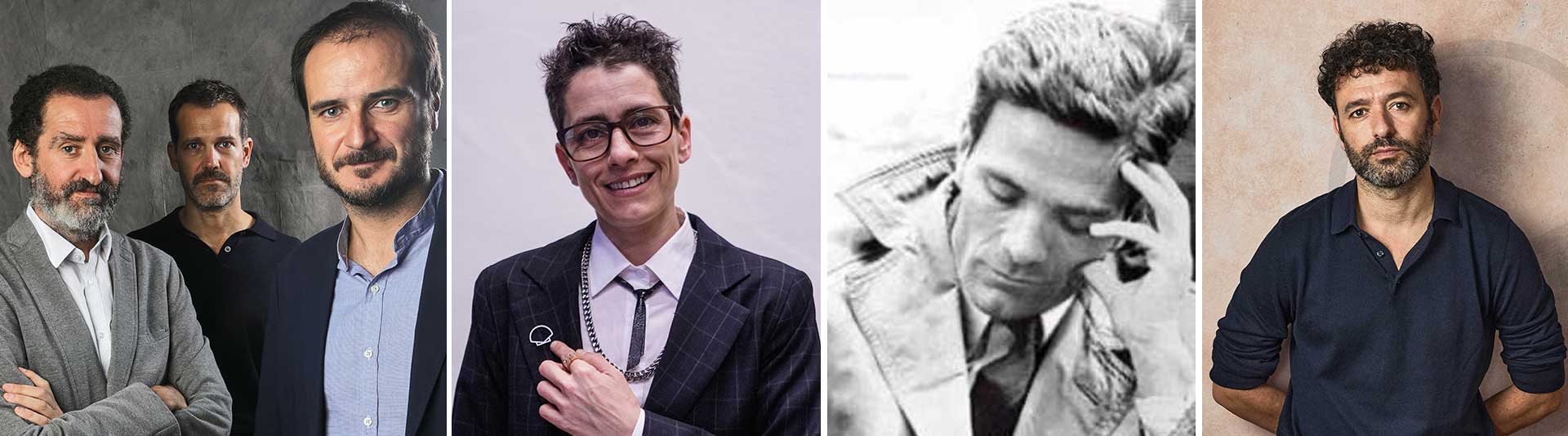
Next year, Tabakalera will bring to its shared screen the first retrospective dedicated to the filmography of the Moriarti collective. The series will offer an opportunity to explore the trajectory of one of the leading production companies in Basque cinema, whose internationally acclaimed body of work includes films that have helped bring cinema in the Basque language to wider audiences.
Along similar lines, the centre will also dedicate a retrospective to Argentine filmmaker Albertina Carri, following her participation in the most recent edition of the San Sebastian Festival. The series will screen all seven of her feature films, including Los Rubios (2003), one of her best-known works in which she addresses the disappearance of her parents during Argentina's military dictatorship. Through new cinematic narratives, her filmography explores themes such as memory, the archive, identity, and sexuality.
Tabakalera's programme exploring the relationship between cinema and literature will begin on 21 January and will be dedicated to filmmaker Pier Paolo Pasolini. Across three sessions, it will feature a screening with Basque subtitles, preceded by an introduction also in Basque. Miren Artetxe, researcher and bertsolari (a performer of improvised verse in Basque), will be the first guest at a session devoted to the film Il Decameron (1971).
Meanwhile, the Spoken Cinema series, which aims to foster direct engagement between filmmakers and audiences, will return on 30 January with acclaimed director Rodrigo Sorogoyen, who will share insights into the creative process behind his latest film, El ser querido / The Beloved (2026).
As part of the Youngsters at the Cinema project, jointly organised by Tabakalera and the University of the Basque Country, a group of students will be responsible for programming one session per month with the aim of attracting new audiences to the cinema. The fourth edition will kick off on 28 January with a screening of The Devils (1971), Ken Russell's controversial and censored film, which has been restored in 4K.
In addition, Tabakalera will continue its monthly programme of morning screenings.
Nosferatu: Contemporary Arab Cinema
The new Nosferatu series will open on 13 January with a screening of the Moroccan film Animalia (2023), directed by Sofia Alaoui. Organised by Donostia Kultura and the Basque Film Archive, with the collaboration of Tabakalera and the Institut Valencià de Cultura - La Filmoteca, Contemporary Arab Cinema will run until December 2027, offering an introduction to films made over the past twenty-five years in the region known as MENA (the Middle East and North Africa).
Following the opening screening and four classic Arab films from the final three decades of the twentieth century, the series will focus on twenty-first-century filmmaking in countries such as Egypt, Algeria, Tunisia, Morocco, Lebanon, Palestine, Syria, Jordan, Saudi Arabia, and Yemen. Among the many filmmakers whose work will feature in the programming are Egyptians Youssef Chahine and Mohamed Diab; Palestinians Elia Suleiman and Rashid Masharawi; Tunisians Kaouther Ben Hania and Erige Sehiri; Algerians Mohamed Lakhdar-Hamina and Merzak Allouache; Joana Hadjithomas and Khalil Joreige, chroniclers of Lebanese history; Moroccan Nabil Ayouch; and Saudi director Shahad Ameen.
The series showcases a rapidly expanding cinema that acts as a mirror of the social and political tensions that have followed the Arab Spring while asserting the need for these stories to be told without the filters of a Western perspective. As usual, the programme will be accompanied by two books edited by Valencian film programmer and writer Eduardo Guillot, who has also helped contributed to put the programme together. The Spanish edition of Cine árabe contemporáneo ("Contemporary Arab Cinema") will be published in December this year, while the Basque-language edition will be released in autumn 2027.
Tenth anniversary of Cinema and Science
The Basque Film Archive's programme will celebrate the tenth edition of Cinema and Science, a series organised in collaboration with the Donostia International Physics Center (DIPC) and the San Sebastian Festival. The initiative will once again bring ten films exploring different scientific disciplines to Tabakalera (as well as to Bilbao, Vitoria-Gasteiz, Pamplona, and Saint-Jean-de-Luz), accompanied by introductions and discussions with researchers and special screenings for school groups. The full programme will be announced in mid-December.
The Basque Film Archive's annual programme will be rounded off with a series dedicated to Basque cinema from April to June; a new edition of Jazzinema in July; and Klasikoak, running from September (as part of the San Sebastian Festival) to December 2027. Organised in collaboration with the San Sebastian Festival, this extended classic film festival will take place across five provincial capitals, bringing back restored and memorable works from the history of cinema.
Elías Querejeta Zine Eskola: Jacques Tati
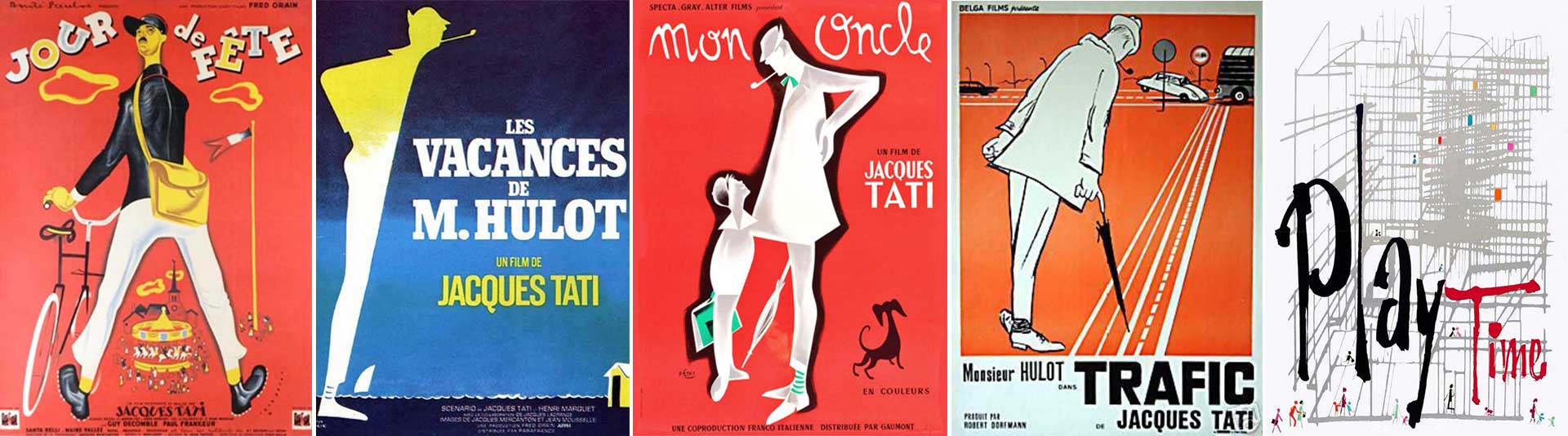
Between January and May 2027, on the last Sunday of each month, EQZE will present the series Jacques Tati: Celebration Days, organised in collaboration with the Basque Film Archive and featuring five films restored in 4K: the restorations completed in 2026 of Jour de fête (The Big Day, 1949), Les Vacances de Monsieur Hulot (Monsieur Hulot's Holiday, 1953), Mon oncle (My Uncle, 1958) and Trafic (Traffic, 1971), alongside the 2014 restoration of Playtime (1967). The series highlights the school's direct involvement in the project: Margaux Chalançon, a student from EQZE's 2021–2022 Master's Degree in Film Preservation Studies, was part of the restoration team at Les Films de Mon Oncle, the entity founded by the filmmaker's daughter, Sophie Tatischeff, to preserve and promote his work. Chalançon will introduce Jour de fête, while journalist Ricardo Aldarondo will do the same for Mon oncle.
2027 cinema pass and ticket sales
The Tabakalera cinema pass is on offer again for 2027 and will allow entry to 30 films for € 90. This pass is valid for screenings by the partner institutions of the shared screen (Donostia Kultura, Basque Film Archive, Elías Querejeta Zine Eskola, San Sebastian Festival, and Tabakalera), except those scheduled during the aforementioned San Sebastian Festival.
As in previous years, purchasing the pass will also include one of the two latest publications in the Nosferatu Collection: the book Billy Wilder. Jaunak esana in Basque (written by Zigor Etxebeste) or Cine árabe contemporáneo ("Contemporary Arab Cinema", edited by Eduardo Guillot).
The pass can be purchased from 15 December 2026 at 12:00 noon until 31 January 2027 at 12:00 noon, both via the Tabakalera website and at the centre's Information Point. Tickets included in the pass will be valid from 1 January to 31 December 2027.
Meanwhile, general ticket sales for January screenings will also open at 12 noon on 15 December 2026.
All the information related to the pass and the January programme can be found on the website sarrerak.tabakalera.eus.














Monday to Sunday from 09:00 to 14:00
and from 16:00 to 20:00