








Sponsors



Partner


















Z365" or "Festival all year round" is the new strategic point of the Festival in which converge investigation, accompaniment and development of new talents (Ikusmira Berriak, Nest); training and cinematic knowledge transfer (Elías Querejeta Zine Eskola, Zinemaldia + Plus, Filmmakers' dialogue); and investigation, disclosure and cinematic thought (Z70 project, Thought and Discussion and Research and publications).
 Calls for entries - 2026 Log-in to MY FESTIVAL
  Agenda Programme and tickets Search
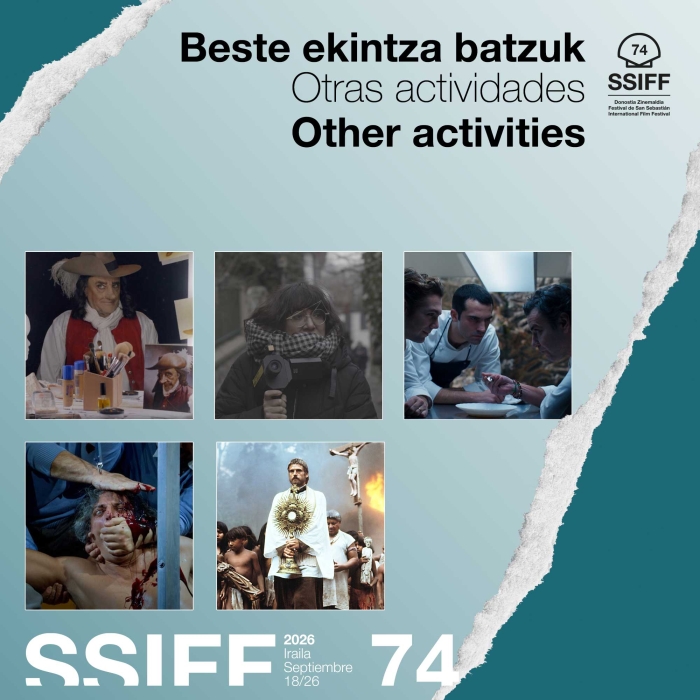



The San Sebastián Festival’s Other Activities section will include, among other proposals, screenings of the non-fiction series Gènesi, the films The Mission (1986), El coraje del matiz (Todas las vidas de Isabel Coixet); and the Argentinian films Cyrano en mi cabeza / Cyrano in My Head and La verdadera historia de Ricardo III. La película / The True Story of Richard III. The Film.
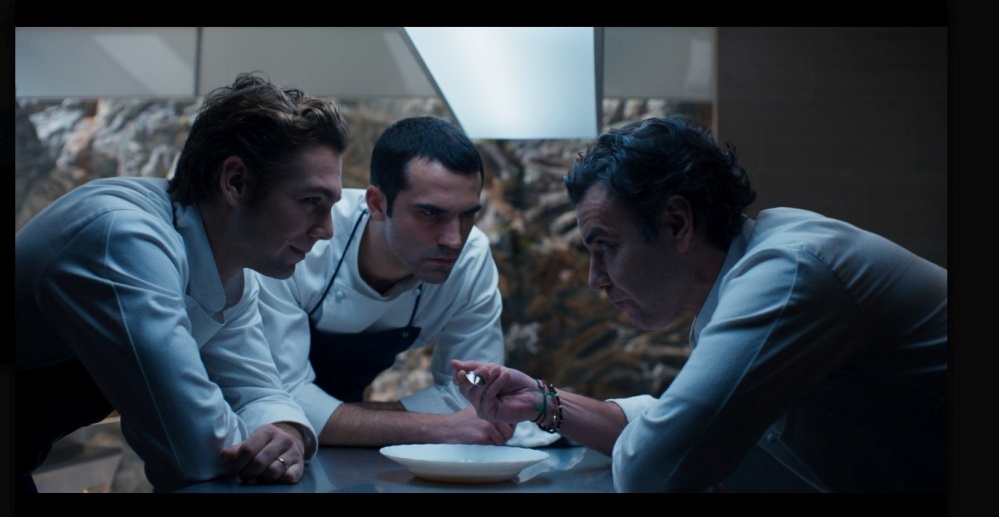
David Pujol (Andorra, 1970), who directed the documentary series elBulli: Historia de un sueño (2010), returns with Gènesi, in which he portrays the early days of a young Ferran Adrià, who arrives at elBulli by chance in the 80s and ends up spearheading a gastronomic revolution that will forever change contemporary cuisine. Outstanding among the works signed by the director and screenwriter are the TV movie Morir en tres actos (2011) and the documentary trilogy Salvador Dalí, as well as his debut feature film Esperando a Dalí / Waiting for Dalí (2023).
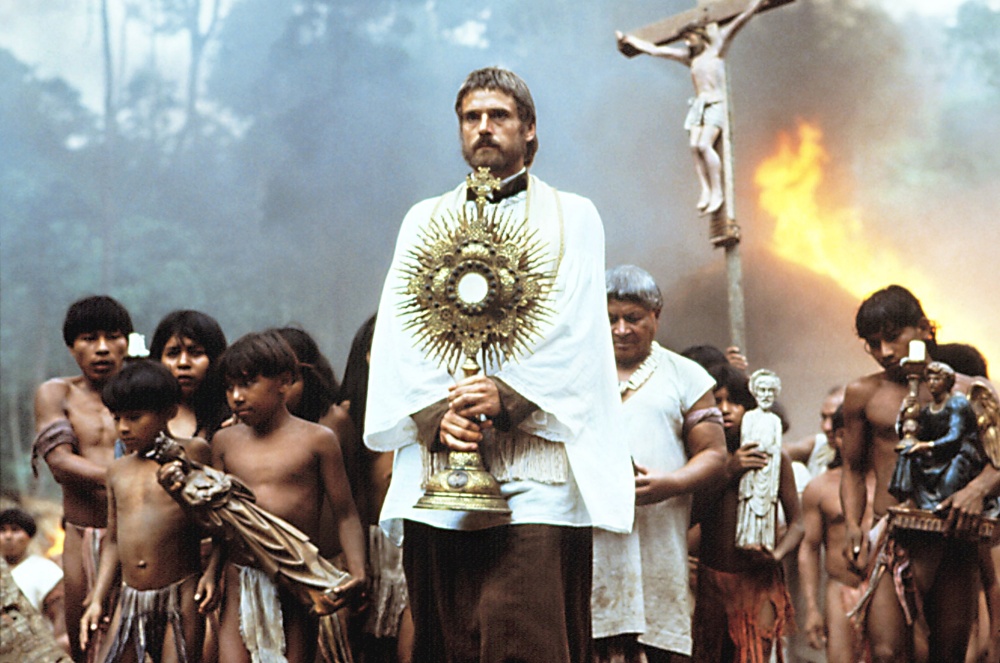
To commemorate the 40th anniversary of the release of The Mission (1986), one of the great masterpieces by Roland Joffé (London, 1945), the Festival now recovers this film set in the 18th century in which a Jesuit missionary heads deep into the tropical jungle near the Iguazú Falls to establish the San Carlos mission, armed with nothing but his faith and an oboe. The film, with a cast headed by Jeremy Irons, Robert De Niro and Liam Neeson, won the Academy Award for Best Cinematography and the Palme d’Or at Cannes, while Ennio Morricone won the Golden Globe for Best Original Score with his immortal composition. Furthermore, Joffe also landed his second Academy Award for Best Director nomination after winning the accolade with his debut film, The Killing Fields (1984).
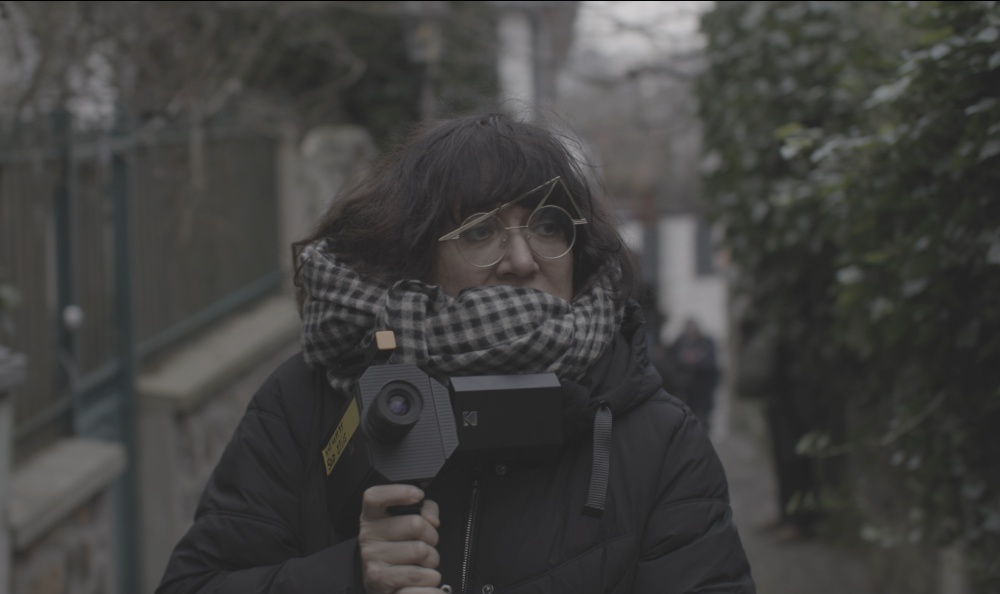
Borja Zausen (Madrid, 1972) creates, in El coraje del matiz (Todas las vidas de Isabel Coixet), an intimate portrait of the Catalan filmmaker, who chooses constant doubt and questioning in times of polarisation and absolute truth. The photographer and documentary-maker focuses his work on sociocultural identity, knowledge transmission and the stamp left by human activity on the planet. Following his debut with El beso salado (2007), he has made several short films and documentary portraits, including Som Taujà (2011), winner of an award at the Ibiza International Film Festival, and a series dedicated to shepherds, his contemporary heroes.
The Argentinian production Cyrano en mi cabeza / Cyrano in My Head tells the tale of a time-honoured actor who returns to the character who marked his vocation: Cyrano de Bergerac. While the play enjoys success on the stage, the role confronts him with his personal fears and the intimate scrutiny of his profession. The director and screenwriter Maxi Gutiérrez (Rosario, 1970), who alternates commercial fiction and independent projects, has put his name to films including El vagoneta en el mundo del cine (2012), Tokio (2015), La panelista / The TV Panelist (2021) and La dicha en movimiento (2025).
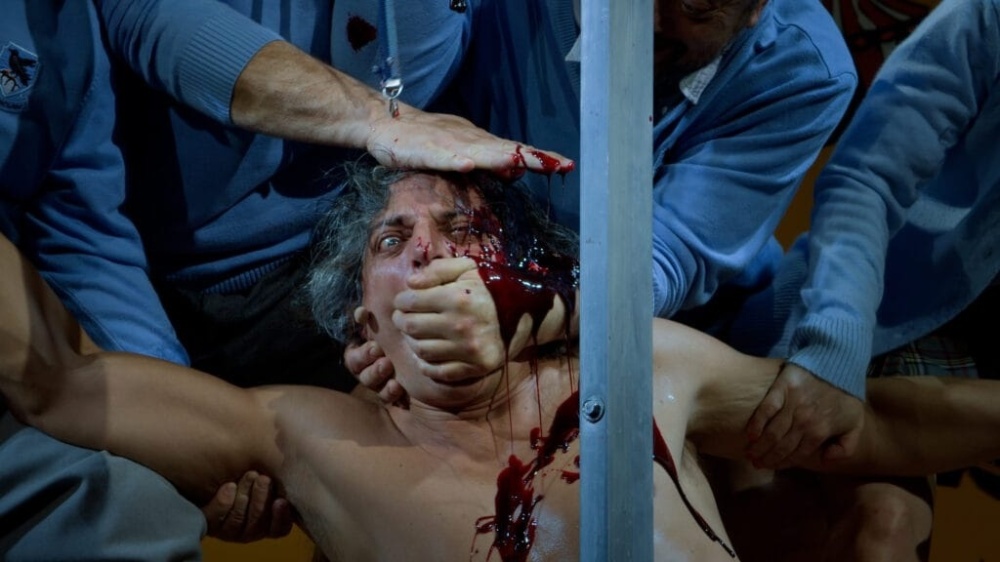
Having screened at the Málaga Festival and BAFICI, La verdadera historia de Ricardo III, la película / The True Story of Richard III., the film now comes to San Sebastian. In this movie, the Argentinian director, screenwriter and producer Marcelo Piñeyro (Buenos Aires, 1953) explores the intersection between the cinema and theatre with the stage director Calixto Bieito (Miranda de Ebro, 1963), currently one of the most influential in his field. The mise en scène by Bieito, who has reinterpreted works by Shakespeare, Lorca, Mozart and Verdi, discovers in Piñeyro’s camera details invisible from the stalls, constructing an own language. The works by the filmmaker from Buenos Aires include titles such as Tango feroz: la leyenda de Tanguito / Wild Tango (Youth Jury Award, 1993), Plata quemada / Burnt Money (2000), Kamchatka (Zabaltegi, 2002) and Las viudas de los jueves / Thursday’s Widows (2009), recognised at international festivals.
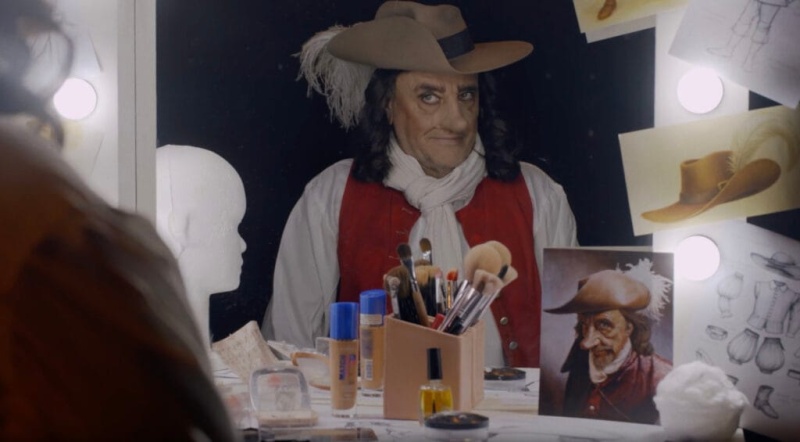
Cyrano en mi cabeza / Cyrano in My Head follows the time-honoured Argentinian actor Gabriel Goity as he embarks on the challenge of playing Cyrano de Bergerac, the character who triggered his vocation at the age of 16. As the work becomes a theatre phenomenon, the role morphs into a private battle obliging him to face his fears, his limits and his search for truth on stage. More than a backstage, the film is a journey into the fragile world of performance.
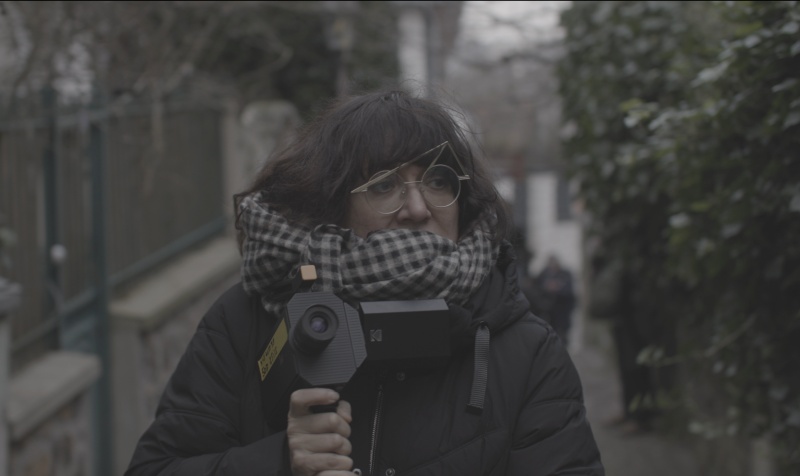
Although the whole world recognises her career and the spectators applaud her talent, Isabel Coixet lives in a continuous doubt that pushes her to continue exploring her contradictions. To what extent does recognition or success quench the creative thirst? From where does she get that pressing need to always try to go further? These are some of the questions that Coixet, voicing her thoughts out loud to the camera, leaves floating in the air.
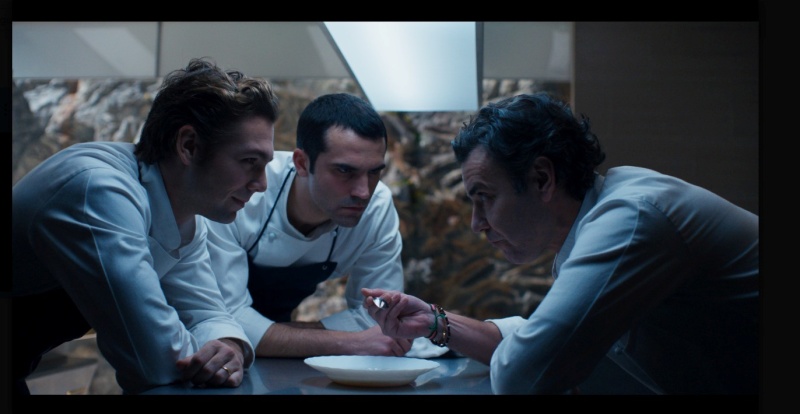
In the 80s, a young Ferran Adrià arrives in the kitchens of elBulli almost by chance. What started out as an unexpected opportunity becomes the beginning of a gastronomic revolution that will forever transform contemporary cuisine. Decades later, in 2025, Glòria returns to Cataluña after her father's death. The reunion with her niece Lola and inheritence of the family restaurant, Can Canabach, obliges them to face the wounds of the past. Beyond elBulli’s culinary revolution, Gènesi highlights traditional Catalan cuisine, haute cuisine in Catalonia, local produce and the landscape.
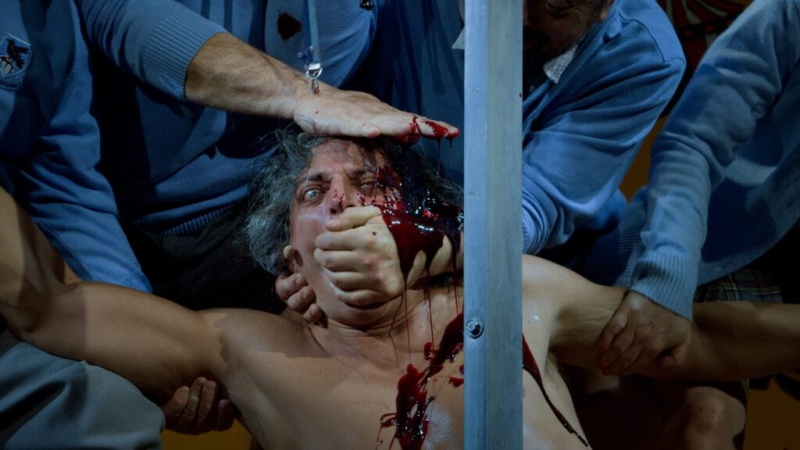
The film is born on the threshold where the theatre becomes cinema. Without documenting the process, or explaining it, the film invents its own language. Calixto Bieito's radical approach finds a new thrust in the camera of Marcelo Piñeyro. The camera doesn't look in from the outside: it enters, listens, accentuates and reveals details invisible from the stalls. A hybrid experience, suspended between reality and fiction, where the two languages merge to tell a reinvented truth.
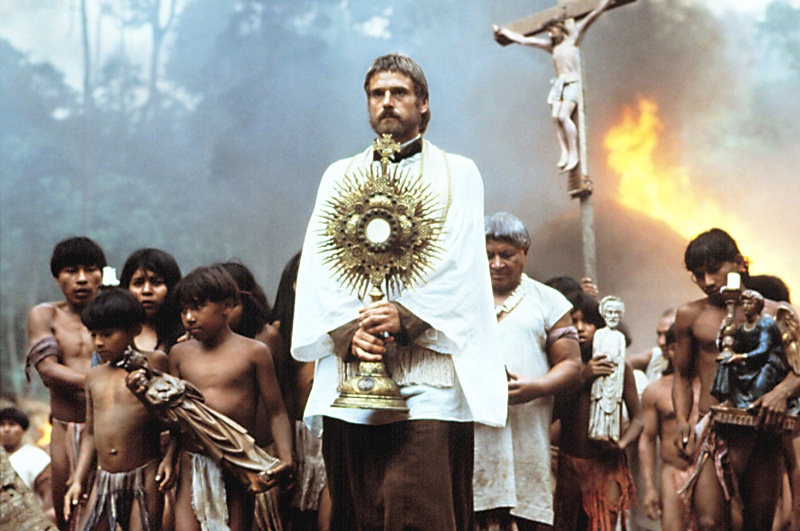
18th-century Spanish America. Deep in the tropical jungle near the Iguazú Falls, Jesuit missionary Father Gabriel follows in the footsteps of a fellow Jesuit who was crucified after winning over the local community with nothing but his faith and an oboe. Welcomed by the Guaraní people, Gabriel establishes the San Carlos mission. Among his followers is Rodrigo Mendoza, a former slave trader, mercenary and murderer who, seeking redemption, joins the mission and finds a way to atone among his former victims.
 Images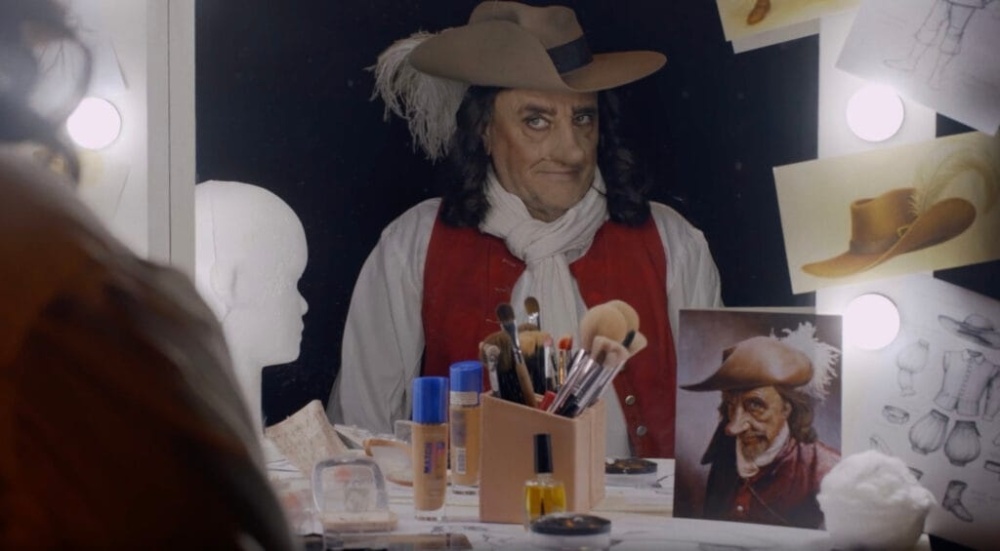




















Monday to Sunday from 09:00 to 14:00
and from 16:00 to 20:00