








Sponsors



Partner



















Z365" or "Festival all year round" is the new strategic point of the Festival in which converge investigation, accompaniment and development of new talents (Ikusmira Berriak, Nest); training and cinematic knowledge transfer (Elías Querejeta Zine Eskola, Zinemaldia + Plus, Filmmakers' dialogue); and investigation, disclosure and cinematic thought (Z70 project, Thought and Discussion and Research and publications).
 Calls for entries - 2026 Log-in to MY FESTIVAL
  Agenda Programme and tickets Search
The four winning films from earlier editions will accompany the fifth presentation of the award
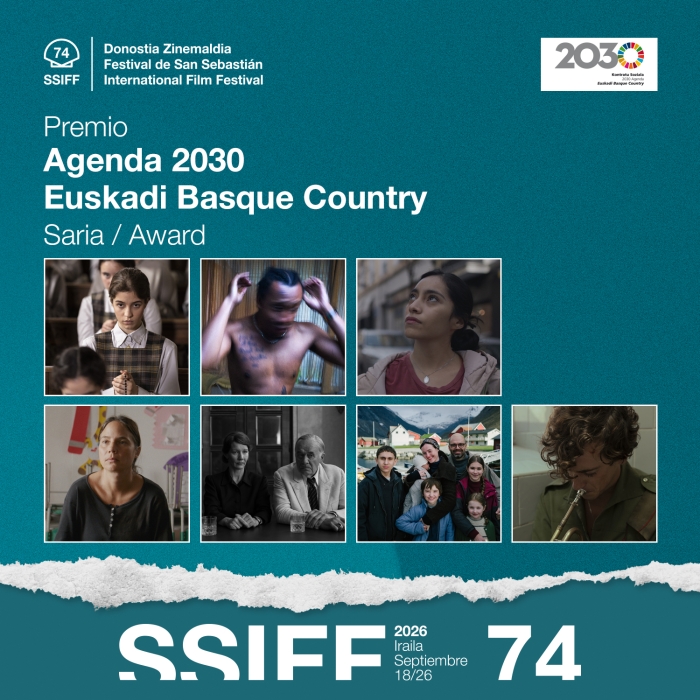

Seven films from the official programme of the San Sebastián Festival’s 74th edition will compete for the Euskadi Basque Country 2030 Agenda Award, which will, for the fifth year running, endorse the film that best reflects the values of democratic culture, sustainability, diversity and solidarity as the flagship emblems of the Sustainable Development Goals (SDGs) promoted by the UN 2030 Agenda and the Basque Country.
One of the aspiring films features in the Official Selection, as a special screening showing out of competition: Ruega por nosotras / Pray for Us, by Daniel Monzón. In New Directors, the film Florid, by Billy Lumby, has been selected, as have another two titles from Horizontes Latinos: Ceniza en la boca / Ashes, by Diego Luna, and Cinco años, cuatro meses / Five Years, Four Months, by Esteban Hoyos García and Juan Miguel Gelacio. Also competing for the award are three productions from Perlak: La bola negra / The Black Ball by Javier Calvo and Javier Ambrossi; Fatherland, by Pawel Pawlikowski, and Fjord, by Cristian Mungiu.
The films, hailing from Spain, UK, Mexico, Colombia, Poland and Romania, explore issues such as repression and freedom, mental health, migration and the loss of one’s roots, memory of conflicts past, identity and sexual diversity, as well as family ties and the limits of authority.
The Euskadi Basque Country 2030 Agenda Award jury will be presided over by the actress María Vázquez, serving alongside the artist and actress Jone Laspiur, and the Basque Government Director of Social Innovation and 2030 Agenda, Asier Aranbarri, who brings the vision of how culture and artistic creation help to promote human rights, strengthen democratic culture and advance with the Sustainable Development Goals.
The award, coming with 20,000 euros for the majority producer of the winning film, will be presented on Thursday 24 at 17:00 in the Tabakalera Prisma space. The ceremony will be followed by a cocktail party serving as a meeting point for the media, the film industry and the general public. All those who have purchased tickets for a screening of any of the seven films have automatic right of entry to the awards ceremony. However, anyone without a ticket who wishes to attend can send an email requesting an invitation to 2030@euskadi.es.
Film cycle and talk
On the other hand, to celebrate the fifth edition of the Euskadi Basque Country 2030 Agenda Award a special cycle has been organised featuring the four films to have won the award in the four previous years: Tori et Lokita / Tori and Lokita (Jean-Pierre Dardenne and Luc Dardenne, 2022), Bâtiment 5 / Les Indésirables (Ladj Ly, 2023), Soy Nevenka / I Am Nevenka (Icíar Bollaín, 2024) and The Voice of Hind Rajab (Kaouther Ben Hania, 2025).
In addition, in the framework of the Film Talks programme, Diego Luna will provide the leading voice of a talk on the transformative power of the cinema. From his experience as an actor, director and producer, inside Mexico and out, and since the start of his relationship with Ambulante —an organisation he founded in 2005 with Gael García Bernal and Elena Fortes to promote the documentary as a tool of social and cultural transformation— he will discuss what happens when a film leaves the screen: the conversations it prompts, the communities it unites and its capacity to open new ways of observing and transforming the environment. The meeting will be moderated by Noemi Cuetos, Head of the Film Sector at ICEX España Exportación e Inversiones.
Lastly, a mobile and interactive stand set up in several of the Festival hubs will raise public awareness of the award and explain its objectives. Through games and didactic content, people of different generations will discover the importance of the SDGs and learn how to develop useful content for the future.
The Euskadi Basque Country 2030 Agenda Award is framed within the agreement between the San Sebastián Festival and the General Secretariat for Communication and Social Innovation at the Basque Government, consolidating the 2030 Agenda as official sponsor of the event for the fifth consecutive year. The recognition not only considers the quality of the films, but also the commitment of the cinema to the Sustainable Development Goals, especially SDG 16, focused on promoting peace, justice and strong institutions.
Official Selection - Special Screenings
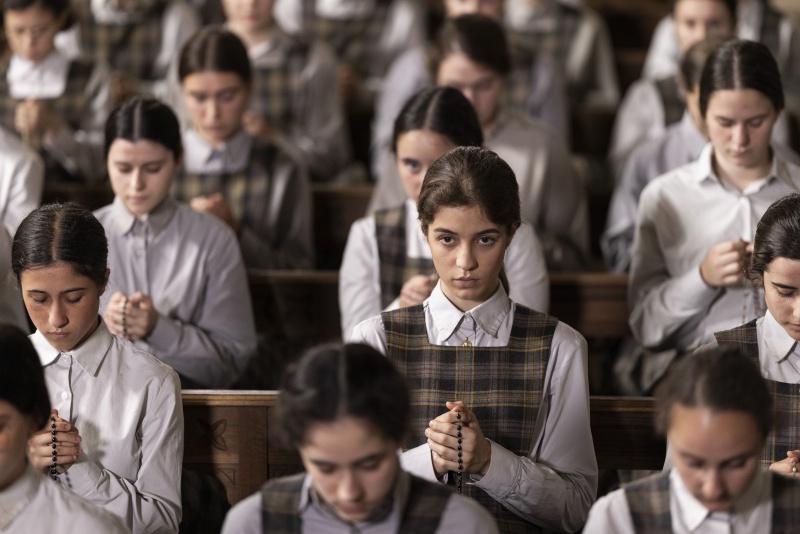
The year 1974. Ana is a rebellious 19-year-old. Having run away one night, her father decides to hand her over to the Women’s Protection Board. She is sent from Barcelona to Madrid for internship in a reformatory run by nuns who follow a brutal disciplinary regime. There she will try to survive by seeking comfort and support in the friendship with Sole, a small-town girl with contagious vitality, and other girls in the same situation.
New Directors
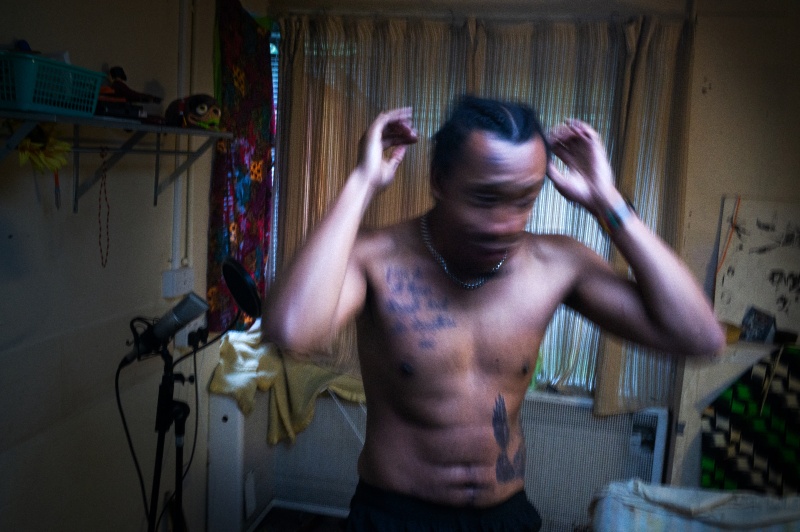
Jamal, who has a diagnosis of schizophrenia, lives in a supported housing block, alongside other people with mental health issues. Frustrated by the side effects of his medication, he stops taking it, making the voices he hears become more frequent and extreme. Increasingly changeable in mood, Jamal builds a friendship with Kyla, another resident. But as the voices become more intense, Jamal must confront the blurred line between reality, and past family events, to come to terms with his voices.
Horizontes Latinos
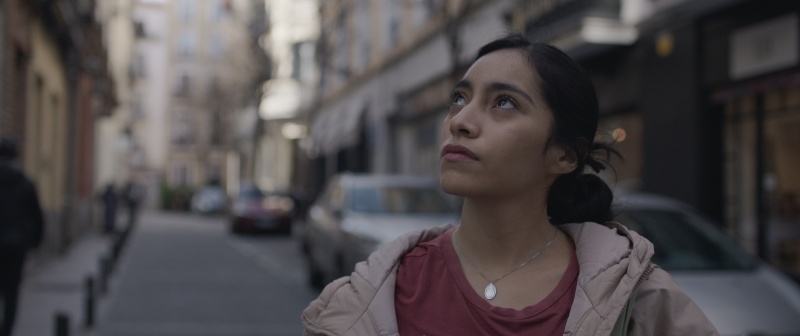
Searching for a better life, Lucila leaves Mexico for Madrid with her brother Diego to join their mother who has been working there illegally for 8 years to support them. When they finally arrive, the reality that awaits them proves far harsher than they had imagined.
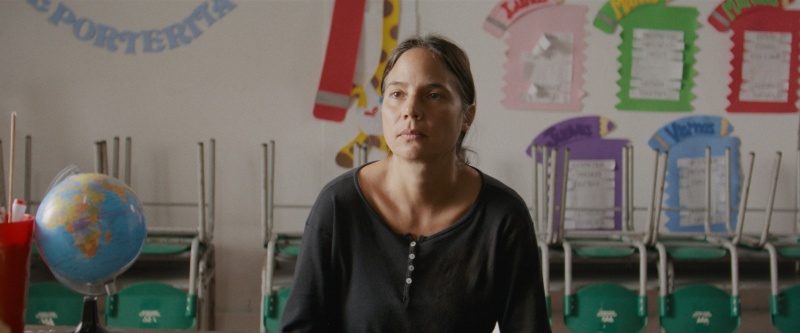
Martha, a mother who lost trace of her son in the Colombian armed conflict, receives the news that no bone match was found in the last exhumation in which she had taken part. Having exhausted the institutional options, she turns to a group of women, where she meets Sandra, who tells her a rumour: "in a remote village in the plains, you can ask a dead person for a favour". The two set out on a journey in search of answers.
Perlak
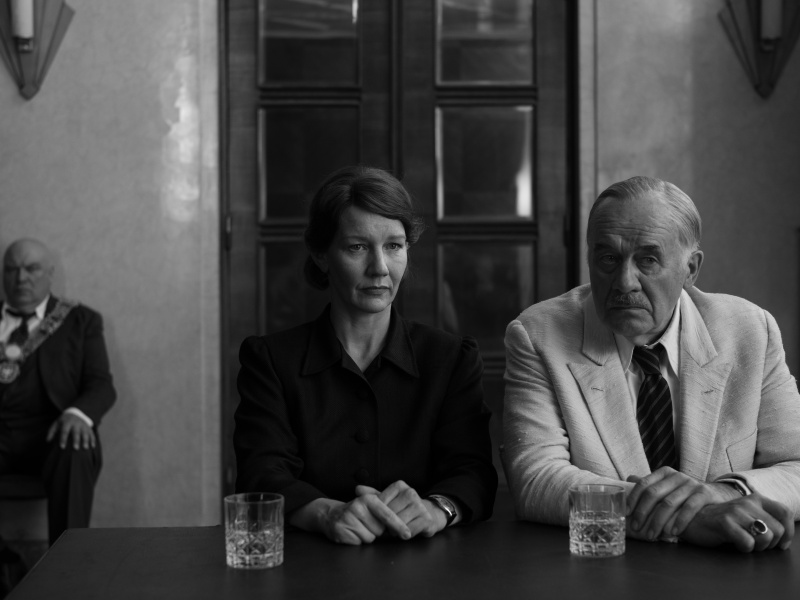
Fatherland centres on the relationship between the Nobel Prize-winning writer Thomas Mann and his daughter Erika - actress, writer and rally driver. In the summer of 1949, at the height of the Cold War, father and daughter embark on a challenging and emotional road trip in a black Buick taking them across a Germany in ruins - from US dominated Frankfurt to Soviet controlled Weimar. Returning home after sixteen years of exile in the US, Thomas Mann has to face not only a divided fatherland, but also a deep fracture within his own family.
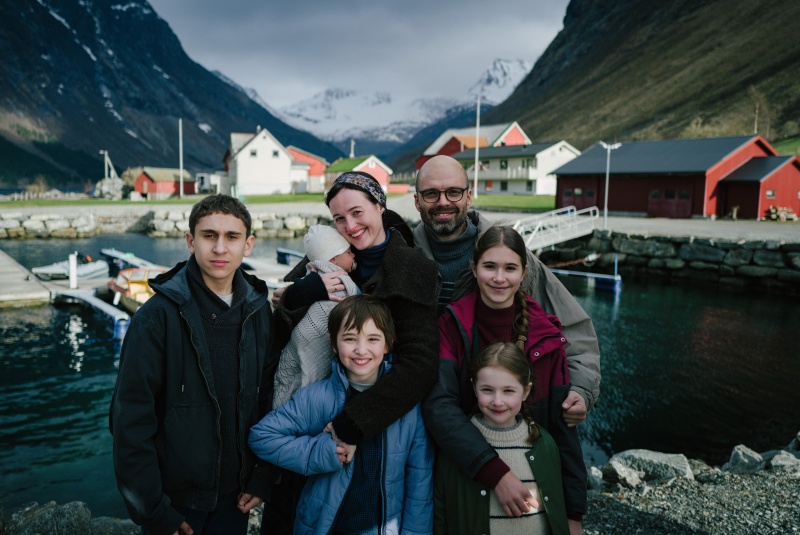
The Gheorghius, a devout Romanian Norwegian couple, settle in a village in a remote fjord where they strike up a close relationship with their neighbours, the Halbergs. Their children bond despite the differences in their education. When the teenage Elia Gheorghiu turns up at school with bruises on her body, the community asks itself if the traditional education the children receive from their parents might have anything to do with it.
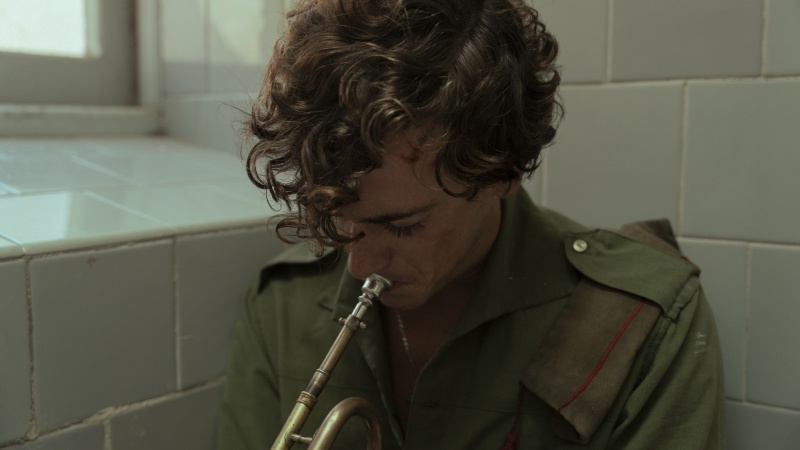
Story narrating the interconnected stories of three men in three different eras. Three lives intimately linked by sexuality and desire, pain and inheritence. This is one of Federico García Lorca’s last, unfinished, works.


















Monday to Sunday from 09:00 to 14:00
and from 16:00 to 20:00