








Sponsors



Partner



















Z365" or "Festival all year round" is the new strategic point of the Festival in which converge investigation, accompaniment and development of new talents (Ikusmira Berriak, Nest); training and cinematic knowledge transfer (Elías Querejeta Zine Eskola, Zinemaldia + Plus, Filmmakers' dialogue); and investigation, disclosure and cinematic thought (Z70 project, Thought and Discussion and Research and publications).
 Calls for entries - 2026 Log-in to MY FESTIVAL
  Agenda Programme and tickets Search
The award falls within the agreement between the AECID and the Festival to promote the Ibero-American audiovisual industry
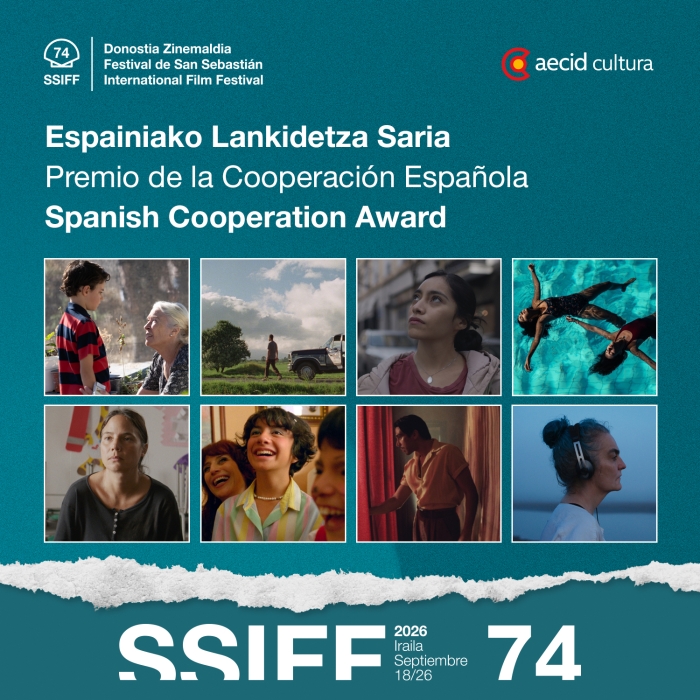

Eight films programmed at the 74th edition of the San Sebastián Festival will compete this year for the Cooperación Española Award given by the Spanish Agency for International Development Cooperation (AECID), a body dependent upon the Spanish Ministry of Foreign Affairs, European Union and Cooperation. The award has been given every year since 2015 to the producer of the Ibero-American film —including Spanish and Portuguese— making the best contribution to human development, the eradication of poverty and the full exercise of human rights.
The president of the jury will be Inés López del Pino, Head of Communication at AECID, alongside the filmmaker Marina Palacio and the critic Eduardo Ranero.
The Cooperación Española Award will go to an Ibero-American film showing in New Directors, Horizontes Latinos and Zabaltegi-Tabakalera. Its objective is to strengthen the commitment to work jointly with the Ibero-American audiovisual industry to promote new talents, invigorate the production of new film projects, raise awareness on the values of cooperation for development and boost the commercialisation and internationalisation of the films. In its twelfth edition, result of the collaboration between the San Sebastián Festival and the AECID, the award comes with 10,000 euros.
The Cooperación Española Award winner will be announced on the 26th at the closing gala in the Kursaal.
Candidate films for the 12th Cooperación Española Award
Of the eight films competing for the 12th Cooperación Española Award are two in the New Directors section: Morro, by Rodrigo García Sáiz, and El mal hijo / The Bad Son, by Jaime Lorente. Five candidates showing in Horizontes Latinos: Cinco años, cuatro meses / Five Years, Four Months, by Esteban Hoyos García and Juan Miguel Gelacio; Chicas tristes / Sad Girlz, by Fernanda Tovar; Narciso, by Marcelo Martinessi; Ceniza en la boca / Ashes, by Diego Luna, and Seis meses en el edificio rosa con azul / Six Months in a Pink & Blue Building, by Bruno Santamaría Razo. And, lastly, Lejos de los árboles / Far From Trees, by Meritxel Collel Aparicio, in Zabaltegi-Tabakalera.

New Directors
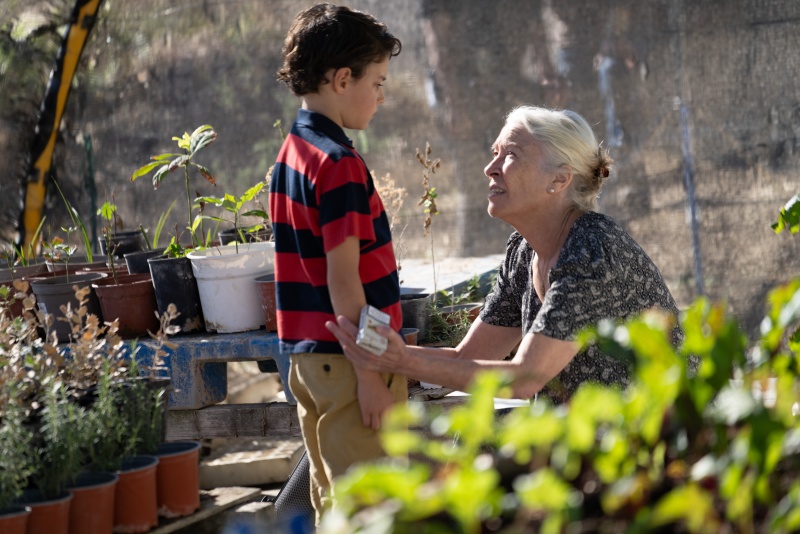
When 11-year-old Ruben’s father mysteriously disappears, the boy has to move in with his grandmother, a woman he barely knows. In a rural setting where time seems to have stood still, the child will learn that family wounds are passed down from one generation to another, and will try to find a way to heal them as he grows.
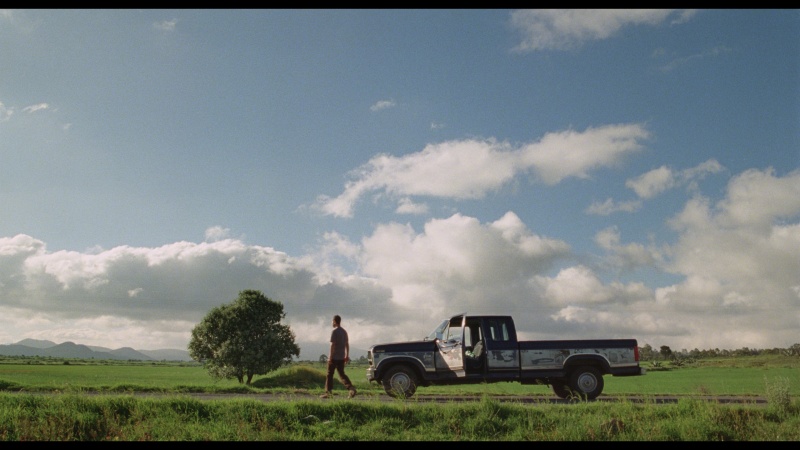
Mateo is a small-town vet. Since his son died, he has lived a life of silent routines and nameless guilt. The violence of the place isn’t immediately visible: it sits there, lurking, like a never-ending echo. This fragile balance is broken when Mateo has to heal Morro, the local capo’s injured dog. The animal’s everyday care leads to an unexpected bond: a relationship with neither judgement nor words, that enables Mateo to recover the meaning of life.
Horizontes Latinos
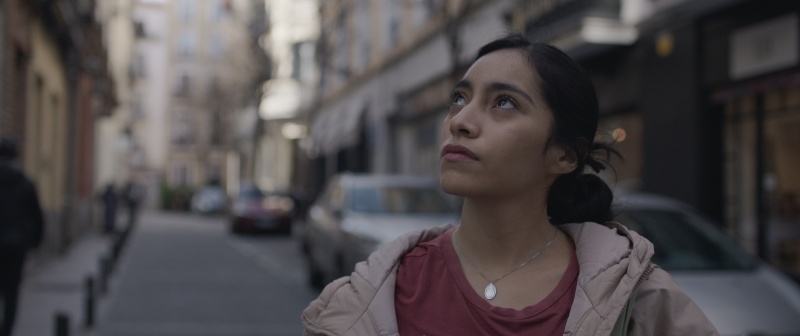
Searching for a better life, Lucila leaves Mexico for Madrid with her brother Diego to join their mother who has been working there illegally for 8 years to support them. When they finally arrive, the reality that awaits them proves far harsher than they had imagined.

La Maestra and Paula are the best swimmers in their team and best friends, until an incident at a party changes everything. La Maestra, intense and unstoppable, realises that something in her best friend has changed, making her sad. When the truth comes to light, the two are faced with an impossible decision: Paula wants to keep quiet about it, while La Maestra wants revenge. Their friendship, previously unbreakable, will be put to the test as never before.
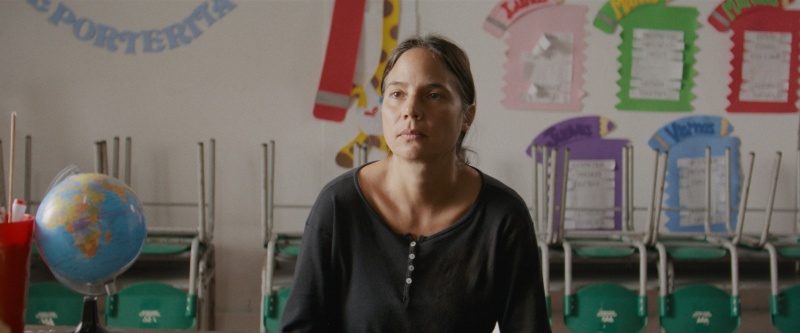
Martha, a mother who lost trace of her son in the Colombian armed conflict, receives the news that no bone match was found in the last exhumation in which she had taken part. Having exhausted the institutional options, she turns to a group of women, where she meets Sandra, who tells her a rumour: "in a remote village in the plains, you can ask a dead person for a favour". The two set out on a journey in search of answers.

Paraguay, 1959. Under a suffocating military regime, Narciso returns from Buenos Aires with rock & roll in his veins. Charismatic, mysterious and the object of desire for both men and women, he soon becomes a radio sensation and a symbol of freedom. But after his final show he is found dead. In a country where silence reigns and fear smothers the truth… who killed Narciso?
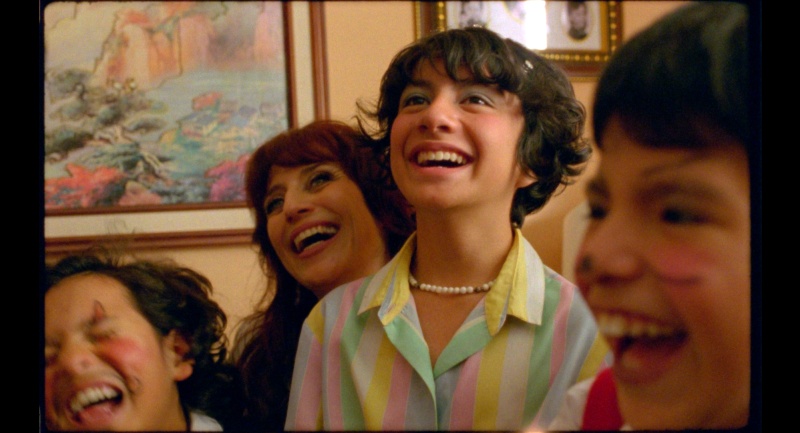
Mexico City, early 90s. On the day of his 11th birthday, Bruno falls in love with his best friend Vladimir. That night his father receives an HIV-positive diagnosis that will change family life. Like in salsa songs, his family tries to sing and dance to keep the pain at bay. Thirty years later, Bruno films and revisits the memories he couldn’t quite fathom as a child.
Zabaltegi-Tabakalera
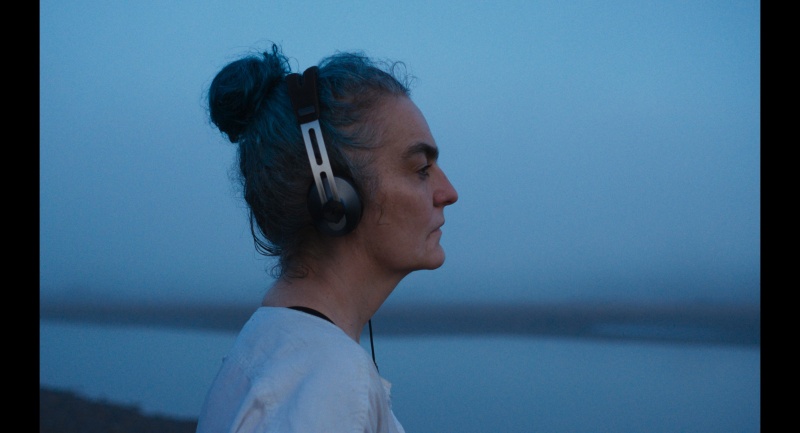
Adela, a Mexican sound artist, travels from the jungle to the Peruvian Andes with Lucho, her guide and translator. Following in the footsteps of her grandfather, a Catalan republican exiled in Mexico, she weaves a sound map of endangered languages. When the fear of death appears, the reality breaks into pieces. Adela’s journey becomes an intimate voyage to her childhood home. Lejos de los árboles / Far from the Trees is packed with tales of the fragility of existence and the need to remember, listen and love.




















Monday to Sunday from 09:00 to 14:00
and from 16:00 to 20:00