








Sponsors



Partner


















Z365" or "Festival all year round" is the new strategic point of the Festival in which converge investigation, accompaniment and development of new talents (Ikusmira Berriak, Nest); training and cinematic knowledge transfer (Elías Querejeta Zine Eskola, Zinemaldia + Plus, Filmmakers' dialogue); and investigation, disclosure and cinematic thought (Z70 project, Thought and Discussion and Research and publications).
 Calls for entries - 2026 Log-in to MY FESTIVAL
  Agenda Programme and tickets Search
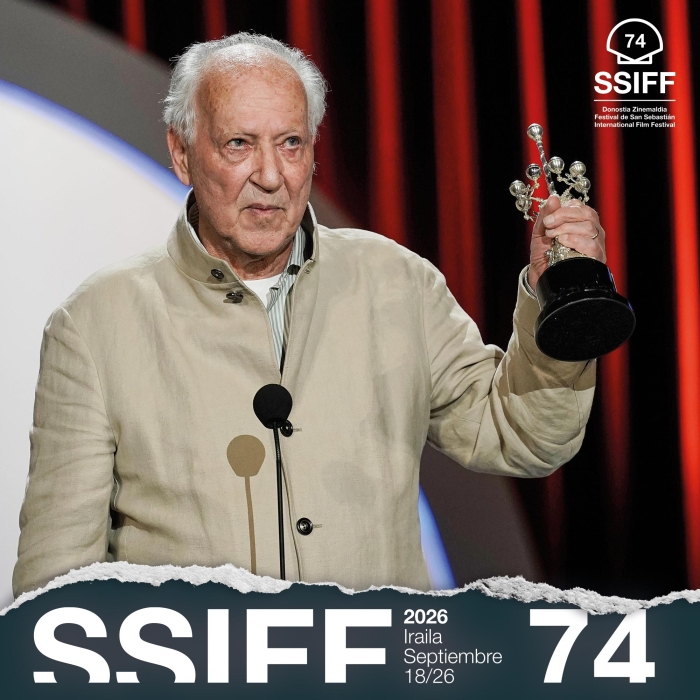
Tonight the German director, screenwriter and producer Werner Herzog received the first Donostia Award of the San Sebastián Festival's 74th edition, at an opening gala in the Kursaal Auditorium, marking the official commencement of nine days of films, meetings and reflection. From today and until 26 September, the Festival will screen 263 films hailing from 47 countries, on a programme once again focused on plurality and diversity.
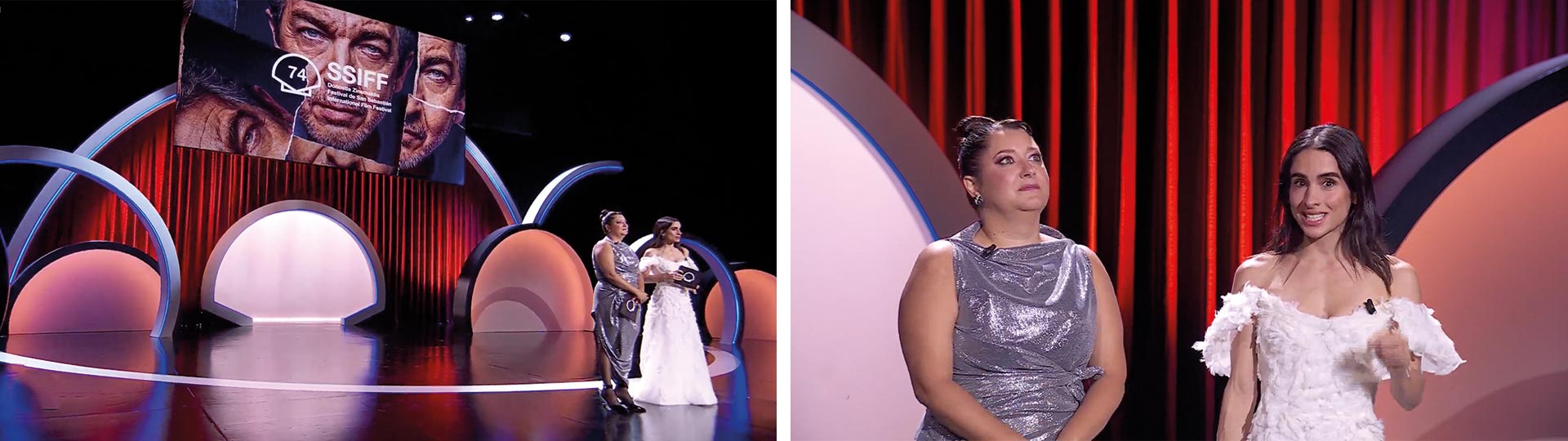
Actresses Fariba Sheikan and Mariona Terés presented a ceremony also boasting the participation of Cayetana Guillén-Cuervo and the appearance of numerous personalities from the international world of film.
The German director received the Festival's highest honour from actor Orlando Bloom, who features on the cast of his latest film, screened earlier at the Victoria Eugenia Theatre. The Festival wishes to highlight a career marked by an "exploration of the limits of the cinema and by an always extraordinary, free-thinking and bold approach".
After receiving an standing ovation, Herzog confessed his "connection" with the Basque people ever since directing Aguirre, der Zorn Gottes / Aguirre, the Wrath of God (1972) and recalled the filming of Cave of Forgotten Dreams (2010), during which he felt a deep connection with the people who created the cave paintings thousands of years ago.
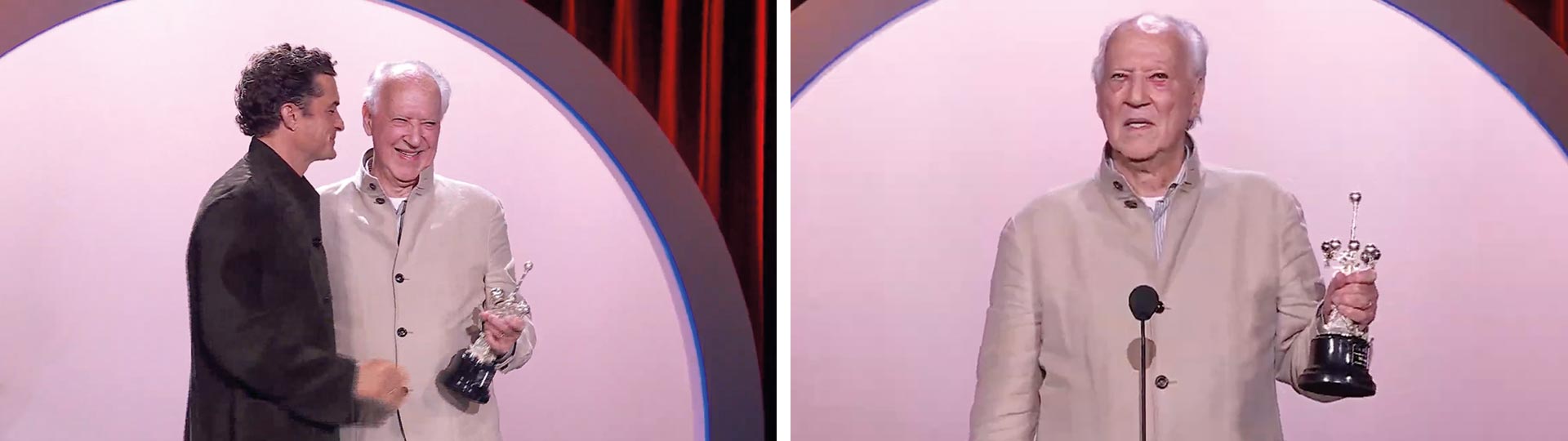
He also praised Basque culture and the Basque language, describing it as "the most amazing language, which precedes all languages in Europe", and expressed his admiration for bertsolaris (oral improvisers), as representatives of a community of poets, "not knowing exactly what they are talking about but I feel a community; I feel as if I belong there. I receive this here from the poets", he concluded.
For his part, Bloom has highlighted Herzog as an "extraordinary filmmaker" with an "unmistakable voice". "Whether exploring the extremes of nature, the strange recesses of human behaviour or the boundaries between fact and fiction, Werner has always approached cinema as an adventure," he stated.
'The Mission', resistance cinema 40 years on
The gala commemorated the 40th anniversary of The Mission, directed by Roland Joffé and starring Jeremy Irons, who returns to the Festival four decades after its release. Irons and the producer David Puttnam took to the stage of the Kursaal to remember the film and corroborate its ongoing validity today, convinced that cinema should offer "caution and hope".
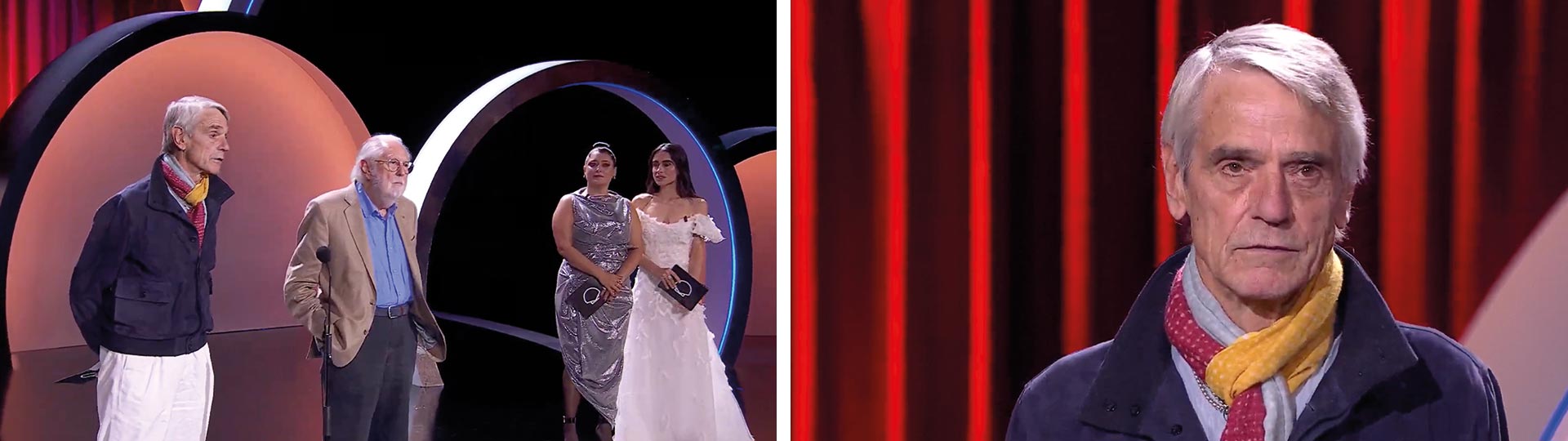
During the opening gala, the Festival spoke out in favour of collective enjoyment rather than the individualist consumption of on-screen content while stressing the need to tackle the major challenges and uncertainties facing the future of the cinema.
Furthermore, the Festival has joined the voices calling for an end to genocides—highlighting the situation in Gaza as one of the most critical issues of the present day—and has expressed its support for Yuval Abraham and Reichel Szor, the directors of the film NAZA, who have faced threats from the Israeli government. The presenters also emphasized the need to put an end to "unilateral breaking of international law, to colonialist looting, to sexual violence and to the cruel wars that systematically violate human rights".
The MCs also went on to talk about the Youth, Cinema, Memory and Democracy cycle, organised for the second year running together with the Commissioner of the Government for the Holding of the 50th Anniversary of Spain in Freedom. Thanks to this initiative, the Festival will show a cycle of feature films focused on a specific idea: the capacity of the cinema to raise awareness on the consequences of weakening democracies and, specifically, its impact on culture. Thus, Carmina Gustrán, commissioner of the Celebration, has advocated creating "spaces for encounter and discussion in the face of those who seek to limit freedom of expression and impose singular, exclusionary narratives."
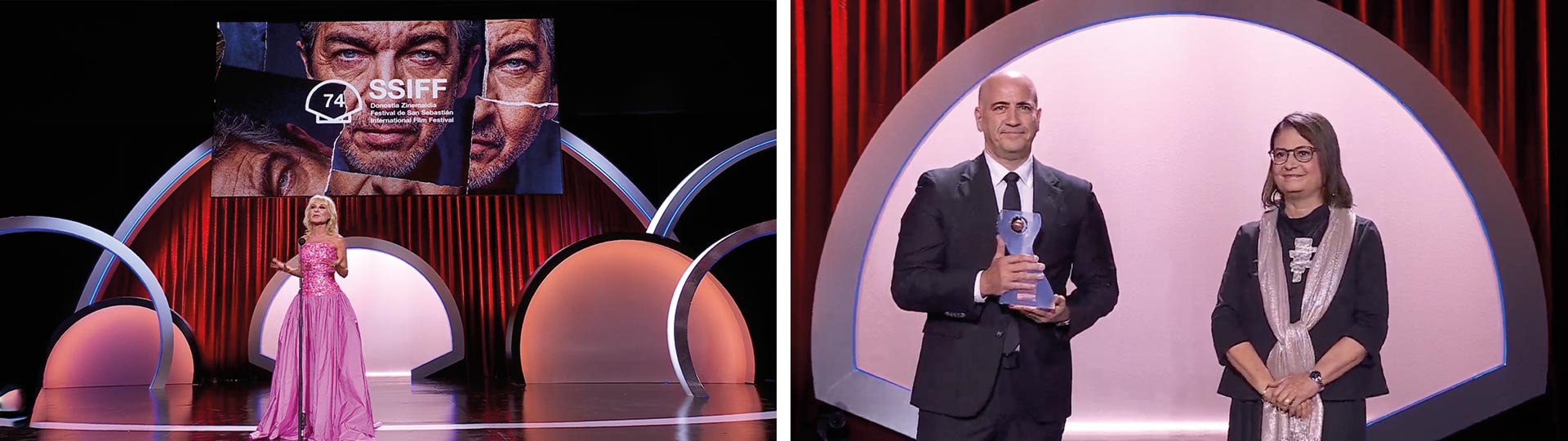
Darín, the FIPRESCI Prize and the Jury open the official competition
The actress and president of the Spanish Academy of Performing Arts, Cayetana Guillén-Cuervo, spoke words of praise for Ricardo Darín, image of the 74th edition and one of the faces most closely tied to the Festival's recent history. Her speech underscored the synergies between the San Sebastián Festival and Latin American cinema, which brings around a hundred titles to the different sections this edition.
The ceremony also featured a musical performance by Verde Prato, who sang Zerua in tribute to producer José Antonio Félez, cultural manager and programmer José Luis Cienfuegos, ICAA Director Ignasi Camós, producer Agustina Chiarino, and producer Jeremy Thomas, all of whom passed away in recent months.
The FIPRESCI Grand Prix was also presented during the ceremony, the award decided by the International Federation of Film Critics, going this year to One Battle After Another, directed by Paul Thomas Anderson. Paola Casella, film critic and vice-president of FIPRESCI, was tasked with presenting the award to Carlos Prada, vice-president of Warner, on behalf of the film.
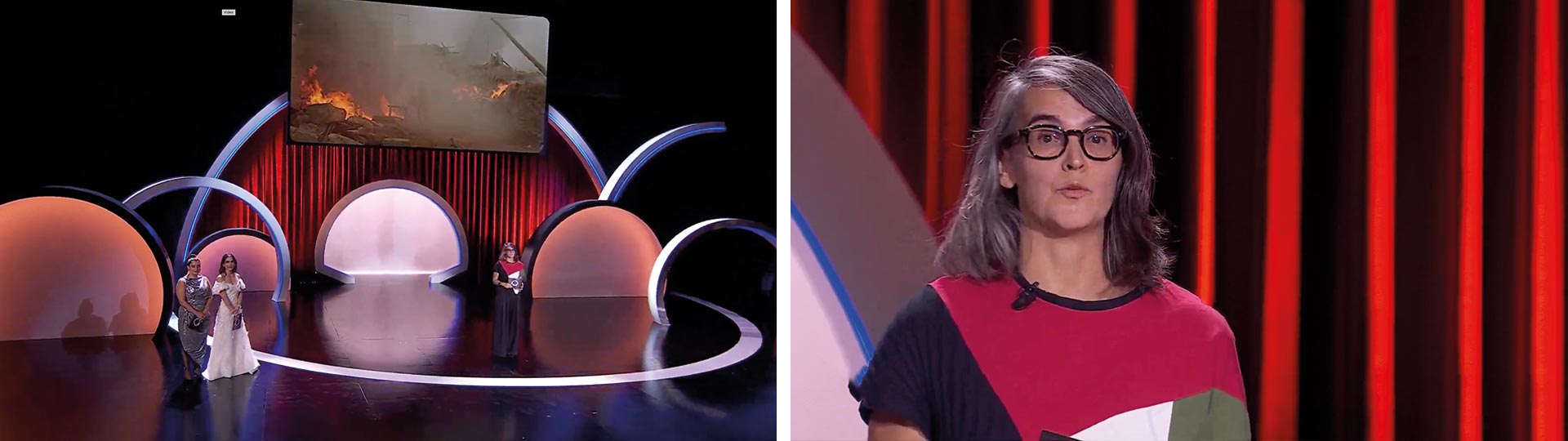
As usual, the Official Jury for the 74th edition made their appearance during the opening gala. The group is chaired by director, screenwriter, and producer Ira Sachs, who has praised the work of the Tabakalera International Centre for Contemporary Culture, the Elías Querejeta Zine Eskola, and the San Sebastian Festival, which together form "a vibrant film community". The rest of the group is rounded out by screenwriter Catherine Paillé; producer Mike Goodridge; writer, screenwriter, producer, and director Genki Kawamura; actor Bill Skarsgård; and actresses Alice Braga and Patricia López Arnáiz.
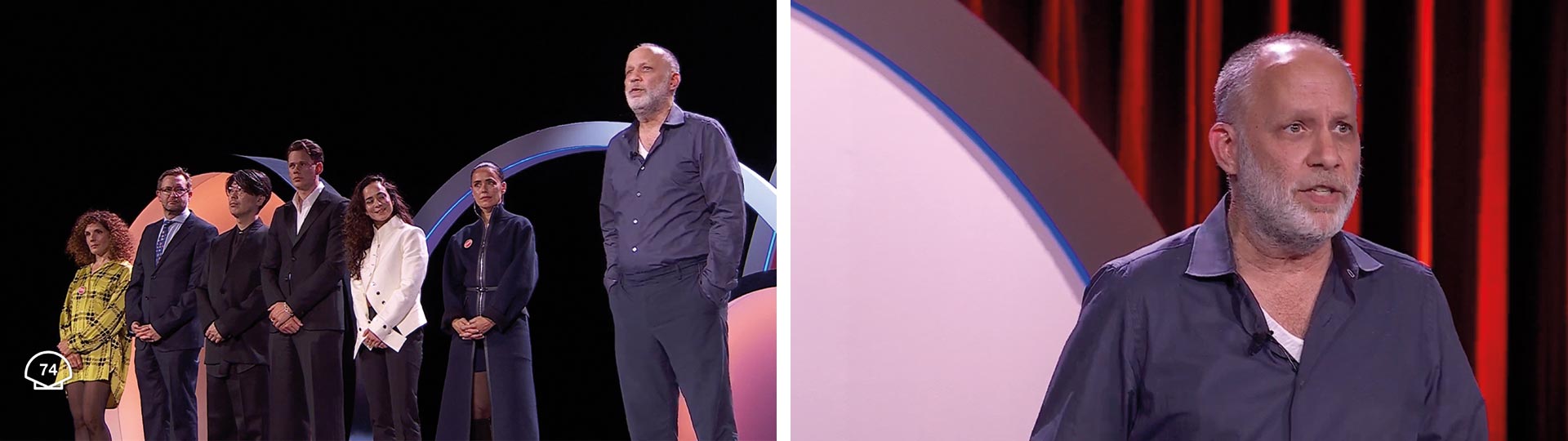
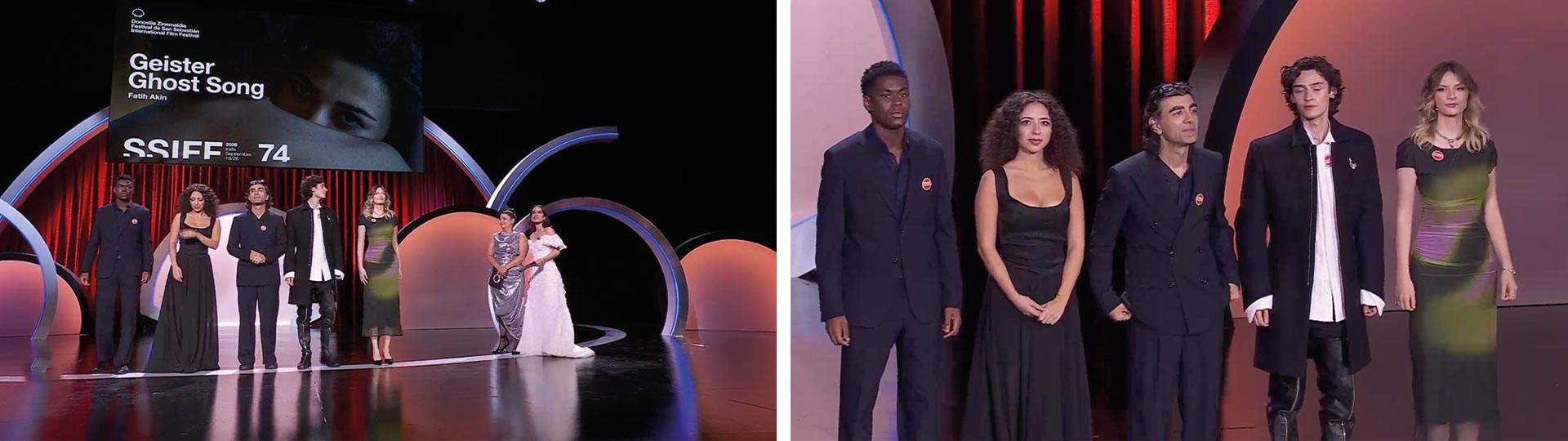
The gala ended with the presentation of Geister / Ghost Song, by the German filmmaker Fatih Akin, opening film of the Official Selection. Akin attended the Kursaal with its protagonists, Eren M. Güvercin and Mariam Dawoud, among others. The screening of this film officially kicked off a new edition of the San Sebastián Festival which, for the next nine days, will once again turn the city into a meeting hub for filmmakers, actors, industry professionals, journalists and the general public.



















Monday to Sunday from 09:00 to 14:00
and from 16:00 to 20:00