








Sponsors



Partner



















Z365" or "Festival all year round" is the new strategic point of the Festival in which converge investigation, accompaniment and development of new talents (Ikusmira Berriak, Nest); training and cinematic knowledge transfer (Elías Querejeta Zine Eskola, Zinemaldia + Plus, Filmmakers' dialogue); and investigation, disclosure and cinematic thought (Z70 project, Thought and Discussion and Research and publications).
 Calls for entries - 2026 Log-in to MY FESTIVAL
  Agenda Programme and tickets Search
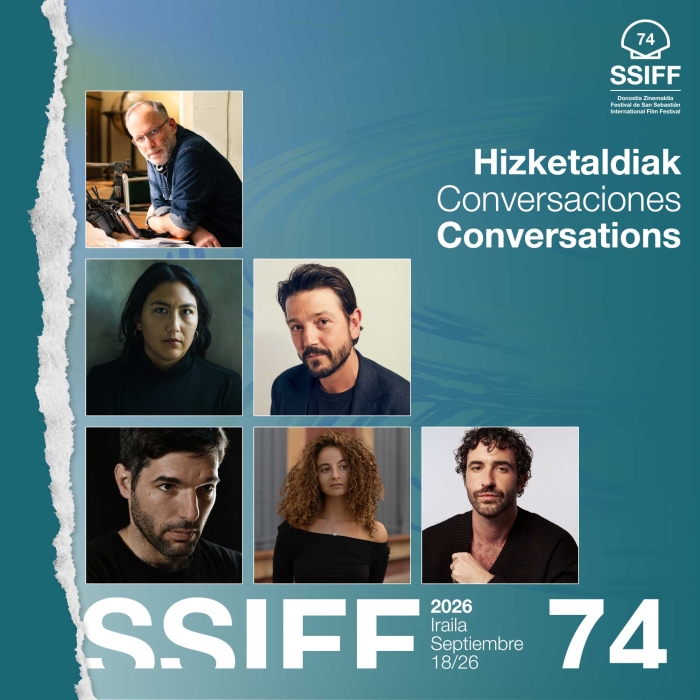

The programme of Film Talks at the San Sebastián Festival’s 74th edition will convene filmmakers including Ira Sachs, Beth de Araújo, Benjamín Naishtat, Naëmi Ada and Jordan Firstman to discuss creative processes and the different ways of making and thinking films. The talks will also look at issues such as inclusion and anti-racist attitudes in the audiovisual world, the new narratives and authorships, creative residencies and international creation labs, the transformative power of the cinema and design and art direction. They will also analyse the new ways of narrating family relationships, the body as a narrative device and the challenge of audiences, algorithms and audiovisual distribution.
Film Talks is a section organised by the Thought and Discussion area, in which the San Sebastián Festival highlights its character as a place to meet, to generate and share knowledge, to question itself and endeavour to offer solutions for the future in the face of a changing cinematographic panorama.
Film Talks
The first of this year’s talks will take place on Saturday 19 Tabakalera’s Hall 1 (formerly known as Room Z) and will be titled The Beam in the Other’s Eye: The Critics’ Rebellion Against the Release of Cabezas cortadas. In the discussion, moderated by Miguel López, restoration expert Javier Mosqueda will discuss the tumultuous premiere of Glauber Rocha’s Cabezas cortadas at the 1970 San Sebastián Film Festival, and the public reaction sparked by a review in La Vanguardia among rising stars of Spanish film culture. The event will reflect on the evolution of the critical perspective and present the 4K trailer for the film’s recent restoration.
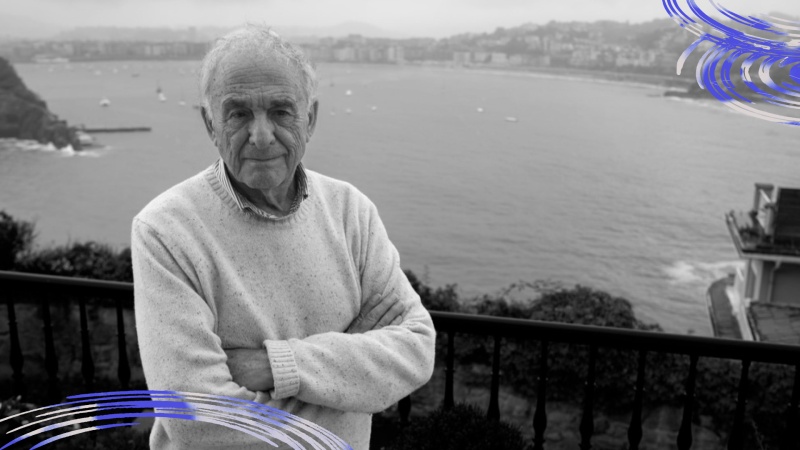
On Sunday 20, the Tabakalera cinema will host the screening of Postigo Express, a medium-length film on the career of the photojournalist from San Sebastián, Fernando Postigo, who, from the 70s until the early 2000s, camera in hand, took to the streets of the city to document the reality of the Basque conflict. After the screening, the director of the film, Peter Decherney, and Postigo himself will discuss the role of photojournalism as the testimonial of an era and the relationship between image, memory and conflict.
That same day, the Tabakalera Film and Audiovisual Lab will host the talk Supporting Creation: An Overview of International Residencies and Labs between Angelica Cantisani, programmes coordinator at the Torino Film Lab; Vanja Kaludjercic, director of the Rotterdam Festival; Andrea Queralt, film producer and FIDLab Marsella coordinator; and Maialen Franco, head of training programmes at the San Sebastián Festival and moderator of the event. In addition, the panel will feature two emerging voices from the film scene—Irati Gorostidi Agirretxe and Diego Céspedes—whose perspectives will help spark a collective discussion.
In the framework of the Film Talks, the GTI —Inter-territorial Working Group on gender equality in audiovisual, made up of the associations AAMMA, AMMA, CIMA, Dona i Cinema, Dones Visuals, (H)emen y MIA — and the Equality Observatory at RTVE will organise, on 21 September, a meeting funded by the Ministry of Culture and entitled Who has the right to imagine? In favour of a feminist, anti-racist and decolonial audiovisual encompassing round tables and actions for industry, press and the general public at which to critically analyse the on-screen representation and inequalities faced by racialised and migrant women in the sector when it comes to access and working behind the camera.
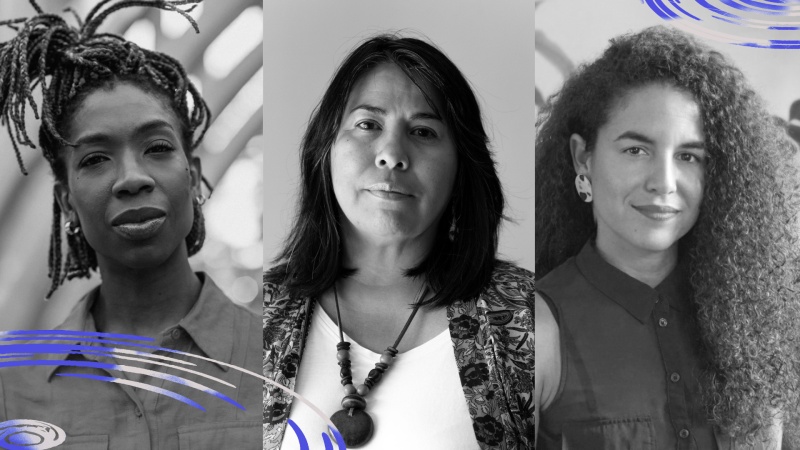
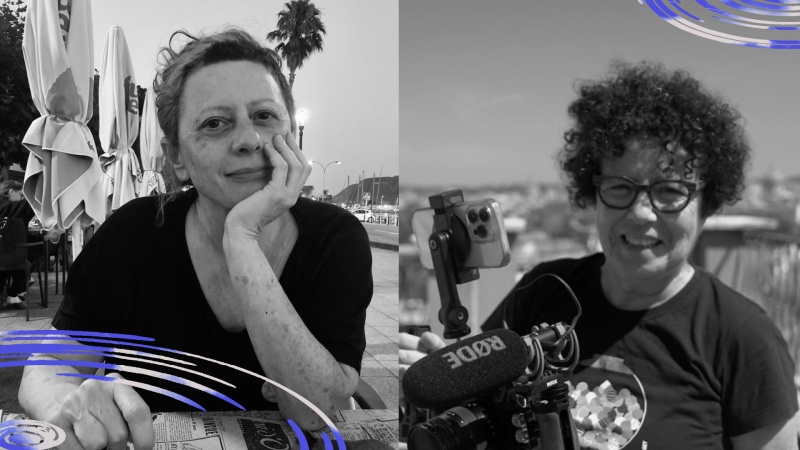
The conversation Inspiring practices and policies for incorporating an anti-racist and decolonial perspective into audiovisual media will take place in that context, at Tabakalera’s Hall 1, and aims to analyze the barriers and forms of violence faced by migrant and racialized women throughout the production chain and to offer proposals for addressing this structural inequality. The meeting will be moderated by the filmmaker and actress Beatriz Mbula, and will have the participation of the cultural manager and researcher Dagmary Olívar Graterol, and the filmmaker and cultural manager Wendy Espinal.
The programme's schedule will also include New Narratives for New Imaginaries / Filmmakers Transforming the Narrative, a discussion in which various filmmakers will reflect on the possibility of developing new ways of seeing, narrating, and representing (themselves), questioning who has had—and continues to have—the right to imagine the world in which we live. The meeting will be guided by the director, writer and screenwriter Lucía G. Romero with the participation of Daysi Cruz Cid, executive producer and audiovisual consultant; the screenwriter Eva Montoya; the film director Xixi Sofía Yen Chen; and Herminia Loh, musician, actress, sound assistant and driver.
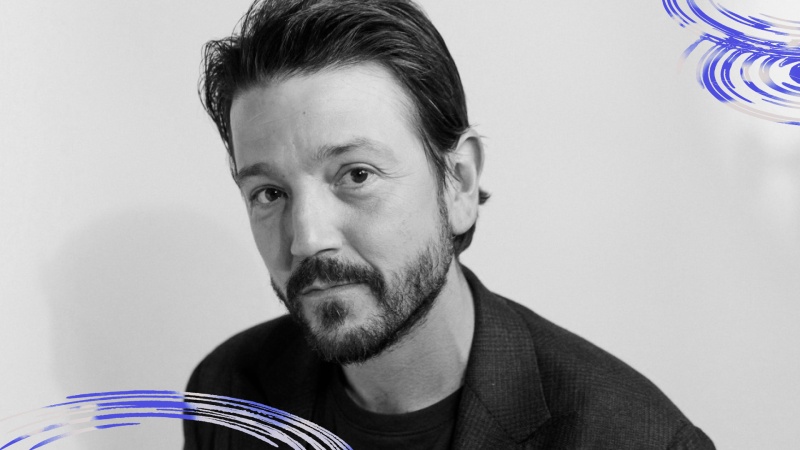
Also on Monday, in the framework of the Euskadi Basque Country 2030 Agenda activities at the Festival, will be a film talk with Diego Luna, who this year presents his latest work as a director in Horizontes Latinos, Ceniza en la boca / Ashes. The Mexican actor, filmmaker and producer will discuss the cinema and its capacity to open new ways of observing and transforming the environment from his experience with Ambulante, an organisation he founded with Gael García Bernal and Elena Fortes, aiming to promote the documentary as a tool of social and cultural transformation. The talk will be moderated by the communicator Noemi Cuetos, head of the Film Sector at ICEX.
On Tuesday 22, Tabakalera’s Theatre 1 will host the screening of The Gender of Democracy, a documentary directed by Cecilia Barriga in which 40 young people from all over Spain reflect on today’s political and social system, on their collective hopes for the future and on unfulfilled promises. The screening is part of the Youth, Cinema, Memory and Democracy section promoted by the Commissioner for the Holding of the 50th Anniversary of Spain in Freedom. The screening will be followed by a Q&A with the director and some of the young people participating in the documentary.
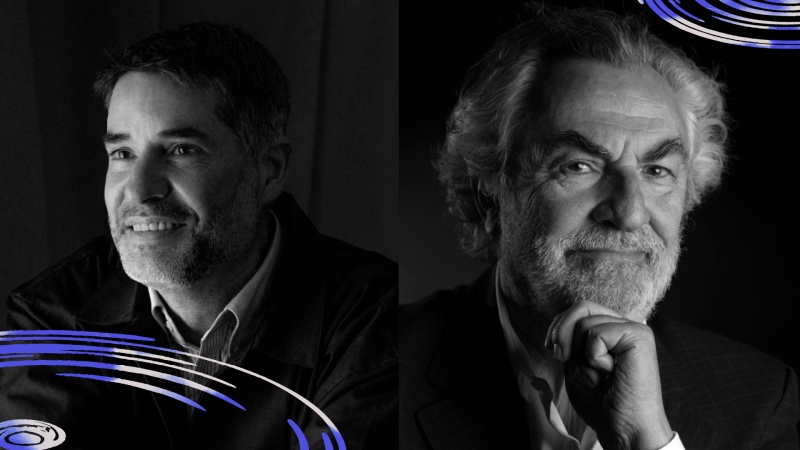
The Basque Architecture Institute will provide the setting on Wednesday 23 for Building Fiction: Production Design and Art Direction in Film, a meeting driven by Antxón Gómez, art director, production designer and regular collaborator of Pedro Almodóvar, and moderated by Enric Pastor, co-founder and literary director of the magazine MANERA. The two will discuss the way in which design contributes to film narrative and the reasoning behind the choice of specific objects and filming locations in this talk born from the collaboration between the Festival and the Basque Architecture Institute, and will take place at the institute’s headquearters, the Santa Teresa convent.
The last talk in the programme will take place on Saturday 26 in the Tabakalera cinema with Beth de Araújo, following the screening of her film Josephine, a competitor for this year’s Audience Award in Perlak. With her second feature, the North American filmmaker landed the Audience Award and Grand Jury Prize at Sundance, as well as participating in the official competition at the Berlinale.
Film Talks: Nest
Nest, San Sebastián Festival’s international competition for short films by film school students, will also have four film talks on its programme, to take place in the Tabakalera cinema.
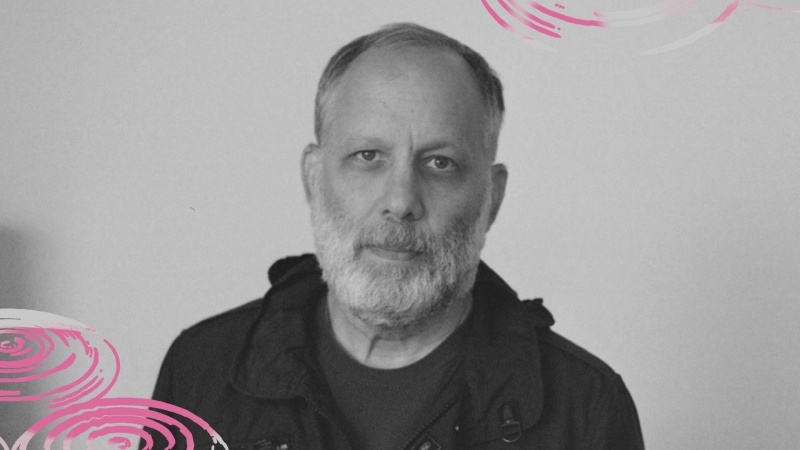
The talks will kick off on Monday 21 with Ira Sachs in a private conversation for Nest participants. The American filmmaker who this year, as well as presiding over the Festival’s Official Jury, will present in Perlak his feature film The Man I Love, which will screen prior to the Q&A. Sachs, the director of works including The Delta (1996), Forty Shades of Blue (2005) and Little Men (2016) comes to San Sebastián fresh from his participation in the official competition at Cannes, and will share with the Nest students his approach to the cinema guided, precisely, by a former student from the section and the Elías Querejeta Zine Eskola, the filmmaker Jaume Claret Muxart.
The following day will feature a conversation with Jordan Firstman, American writer, producer, and actor who, after screening in the Un Certain Regard section at Cannes, is presenting his feature film debut, Club Kid, at Perlak. Firstman, who has written, directed, and starred in short films such as Call Your Father (2016) and Men Don’t Whisper (2017)—which screened at Sundance—and has served as a screenwriter for the television series Search Party, will reflect on the challenges he has faced and the decisions he has made in shaping his first feature film.
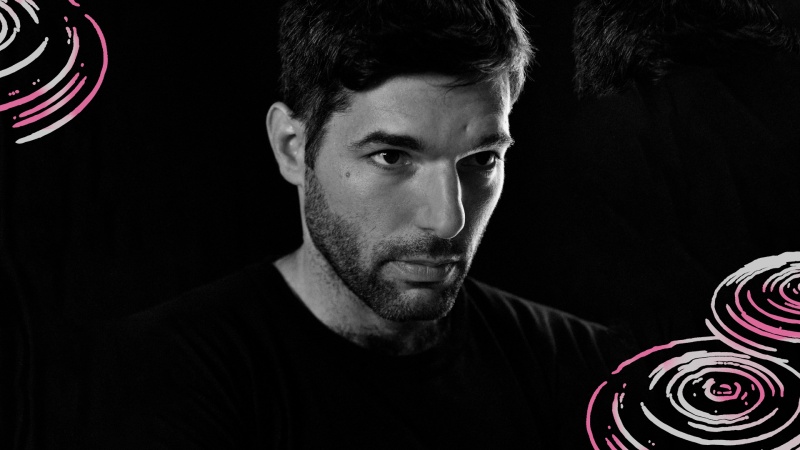
The conversation on Wednesday 23 will feature Benjamín Naishtat, who participates twofold in this year’s Festival: competing for the Golden Shell with Glaxo and for the Zabaltegi-Tabakalera Award together with María Alché in Pedro en el país / Pedro in the Country. The meeting with the Argentinian director and screenwriter, winner of the Silver Shell for Rojo (2018), will take place after the screening of Glaxo.
The last Nest talk will take place on Thursday 24 with Naëmi Ada following the screening of her debut film Body of Glass, a competitor in New Directors. The German director will discuss the process of creating this first feature film—an opportunity to gain firsthand insight into the creative journey behind her debut and the decisions that shaped her film, which serves as her graduation project from the Deutsche Film- und Fernsehakademie Berlin (DFFB) after having directed short films and experimental works.
Film Talks: Industry
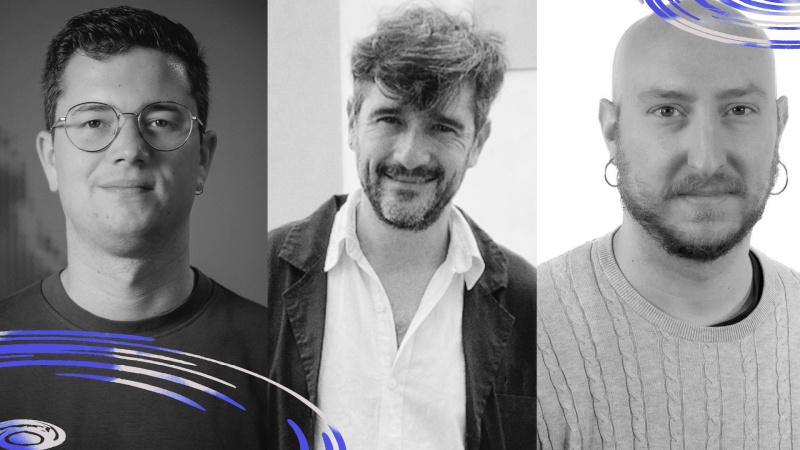
The Festival’s Thought and Discussion area joins the Industry Department to organise the traditional series conference on Saturday 19 in Tabakalera’s Theatre 1. This year the initiative is entitled We are Family in the endeavour to study how family relationships are narrated today and the influence these stories have on the collective imaginary. Moderated by the screenwriter Isabel Vázquez, the talk participants will be the executive producer and screenwriter Fran Araújo, the actress, director, screenwriter and producer Aina Clotet, and the director and screenwriter Javier Ferreiro.
On Tuesday 22, the San Telmo Museum will host the talk The Body as a Storyteller. Autobiography between reality and fiction in Ibero-American LGBTIQA+ cinema, taking a closer look at the tendency of filmmakers to resort to autobiographical material and personal experiences to compose stories, also studying the tension existing between reality and fiction and the way the body becomes a narration tool. Participants in the event will be Tiagx Vélez, filmmaker, teacher and transvestite; Lluís Garau, multidisciplinary artist; and Afioco Gnecco, director and screenwriter that will present Este cuerpo mío in Made in Spain, moderated by Chilean producer Selva González.
Audiences, algorithms and audiovisual distribution is the subject of the talk taking place in the framework of Zinemaldia & Technology, the Festival area connecting technology with the audiovisual sector. On Thursday 24, the production and contents consultant, Gloria Saló, the head of marketing at The Searchers Fleur Dopheide and the Strategic Partner Manager TV & Film at YouTube, Victoria Cazalla, moderated by AC Coppens, will meet in Tabakalera’s Prism space to discuss the strategies being developed by the industry to connect with new audiences and the coexistence of traditional distribution models with the new phenomena emerging in the digital age.
As well as these meetings, the Industry Department will organise a series of talks and round tables on the keys of European audiovisuals today and tomorrow. In addition, for the fifth year running, it will organise the Creative Investors Meeting (Spanish Screenings: Financing & Tech), a forum for conferences and discussions that will analyze the main trends and transformations in the audiovisual sector, ranging from the new production landscape in the United States and the challenges and opportunities of the European market to new models of financing, investment, and distribution.
FILM TALKS PROGRAMME
Saturday 19, 12:00 | Tabakalera - Hall 1 (previously Z)
- Public: free invitations available through the usual channels.
- Accredited guests: through the online ticket booking system.
Saturday 19, 17:00 | Tabakalera - Hall 1 (previously Z)

- Public: free invitations available through the usual channels.
- Accredited guests: through the online ticket booking system.
Sunday 20, 11:00 | Tabakalera - Cinema
- Public: free invitations available through the usual channels.
- Accredited guests: through the online ticket booking system.
Sunday 20, 12:30 | Tabakalera - Laboratory

- Public: free invitations available through the usual channels.
- Accredited guests: through the online ticket booking system.
Monday 19, 9:30 | Tabakalera - Hall 1 (previously Z)
- Public: free invitations available through the usual channels.
- Accredited guests: through the online ticket booking system.
Monday 21, 11:00 | Tabakalera - Cinema
- Private session for Nest participants.
Monday 21, 12:00 | Tabakalera - Hall 1 (previously Z)

- Public: free invitations available through the usual channels.
- Accredited guests: through the online ticket booking system.
Monday 21, 16:00 | Tabakalera - Hall 1 (previously Z)
- Public: free invitations available through the usual channels.
- Accredited guests: through the online ticket booking system.
Tuesday 22, 10:30 | San Telmo Museum

- Free access until capacity is reached.
Tuesday 22, 12:00 | Tabakalera - Hall 1 (previously Z)
- Public: free invitations available through the usual channels.
- Accredited guests: through the online ticket booking system.
Tuesday 22, 16:00 | Tabakalera - Cinema

- Public: free invitations available through the usual channels.
- Accredited guests: through the online ticket booking system.
Wednesday 23, 10:00 | Tabakalera - Cinema
- Public: tickets on sale via the usual channels.
- Accredited guests: through the online ticket booking system.
Wednesday 23, 19:00 | Institute of Architecture (Santa Teresa Convent)
- Free access until capacity is reached.
Thursday 24, 12:30 | Tabakalera - Prisma

- Free access until capacity is reached.
Thursday 24, 15:30 | Tabakalera - Cinema

- Public: tickets on sale via the usual channels.
- Accredited guests: through the online ticket booking system.
Saturday 26, 10:00 | Tabakalera - Cinema

- Public: tickets on sale via the usual channels.
- Accredited guests: through the online ticket booking system.




















Monday to Sunday from 09:00 to 14:00
and from 16:00 to 20:00