








Sponsors



Partner


















Z365" or "Festival all year round" is the new strategic point of the Festival in which converge investigation, accompaniment and development of new talents (Ikusmira Berriak, Nest); training and cinematic knowledge transfer (Elías Querejeta Zine Eskola, Zinemaldia + Plus, Filmmakers' dialogue); and investigation, disclosure and cinematic thought (Z70 project, Thought and Discussion and Research and publications).
 Calls for entries - 2026 Log-in to MY FESTIVAL
  Agenda Programme and tickets Search
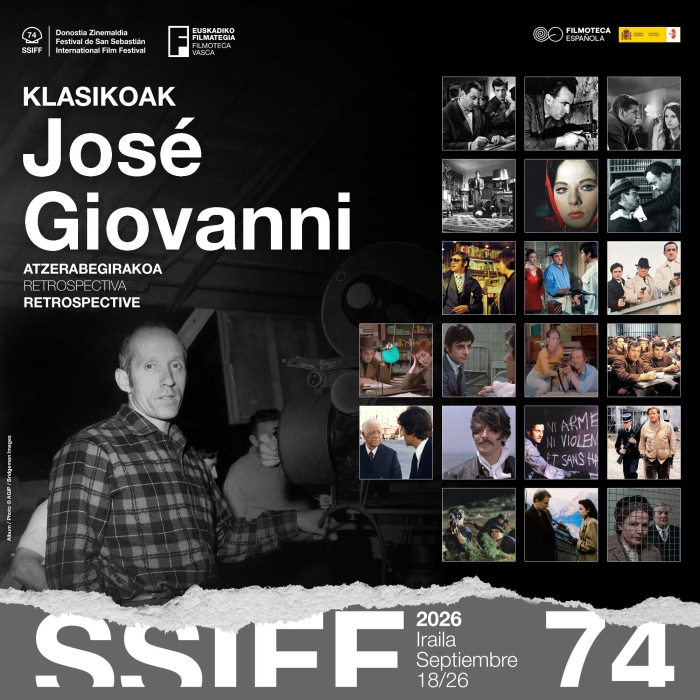


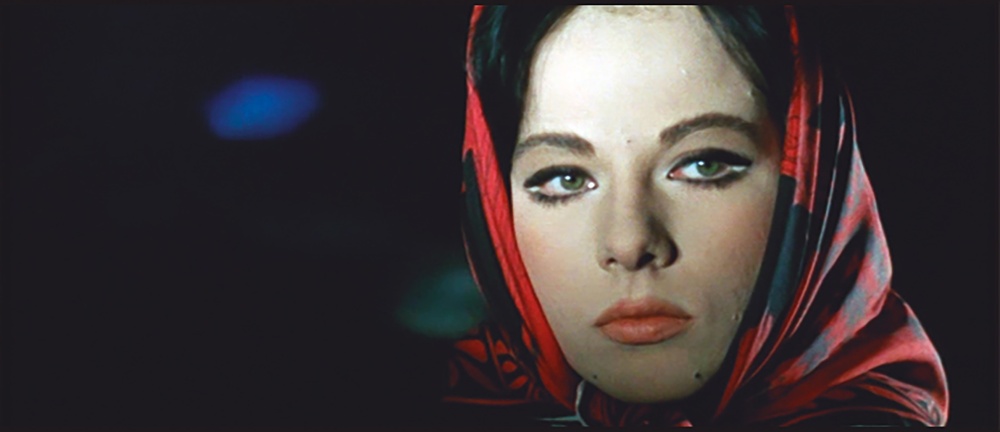
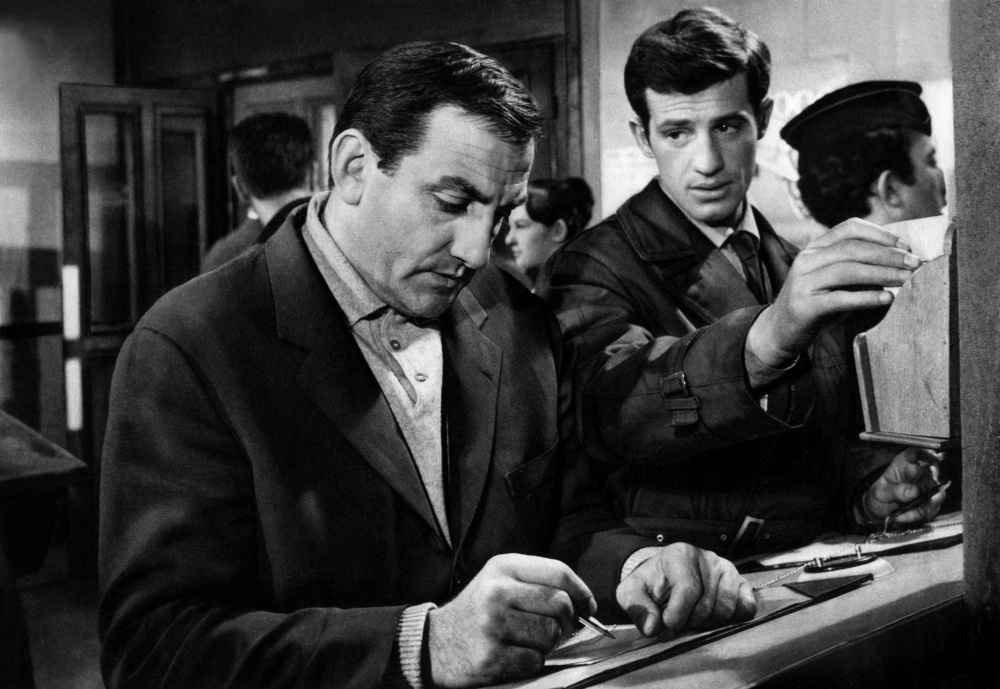
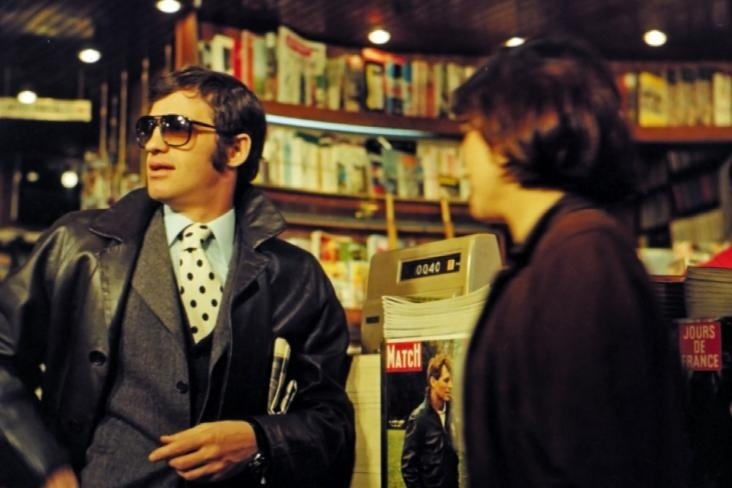
A total of 20 feature films released between 1960 and 2001 will make up the retrospective dedicated to French director, screenwriter and novelist José Giovanni, an indisputable figure of the golden age of French crime cinema. At its 74th edition, the San Sebastián Festival will present almost the entirety of the work Giovanni signed as director, as well as eight titles he wrote for filmmakers such as Jacques Becker, Jean-Pierre Melville, Jacques Deray, Claude Sautet, Henri Verneuil and Robert Enrico.
Organised by the Festival and the Filmoteca Vasca (Basque Film Archive) with the collaboration of the Filmoteca Española (Spanish Film Archive), the season will include the publication of the book José Giovanni. Life is not lived to the full without mercy, written by Felipe Cabrerizo and edited by Quim Casas, critic and member of the Festival’s Selection Committee. The study covers Giovanni’s complete body of work as a novelist, screenwriter and director, as well as the more controversial aspects of his life, from his role during the German occupation to his attempt to escape from prison.
Published in Spanish and English, the book is the fifth volume in the collection launched by the Festival and the Filmoteca Vasca, following those devoted to Claude Sautet, Hiroshi Teshigahara, Italian crime cinema and screenwriter Lillian Hellman.
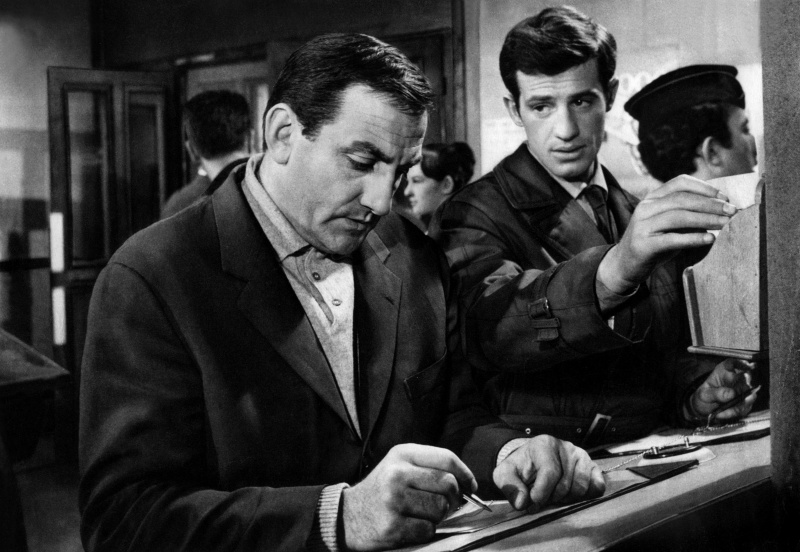
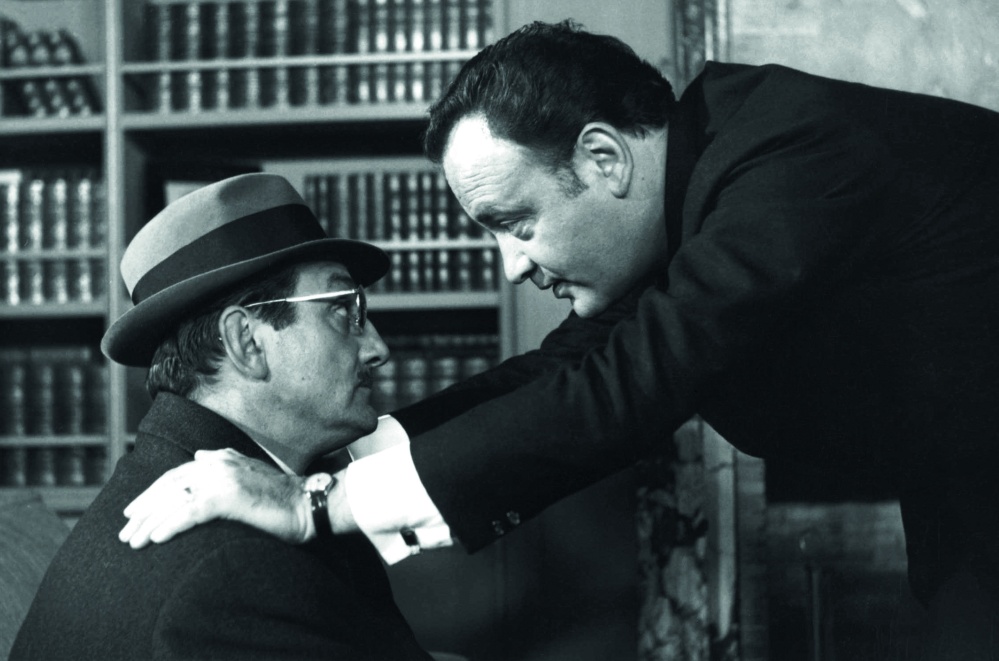
This time it was Claude Sautet who took to the screen another novel by Giovanni, who was starting to find himself in great demand in the cinema. Lino Ventura is Abel Davos, a criminal who succeeds in fleeing to Italy with his family, duping the police blockade. But after a skirmish at the border, the protagonist is left alone with his children. Based, with the name slightly changed, on a gangster who collaborated with the French Gestapo during the occupation.
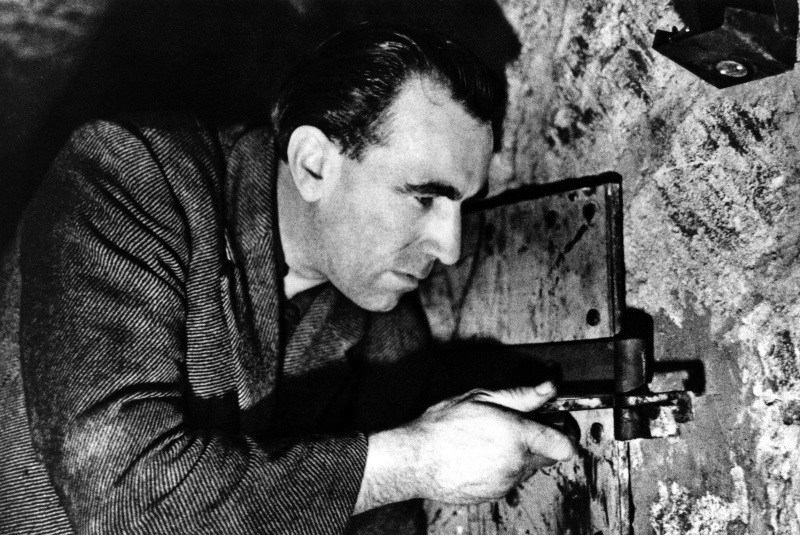
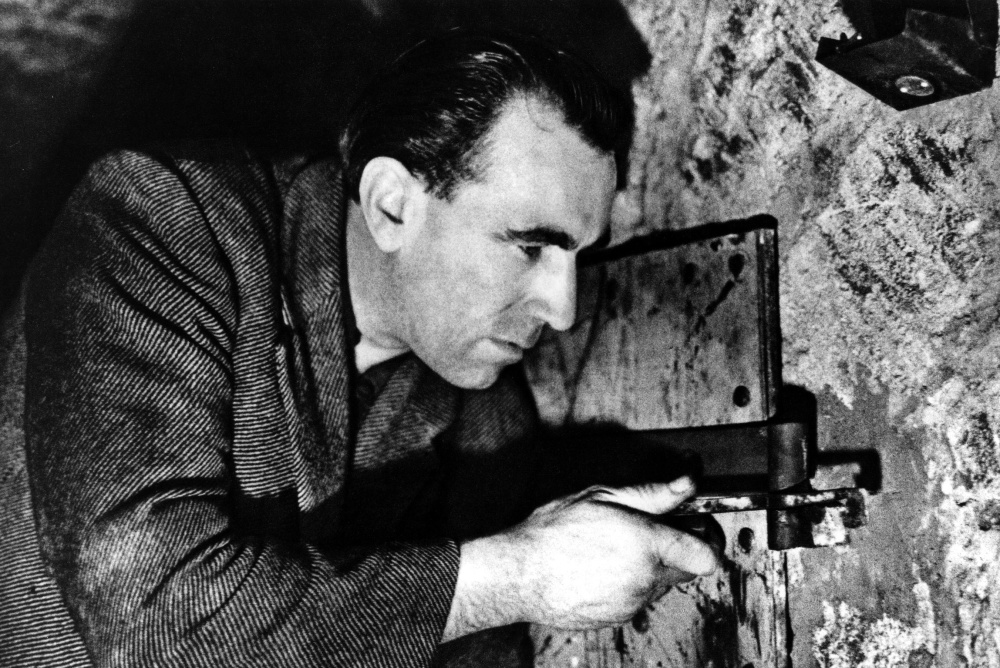
In his posthumous film, Jacques Becker adapts the novel by Giovanni in which he narrated his attempted escape from La Santé prison. The writer ended up actively participating in the screenplay and providing all of the elements making for extreme realism. The four protagonists share a cell. When they are about to make their flight, they are assigned a fifth and subversive prisoner in the same, small space.
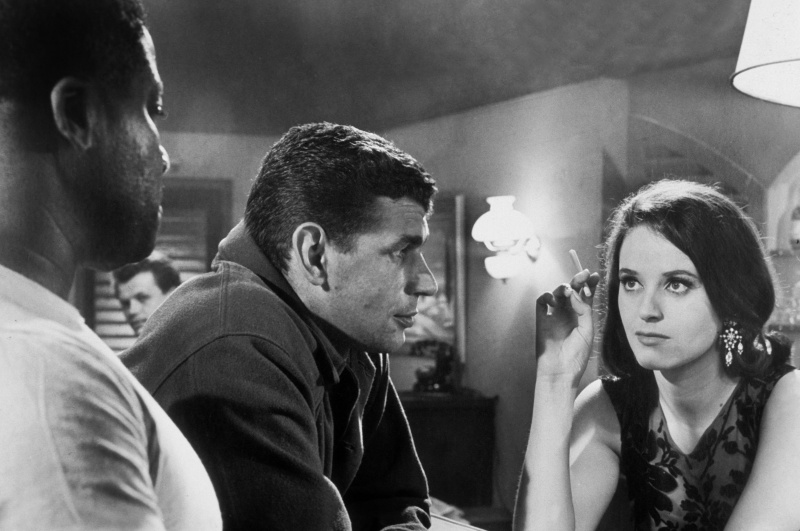
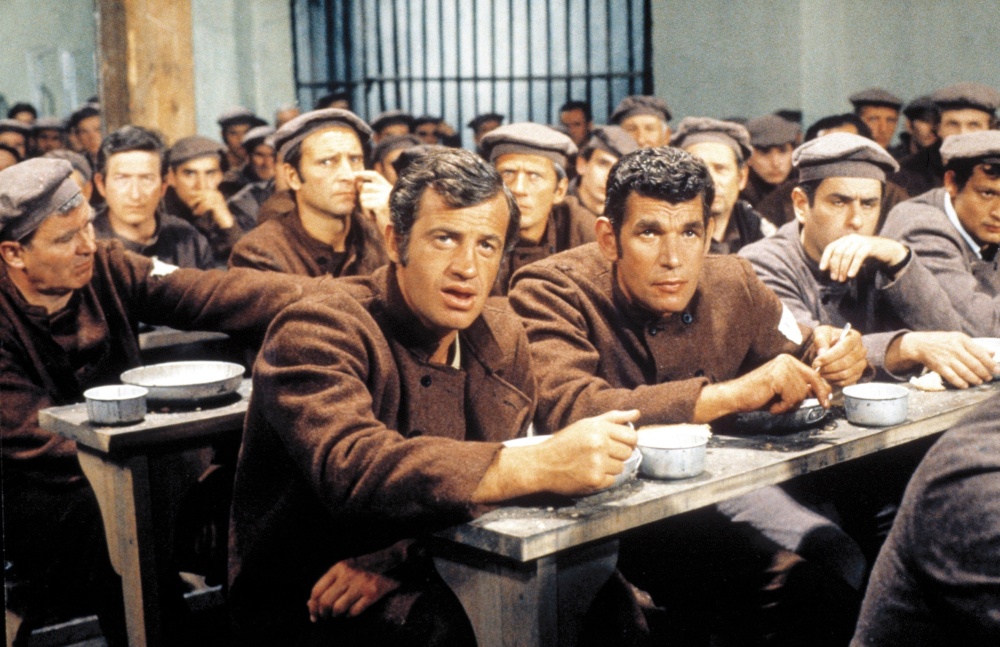
Robert La Rocca abandons criminal life and moves to the country, but his goal is to achieve the freedom of his best friend, Xavier, sentenced to several years in jail. A string of events see him incarcerated in the same penitentiary. Some time later they are offered the possibility of a shorter prison term if they help to defuse the land mines left on the beaches after the war. First adaptation of his novel L’Excommunié.
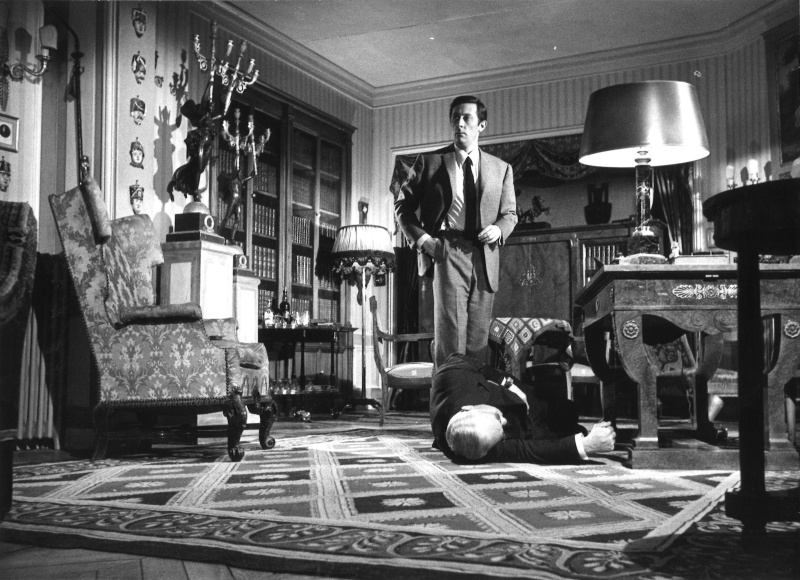
Four wealthy men aim to increase their income by pooling their money in a huge narcotics deal. A fifth man (played by Giovanni himself) is tasked with bringing the shipment from Marseille. But things don't go to plan and they soon start fighting one another. This is the first of the productive collaborations between Giovanni and Jacques Deray, with the participation of Claude Sautet in the script.
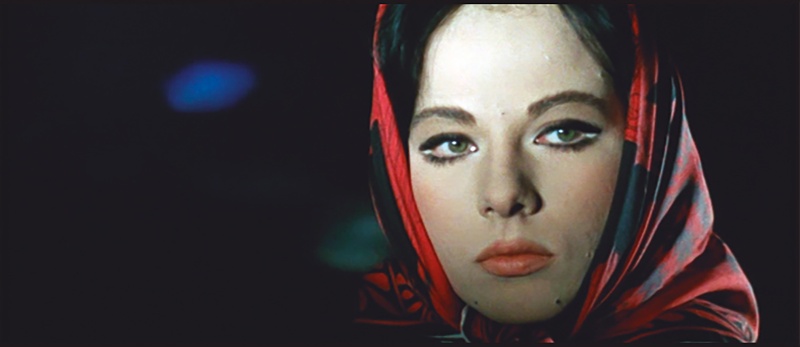
Immersion by Giovanni and Deray in spy stories. Lino Ventura is Paul Fabre, a French secret service officer sent to Vienna to find out if the Austrian head of French intelligence is in fact a double agent. Fabre is called up for the mission, trusting in his experience and instinct, and because he's one of the suspect's best friends.
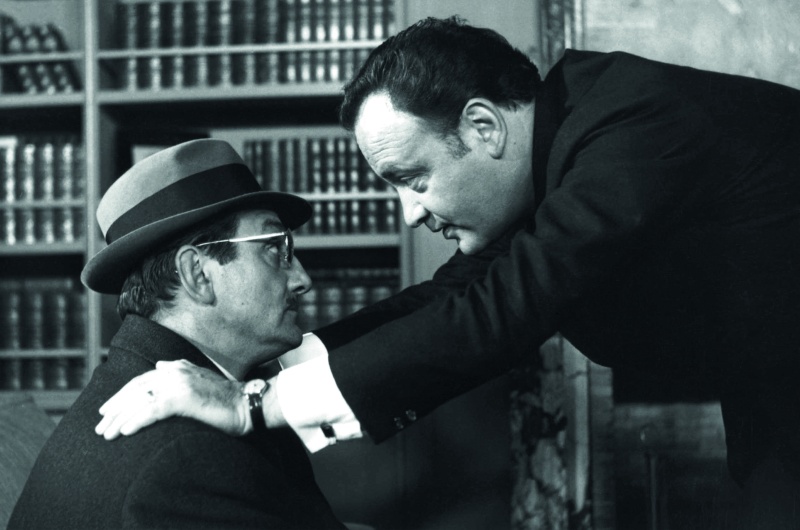
Having escaped from jail, a dangerous criminal called Gustave Minda (Lino Ventura) seeks to reactivate his men, only to find himself caught up in a mass killing between rival bands. A police inspector closes in as he tries to organise a last heist and flee the country. First and last collaboration between two of the great architects of the French crime thriller genre, Giovanni –author of the novel and co-screenwriter– and Jean-Pierre Melville.
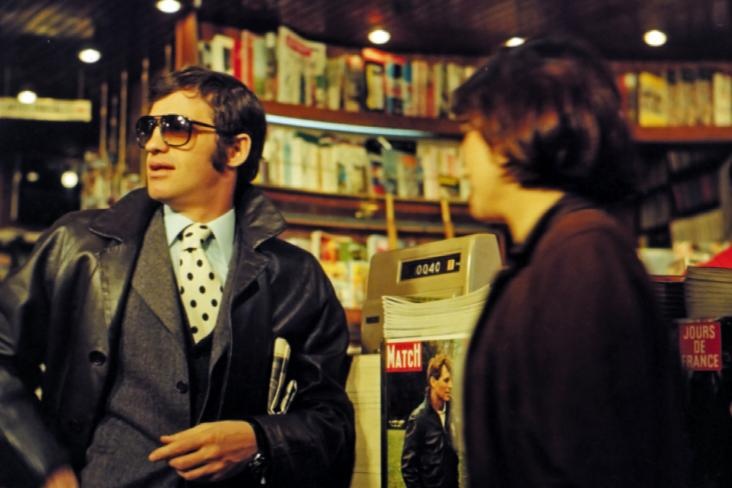
One of the few cases in which Giovanni would not participate in writing the script adapting one of his novels. Jean-Paul Belmondo plays a former racing car driver. He has stopped racing since one of his friends died in an accident and now drives the getaway car for small-time gang of criminals. Gradually the idea of a solo heist takes shape in his mind.
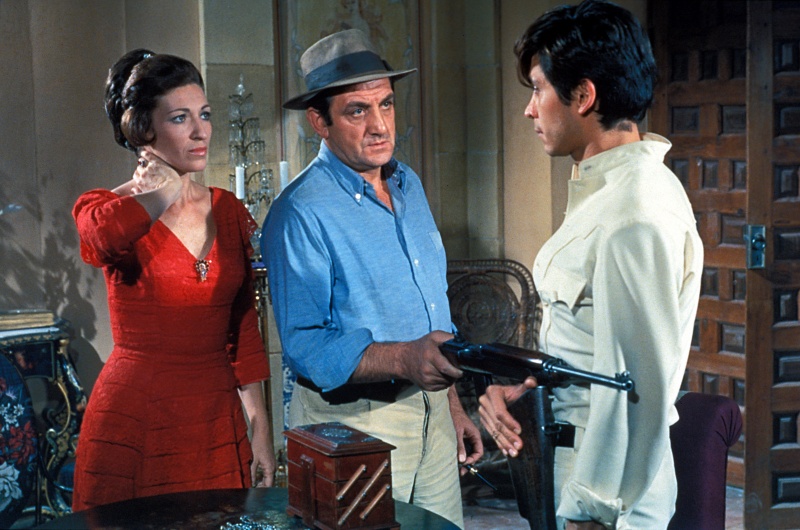
The second film directed by Giovanni, based on Scottish writer John Carrick's novel The Vulture, stars a hitman (Lino Ventura) hired by a group of revolutionaries to kill a Latin American president. Ruthless, unbending, and deeply cynical, the killer, known as "Le Rapace", will participate in this coup d'état without realising its immediate consequences.
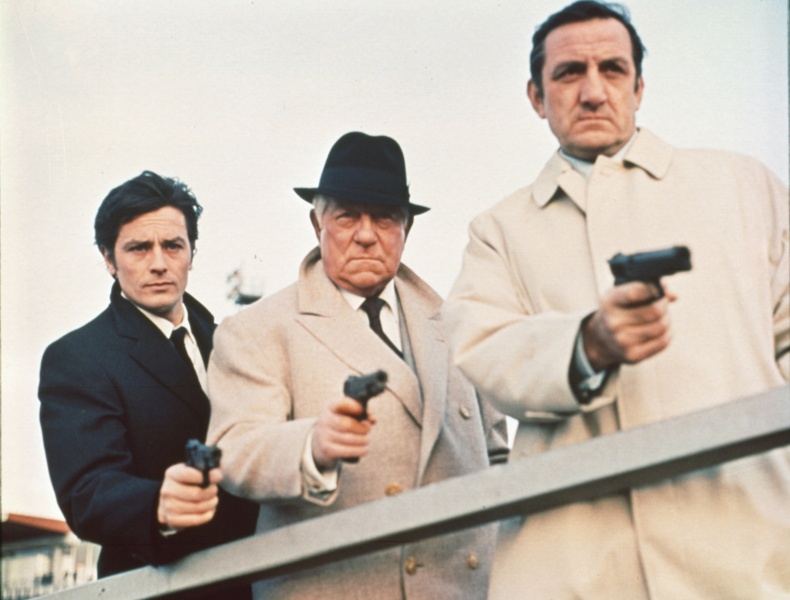
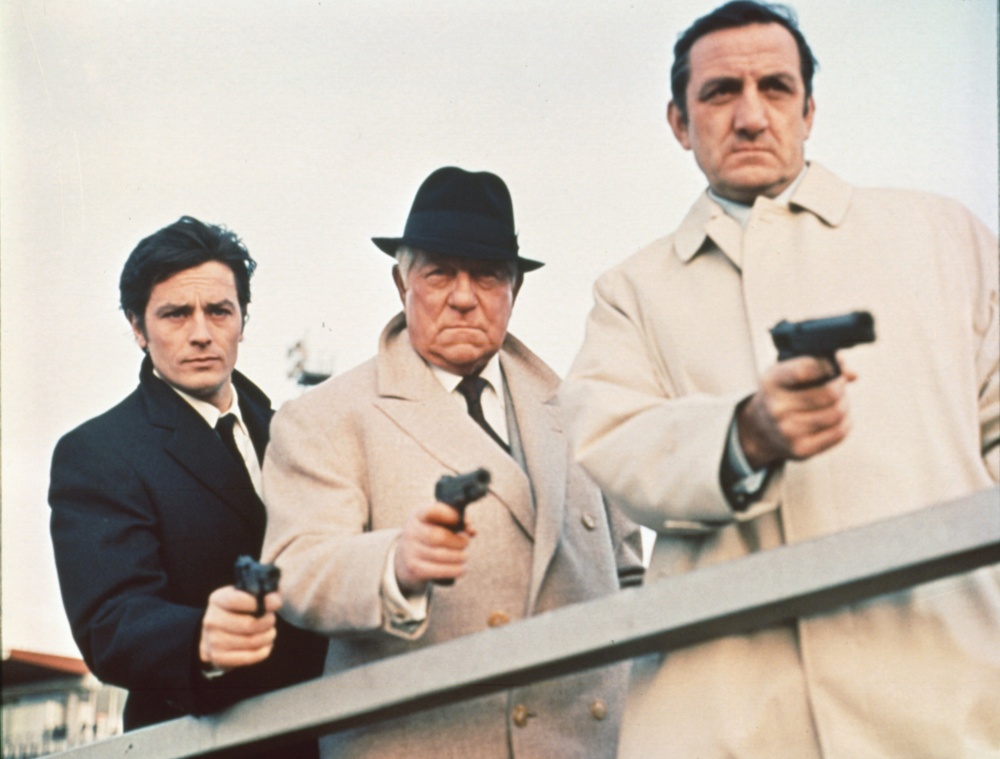
A man jailed for murder is freed by members of the clan of a highly-respected Sicilian gangster. Together they plan to hijack a plane travelling to New York carrying precious gems, while the police rush to apprehend them. Adaptation of a novel by André Le Breton conceived as a major international production. It reunites the big three polar actors: Delon, Gabin and Ventura.
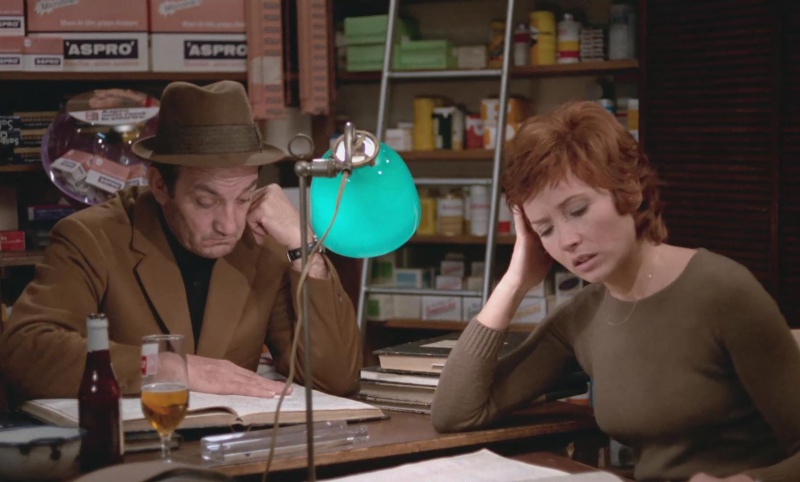
Lino Ventura plays a hardened cop who is ousted from his position when he arrests an influential lawyer's drunk-driving son. His new stomping ground is a suburban police station where he is initially assigned to rooting out sexual perverts. Teamed up with a rookie partner (Marlène Jobert, Eva Green's mother), the two are tasked with the mission of finding a protected witness with the only clue of his last known address.
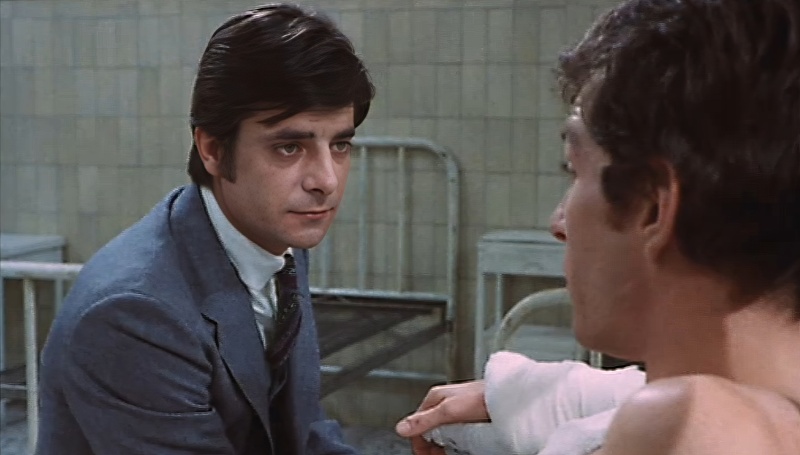
A chamber thriller adapted from a North American novel featuring in the Série Noire collection published by Gallimard. Fresh from a failed bank hold-up, and accused of a crime he didn't commit, the protagonist sets out to solve a string of problems in his recent past. The story had already been taken to the screen by Robert Siodmak in the film noir Cry of the City (1948).
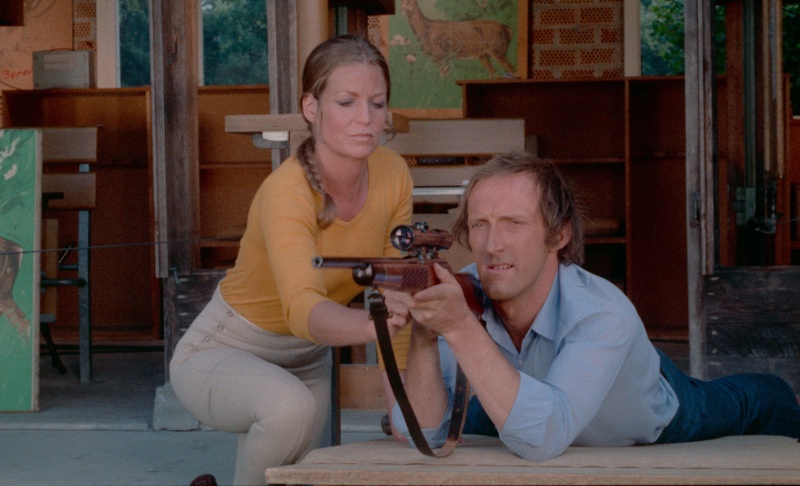
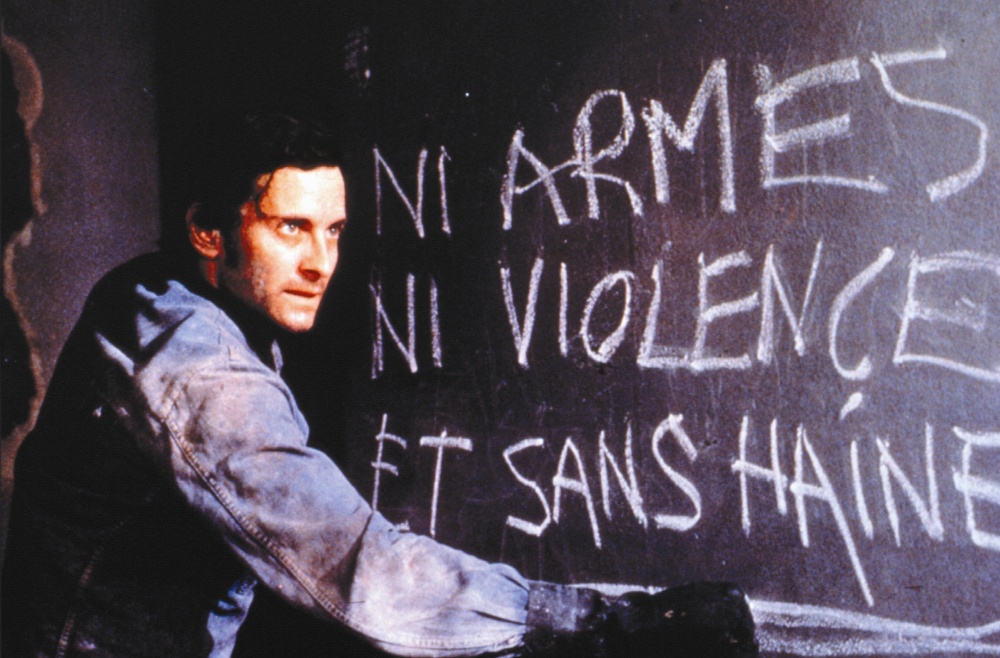
The film stars an actor generally associated to comedy, Rufus, who had formerly appeared in Un aller simple (One Way Ticket). This is a film of marked political overtones: working for a pacifist association dedicated to freeing political prisoners, Tom gradually realises that the non-violence in which he had always had faith doesn't work, pushing him to change sides and join the armed struggle.
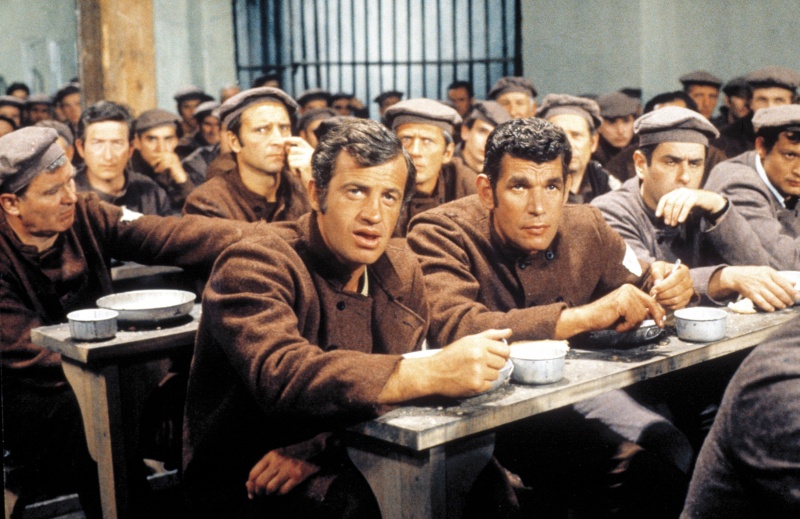
Not altogether happy with Jean Becker's version of his novel L'Excommunié in Un nommé La Rocca, Giovanni personally set about adapting the work, in colour by now, but with the same actor, Jean-Paul Belmondo. The film lends greater detail than its predecessor to the life of organised crime in the Marseilles of the 30s, prior to the character ending up in jail and returning to civilian life after a series of adventures.
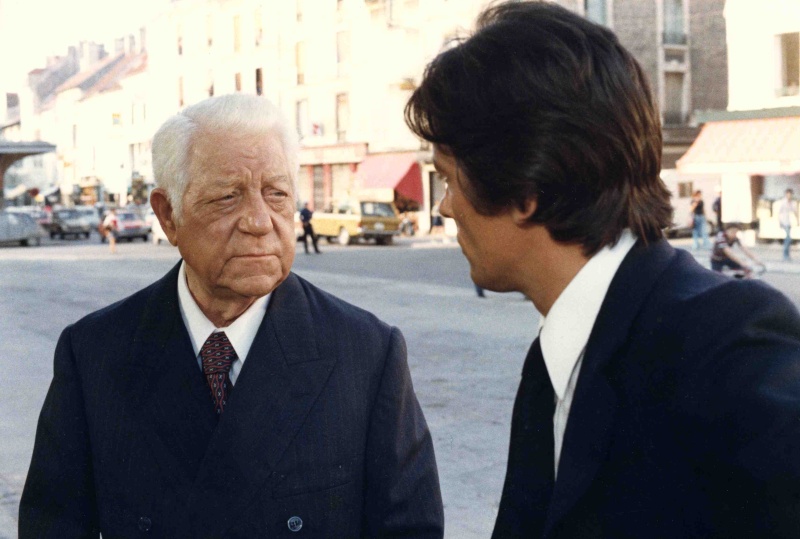
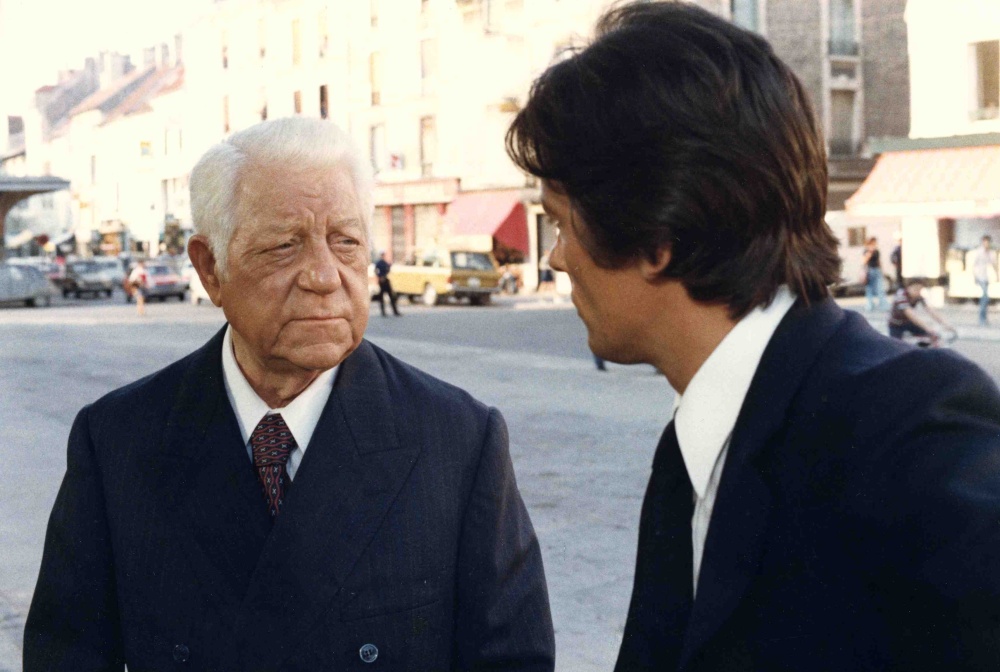
Construed as a protest against the death sentence, the film tells the tale of a criminal and his attempts to go straight as he returns to society on release from jail. He succeeds thanks to the help of a social worker; however, a series of events, added to the harassment of a cop who knows all about his past, drive him back into a life of crime. Produced by Alain Delon, who stars alongside Jean Gabin.
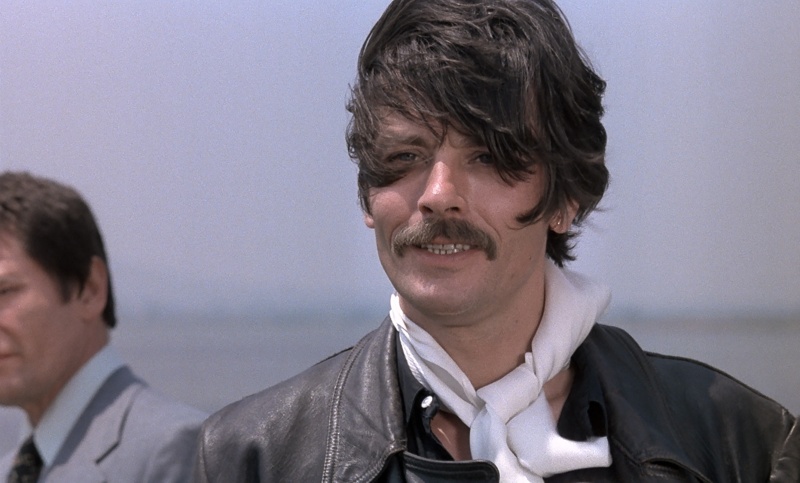
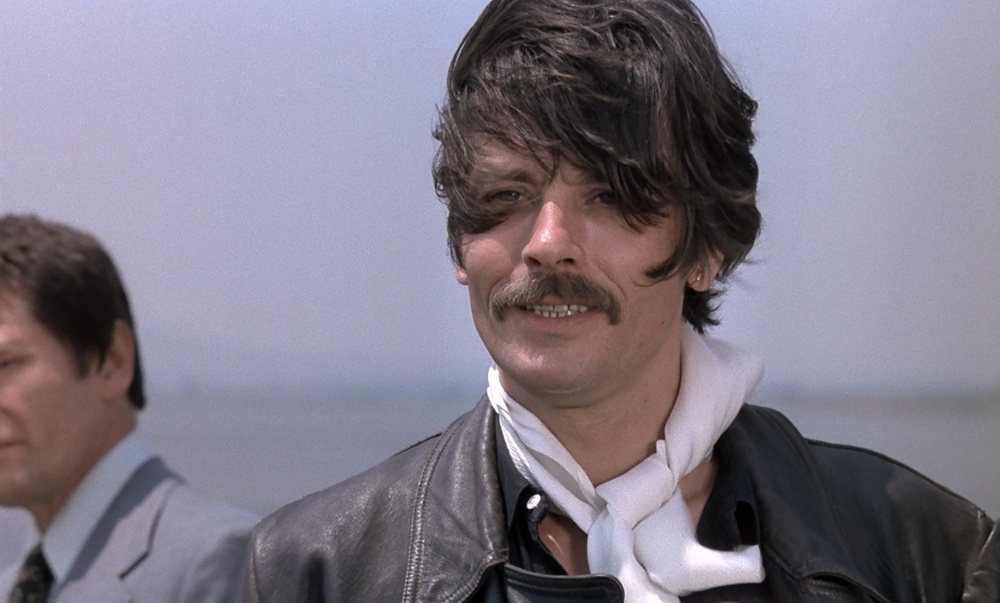
In his second collaboration with Giovanni as an actor and producer, Alain Delon plays Hugo Sennart, a French gypsy wanted by the police for a string of crimes. Hugo is preparing what may be his last heist, but his plans cross with those of a jewel thief, wanted by the same police inspector as himself. Despite its fictional nature, the film proposes a documentary look at the gypsy camps and their way of life.
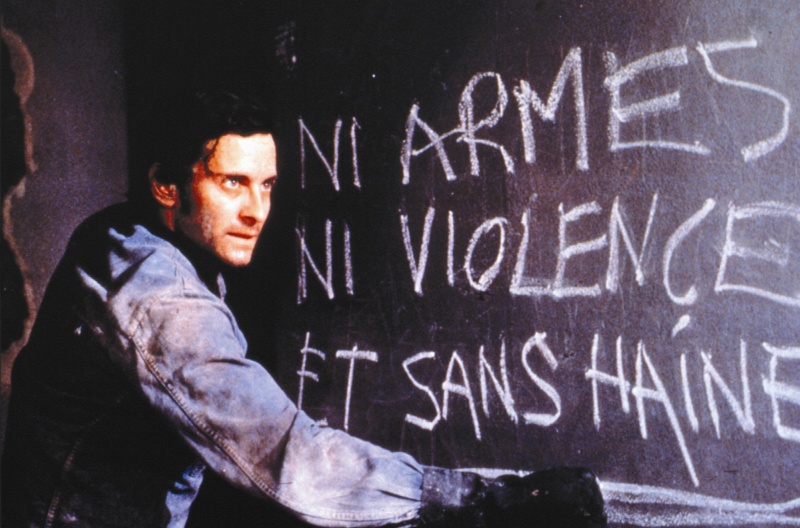
Adaptation of the autobiographical novel by Albert Spaggiari, who masterminded one of the biggest bank robberies committed until then. One day in July 1976, Spaggiari and his sidekicks tunnelled through the sewers until breaking into the vault of the Société Général Bank in Nice, where they stayed for a whole weekend and stole 60 million francs, plus bonds and valuables. It was called the robbery of the century.
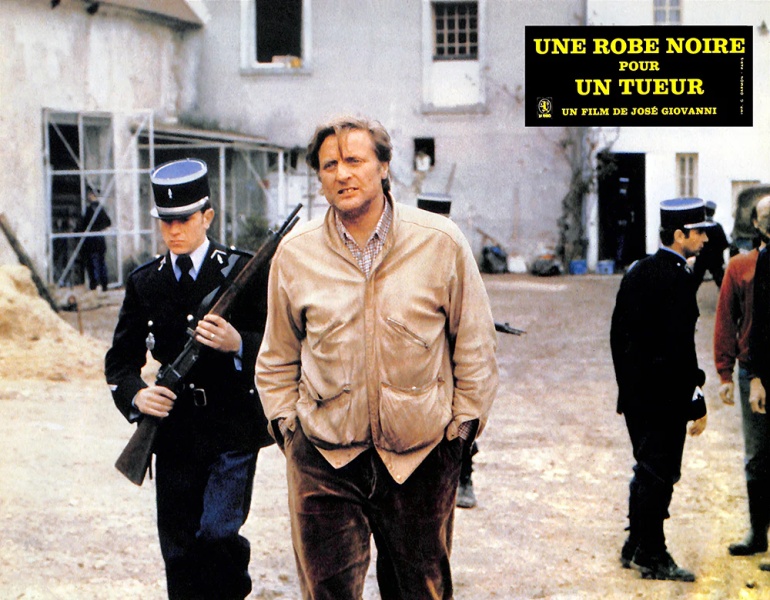
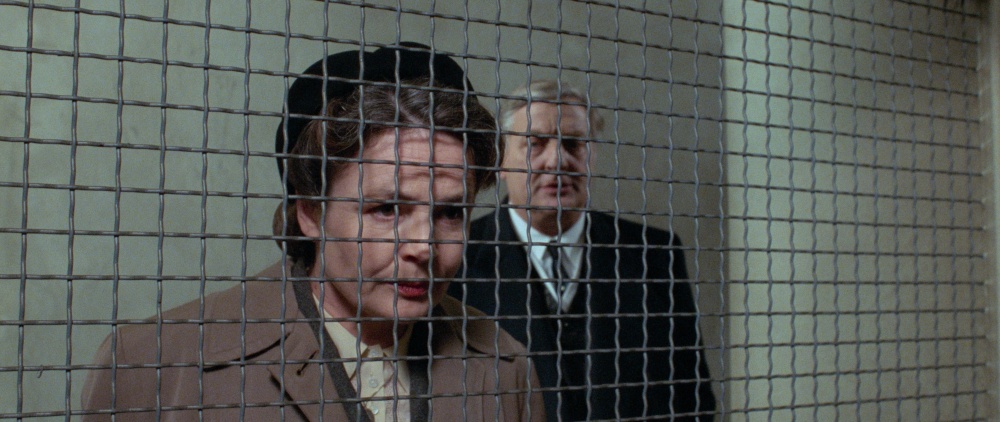
In this film, Giovanni tells the tale of a falsely accused man, Simon Risler (Claude Brasseur), who escapes police custody after being tried and sentenced to death for a crime he didn't commit. He hides at the home of his defence lawyer (Annie Girardot), with whom he sets about proving his innocence and uncovering a corrupt plot involving high-ranking officers in the Financial Brigade of the French police force.
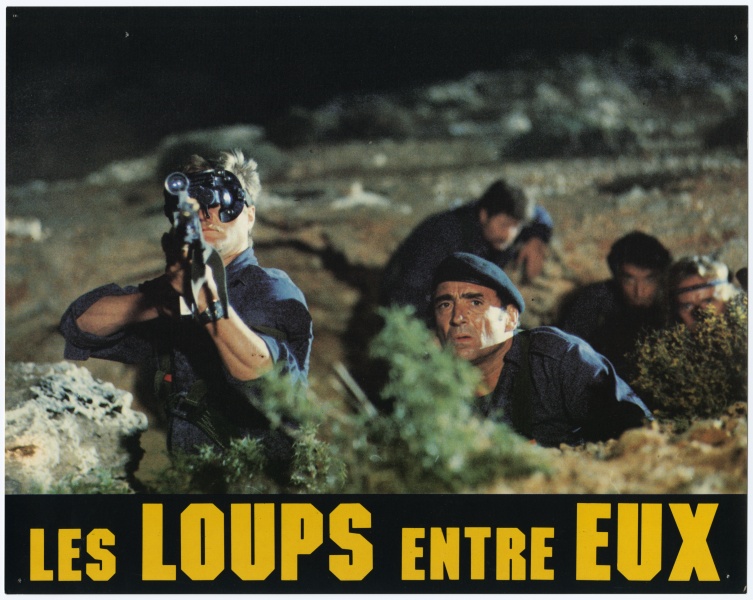
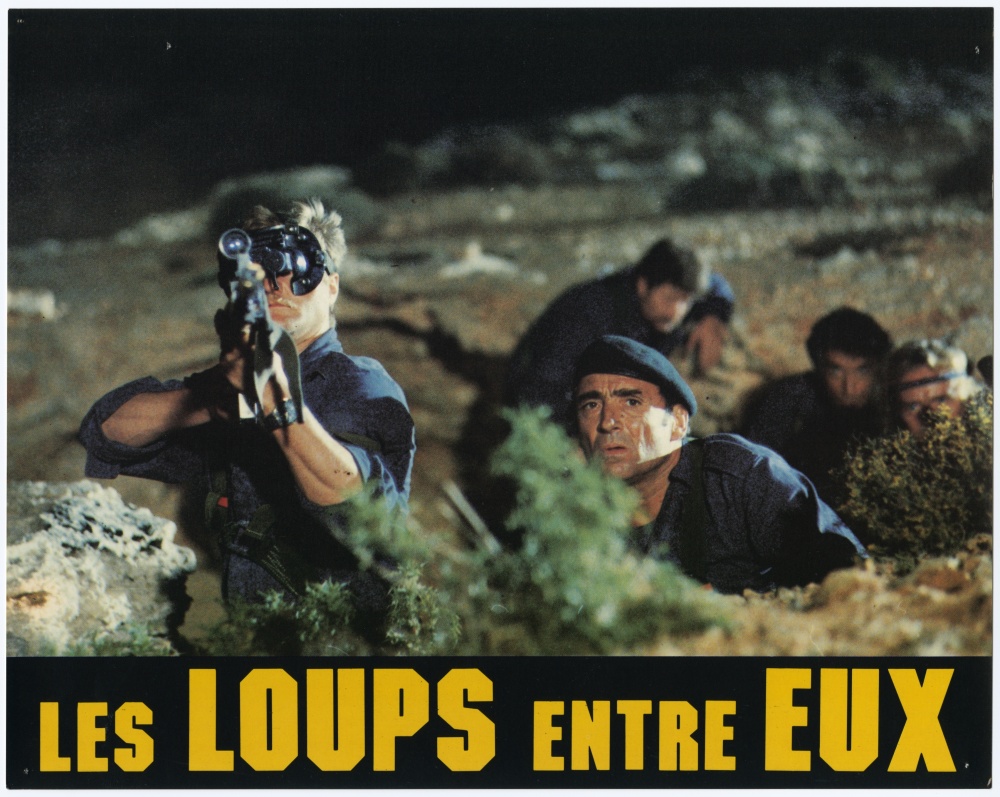
Midway between adventure and espionage, the film opens with the kidnapping of a high-ranking NATO general by a terrorist group. The French secret services therefore recruit an unruly bunch of individuals and train them to become the commando who will free the general. The shoot was complicated, but very much to Giovanni's liking, with underwater scenes and others showing the breathtaking climbing of vertical cliffs.
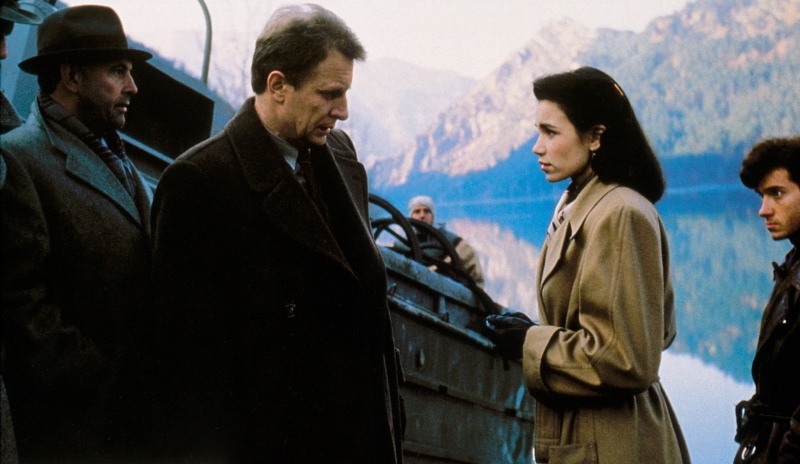
Another of Giovanni's films with biographical overtones. It focuses on a young man who, to get out of jail during the occupation, agreed to collaborate with the Nazis. Some time later, as the war draws to an end, he will try to seek redemption by helping a French intelligence officer to unmask the citizens and police who participated harshly in the repression, including his own brother.
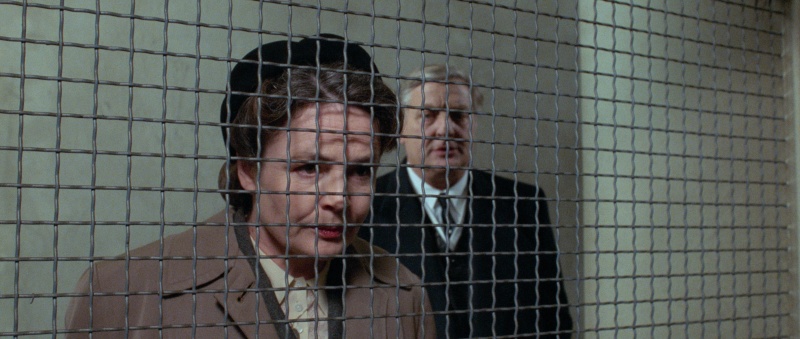
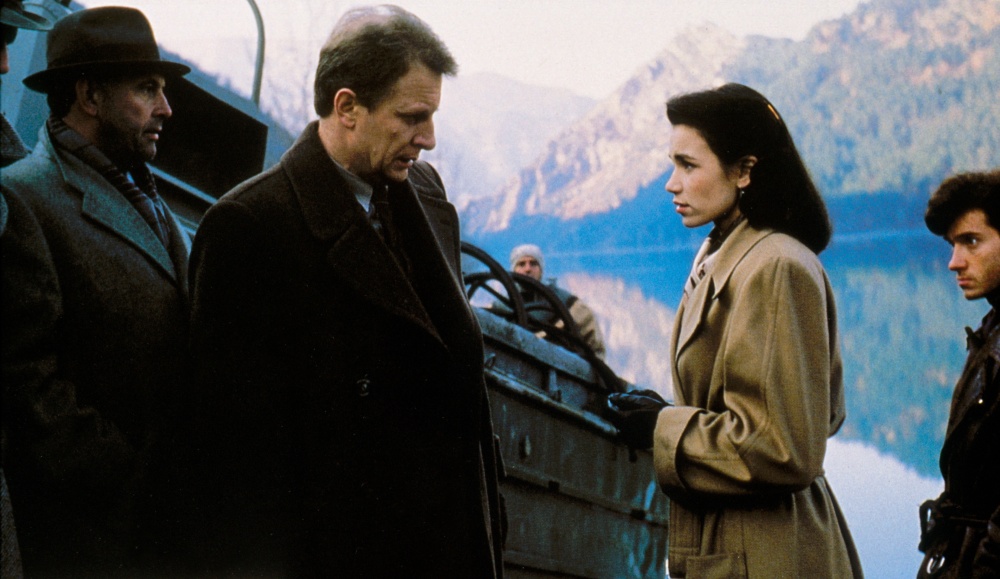
Based on his novel Il avait dans le coeur des jardins introuvables, Giovanni makes a heartfelt tribute to his father, Joe Damiani, who never blinks in the endeavour to free his son, sentenced to death for his part in a murder. The father (Bruno Cremer) will try to find evidence to prove his innocence. Giovanni bids farewell to the cinema with this journey through time to one of the most dramatic periods in his life.
Biography
José Giovanni (1923-2004), born Joseph Antoine Roger Damiani in Paris, into a well-off family of Corsican origin, wrote some of the first-rate pages of French crime movies and the police thrillers known as polar, as influential as the North American film noir. Having been a novelist, screen adapter and writer, it was when he took up the reins of his own directorial projects that he injected a gaze and an aesthetic to French police films on a par with those of its most celebrated authors, Jean-Pierre Melville and Jacques Deray. He worked closely with both at one stage, the first half of the 60s, when listing Giovanni’s name in the credits meant sure-fire interest and success at a time when the film policier was firmly rooted in the world of French cinema.
His was a hectic and complicated life, replete with obscure moments. This provided him with myriad elements for the plots of his novels. He made his entrance to cinema in style: Jacques Becker was captivated by his novel Le Trou, based on his time in jail (accused of murder and sentenced to death, although he escaped the guillotine when his punishment was commuted to hard labour), and decided to take it to the screen. The connection with the writer was immediate and Giovanni, who had been hired as technical adviser, finally set about co-writing Le Trou / The Hole (1960). The film, which was Becker’s posthumous work, screened as part of the retrospective dedicated to the director in 2016 by the San Sebastián Festival.
Giovanni published Le Trou in 1958, a year and a half after having been released from prison. It wasn’t long before he was added to the writers included in the prestigious Série Noire crime fiction series devised by Marcel Duhamel at the Gallimard publishing house, thereby establishing a new and contemporary appreciation of crime novels, including the translation into French of the North American classics. His third novel, Classe tous risques (1958), would lead to Classe tous risques / The Big Risk (1960), by Claude Sautet, for which he also wrote the screenplay. And the second, Le Deuxième souffle (1958), was adapted years later by Jean-Pierre Melville in one of the polar genre’s key titles Le Deuxième souffle / Second Wind (1966). Both this film and the one made by Sautet, to whom the Festival dedicated a retrospective in 2022, featured Lino Ventura, one of the key actors of the genre alongside Jean Gabin and Alain Delon.
Another of his books from that productive 1958 year, L’Excommunié, provided the basis for Un nommé La Rocca / A Man Named Rocca (1961), the film starring Jean-Paul Belmondo in which his excellent relationship with the Beckers continued: it was directed by Jean Becker, Jacques’ son. The year 1963 saw the beginning of his productive collaboration with the helmer Jacques Deray: Symphonie pour un massacre / Symphony for a Massacre (1963), Rififi à Tokyo / Rififi in Tokyo (1963), L’homme de Marrakech / The Man from Marrakech (1966) and Avec la peau des autres / To Skin a Spy (1966), going on to do the same three years later with Robert Enrico: Les Grandes gueules / The Wise Guys (1966), Les Aventuriers / The Last Adventure (1967) and Ho! / Ho! Criminal Face (1968). By this time, however, Giovanni was already turning his interest towards directing. He made his debut behind the camera with La Loi du survivant / Law of Survival (1967), a war-based polar featuring three of his main topics: the French resistance during WWII, the Corsican milieu and betrayal.
From then on, and with the exclusive exception of Henri Verneuil’s Le Clan des Siciliens / The Sicilian Clan (1969) —a key work of the polar genre, with an exemplary script by Giovanni based on August Le Breton’s novel and a high-powered reunion between Ventura, Delon and Gabin— our protagonist concentrated mainly on directing. And while his films do have aspects of all the filmmakers he worked with, it wasn’t long before his personal, raw and direct style took the upper hand, as he proceeded to adapt his own work or that of other writers, in films featuring hired killers, neighbourhood cops, wayward youths against the system, gangsters in Marseille, ex-convicts struggling to re-enter society, marginalised thieves working to their own codes of conduct, big-time heists, prisoners trying to prove their innocence and gold diggers. A style as hectic as his own life, hugely physical and adventurous: for example, he was an aficionado of both mountaineering and city climbing, at one point even climbing to the top of the Eiffel Tower.
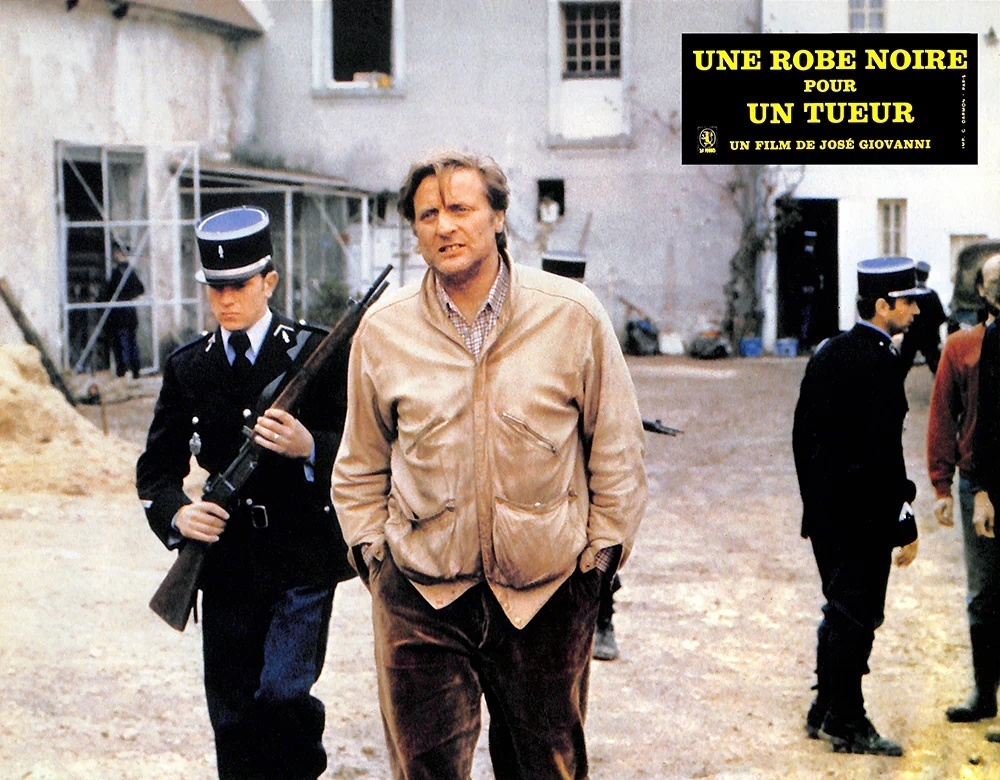
Worthy of note among the fifteen feature films he helmed, as well as two films for television and three episodes of a couple of series, are Le Rapace / Birds of Prey (1968), Dernier domicile connu / Last Known Address (1970) —both with Ventura— Un aller simple / One Way Ticket (1971), La Scoumoune / Hit Man (1972) —with Belmondo, Claudia Cardinale and Giovanni’s actor fetiche, Michel Constantin— Deux hommes dans la ville / Two Men in Town (1973) —with Delon and Gabin co-starring in the film—, Le Gitan / The Gypsy (1975) —produced and played by Delon— and Une robe noire pour un tueur (1981), with Annie Girardot. In his last two films, Mon ami le traître / My Friend the Traitor (1988) and Mon père, il m’a sauvé la vie / My Father Saved My Life (2001)—cowritten with Bertrand Tavernier— he took to fiction to reflect on the decisive aspects that had marked his own life.
 Videos
 Images




















Monday to Sunday from 09:00 to 14:00
and from 16:00 to 20:00