








Ofizialak



Partner
















"Z365" edo "Zinemaldia urte osoan" Zinemaldiaren apustu estrategiko berria da, non talentu berrien bilaketa, laguntza eta garapena (Ikusmira Berriak, Nest); formakuntza eta zinema-ezagutzen transmisioa (Elias Querejeta Zine Eskola, Zinemaldia + Plus, Zinemagileen elkarrizketa); eta ikerketa, dibulgazioa eta pentsamendu zinematografikoa (Z70 proiektua, Pentsamendua eta eztabaida, Ikerketa eta argitalpenak) elkartzen diren.
 Deialdia - 2026 Sartu NIRE ZINEMALDIRA
  Agenda Programa eta sarrerak Bilatu
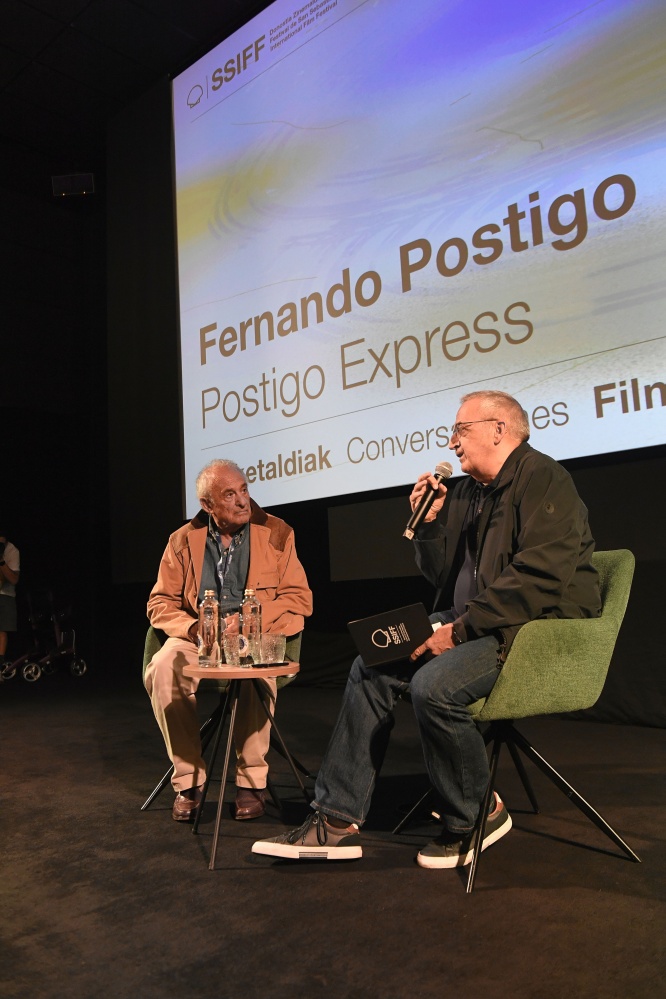
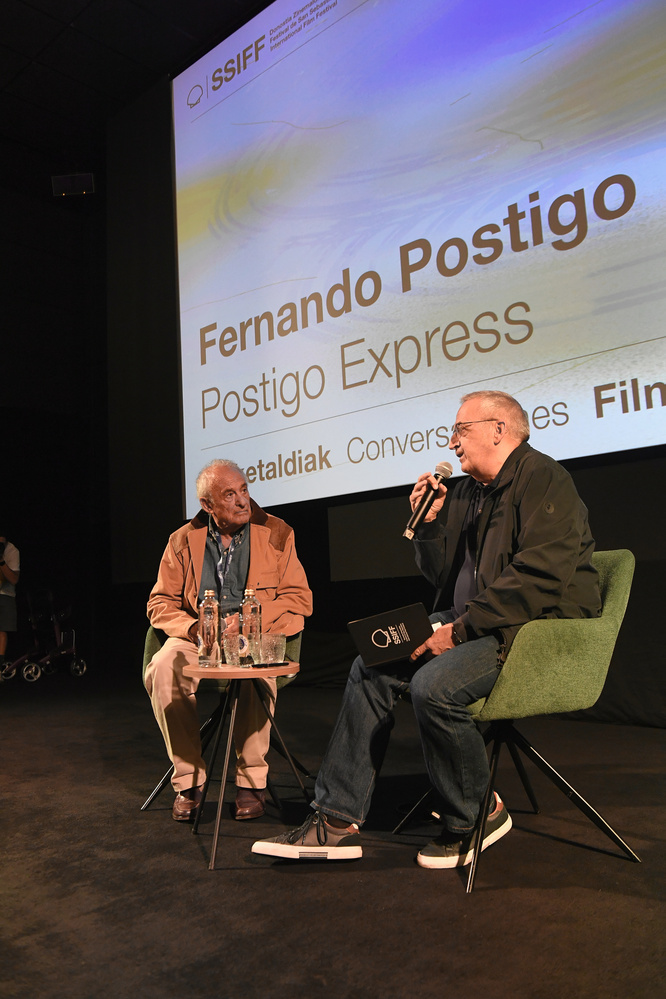
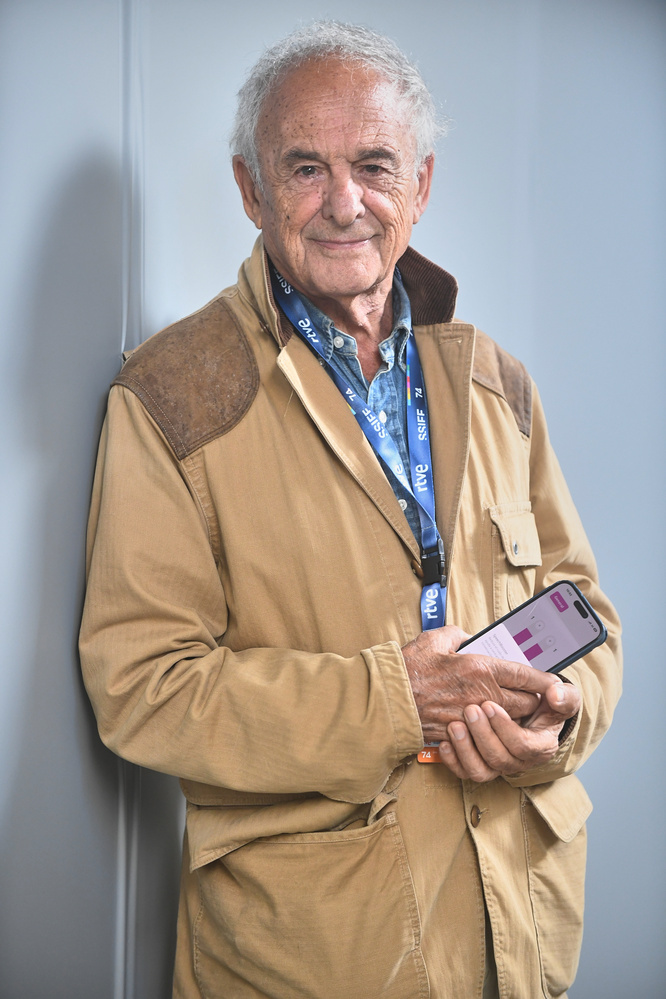
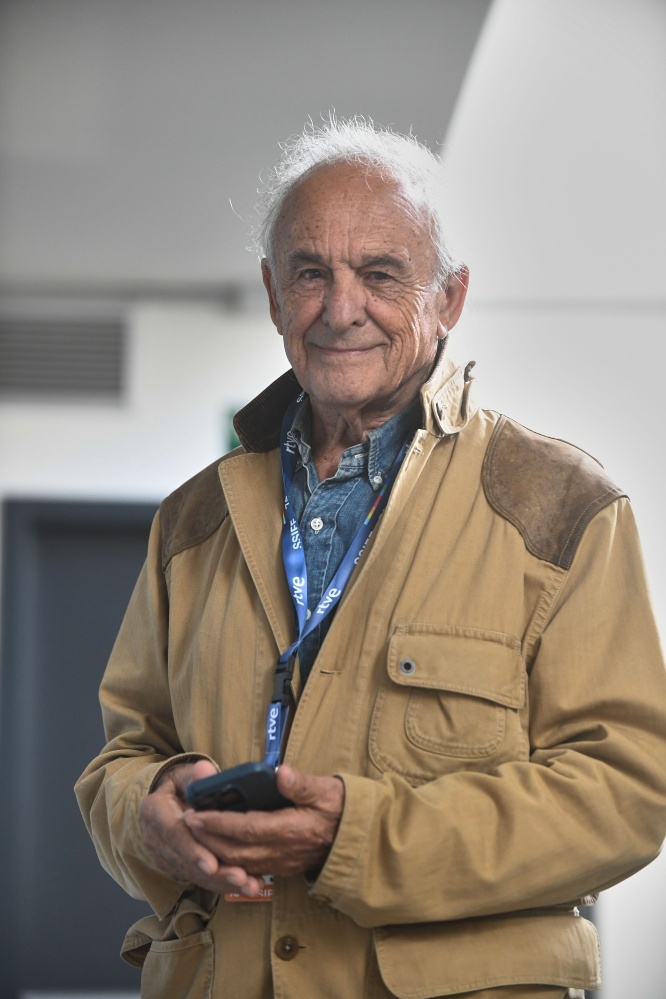
Fernando Postigo - Postigo Express
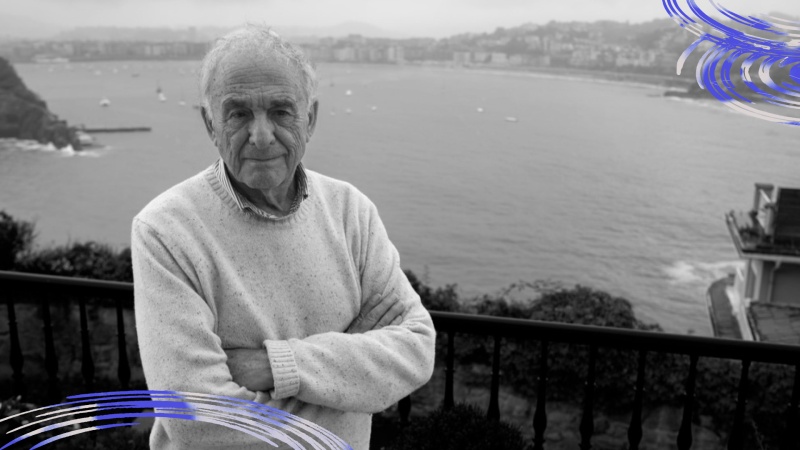
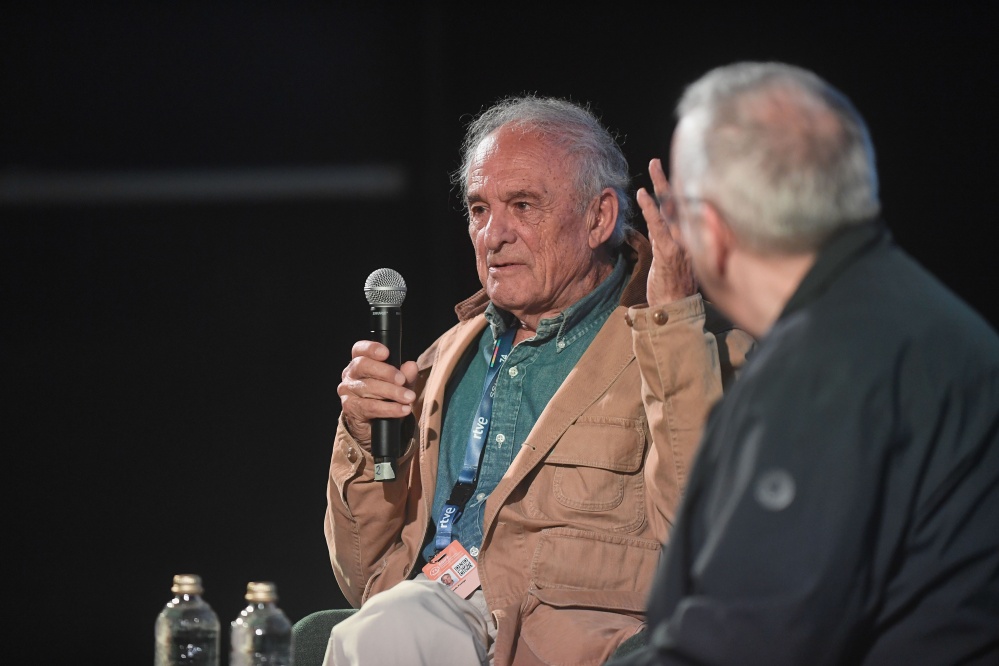
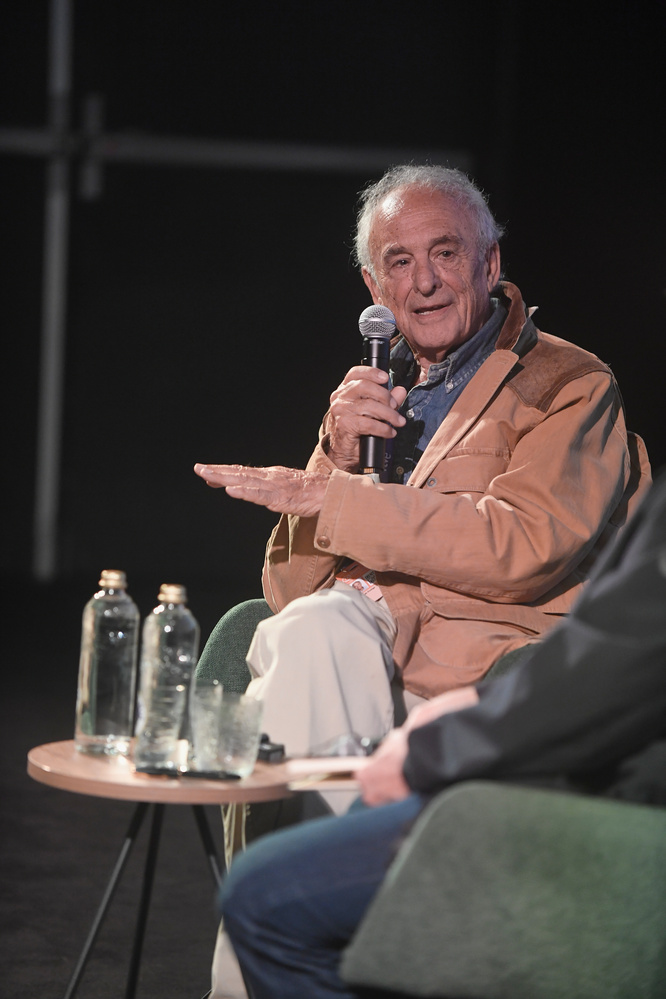
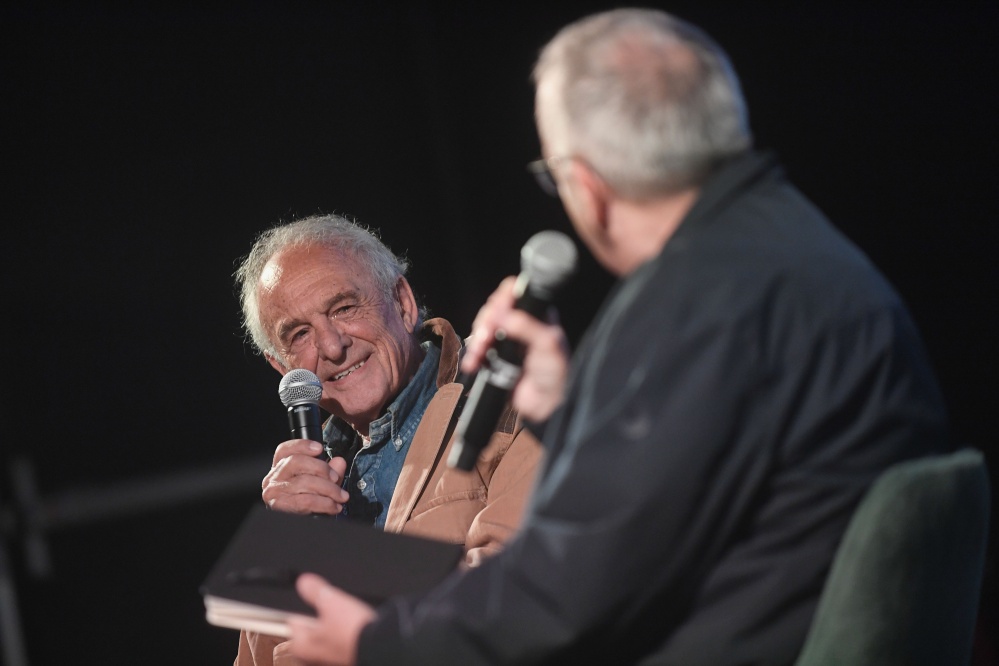
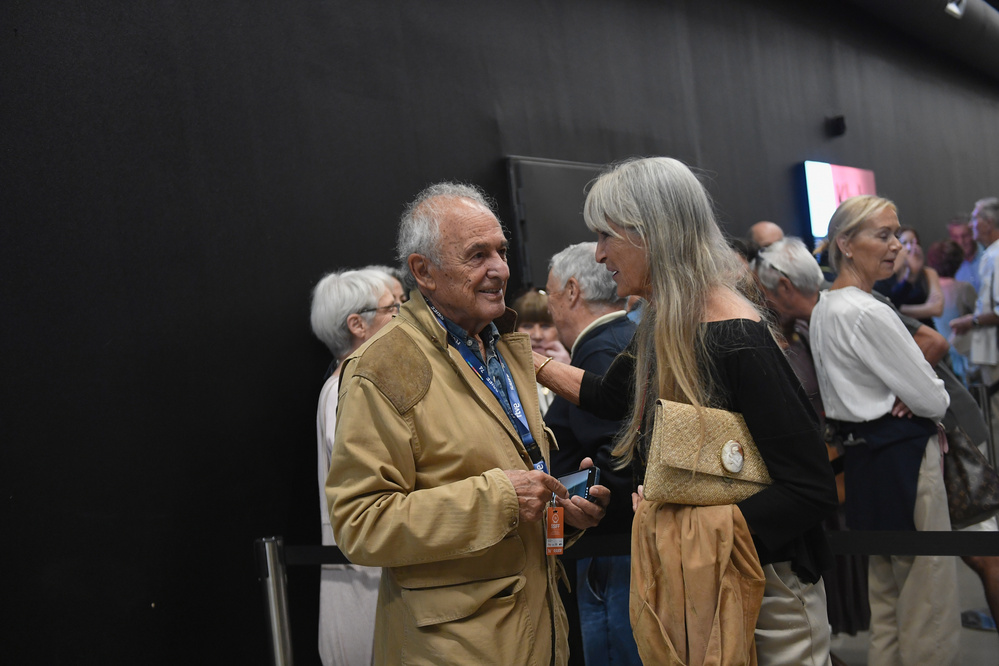
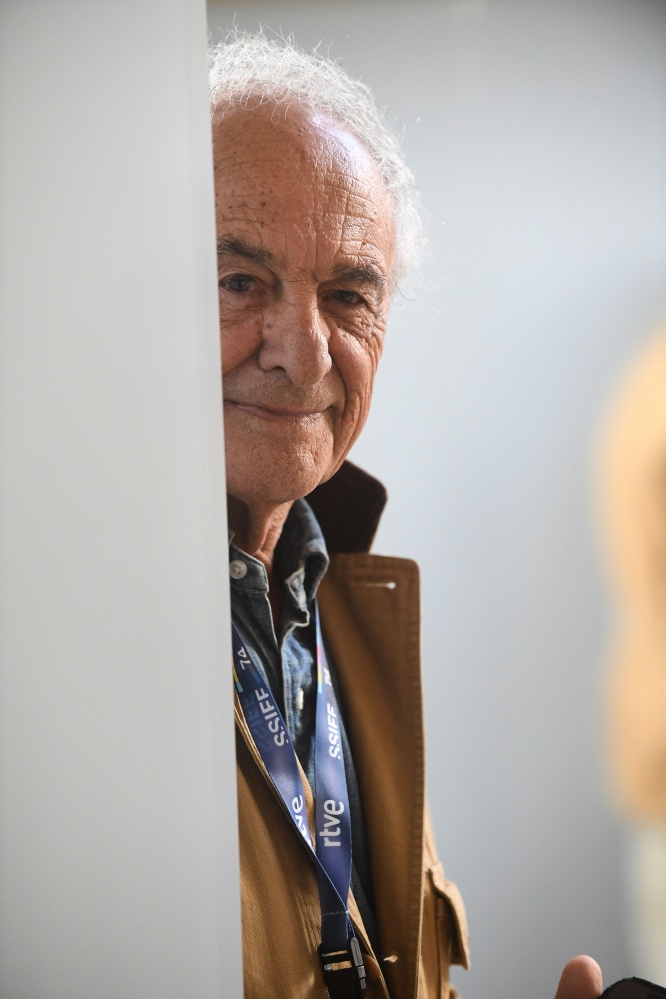
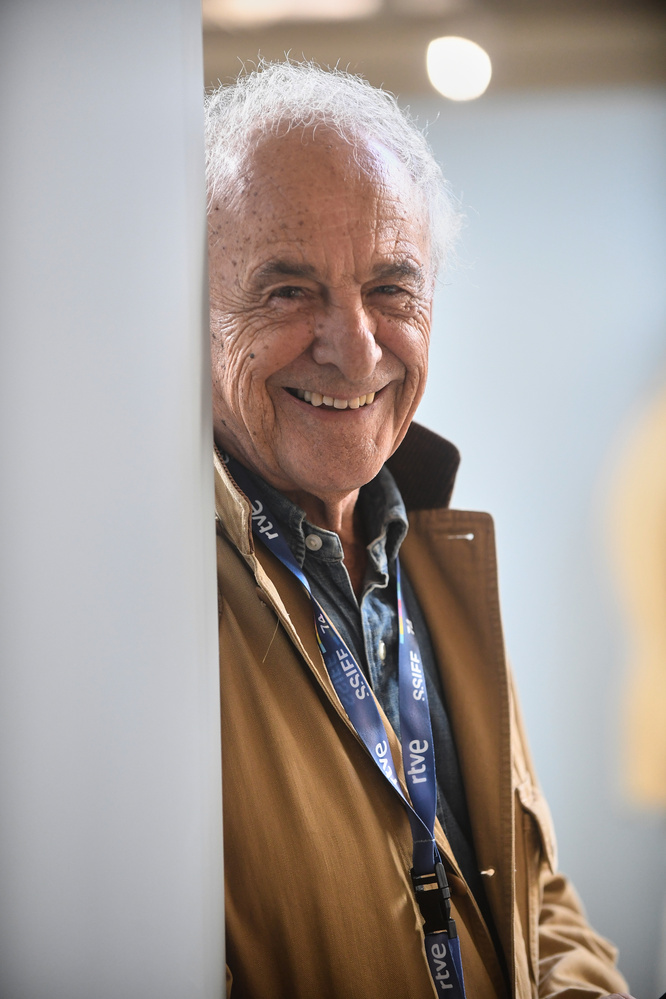
Fernando Postigo, Trantsizioaren garaian eta ondorengo hamarkadetan Donostiako bizitza sozial eta politikoa hobekien dokumentatu zuten fotokazetarietako bat, bere ibilbideaz eta ofizioa ulertzeko moduaz arituko da.
Elkarrizketak prentsan emandako urteak errepasatuko ditu: atentatuak, manifestazioak, prentsaurrekoak eta kultur ekitaldiak, besteak beste. Halaber, Donostiako Zinemaldian egindako lana, oroitzapenak eta argazki esanguratsuenetako batzuk ekarriko ditu gogora. Argazkilariaren begirada artistikoaren eta eguneroko prentsa-lanaren eskakizunen arteko harremanaz ere hitz egingo du, baita irudiz irudi garai baten lekuko izango den eta etorkizuneko belaunaldiei helarazi ahal izango zaien artxibo bat osatzeko ardura ere.
Saioaren hasieran, Peter Decherneyk zuzendutako Postigo Express film laburra proiektatuko da. Ondoren, Decherney elkarrizketara batuko da, filmaren jatorria eta elkarrekin egindako lan-prozesua azaltzeko.
Ricardo Aldarondo (Donostia, 1961) Informazio Zientzietan lizentziatua da. Zinema eta musika kritikaria eta Kultura erredaktorea izan da El Diario Vasco egunkarian, 1986tik 2020ra. Ohiko kolaboratzailea da Dirigido Por, Rockdelux, Nosferatu eta Pickpocket aldizkarietan, eta kritikoa izan da Fotogramasen.
2020tik Discos Mon Oncle podcast-a zuzendu eta aurkezten du.
Donostia Zinemaldian zuzendaritza eta hautaketa batzordeko kide (2000-2009), eta komunikazio buru (2008-2009) izan da.
Doctor Zhivago / La fiera de mi niña (1997), La condesa descalza / Perdición (2000), Robert Wise (2005) eta Cine clave del cine de aventura (2008) liburuen egilea da, eta Backstage: Get In 1991-2021 erakusketako gidoilaria.
Merian C. Cooper eta Ernest B. Schoedsack; Georges Franju; American Way of Death: Cine negro americano 1990-2010; Don Siegel; Richard Brooks; Terence Davies bezalako talde-liburuetan kolaboratu du. Los sonidos de la memoria; Henry King; Entre el documental y la ficción. El cine de Imanol Uribe; Un cineasta llamado Pedro Olea; El cine fantástico y de terror de la Universal; Cine fantástico y de terror alemán (1913-1927); American Gothic, el cine de terror USA 1968-1980 y Teen Spirit. De viaje por el pop independiente.
Fernando Postigo was born on November 25, 1940, in San Sebastián. One of ten siblings, he grew up in a lively household near his parents’ fish shop, Ramonita. He often recalled a childhood in which children played freely in the streets, before cars took over the city.
He grew up in the Basque Country during the harsh years of repression that followed the Spanish Civil War under the dictatorship of Francisco Franco. Censorship, surveillance, and political persecution deeply shaped his upbringing and his awareness of the fragility of freedom.
He studied at the French School, Sagrado Corazón School, La Salle de Loiola, and the Donostia School of Commerce. In 1966, he met American student Mary Wildman. After they married, they moved to the United States, where Postigo studied Political Science at the University of Pennsylvania and worked as a social worker in Philadelphia. That experience strengthened his interest in the relationship between politics, power, and everyday life.
He remained in Philadelphia until Franco’s death in 1975 and returned to San Sebastián in 1977 with Mary and their children, Pablo and Jessica. That same year, he began his professional career as a photojournalist.
His first assignments were for La Voz de España, but it was at El Diario Vasco that he established his career. His photographs documented the Basque Country at a decisive moment: Spain’s transition to democracy, the escalation of ETA violence, and the deep political and social tensions running through Basque society.
Known for getting around by motorcycle, Postigo was often one of the first photographers to arrive at the scene of events. His camera recorded demonstrations, political rallies, funerals, attacks, and assassinations, but also the everyday life of a society under enormous strain.
He worked with Nikon cameras, often carrying two bodies at once and switching between wide-angle and telephoto lenses. He developed his own negatives. His archive, predominantly in black and white until 1991, reflects not only great technical skill but also an extraordinary journalistic instinct for recognizing when history was unfolding and which faces would ultimately bear its mark.
Today, the Fernando Postigo Photographic Collection constitutes a valuable record of a turbulent period in the contemporary history of the Basque Country, preserving the memory of a society undergoing profound transformation.



















Ordutegi jarraitua Donostia Zinemaldian zehar: Astelehenetik igandera, 09:00etatik 14:00etara
eta 16:00etatik 20:00etara