








Sponsors



Partner



















Z365" or "Festival all year round" is the new strategic point of the Festival in which converge investigation, accompaniment and development of new talents (Ikusmira Berriak, Nest); training and cinematic knowledge transfer (Elías Querejeta Zine Eskola, Zinemaldia + Plus, Filmmakers' dialogue); and investigation, disclosure and cinematic thought (Z70 project, Thought and Discussion and Research and publications).
 Calls for entries - 2026 Log-in to MY FESTIVAL
  Agenda Programme and tickets Search
This year’s international meeting of film students breaks a new record with the submission of 503 shorts produced at 232 films in 61 different countries
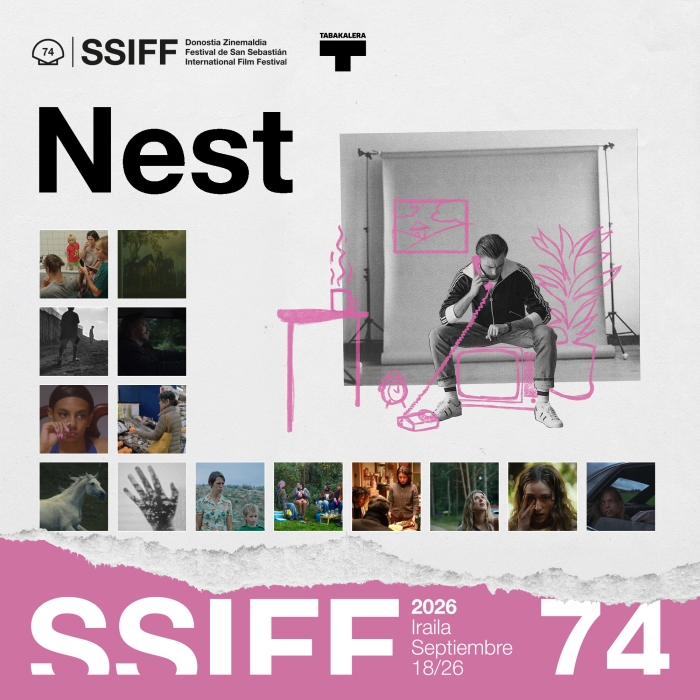


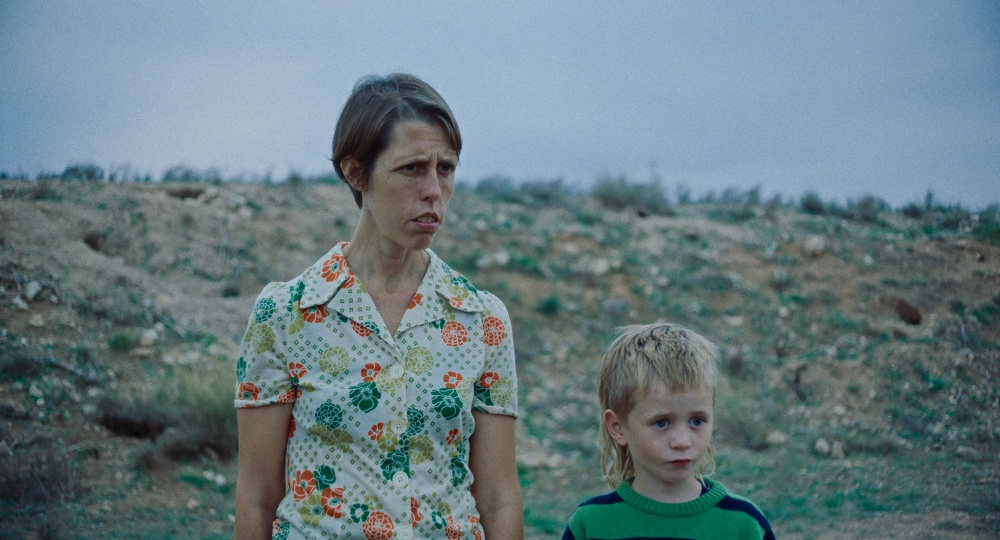
A total of 14 short films will compete for the Tabakalera Film and Audiovisual Laboratory-Nest Award. The selected works bring a take on a variety of human conflicts and experiences focused on parent-child connection, emotional bonds, and the marks these relations leave on our identity. Told through widely differing formats, such as essays, fiction and non-fiction, some of the stories reflect the duality between memory and oblivion, or tradition and progress; others turn the spotlight on experiences associated to the awakening of desire or the discovery of one’s own identity, while other titles portray the harsh side of social reintegration or the cruelty of sexist violence.
Over the years, Nest has become a section that makes it possible to take the temperature of how cinematic language is used in film schools around the world, that helps projects to achieve distribution, and that provides a meeting space, where new gazes and other ways of telling stories come together. In fact, this edition, a total of 503 submissions have been received from 232 schools in 61 different countries. These figures represent a new record for submissions in the history of San Sebastián Festival’s international meeting of films schools which, in its twenty-fifth edition, has selected works from schools in Austria, China, Denmark, Dominican Republic, Germany, Indonesia, Japan, Mexico, Poland, Portugal, Spain, United Kingdom and Switzerland.
For many young people this is the starting block of their career and their first contact with the film audience and industry. Indeed, among the more than a thousand filmmakers who have participated in the meeting since its creation in 2002, are names including Leonardo van Dijl, Oren Gerner, Raven Jackson, Isabel Lamberti, Léa Mysius, Jerónimo Quevedo, Kiro Russo and Laura Wandel, who have later gone on to premiere their subsequent works both at San Sebastián and at other prestigious festivals on the international circuit. This is also the case of Diego Céspedes, director of La misteriosa mirada del flamenco / The Mysterious Gaze of the Flamingo, winner of the Un Certain Regard Award in Cannes and shown in Horizontes Latinos, and that of Jaume Claret Muxart, who premiered Estrany riu (Strange River) in the Orizzonti section at Venice and later participated in Zabaltegi-Tabakalera.
At the Festival’s 74th edition, filmmakers who competed in Nest in the day with their short films will now participate in different sections with their feature films. This is the case, for example, of Javier Ruiz Caldera, who presented his short film Treitum (2002) at the first edition of Nest and will compete this year in the Official Selection with 5 minutos más / 5 more minutes. Figuring respectively in New Directors with Sieben Tage Februar / February, Seven Days and Bloques erráticos / Erratics are Tatjana Moutchnik and Thomas Woodroffe, who previously visited Nest with Der letzte Kuss / The Last Kiss (2014) and Fiebre Austral / Austral Fever (2019). Furthermore, Horizontes Latinos includes the film Moscas / Flies, by Fernando Eimbcke, who showed the short film No todo es permanente at the 2008 edition of Nest. A year later, Bojina Panyotova participated in the section with A domicile, while at this edition she will compete in Zabaltegi-Tabakalera with With Love and Rage.
This section is, therefore, a window into the films of the future and yet another pillar enabling the Festival to maintain its system of providing comprehensive support to filmmakers at all stages of their development: from training, through the Elías Querejeta Zine Eskola (EQZE); project development, thanks to the Ikusmira Berriak programme; Nest as a platform for releasing their short films in official competition, and, lastly, the showing of their feature films at the Festival itself.
Five days to listen, learn and share
The meeting will run at the Festival’s 74th edition from Monday 21 to Friday 25 September. For five days, the fourteen selected candidates will present their works, attend filmmakers’ talks and meet industry professionals. A jury of students from the selected school and presided over by a professional from the world of film will choose, from among all of the selected works, the winner of the Tabakalera Film and Audiovisual Laboratory-Nest Award, coming with 10,000 euros for the director of the winning short film.
The new award reinforces Tabakalera’s commitment to supporting and accompanying creative work and new generations of filmmakers, while continuing, within the framework of the San Sebastián Festival, the work that the centre carries out throughout the year through its Film and Audiovisual Lab.
Similarly, for the second year running and following the success of the previous edition, the SFC | Rendez-vous Industry, a forum dedicated to short film professionals organised by the Festival de Cannes, will offer the filmmakers selected for Nest the opportunity to submit their films free of charge as part of the curated market catalogue, and to participate in the industry events taking place from 16-19 May 2027 at the Cannes Short Film Corner.
As usual, during the students’ meeting, all of the short films to have won an award in the history of the section will screen on a loop in Tabakalera’s Medialab Studio. Entry is free.

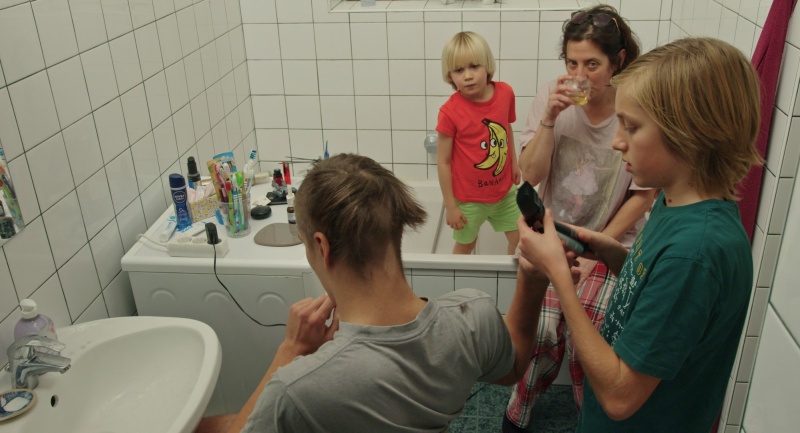
A., a young man from Vienna, is preparing to join the armed forces. He says goodbye to his studies, his family, his job, and his girlfriend. He shaves his head. The people around him react with incomprehension. Speaking to the camera, they tell small stories about the military and war, sharing their ideas and opinions on the subject. These stories have nothing to do with A.'s reality. A. also speaks to the camera: he wants out - out of a world full of fictions, and out of the film itself.
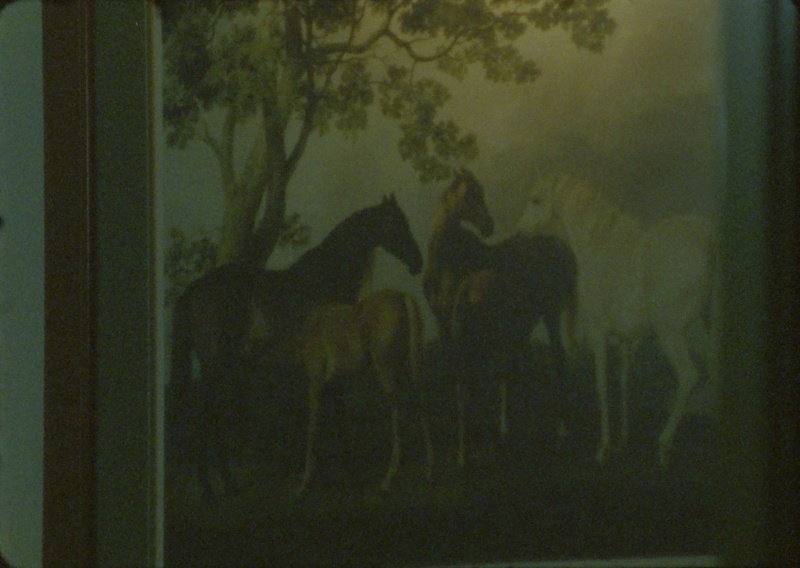
A woman and a man look back at their trip to a coastal town. Their voices reach us from an uncertain time, where past and present merge. The memories superimpose one another with no order: a lookout point, a café, the beach at sundown, a park and, particularly, a bingo hall. A punt at this game of luck and the premonition that his win occupies the centre of this recollection. The town spreads out like a postcard, and on it, the tale of an approaching separation is told.
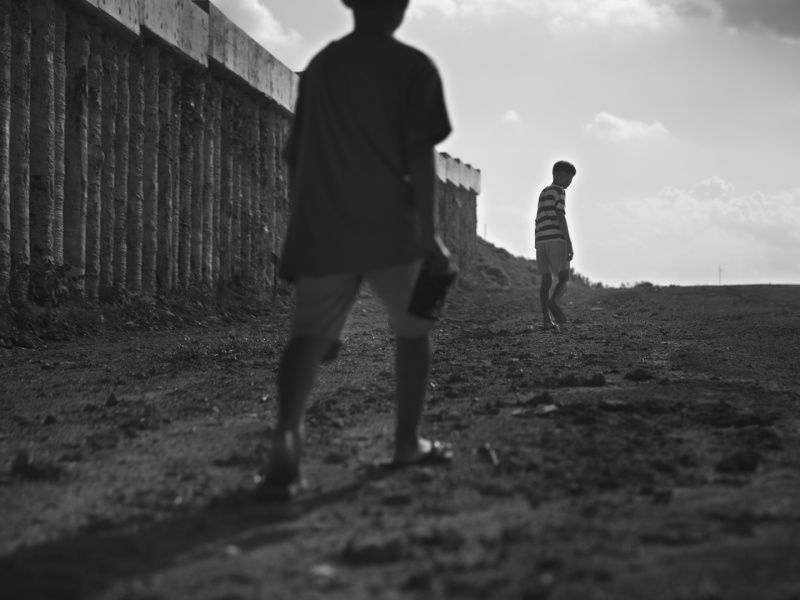
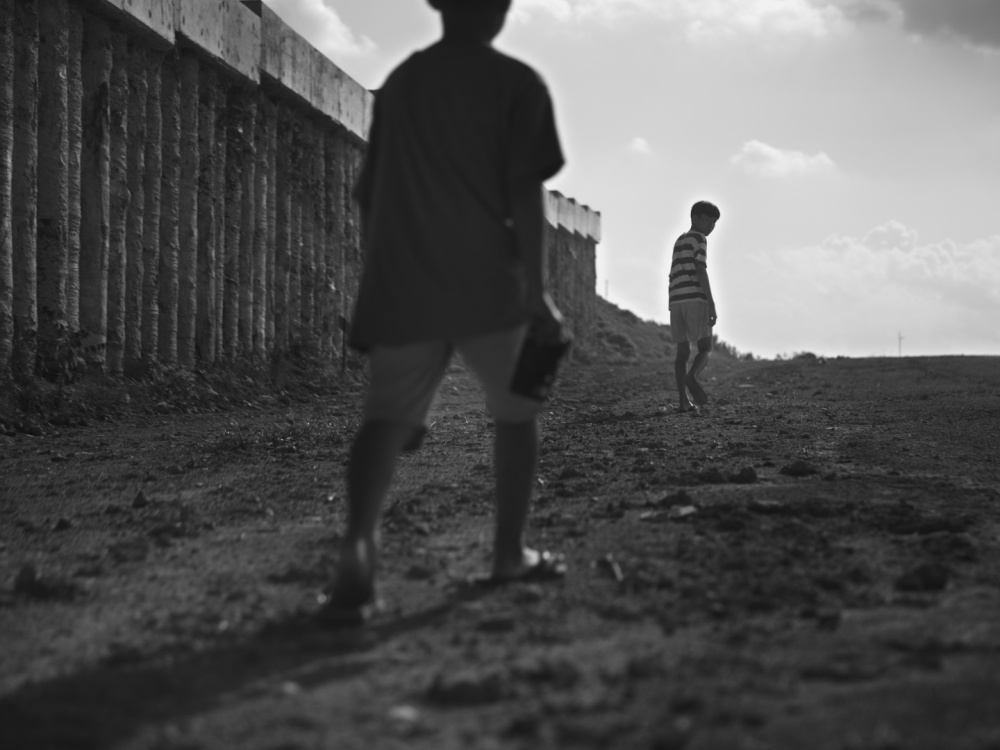
A young man tells a journalist about the photos and memories from his childhood in his home and village that will soon disappear to make way for his country's new capital city. With his brother, he returns to the places where they played as children, taking pictures and recreating their stories as if the land was still the same.
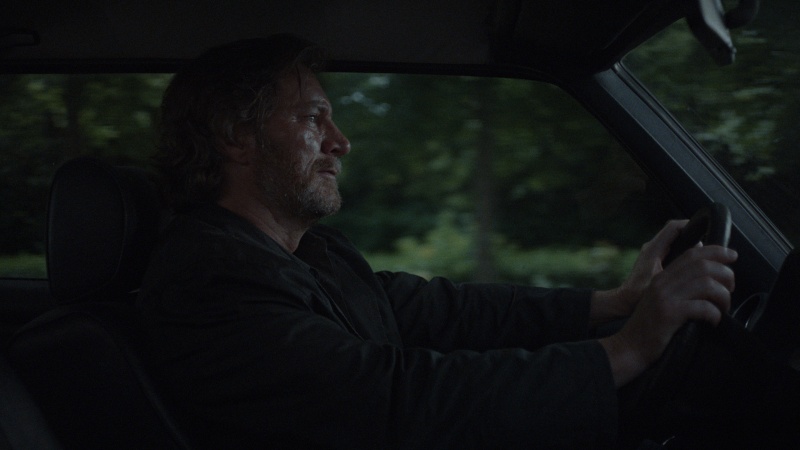
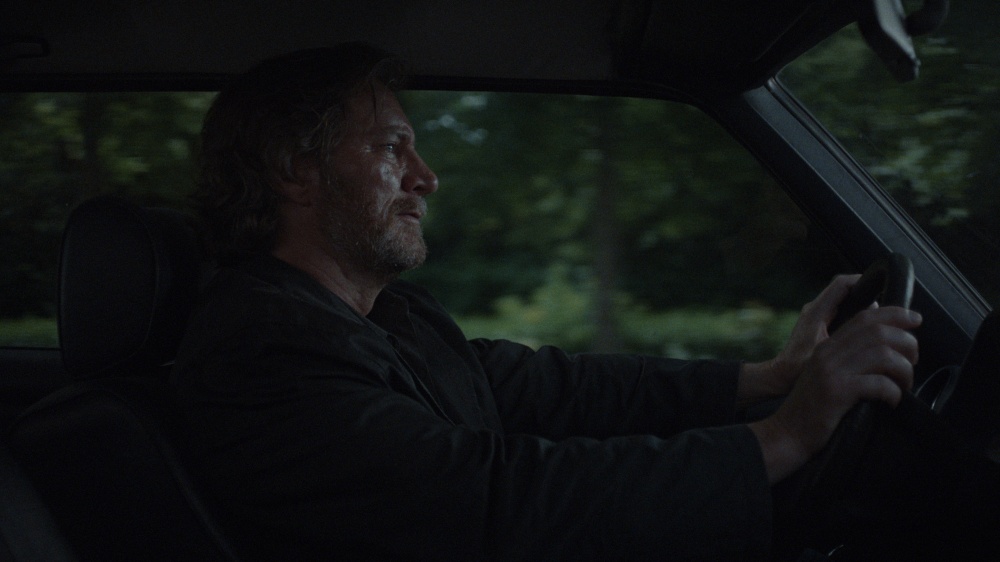
A divorced father, eager to spend a weekend with his children, suddenly finds himself in a hostile confrontation with his ex-wife. His hopes of reconciliation turn to mistrust, anger and personal revelations, with the children as innocent bystanders.

18-year-old Gislaine claims to have had a dream in which she was visited by a divine voice promising her an extraordinary future filled with fame and money. Some time later, on her graduation day, she still clings to that promise, harbouring a hope she doesn't dare to pronounce in the face of the demands of ambition and direction.
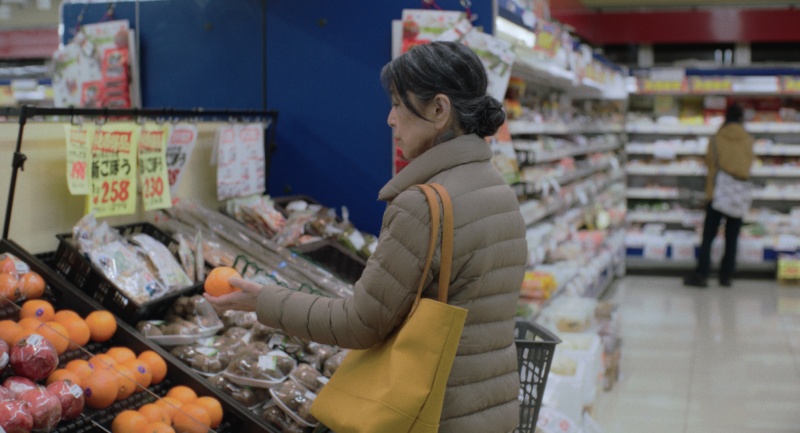
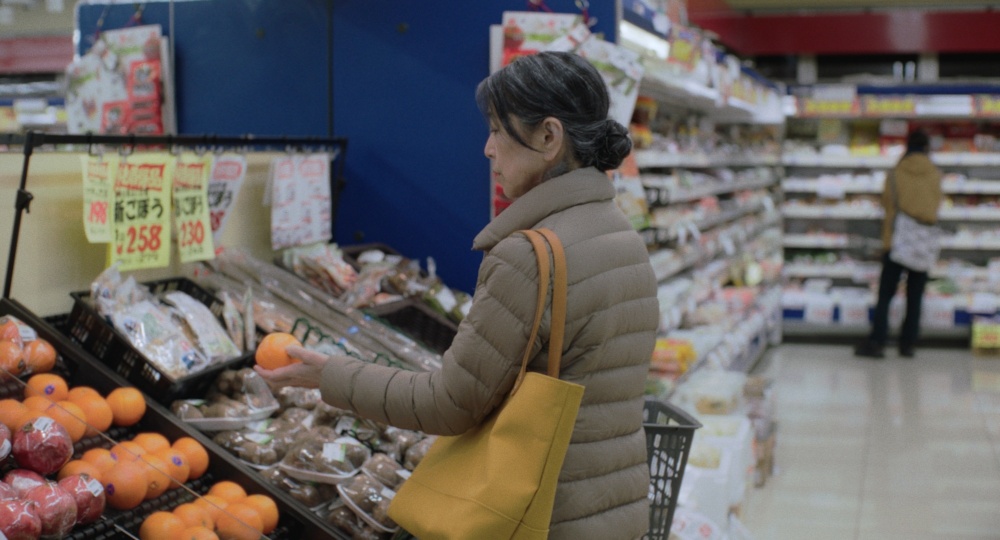
Tokiko's husband has passed away and she lives alone in her big house. She yearns for social connection and starts job hunting, but her age and past are insurmountable barriers. Then she meets Ain, a Vietnamese youth working at the local supermarket, and an awkward friendship develops between them.Tokiko gets up her hopes about Ain's place in her life. When their relationship unravels, Tokiko makes a fateful decision.
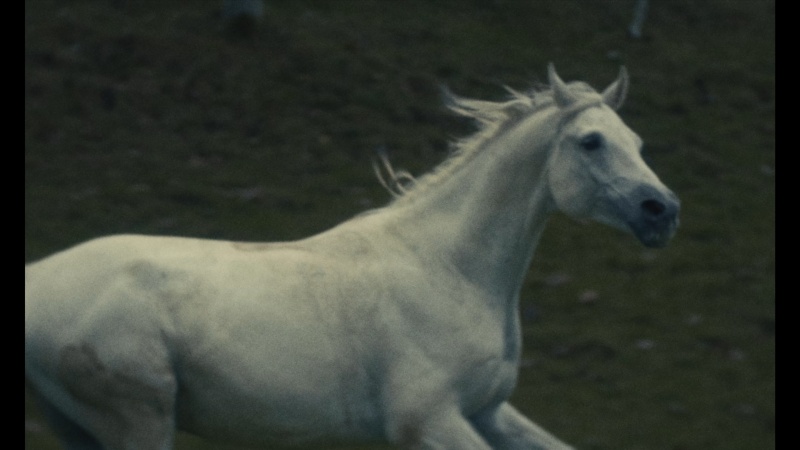
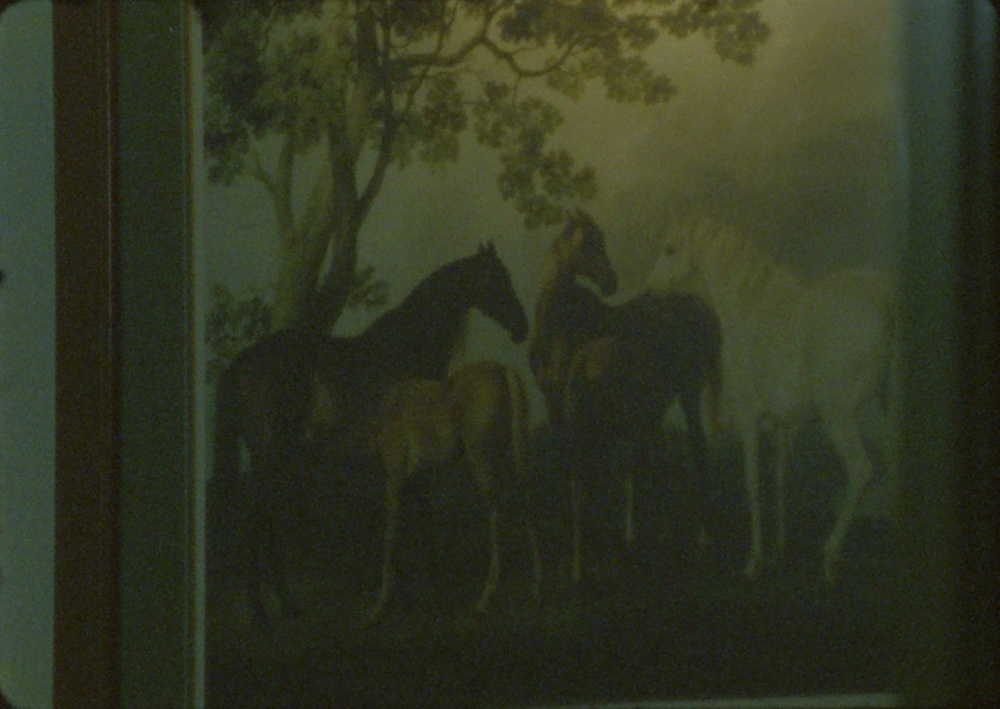
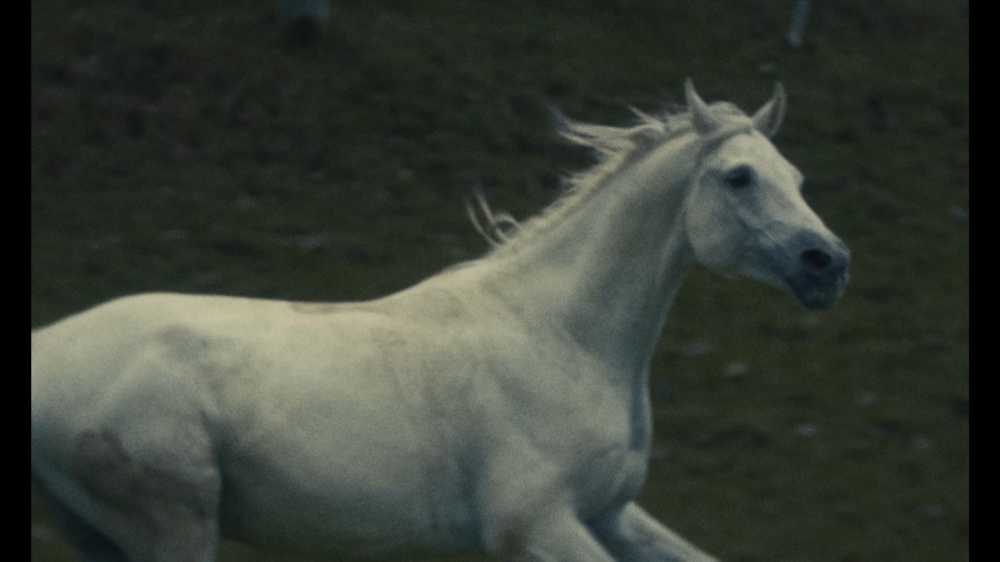
For several weeks, 17-year-old Max has been living in a residential group for young people with mental disabilities. Visiting his father Peter's racehorse riding stable again for the first time, Max tries to convince him to accept his new life. Peter doesn't want to know anything about it and old patterns between the two break open again. Between insecurity and the desire for emotional closeness, Max begins to challenge his father.

In this video letter, the director speaks to her aunt, the victim of femicide, telling her how it has been to live and grow in her absence. Based on a performance in which she projects the last Facebook message sent to her by her aunt, the young filmmaker reconstructs her own history marked by the fear of living in a country which is dangerous for women and by the complicated situation of being the only woman in her family.
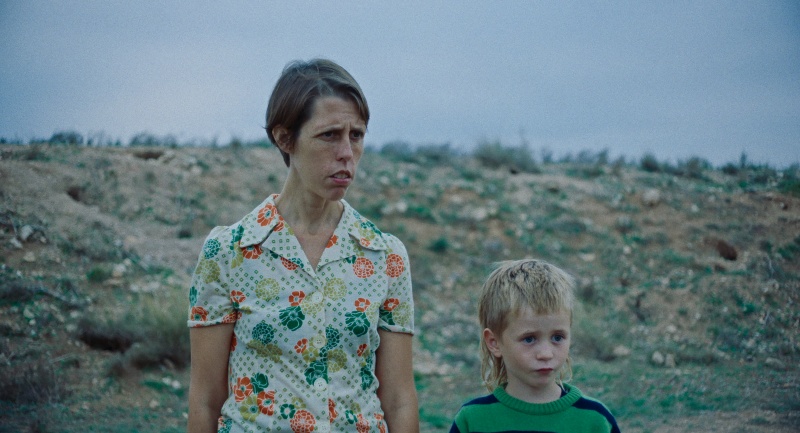
Candela lives a monotonous life in an inland village. During the local festivities, she accidentally runs over her nephew's dog, but decides not to tell him. Instead, she invents a legend about a pilgrimage of dogs to a sacred tree and asks him to help her find it. Slowly, the lies start to take their toll.
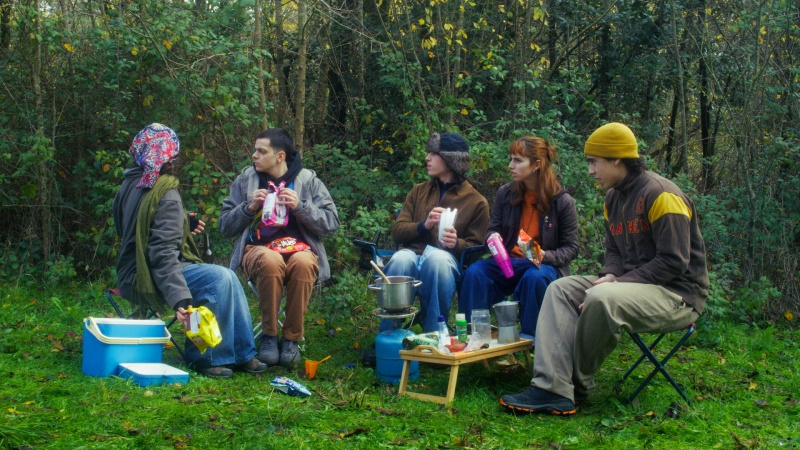
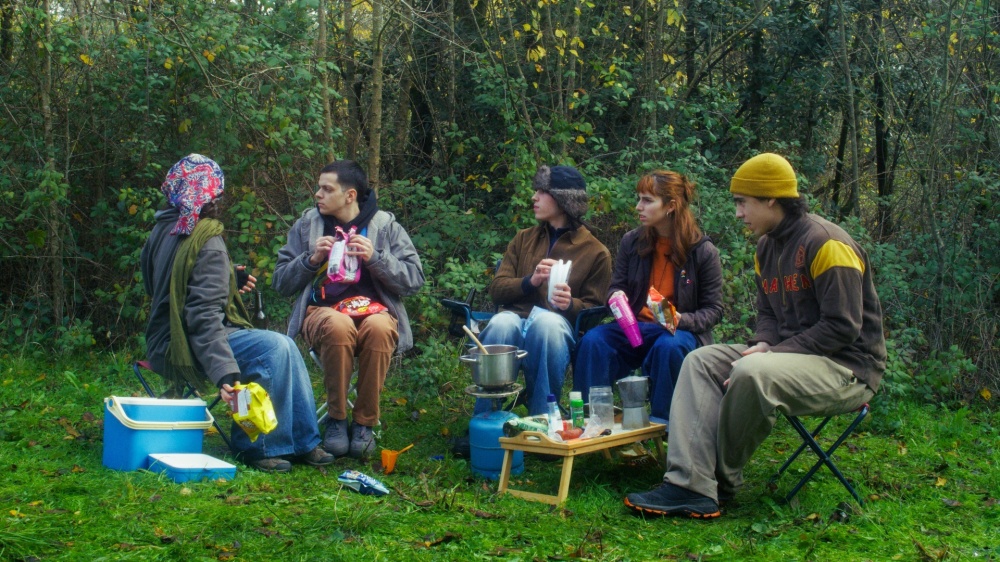
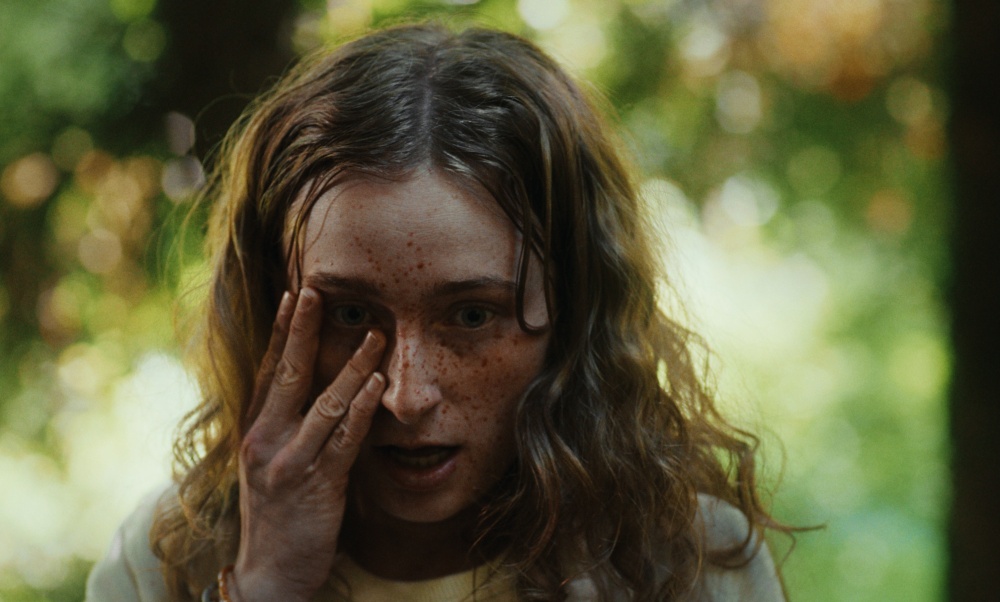
A group of teenagers gathers for camping. While two of them try to define their romantic relationship, they are surprised by a swarm of fireflies that guides them into the heart of the forest.
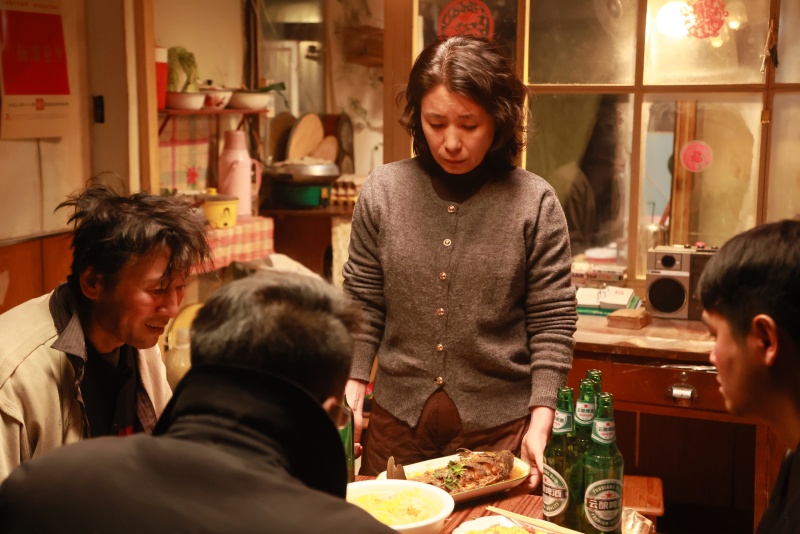
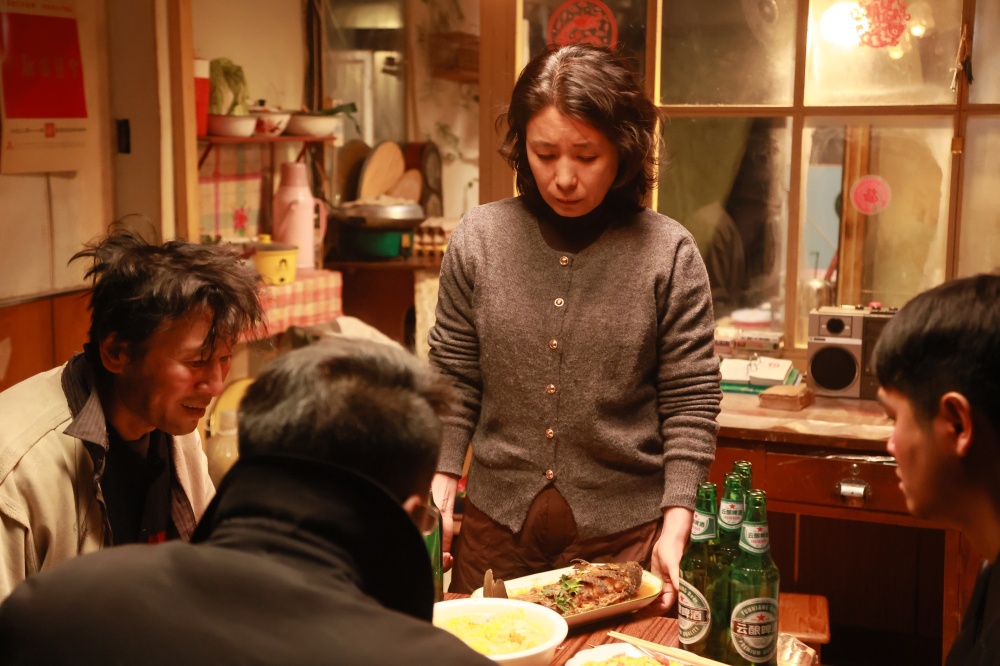
Set in a small county town in Northeast China, the film follows Yu Meili, a laid-off factory worker trapped in a suffocating marriage, who clings to a folk belief that killing a rooster can end an unhappy union. Unable to go through with it, she finds her world quietly unsettled when a young girl insists that "roosters can lay eggs."
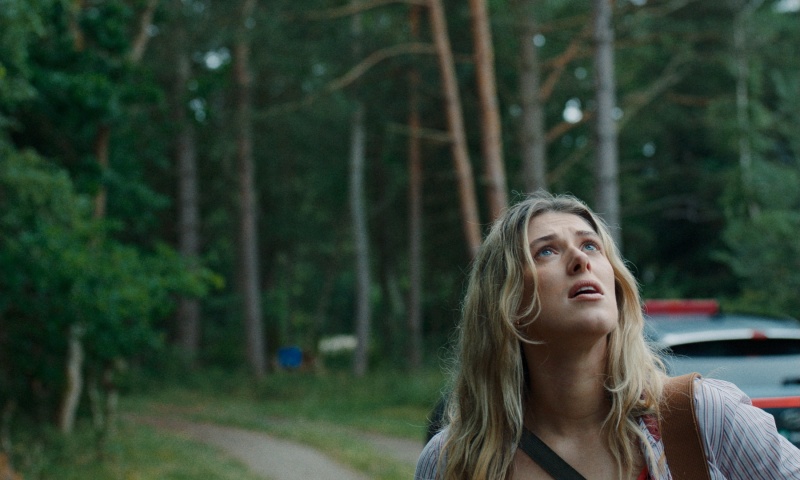
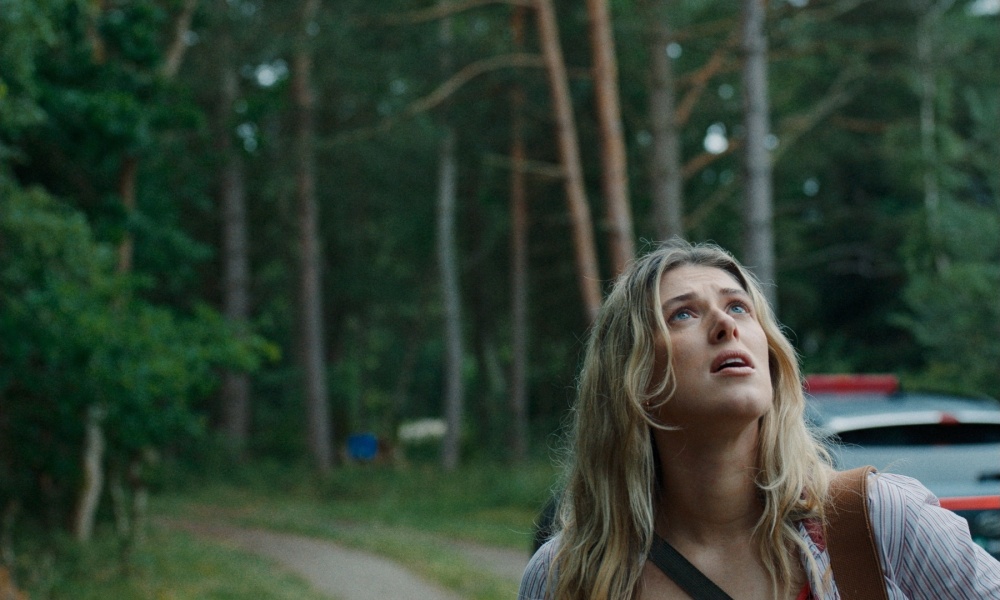
It's the height of a radiant Danish summer. Mia arrives at her sister June's lakeside cabin, where June and her partner Jens are spending the season consumed by their IVF journey. What begins as a seemingly idyllic holiday soon becomes fraught with tension, as Mia carries news too heavy for casual conversation: she is pregnant, and has come to share this with June face to face. When the truth is finally revealed, the fragile hopes of June and Jens unravel.
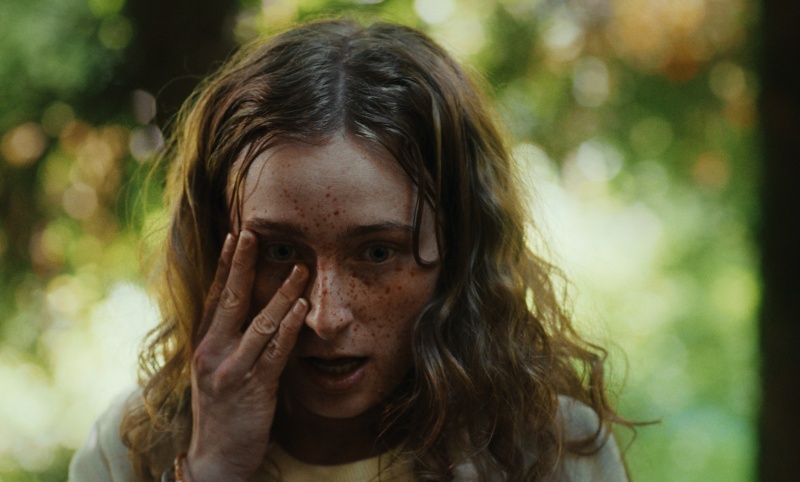
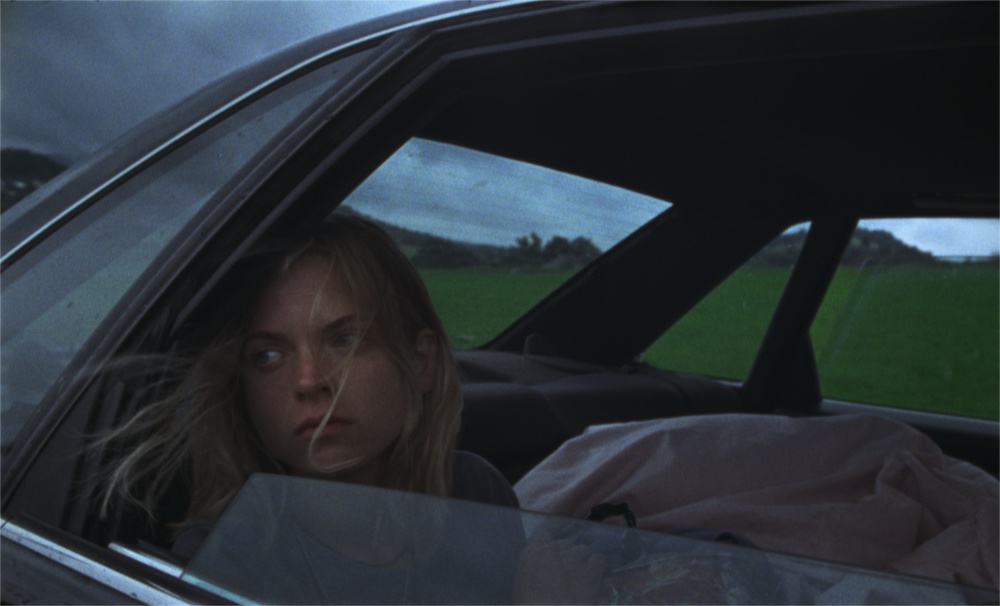
On their way to a remote vacation spot, a young couple witnesses a fatal hunting accident. Far from civilization and cut off from any help, they start to question the hunters' intentions.
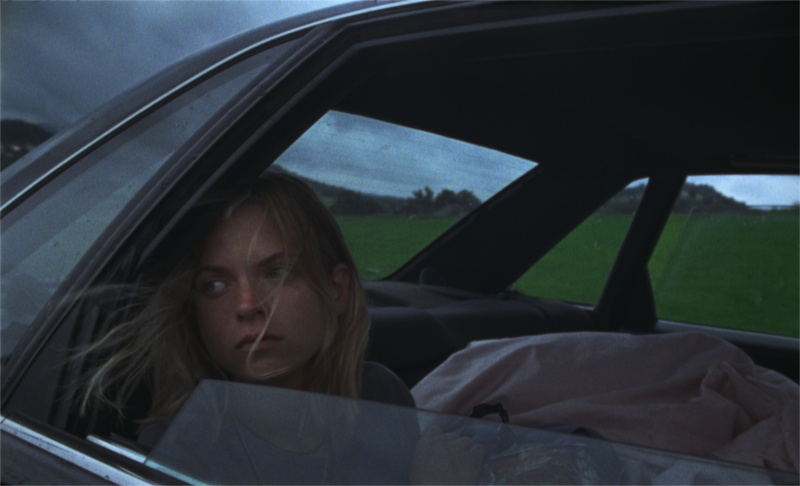
Across the morning landscape drifts the sound of an axe. White ribbons that only yesterday danced in the wind now stand still in silence. Helka, yesterday's bride, bids farewell to her family home and walks through the village toward her husband's house. She carries a quilt filled with goose feathers once plucked by her mother. On her journey into adulthood, the music of the rural world becomes Helka's sole companion.
 Videos
 Images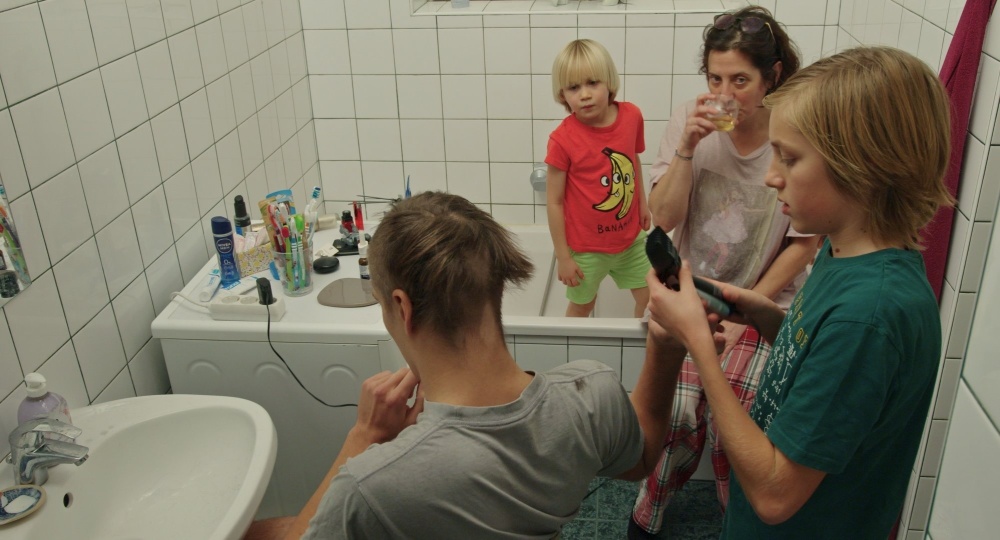























Monday to Sunday from 09:00 to 14:00
and from 16:00 to 20:00