








Sponsors



Partner



















Z365" or "Festival all year round" is the new strategic point of the Festival in which converge investigation, accompaniment and development of new talents (Ikusmira Berriak, Nest); training and cinematic knowledge transfer (Elías Querejeta Zine Eskola, Zinemaldia + Plus, Filmmakers' dialogue); and investigation, disclosure and cinematic thought (Z70 project, Thought and Discussion and Research and publications).
 Calls for entries - 2026 Log-in to MY FESTIVAL
  Agenda Programme and tickets Search
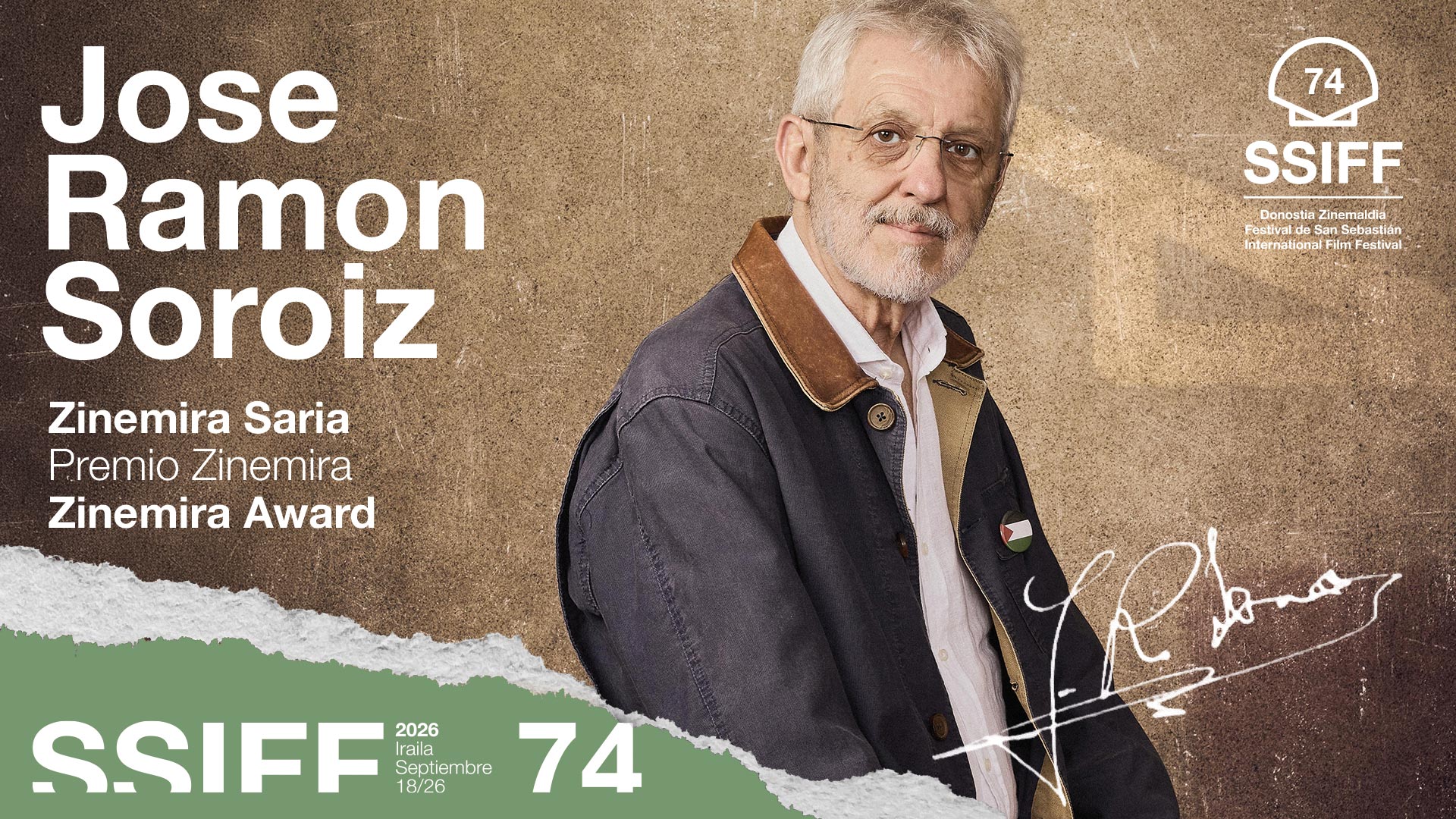
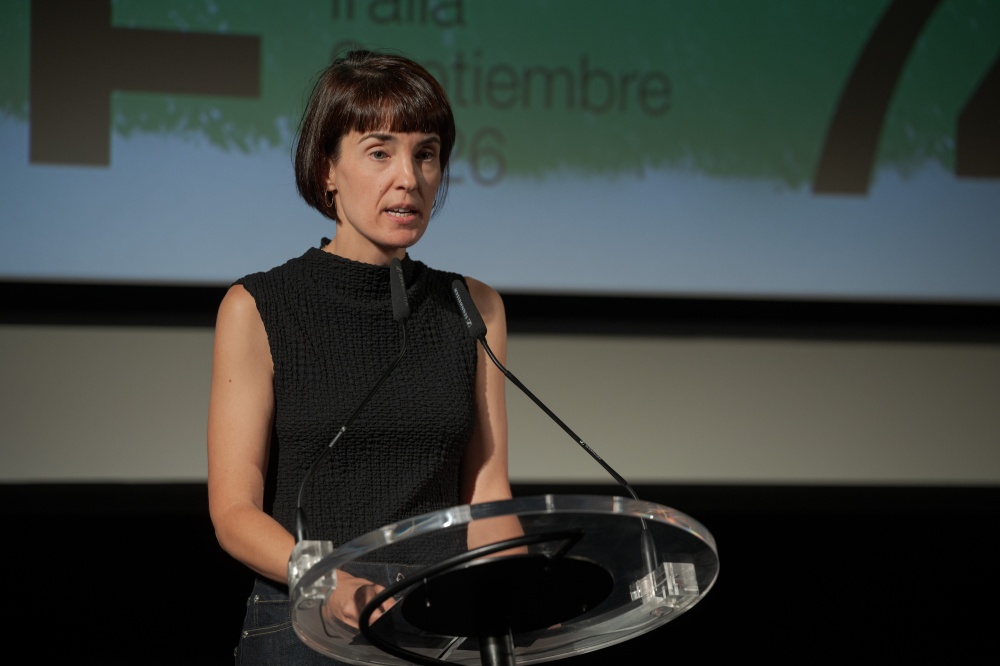
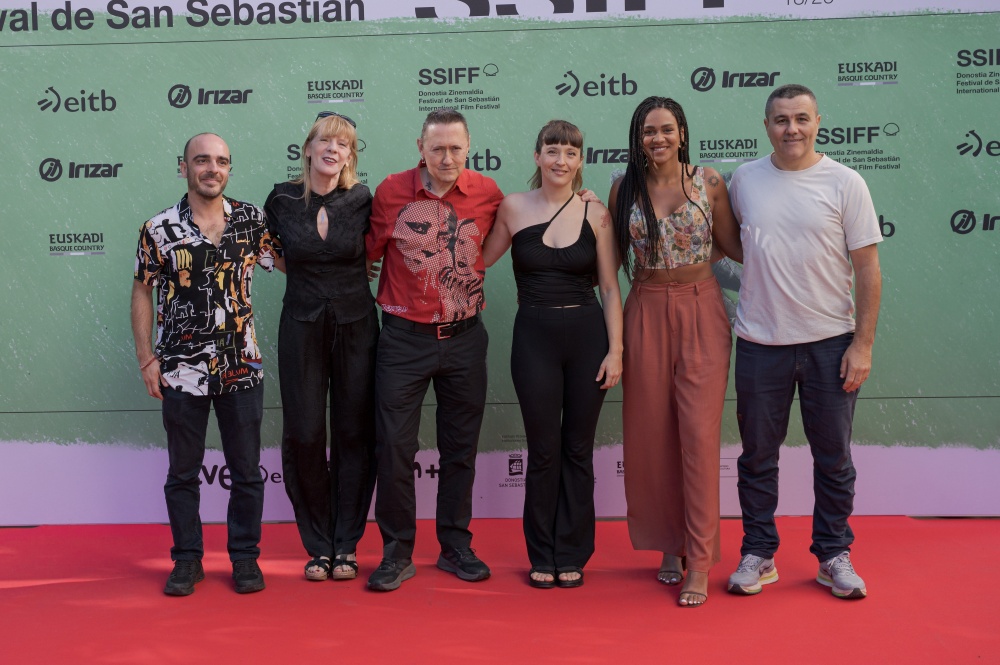
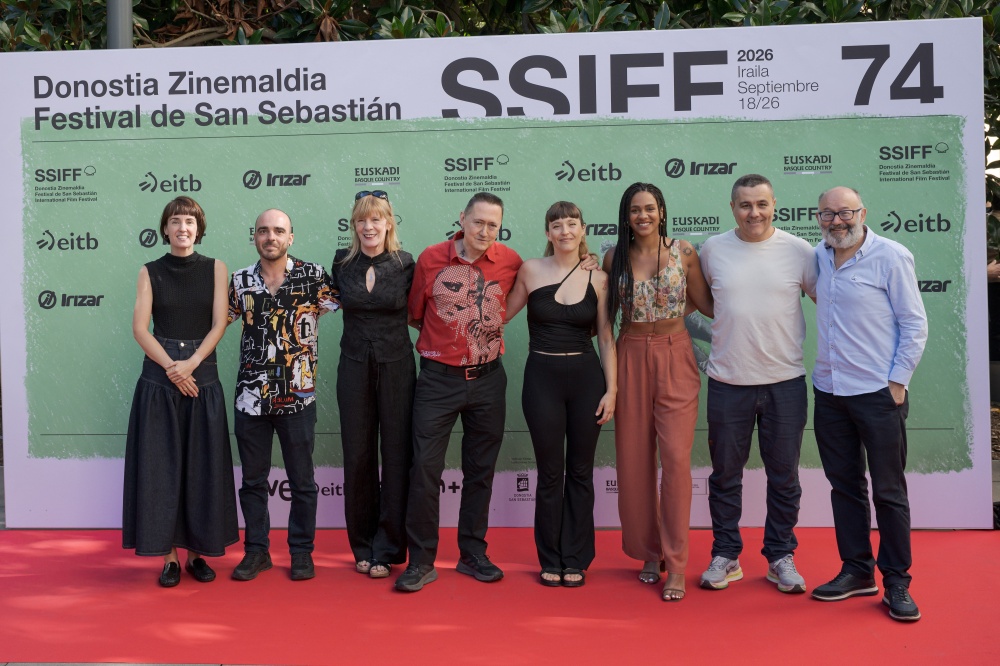
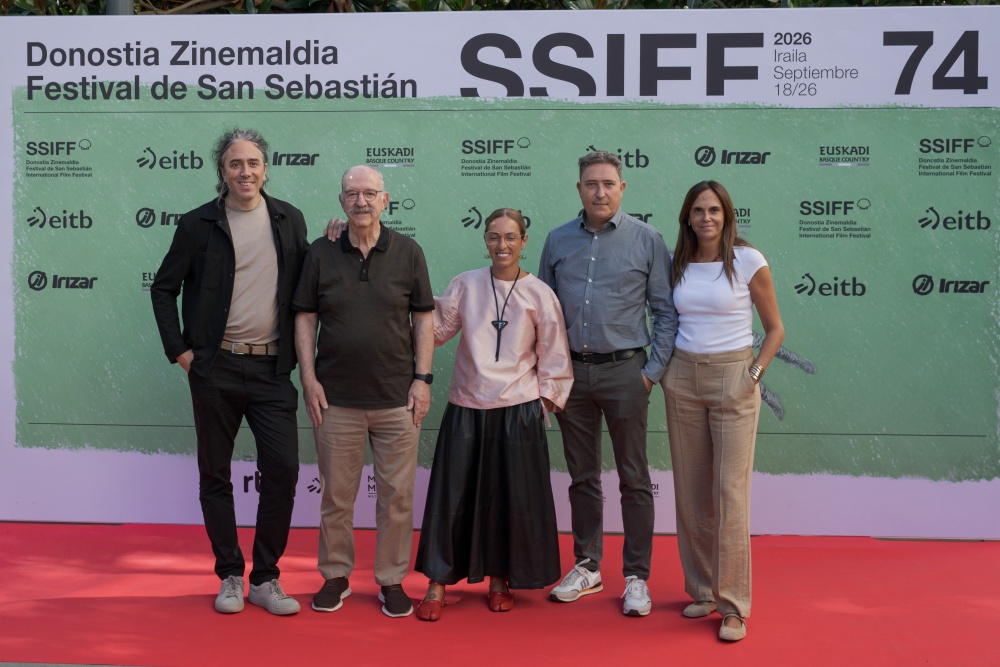
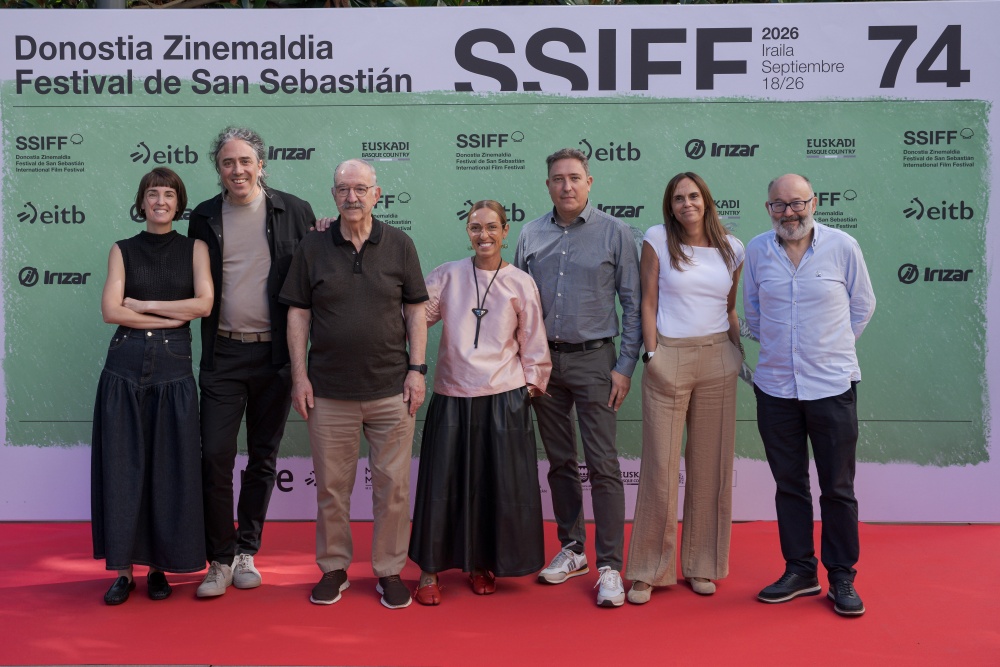
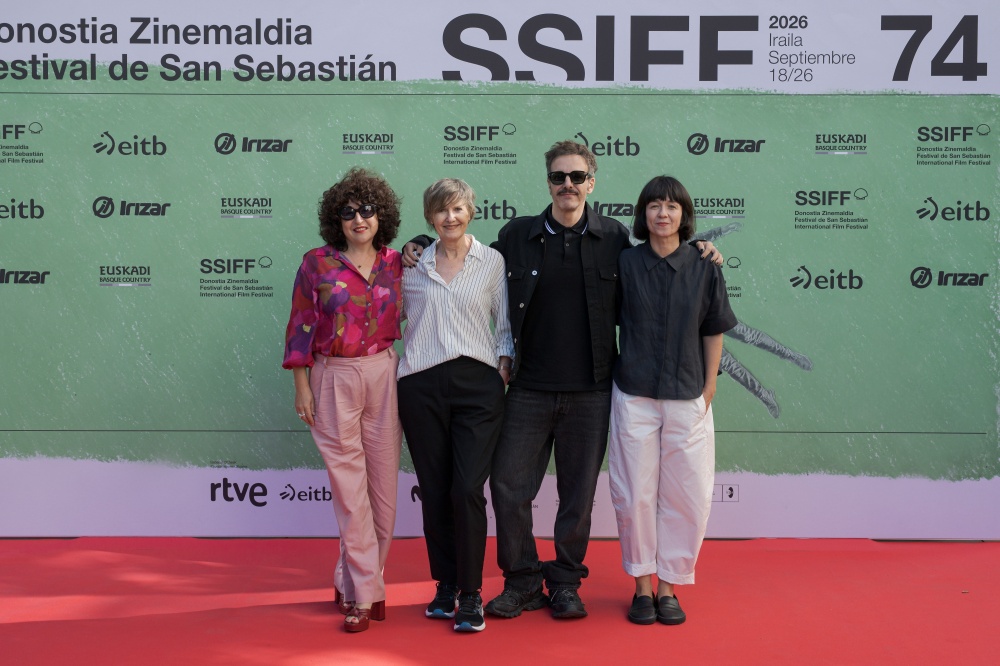
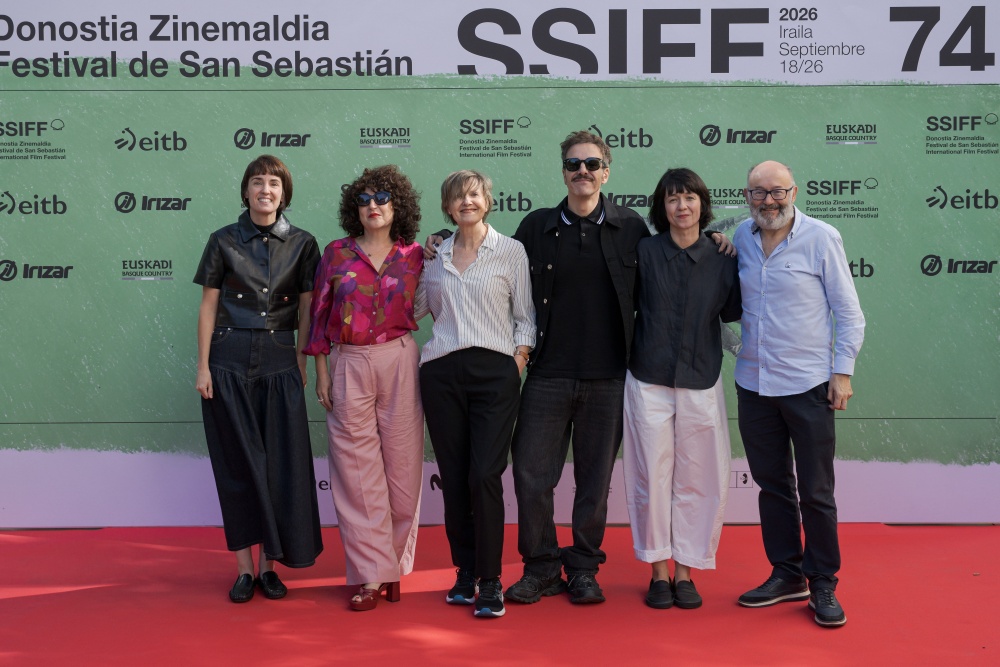
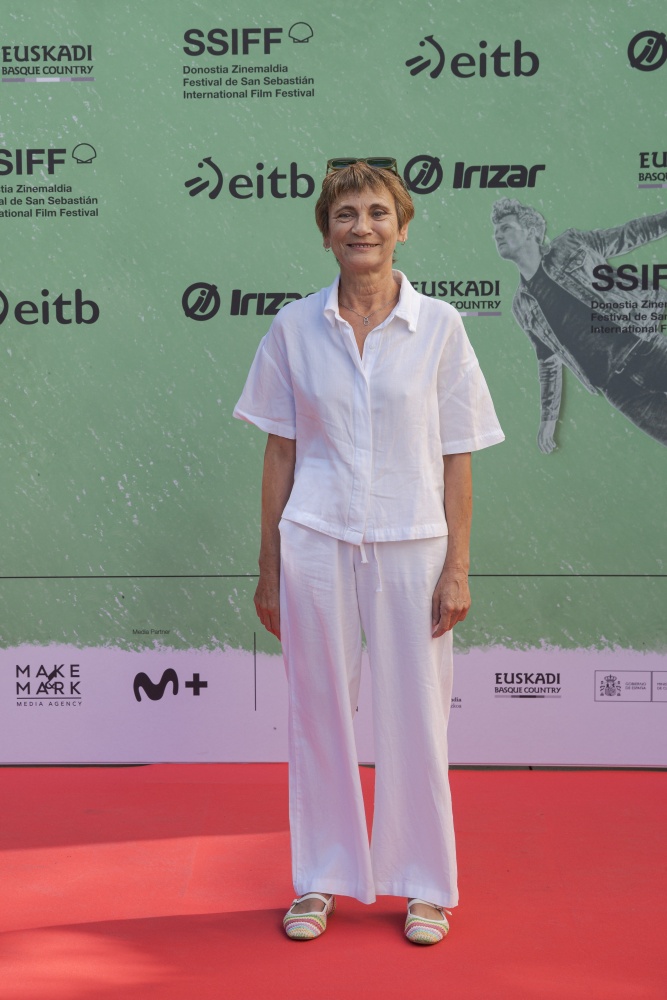
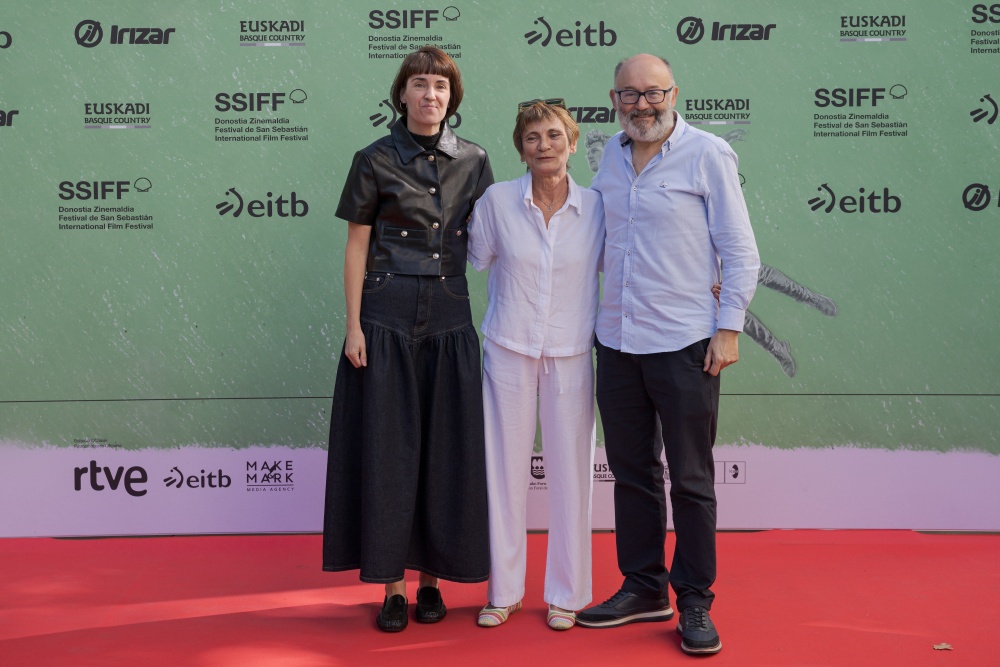
Actor Jose Ramon Soroiz will receive this year’s Zinemira Award
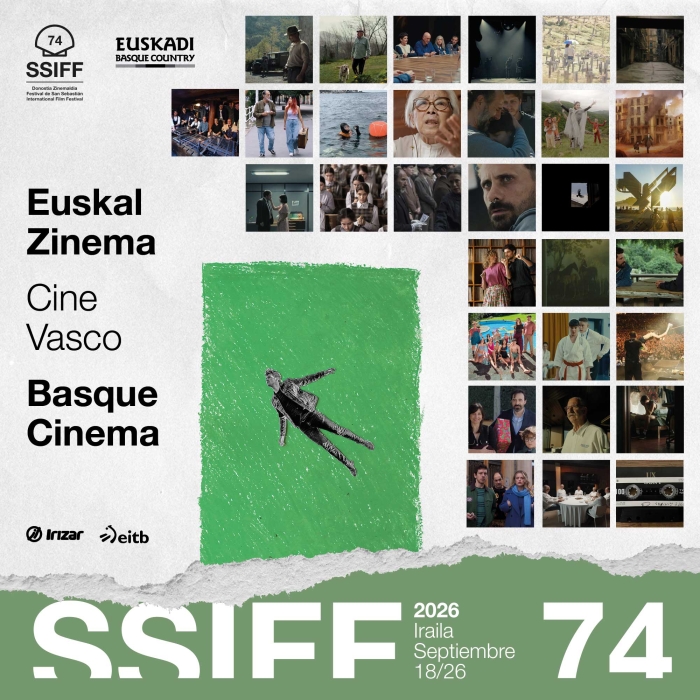


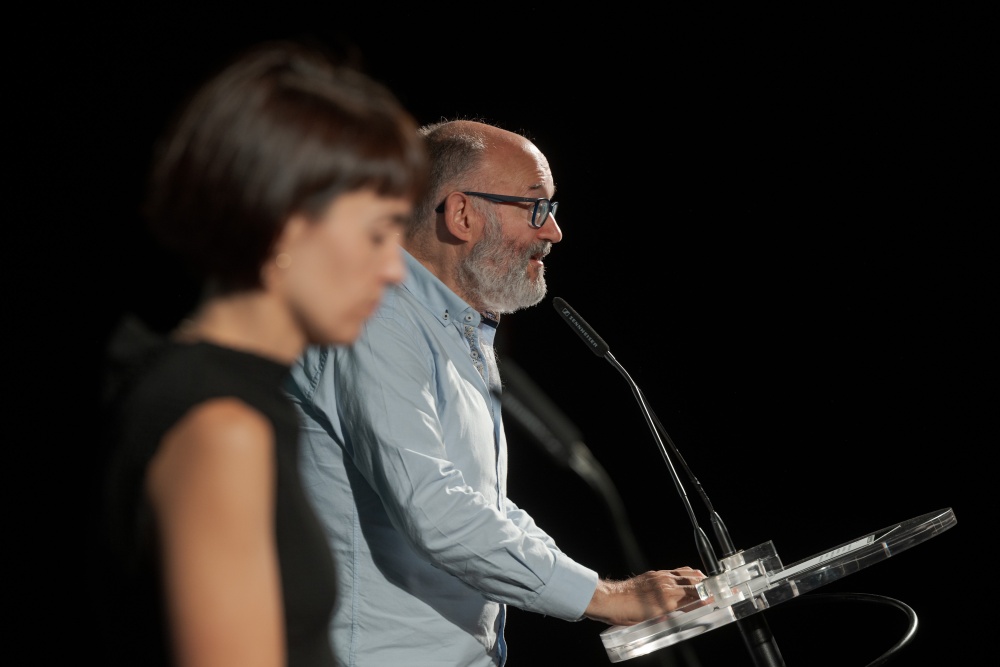
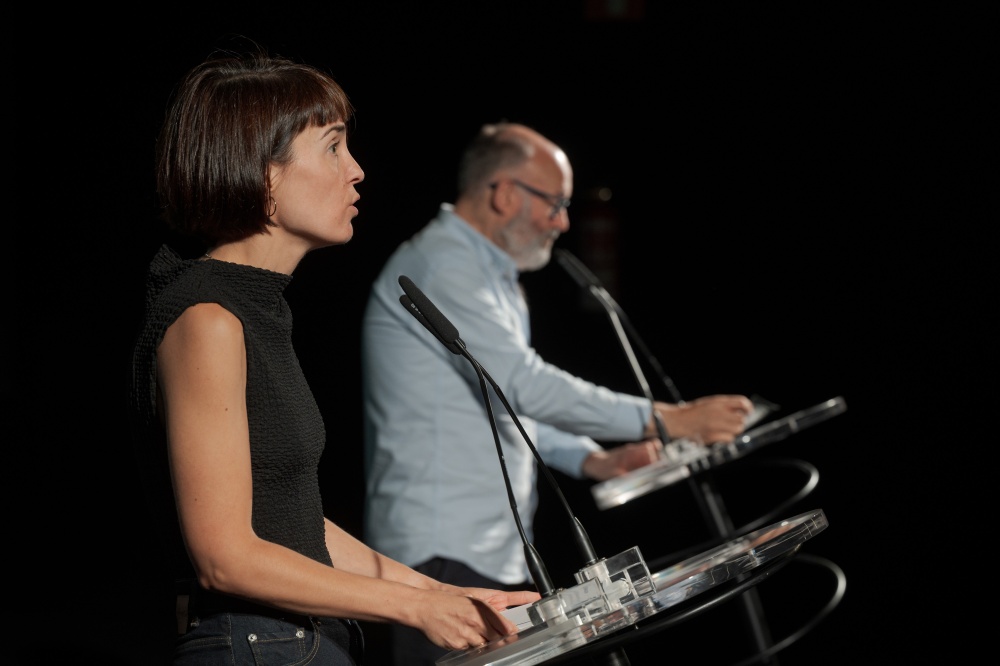
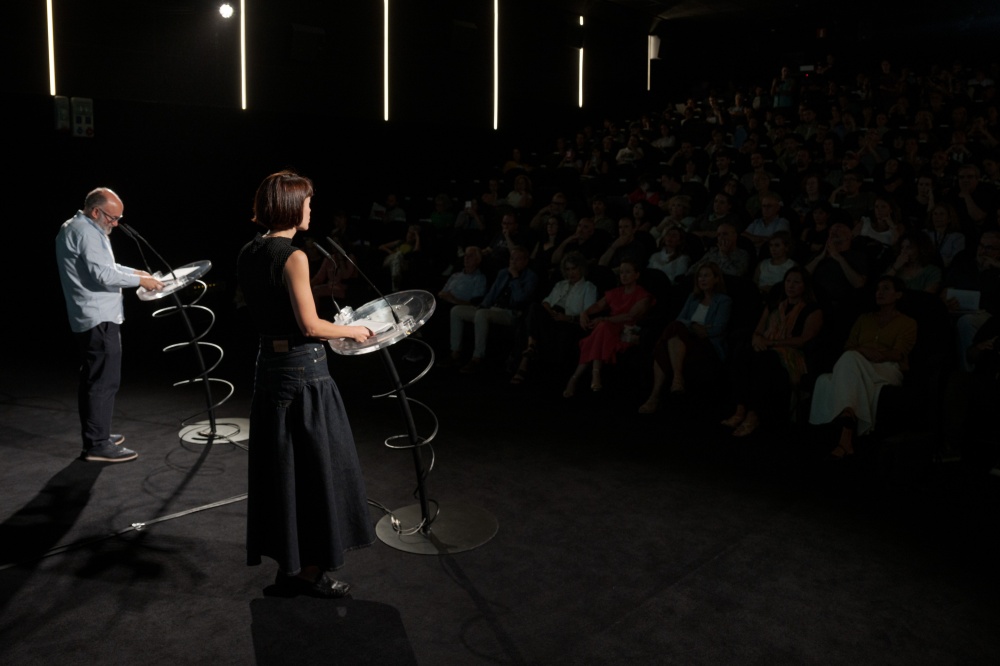
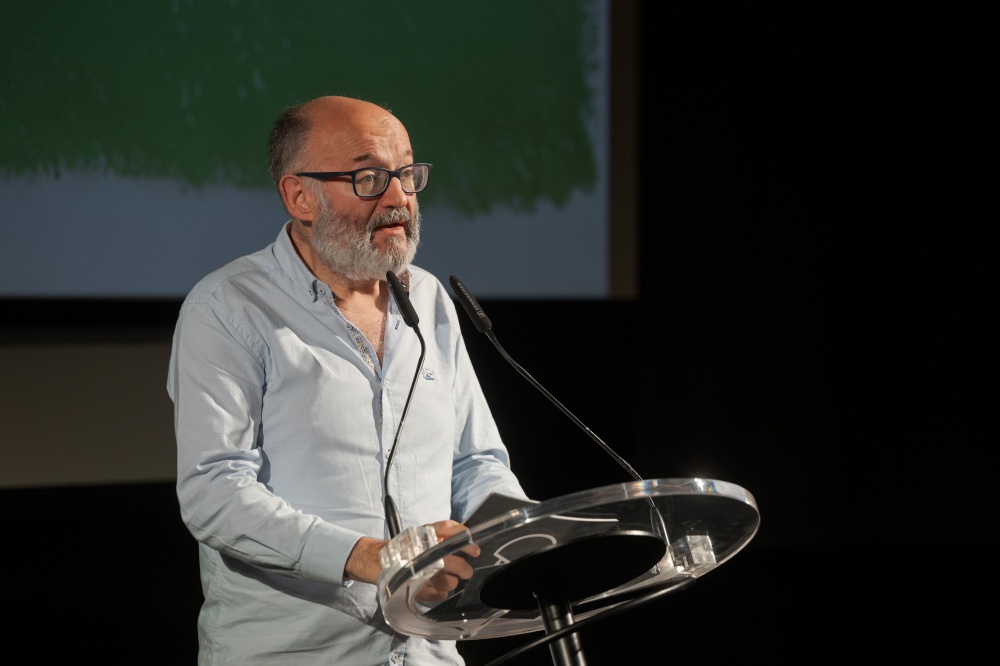
A total of 31 titles with Basque production –26 feature films, one medium-length, one short film, two series and one project at the post-production stage– will participate in the San Sebastián Festival’s 74th edition. This year, the productions will screen in the Official Selection, New Directors, Zabaltegi-Tabakalera, Perlak, Nest, Culinary Zinema, Zinemira, Made in Spain, Velodrome, Klasikoak, EITB Gala and RTVE Gala, Origin: Euskadi and the Europe-Latin America Co-Production Forum. Of said titles, those having their world premiere at the Festival will compete for the Irizar Basque Film Award, coming with 20,000 euros for the producers of the winning film.
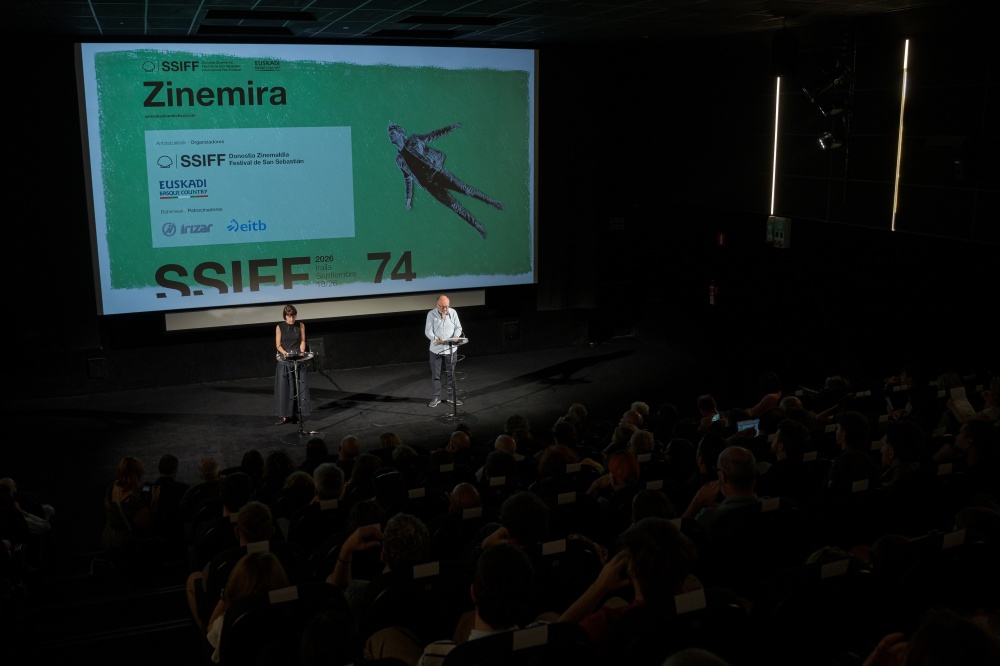
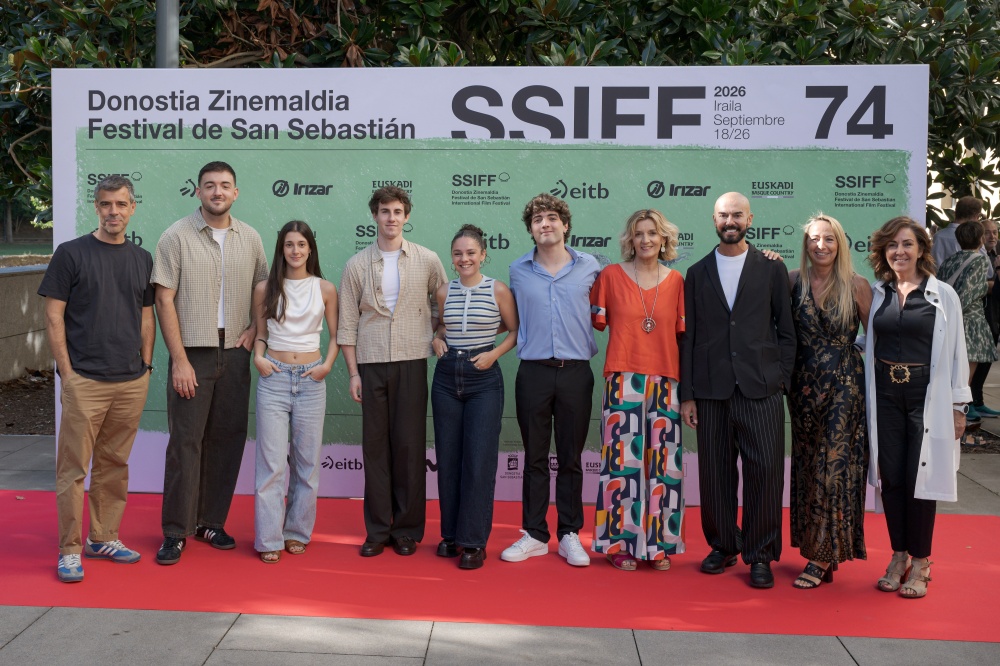
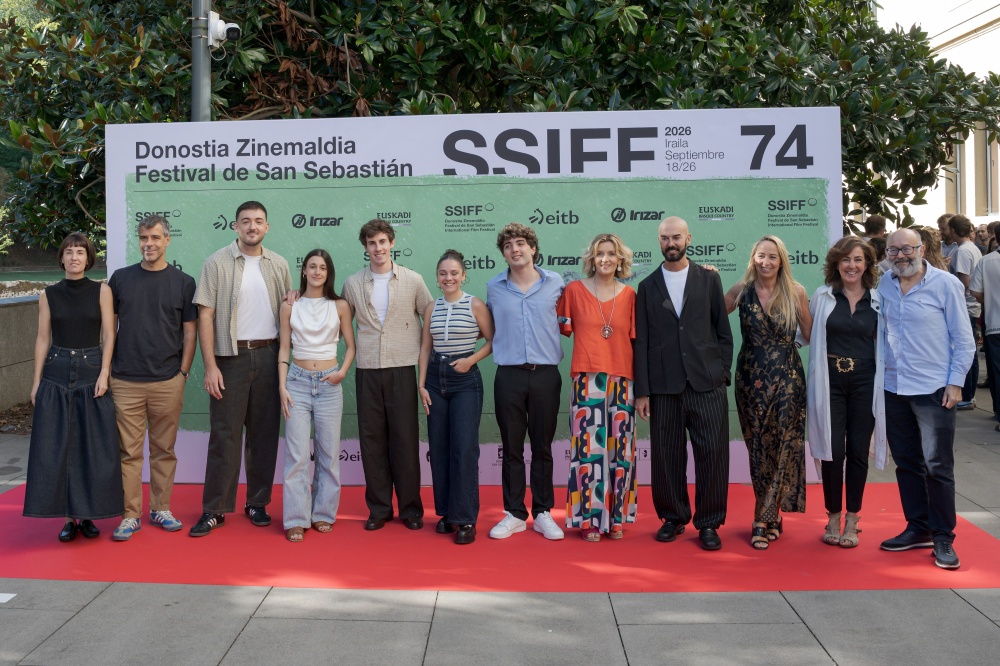
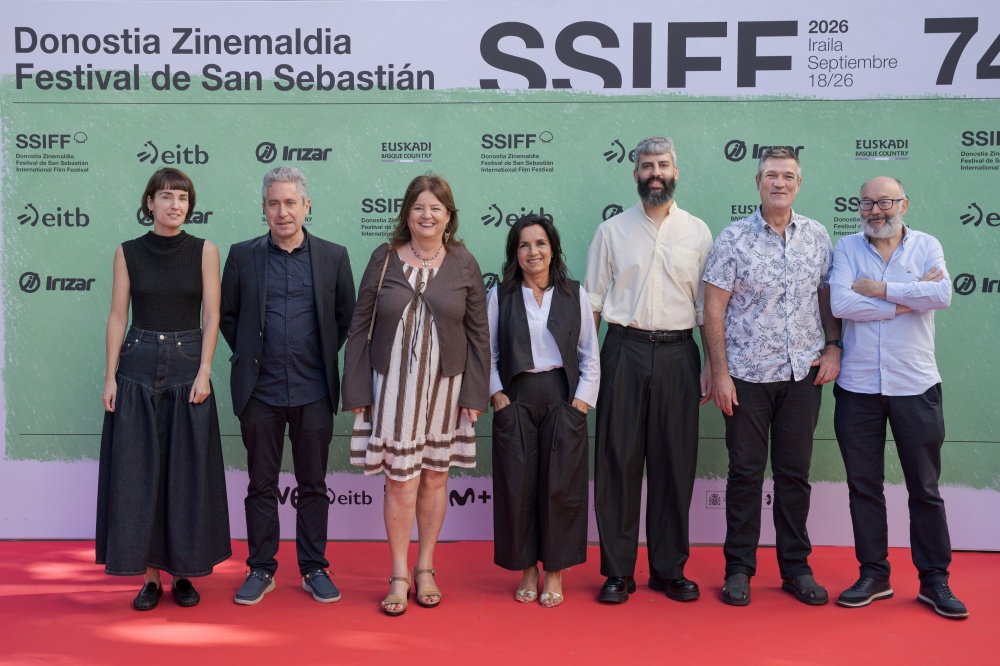
Zinemira, the section specifically dedicated to Basque cinema, will include thirteen feature films, ten of them as world premieres. Organised by the San Sebastián Festival and the Basque Government Department of Culture, Zinemira is sponsored by Irizar and EITB, with the collaboration of the Filmoteca Vasca, the EPE-IBAIA producers’ association and Zineuskadi.
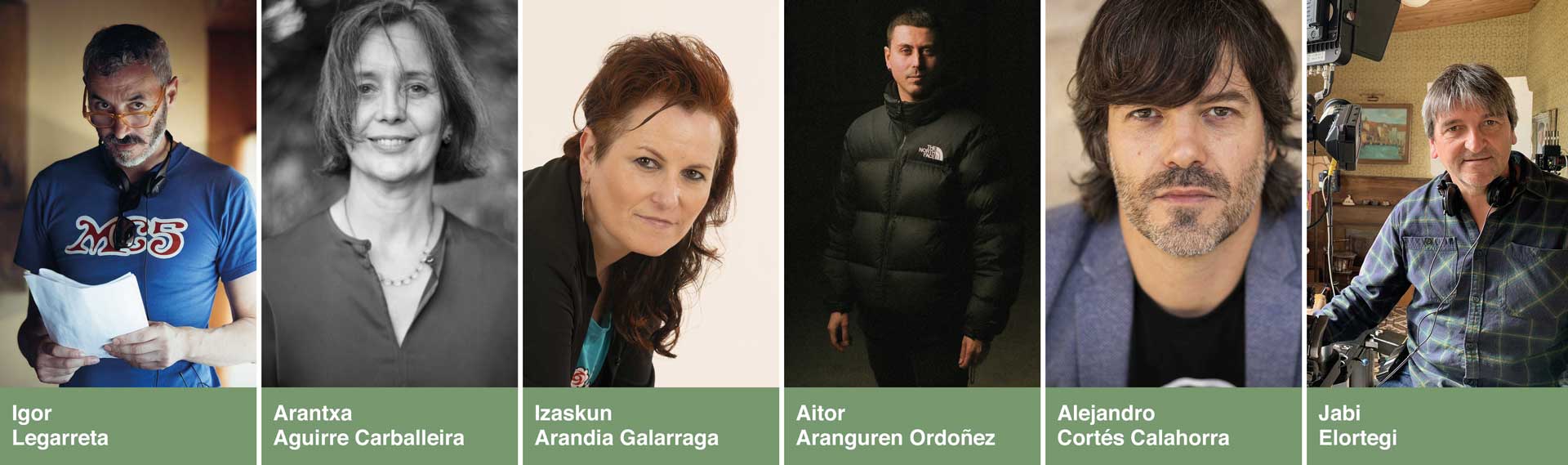
Igor Legarreta (Leioa, 1973) will open the section with Inurri itsuak / The Blind Ants. In his third feature film, starring Urko Olazabal, Itziar Ituño, Josean Bengoetxea, Miren Gaztañaga and Carlos Santos and based on Ramiro Pinilla’s novel Las ciegas hormigas, he tells the tale of a family who takes to the sea to retrieve the coal from an English ship which has sunk in a storm. Legarreta has written and directed several short films, and in 2017 premiered his debut feature, Cuando dejes de quererme. He went on to direct Ilargi guztiak. Todas las lunas (Zinemira, 2021), winner of the Best Director Award and Audience Award for Best International Film at the Fantasia International Film Festival in Montreal.
The protagonist of the section’s closing gala will be the chef and TV presenter Karlos Arguiñano, whose life is portrayed by Arantxa Aguirre (Madrid, 1965) in the film Un tal Karlos. Aguirre worked as an assistant director with filmmakers including Mario Camus, Pedro Almodóvar, Carlos Saura and Luis García Berlanga before embarking upon a career in non-fiction films. Among her works are Hécuba, un sueño de pasión (Zabaltegi-Specials, 2006) and Dancing Beethoven (2016), both nominated for Goya Awards, and Ciento volando (Zinemira, 2024), dedicated to Eduardo Chillida.
In the film Irailak / Septembers, Izaskun Arandia Galarragak (Tolosa, 1972) follows the steps of her great grandfather, who left Tolosa in 1935 and returned to the town of his birth in Burgos; shortly afterwards, his family received notice of his death in the war. In 2018, thanks to the work of the Gogora Institute, his remains were identified. Arandia founded the production company Izar Films in 2010, with which she has produced non-fictions such as Muga deitzen da pausoa (Maider Oleaga, Zinemira, 2018) and Non dago Mikel? / Where is Mikel? (Amaia Merino and Miguel Ángel Llamas, Zinemira, 2021). As a director, having penned several short films, in 2022 she released her debut feature, My Way Out, which was programmed in Zinemira.
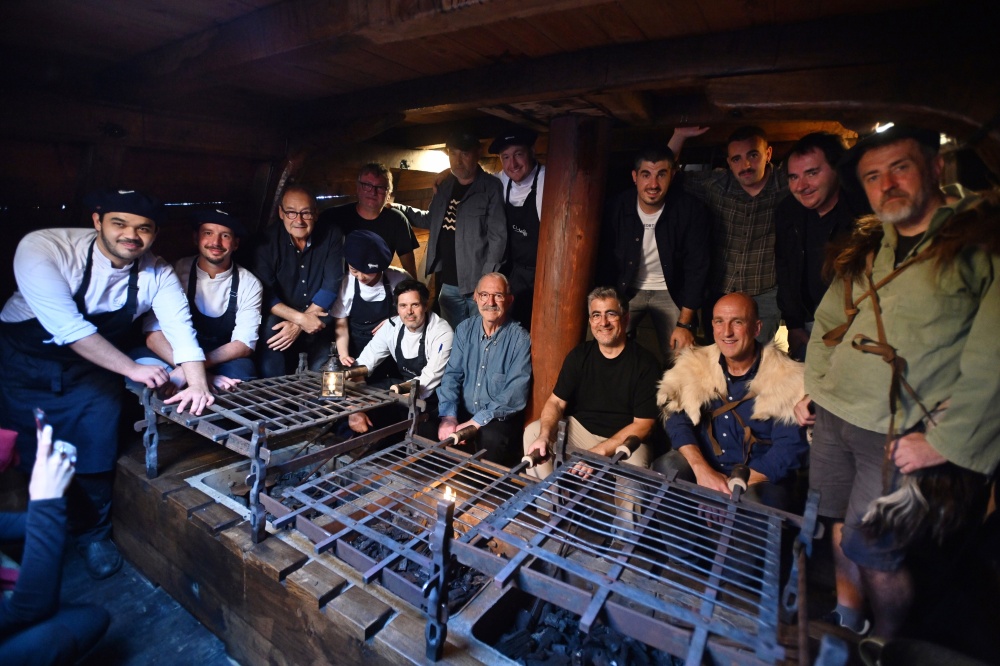
300 haritz / 300 Oaks brings together 23 chefs from Mahaia Kolektiboa and several artists to reflect on moving forward without losing sight of one’s roots. Although this is Aitor Aranguren Ordóñez’s (Rentería, 1997) first feature film, the director has prior experience in nonfiction, having worked on the series Hot Spot and Escena Norte. In addition, as head of the production company Muga —which he co-founded with Erik Suso— he has directed music videos for bands such as Süne, Zetak, and ETS.
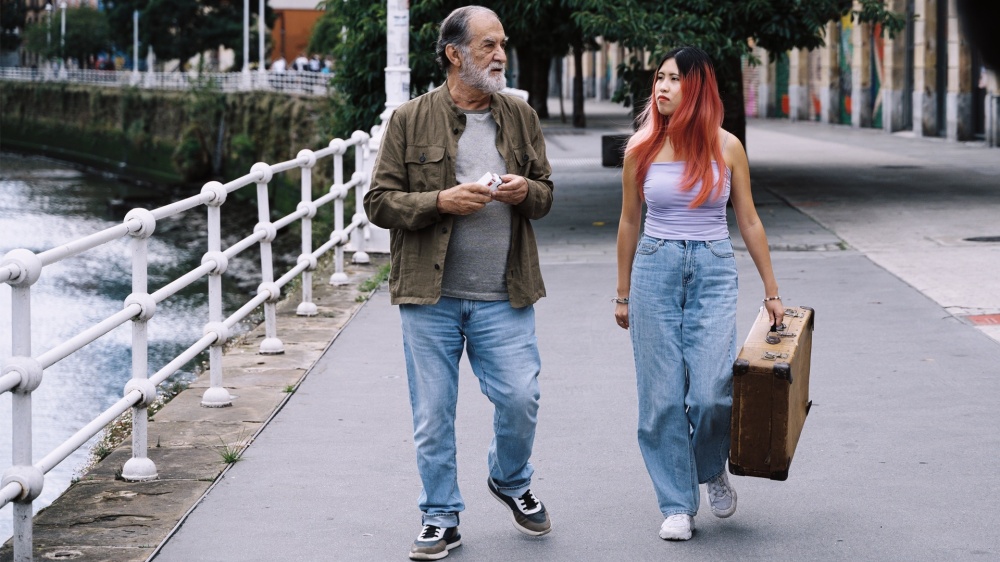
On the tenth anniversary of the death of actor Álex Angulo, his adopted daughter Dodó returns from Taiwan to find out who her father really was in La maleta de Álex / My Father Alex, a road movie from Alejandro Cortés Calahorra (Zaragoza, 1983). With his debut feature, Refugios (2015), Cortés travelled to festivals all over the world, while his second work, Carrasca (2019), screened at competitions including the SEMINCI, DocMontevideo, Bogotá and Atlantidocs, among others.
The non-fiction Gatibu, agur esan barik / Gatibu, Without Saying Goodbye follows the farewell tour of the Gatibu rock band, looking back over a career of 25 years. Jabi Elortegi (Bermeo, 1969) has directed fiction, non-fiction films and series. Outstanding among his works are Zorion perfektua (Perfect Happiness, Zabaltegi-New Directors, 2009), El vasco (Zinemira, 2022), Galerna. The Unknown Storm (2012) and 1983. Euskadi inundada (2013). He also boasts a long career in television, where he has directed series including Goenkale, Go!azen, Aitaren Etxea (EITB Gala, 2015), Ihesaldia and Desagertuta.
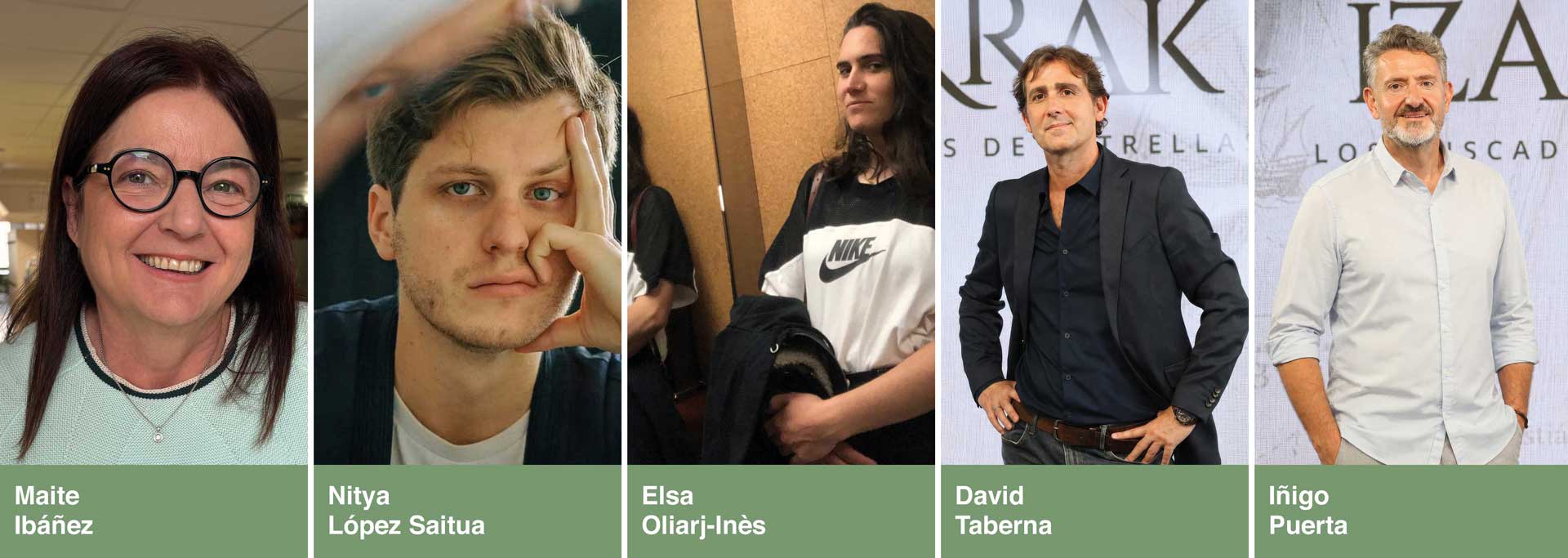
Pedro Arrupe. Yo viví la bomba atómica / Pedro Arrupe. I survived the Atomic Bomb, Maite Ibáñez (Bilbao, 1962) features the testimonial by the missionary from Bilbao Pedro Arrupe, who on 6 August 1945 saw how the atomic bomb was dropped on Hiroshima by the bomber Enola Gay. A historian and archaeologist, Ibáñez has worked as a director and writer on numerous non-fiction works, including Mujeres en construcción (2009), Reconciliación (Fermín Aio, 2015), Buscando a Agirre (Francesc Escribano, 2018), Caso Brouard. Bajando a las cloacas del estado (2018) and 11M. Cuatro días de marzo (2024), winner of the Ondas Award.
The director Nitya López Saitua (Ibarrangelu, 1996) works with actors Iraia Elías and Miguel Garcés to recreate the argument that drove his parents apart in his first feature, Simulacro / Family Drill. He made his debut in 2018 with the short film Jesus is B(l)ack, and later directed Infraganti (2019), Txoriak txori (2021) and Deadly Draw (2023), the latter of which was selected for the Kimuak programme. He has also worked in the directing teams of films like Ane, El buen patrón / The Good Boss and Maixabel, and his project for the series Sukar was selected last year for 2deo Serieak. Recently he has created, written and directed, with Alba Lozano, the series Aloka(h)iru, expected to have its release at the end of the year.
In the non-fiction Txakun txakür, filmed over eight years, Elsa Oliarj-Inès (Atharratze, 1988) narrates the struggle for acceptance of a little girl called Elise. Zinemira will show this debut, to compete for the Irizar Award, by Oliarj-Inès, whose previous works include the medium-length films Dans leur jeunesse il y a du passé (2014) and Les airs sauvages / Wild Melodies (2017). The latter was selected for film festivals such as the FIPA, Escales Documentaires and Dock of the Bay.
Journalists from El Diario Vasco David Taberna (Errenteria, 1978) and Iñigo Puerta (San Sebastián, 1974) will present Izarrak, a non-fiction analysing the path followed by Basque gastronomy and the area of San Sebastián to become a unique global reference. Last year, Taberna presented Gregorio Ordóñez, el asesinato que despertó la rebelión contra ETA (2025) in Zinemira together with Arantxa Aldaz and Javier Roldán. For Puerta, this work marks his debut as a director.
Being world premieres, several of the films programmed in sections other than Zinemira will also compete for the Irizar Basque Film Award. The Special Screenings showing in the Official Selection will feature Azken agurra / The Last Goodbye, by Koldo Almandoz (San Sebastián, 1973); Ruega por nosotras / Pray for Us, by Daniel Monzón (Palma, 1968), and Sacamantecas / The Harvester, by David Pérez Sañudo (Bilbao, 1987). New Directors, Zabaltegi-Tabakalera and Culinary Zinema will feature, respectively, the feature debut from Javier Giner (Barakaldo), Esta soledad / This Solitude; HAMALAU gau (FOURTEEN nights), by Oskar Alegria Suescun (Pamplona, 1973), and Subijana, más allá de un bigote, by Jorge Fernández Mayoral (Logroño, 1982) and Jesús Javier Ruiz Aquerreta (Pamplona, 1975). In the Velodrome section, on the other hand, two films will compete for the Irizar Award: Muguruza FM 40 Tour, directed by Ander Merino Etxebeste (San Sebastián, 1995) and Fermin Muguruza (Irun, 1963), and Karateka, by Aritz Moreno (San Sebastián, 1980), as will Burundanga by José Corbacho (L'Hospitalet de Llobregat, 1966), to participate in the RTVE Galas, will also compete for the award.

Zinemira out of competition
Zinemira will include three Basque productions showing out of competition and which will not compete for the Irizar Basque Film Award: Itzalak argitzen / Bringing Shadows to Light, a film from Koldo Almandoz (San Sebastián, 1973) and Gorka Bilbao (Gernika, 1974) documenting the process of restoring four medium-length Basque films made in the 80s and re-released in the Euskal Zinema season at the Filmoteca Vasca; the animated film Winnipeg, el barco de la esperanza / Winnipeg, Seeds of Hope, with which Beñat Beitia (Pamplona, 1976) and Elio Quiroga (Las Palmas, 1965) participated in the Annecy and Shanghai festivals, and Las hijas del mar / Daughters of the Sea, a work by Gemma Gonzalez Martinez (San Sebastián, 1980) to have its premiere at GNaturaldia in September.
Titles with the participation of Basque production companies in the other sections
As well as the already-mentioned films which will compete for the Irizar Award and those included in the Zinemira section, the Festival will include several titles with the participation of Basque production companies. Showing in the Zabaltegi-Tabakalera and Perlak sections are two international productions shot in San Sebastián: Weichen (Dust), from the Malaysian director Tsai Ming-Liang (Kuching, 1957) and Succederà questa notte / It Will Happen Tonight, a film by Nanni Morretti (Brunico, 1953) premiered in Venice. The Nest section, for film students, will include the screening of Bingo Night, a short film from the Elías Querejeta Zine Eskola directed by Maria Vaughan (Miami, 1999), while Made in Spain will include Altas capacidades / Better Class, directed by Víctor García León (Madrid, 1976) and presented at the Málaga Festival.
The Velodrome, for its part, will once again host the first episode of the new season of one of ETB’s most successful series, Go!azen 13, directed by Itziar Gomez Sarasola (Errenteria, 1964) and Aitor Osa Eiguren (Mutriku, 1972). Klasikoak will bring yet another restoration of a Basque production, Ander eta Yul (Ander y Yul) (1988), by Ana Díez (Tudela, 1957). The EITB Galas will include the already-mentioned feature film Sacamantecas I The Harvester and the series Odol ilargia / Blood Moon, by David R. Losada (Irun, 1981), while the medium-length ONDAREA Euskal sukaldaritza berriak, 50 urte / ONDAREA 50 Years of New Basque Cuisine, directed by Ainhoa Alzibar (Durango, 1977) and Beatriz Nieto (Bilbao, 1980), can be seen in the section Origen: Euskadi. Finally, this year the Europe-Latin America Co-Production Forum will have a project with Basque participation, Éste es el recuerdo que me gustaría tener de mamá / This Is the Memory I Would Like To Have of Mom, directed by Ernesto Martínez Bucio (Uriapán, 1983). The Mexican filmmaker won the Best First Feature Film at the Berlinale with El diablo fuma (y guarda las cabezas de las cerillas quemadas en la misma caja) / The Devil Smokes (and Saves the Burnt Matches in the Same Box), developed while studying at the Elías Querejeta Zine Eskola.
Zinemira Award
The Zinemira Award is an honorary accolade given by the San Sebastián Festival and the EPE-IBAIA producers association in recognition of the career of a personality from the world of Basque cinema. Its recipients to date have been Imanol Uribe (2009), Álex Angulo (2010), Elías Querejeta (2011), Michel Gaztambide (2012), Juanba Berasategi (2013), Pedro Olea (2014), Karmele Soler (2015), Ramón Barea (2016), Julia Juániz (2017), Ramon Agirre (2018), José María Txepe Lara (2019), Sara Bilbatua (2020), Kimuak (2021), Txema Areizaga (2022), Paco Sagarzazu (2023), Elena Irureta (2024), and Telmo Esnal and Asier Altuna (2025). This year, the Festival and EPE-IBAIA will pay tribute to the actor Jose Ramon Soroiz at the Great Basque Cinema Gala that will take place at the Victoria Eugenia Theatre on September 22.
Jose Ramon Soroiz (Legorreta, 1951) is one of the best-known and most respected faces of the Basque acting world. Over a career spanning more than four decades, he has witnessed and played a leading part in the evolution of film, theatre and audiovisuals in the Basque Country.
Although his face is strongly associated with film and television screens, Soroiz has always felt more at home on the stage. In the 70s and 80s he performed with several trailblazing theatre companies in the professionalisation of the Basque performing arts, and he still works in the theatre, a discipline that remains one of the backbones of his artistic career.
However, it was television that brought him to the attention of the general public, having established a career very closely linked to the birth and development of ETB. He participated in some of the Basque public network’s most representative productions, such as Bi eta bat, playing Joselontxo; Jaun ta jabe, in the role of Basque president Joxean Arizkorreta, and Martin, bringing life to the character of Martin Manterola. In addition to these series which have helped to shape the audiovisual panorama of several generations, in recent years he has continued to work in fiction at ETB, participating in series such as Irabazi arte! and Altsasu. He also played the part of businessman Txato Lertxundi in the series Patria (2020), the work that earned him greater visibility outside the Basque Country.
He was part of the effervescence enjoyed by films in the Basque language in the early 90s, participating, among others, in Offeko maitasuna (Koldo Izagirre, 1992) and Maité (Eneko Olasagasti and Carlos Zabala, Made in Spain, 1994). Vacas / Cows (1992), by Julio Medem, however, earned him greater projection, becoming one of the yardsticks of new Basque cinema. He has also played a leading role in the renaissance enjoyed by films in the Basque language in recent years, thanks to his work in Loreak / Flowers (Jon Garaño and Jose Mari Goenaga, Official Selection, 2014), Amama (Asier Altuna, Official Selection, 2015) and Maspalomas (Aitor Arregi and Jose Mari Goenaga, Official Selection, 2025).
Despite being an actor who boasts long-standing recognition in the Basque Country Maspalomas has attracted international attention to his career and earned him recognition beyond its borders. The work earned him the Silver Shell for Best Leading Performance at the San Sebastián Festival and the Goya Award, becoming the first Basque actor ever to receive the latter.
ZINEMIRA
Section dedicated to Basque cinema organised by the San Sebastian Festival and the Basque Government Department of Culture, with the sponsorship of Irizar and EITB, and the collaboration of the Filmoteca Vasca, EPE-IBAIA and Zineuskadi.
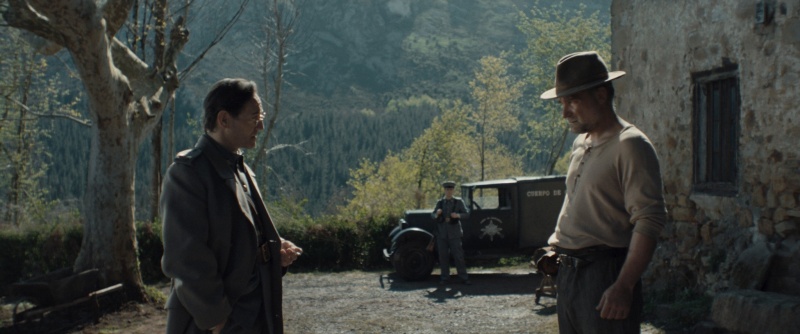
Bizkaia, 1930. A harsh storm causes an English ship carrying tons of coal in its hold to run aground. During the night, the people of Algorta flock to the coast to rescue the black gold. Sabas Jauregui sees the occasion as a stroke of luck; Josefa, his wife, as a bad omen. Ignoring her pleas, Sabas drags his children towards the violent storm. The family will do the unthinkable to protect the coal that could save them from the winter... or condemn them forever.

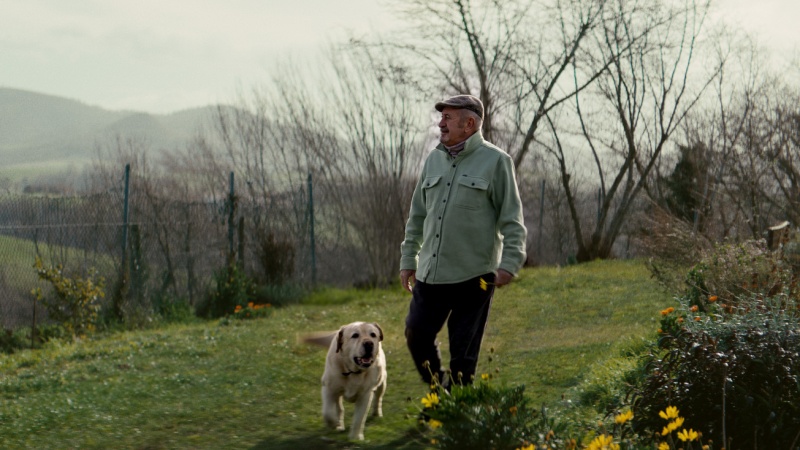
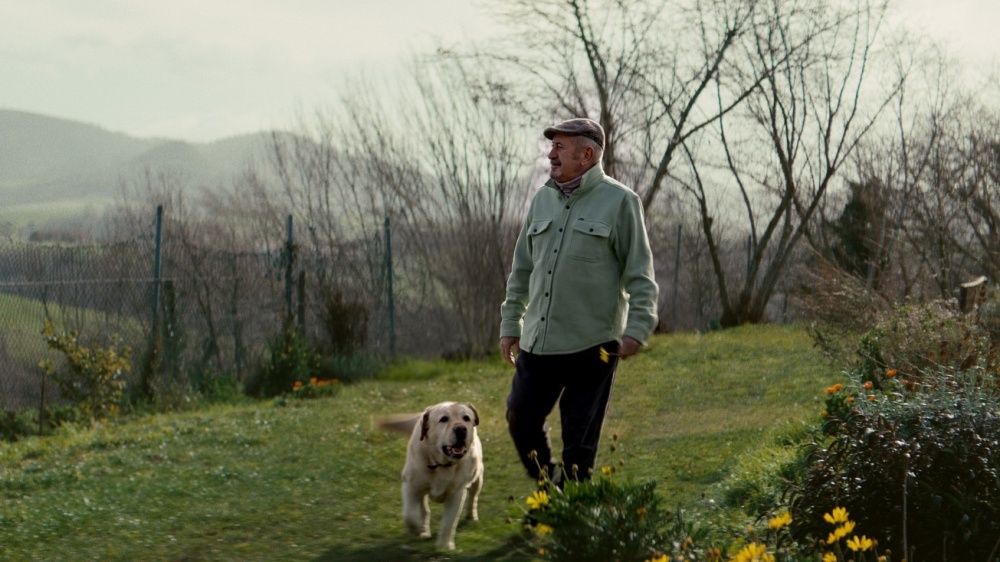
Everyone knows Karlos Arguiñano. He's been part of our lives for almost forty years, showing us how to cook from our TV screens while charming spectators. But, when it comes down to it: does everyone know him, or does everyone just think they do? This film shows Karlos in his most private spaces, but also in situations far removed from his routine, listening to the man himself and to those closest to him, looking for the person behind the personality.
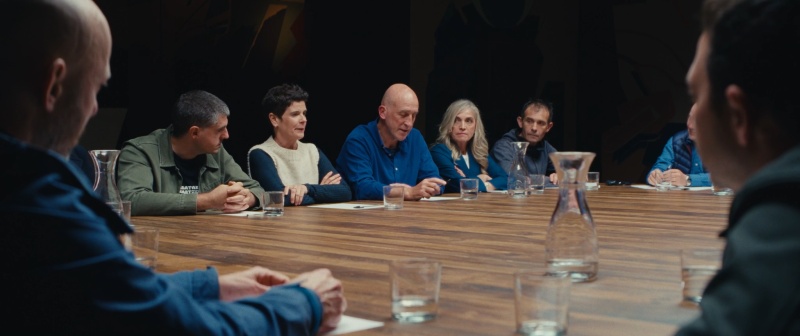
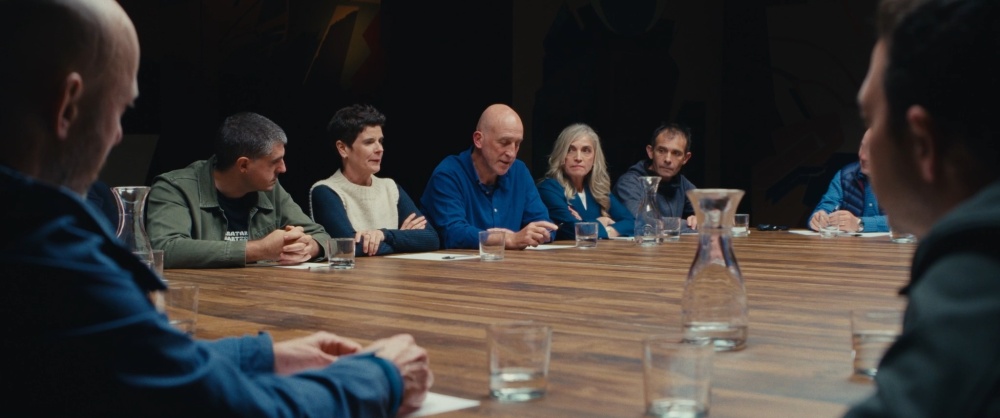
It took 300 oaks to build the first farmhouses. When the trees ran out, wood gave way to stone, showing that identity transforms to stay. In the Arantzazu crypt, 23 chefs from Mahaia Kolektiboa meet artists in an immersive experience to address a crucial question: how to sustain an own identity today. Far from closed answers, 300 Haritz (300 Oaks) reflects on what it means to remain and to advance without losing one's origin.
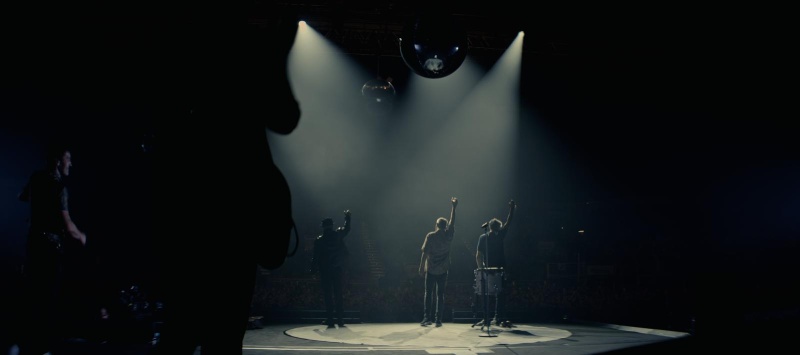
After a career spanning 25 years, the rock group Gatibu bids farewell to the stage having produced the soundtrack for a whole generation. The documentary accompanies its members on this last tour, capturing key moments and intimate landscapes packed with emotion. More than the chronicle of a band on the road, the film reflects on the passing of time, personal and collective transformation, maturity and the importance of knowing how to say goodbye.
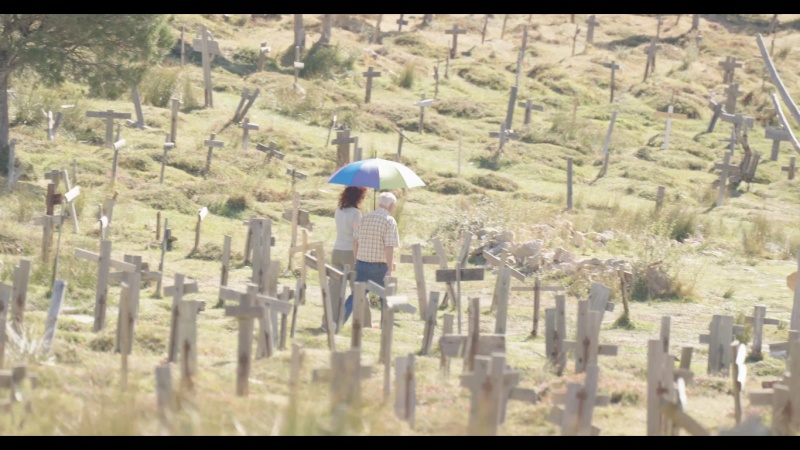
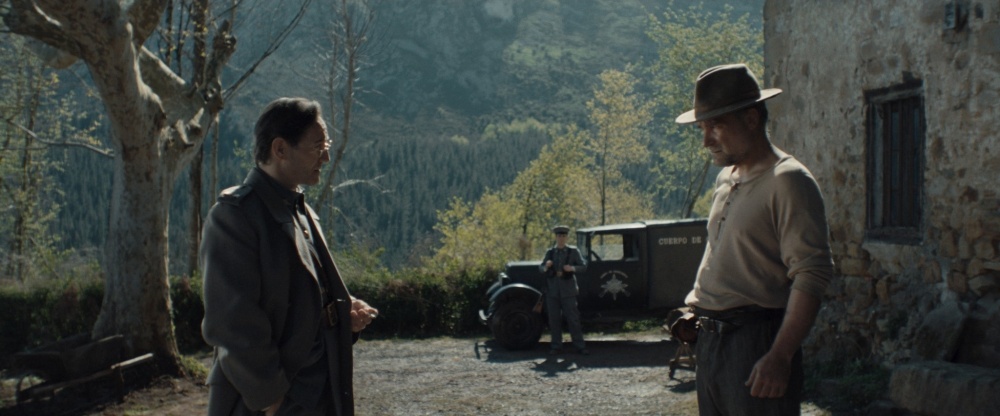
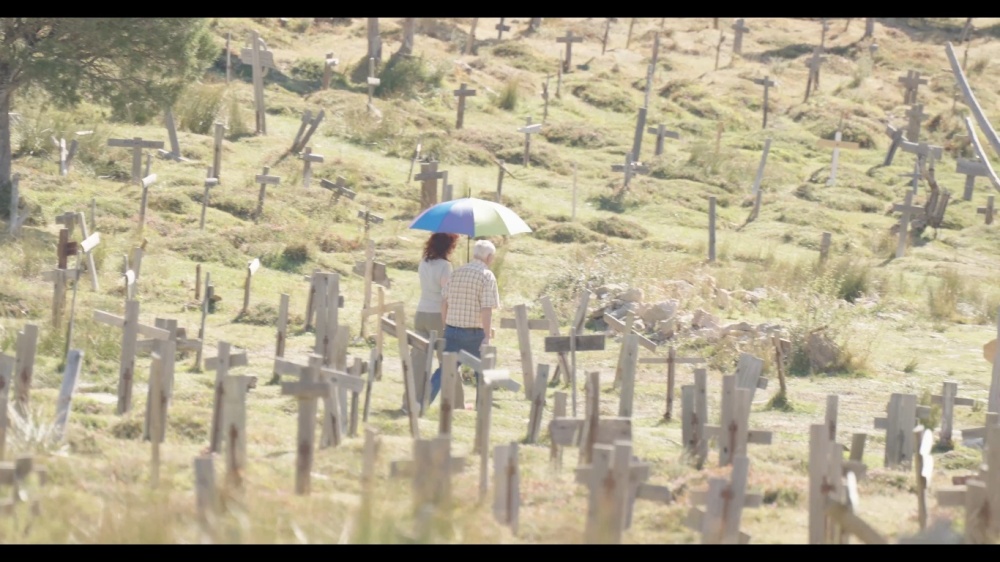
"At the end of 1935, Miguel Barga, my great-grandfather, left the family in Tolosa to return to the town of his birth in Burgos. Some time later, the family received word that Miguel had died in the war. His body was never returned. His death was taboo in the family for decades, until in 2018, the DNA programme run by the Gogora Institute identified his remains. By that time we had myriad details, but two important questions remained left unanswered. Why did he go and who killed him?". (Izaskun Arandia)
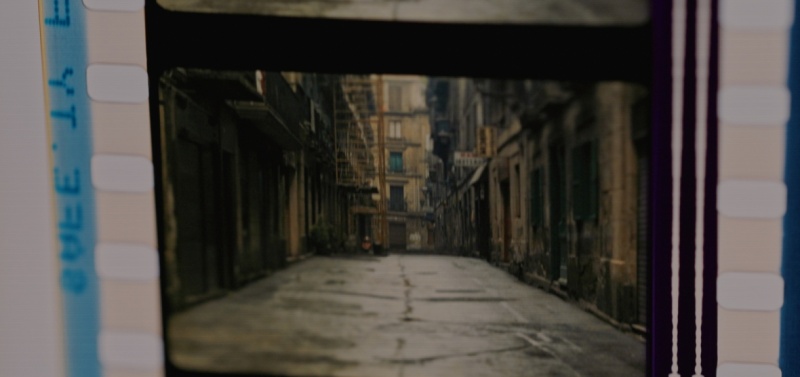
In 2025, the Basque Government, EITB and the Filmoteca Vasca set about recovering and restoring four medium-length films made completely in the Basque language in the mid-80s. The process, long and delicate, included a trip to the L'Immagine Ritrovata lab in Bologna. The documentary, an own production by EITB, follows the peregrination of the four directors and the restoration process completed in Italy. Because it's important to tell these stories too.
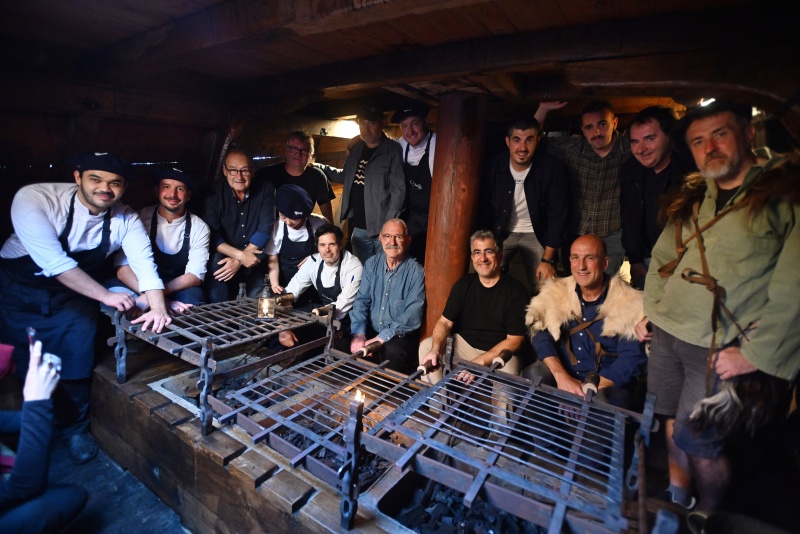
Izarrak explores the route that has led Basque gastronomy and the area of San Sebastián to become a unique global benchmark. From the seafaring expeditions that would set sail from Pasaia 500 years ago in search of fortune and spice to the revolution of Basque Nouvelle Cuisine, the documentary intertwines identity and territory with the stories of those who come today to Gipuzkoa in search of a future and of those who work on the sea and land to preserve a tradition with its eyes set on tomorrow.
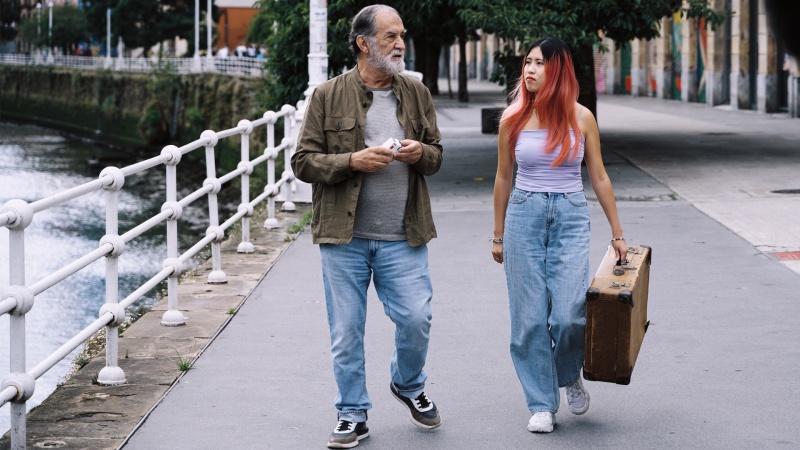
Ten years after Álex Angulo's death, Dodó, the daughter adopted by the actor in China, returns from Taiwan to find out who her father really was. With her secret suitcase, she travels around Bilbao and Madrid, once again meeting relatives, friends and film, theatre and television professionals. Their testimonials and the fragments of his works reconstruct the artistic and human memory of Álex, while Dodó recovers the lost connection and finds her own self.
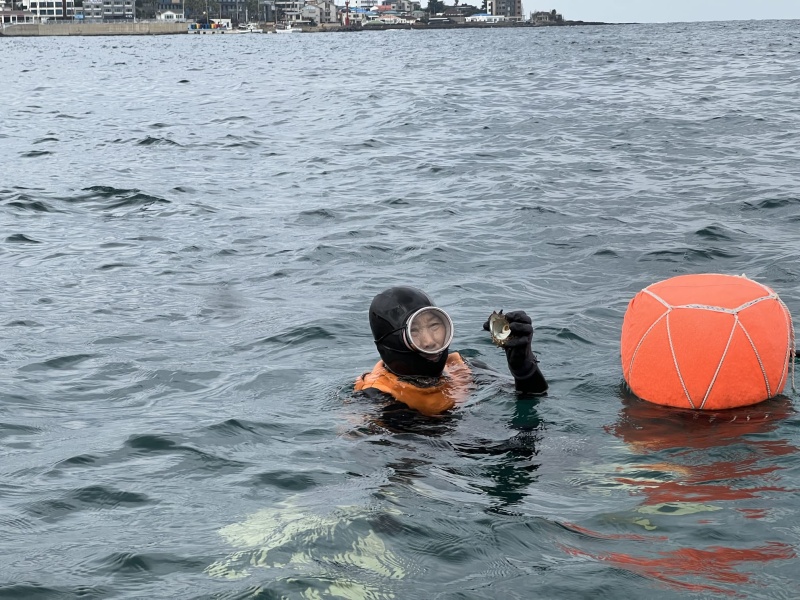
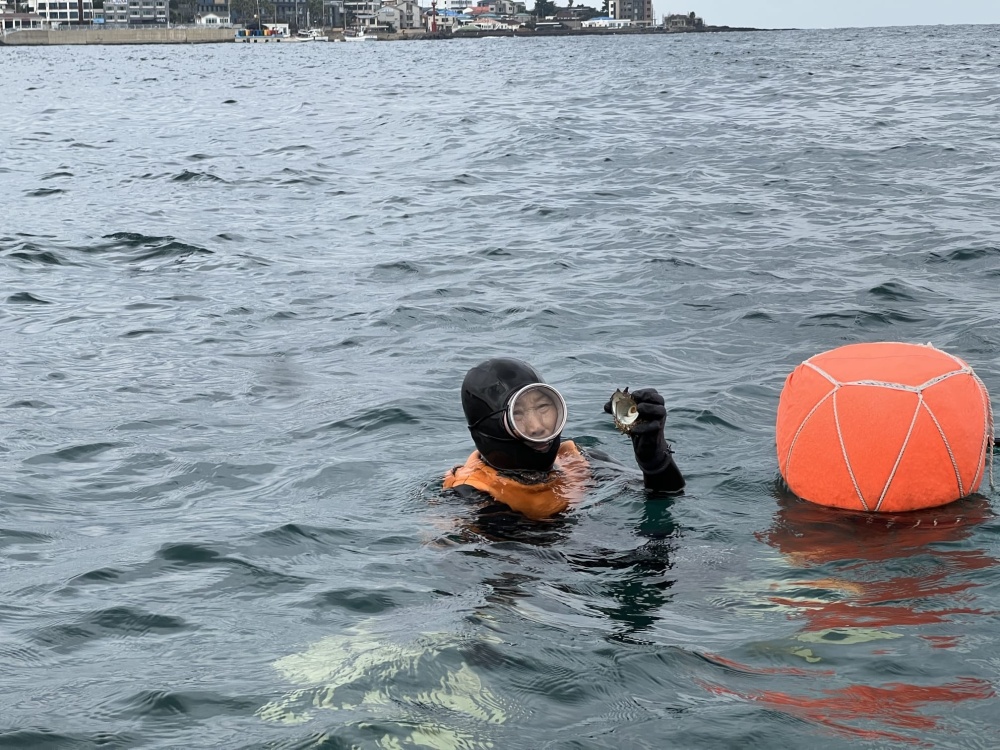
On opposite sides of the world, communities separated by thousands of kilometres share the same way of living with the sea. From the legendary women divers of Jeju island, the haenyeo, to professions such as net-making or the rowing of boats by women on the Basque coast, the documentary builds a sociocultural bridge between territories which may seem different, but which are in fact deeply connected by common values, pace of life and their relationship with the natural environment.
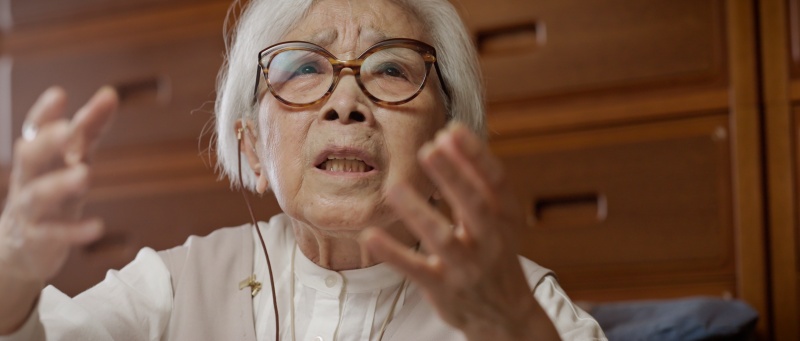
On 6 August 1945, the Enola Gay bomber plane carried the most lethal cargo ever made by a human being. At 8:15:17 am, the first atomic bomb was dropped on Hiroshima. The image imprinted on the collective memory is that of the nuclear mushroom seen from the sky, but not that of the burning bodies or that of the hands that tried to save them. That was the perspective of a Basque Jesuit priest, a missionary born in Bilbao: Pedro Arrupe.
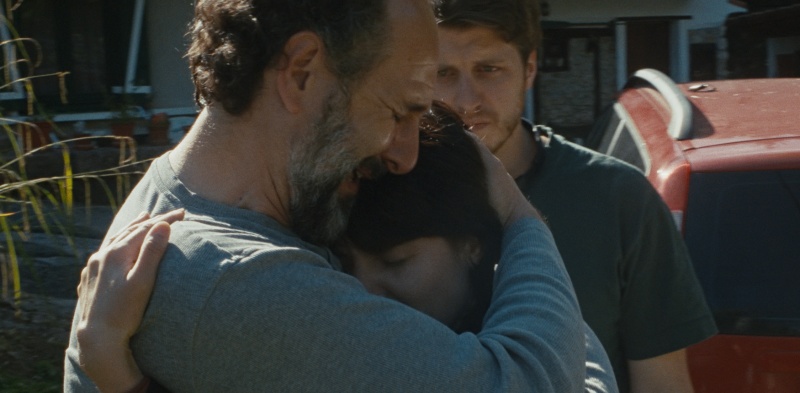
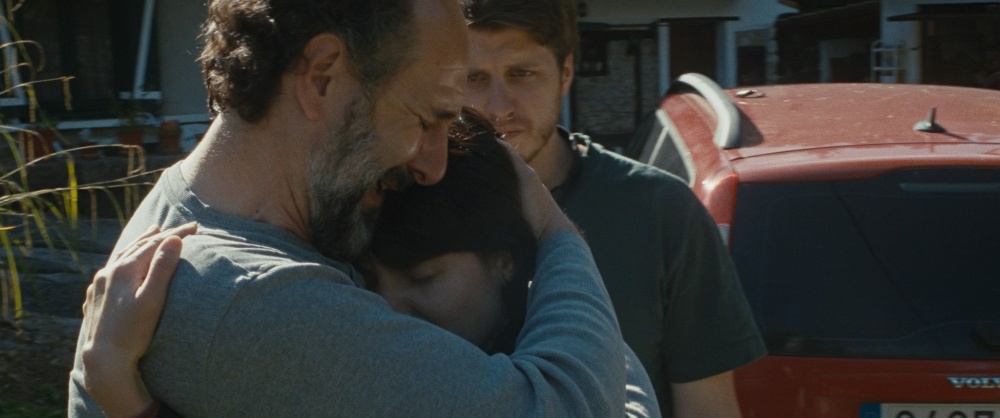
A director returns to his childhood home to recreate, with actors, the argument that drove his parents apart when he was four years old. Through improvisation and a film shoot that reveals his own artifice, he builds memories to which he never had access. But as the scene repeats itself, the indications lose their clarity and the border between reconstruction and desire start to blur.
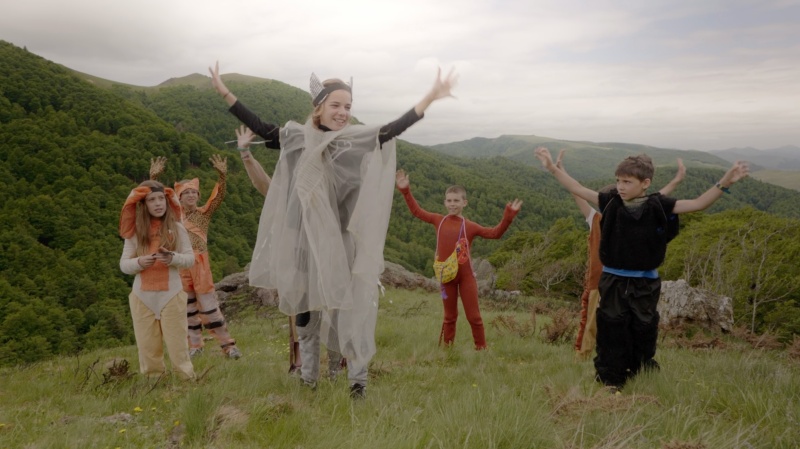
Nobody remembers their first school playtime. That day when the adults had gone. That day, I was in the playground. For eight years I filmed the same group of childen, asking myself: how do we grow under the gaze of others? How do we find our place in society? As the years pass, the playtime games gave way to role playing; the "You're not my friend any more" gave way to the "you can't play".
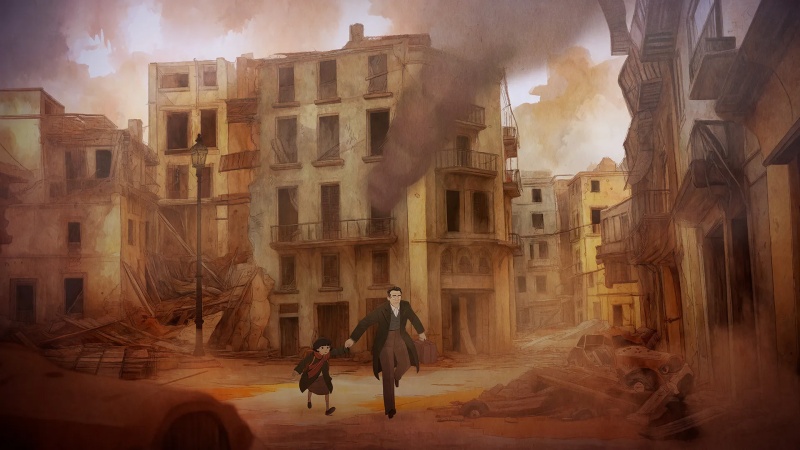
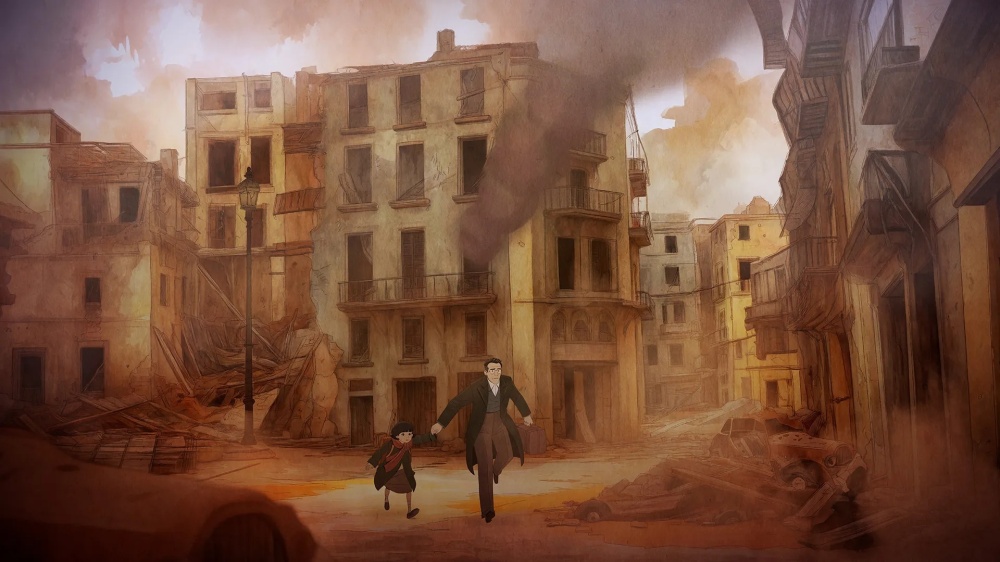
Víctor, a widowed father, and his small daughter Julia, leave Spain when Barcelona falls into the hands of Franco army in January 1939. In France they are met with concentration camps and destitution. But there is one possibility of escape: to set sail on the Winnipeg, a cargo ship chartered by Neruda and the Parisian Quakers, taking them to the safety of a new destination: Valparaíso, Chile, where a fresh start may await them.
OFFICIAL SELECTION - Special Screenings
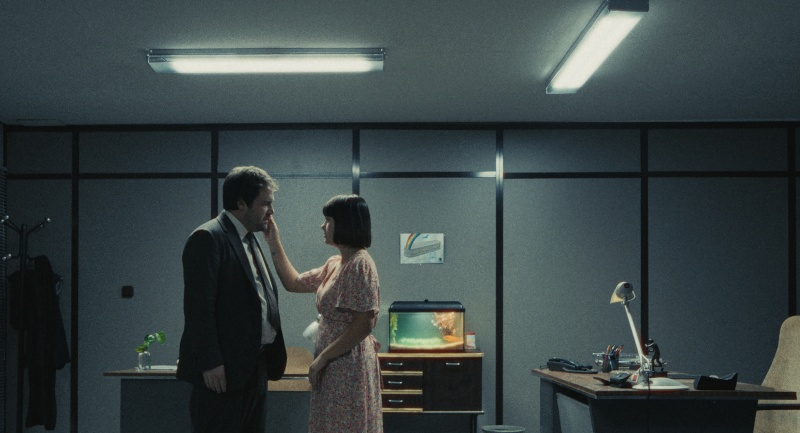
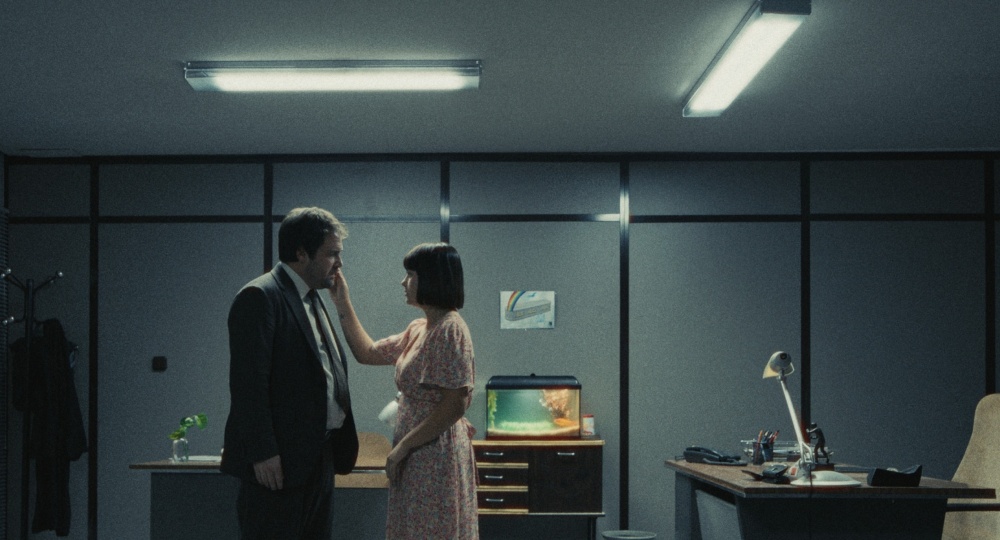
When you own a non-denominational funeral parlour. When you’ve lost your driver’s license for drinking too much. When you fall in love with an office trainee 25 years your junior. When your daughter begins to understand that you're not the father she thought you were. When the retired boxer who lent you money is on your back. When death seems more interesting than life… What could go wrong?
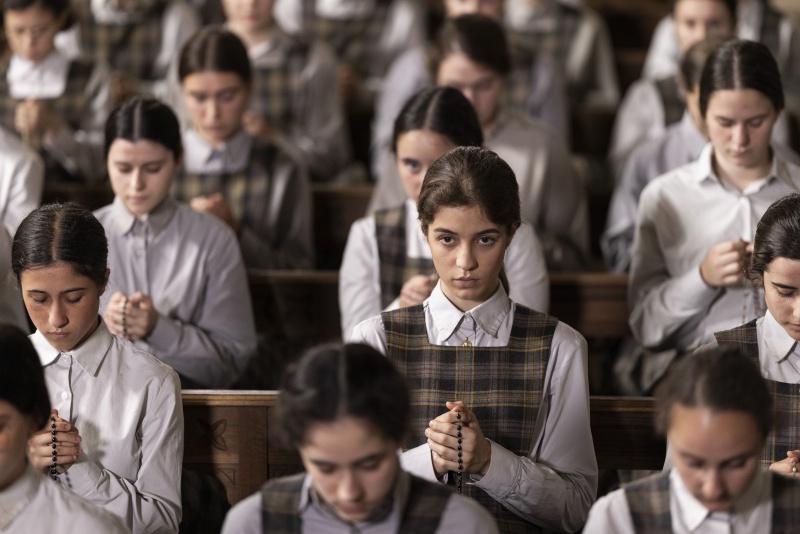
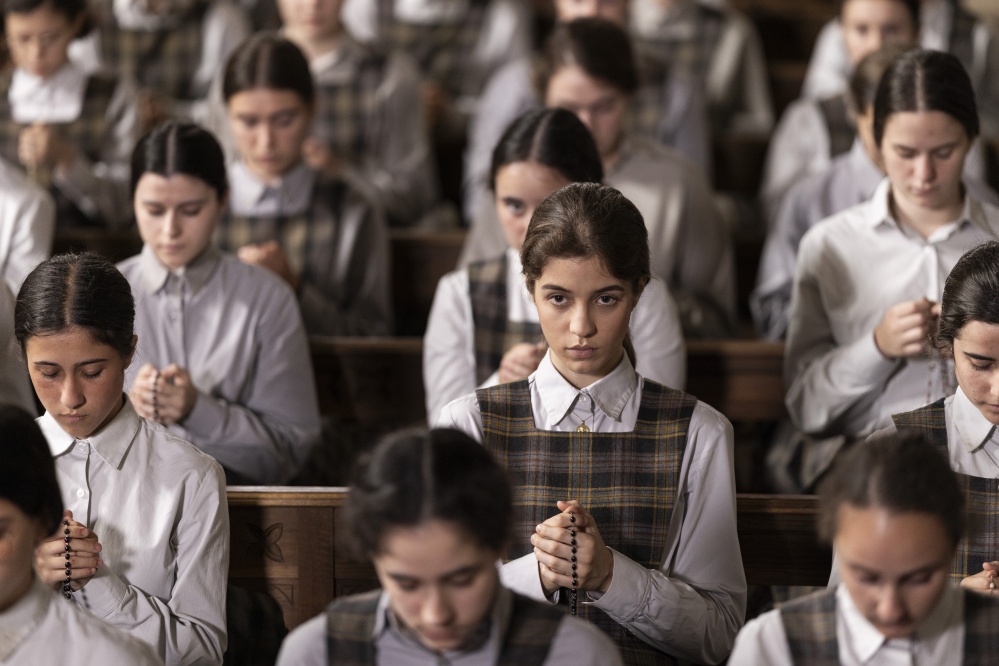
The year 1974. Ana is a rebellious 19-year-old. Having run away one night, her father decides to hand her over to the Women’s Protection Board. She is sent from Barcelona to Madrid for internship in a reformatory run by nuns who follow a brutal disciplinary regime. There she will try to survive by seeking comfort and support in the friendship with Sole, a small-town girl with contagious vitality, and other girls in the same situation.
OFFICIAL SELECTION - Special Screenings | RTVE-EITB GALA
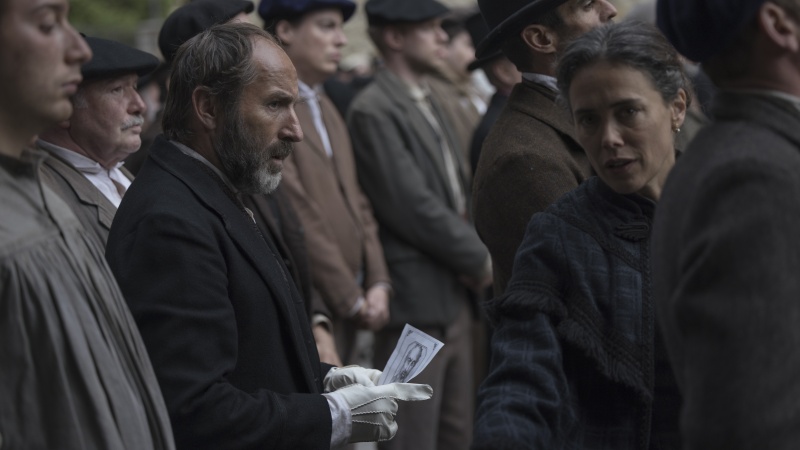
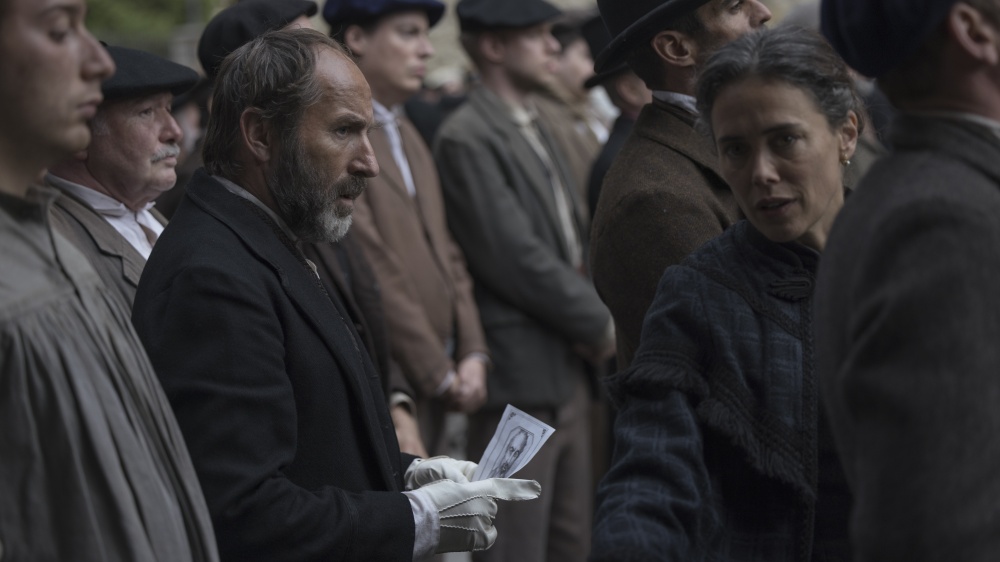
Álava, 19th century. Towards the end of the Third Carlist War, several women are found strangled to death on the outskirts of Vitoria. Ángela Berrosteguieta, sister of one of the victims, arrives seeking justice, determined to prove that Juan Díaz de Garayo, an illiterate farmer, is responsible for the crimes. Meanwhile, Pío Pinedo, head of the constabulary, must contend with the lack of resources in times of war and pressure from the authorities, who prefer to keep the rising wave of murders under wrap.
NEW DIRECTORS
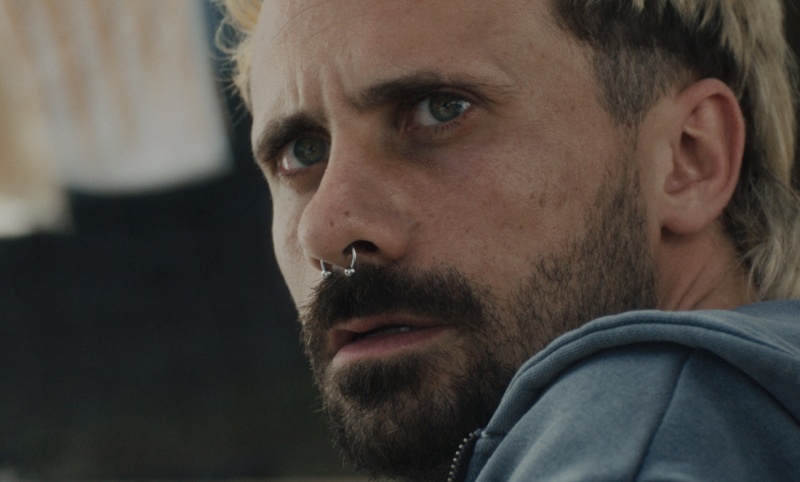
Leo and Lorea have loved one another. Maybe they still do. But something in them has broken. After five years, their relationship is done. He looks after his sick father, trapped between responsibility and an emotional void that weighs him down. She, caught up in poorly-paid jobs and personal crises, tries to get her life back on track without really knowing where to begin. They are two bodies, tired and alone, crushed by their precarious situation, by unresolved issues, by the emotional legacy of a generation who always seem to come late to everything: to love, to stability, to maturity, to serenity, to personal satisfaction.
ZABALTEGI-TABAKALERA
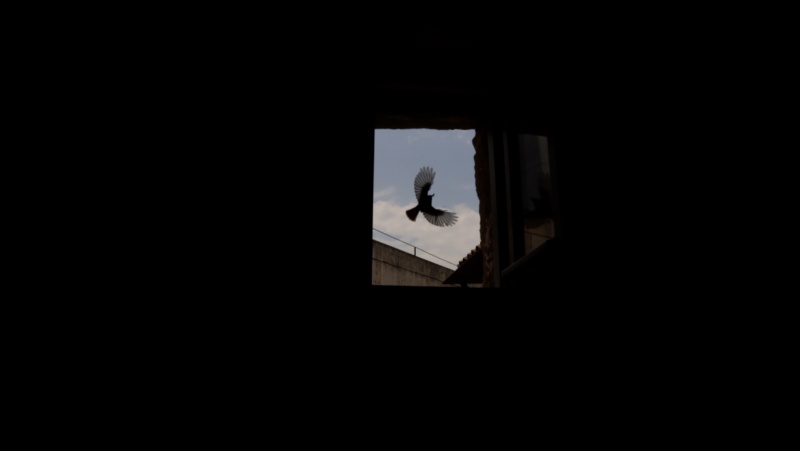
“Night will fall fourteen times in this film. We will count them.” So begins this nocturnal, musical journey—a voyage that drifts through the artistic vision of the Basque artist Jorge Oteiza, and which is dominated, above all, by an “Interior, Night” setting: the Basilica of Arantzazu. It is there that the longest night unfolds, beside the sanctuary’s organ, where filmmaker Oskar Alegria shuts himself away to recount these fourteen nights to pianist Iñar Sastre—summoning him to conjure, through the keys, images he wont see. From this challenge emerges a collection of fourteen moons, fourteen darknesses, and fourteen mysteries that form a single frieze. Fourteen, like the number of apostles Oteiza managed to place on the façade of that temple in an artistic challenge that broke all the rules; and fourteen because, as he himself put it, “there was no room for any more.”

The Walker arrives in San Sebastián, a place of light-filled beauty. A red-coloured strip moves slowly through the forests and along the edges of the wind and the sea, between the noise of the night and the quietness of the day. With slow steps, he moves before the eyes of many: a calm figure in the immensity of the world, leaving a fleeting mark in the memory of strangers. Past and present merge with one another. Both creation and nature dissolve into dust.
PERLAK

Matteo is playing tennis when a woman in a bride's dress runs onto the court. It's Greta. She kicks off her shoes, grabs a racket and invites him to play. For seven years, the woman will never be far from Matteo's mind. As they follow their paths and parallel lives, fate seems determined to keep them apart. But one day they run into each other again and now, perhaps, their time has come. Will it happen tonight?
NEST
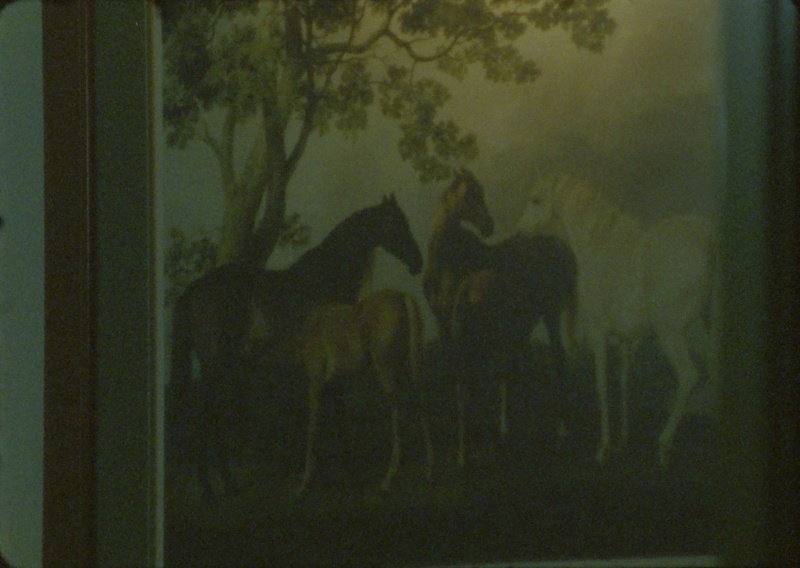
A woman and a man look back at their trip to a coastal town. Their voices reach us from an uncertain time, where past and present merge. The memories superimpose one another with no order: a lookout point, a café, the beach at sundown, a park and, particularly, a bingo hall. A punt at this game of luck and the premonition that his win occupies the centre of this recollection. The town spreads out like a postcard, and on it, the tale of an approaching separation is told.
CULINARY ZINEMA
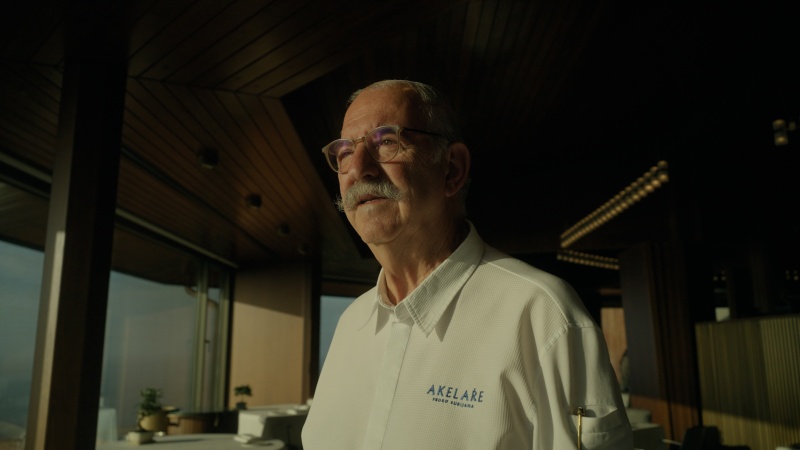
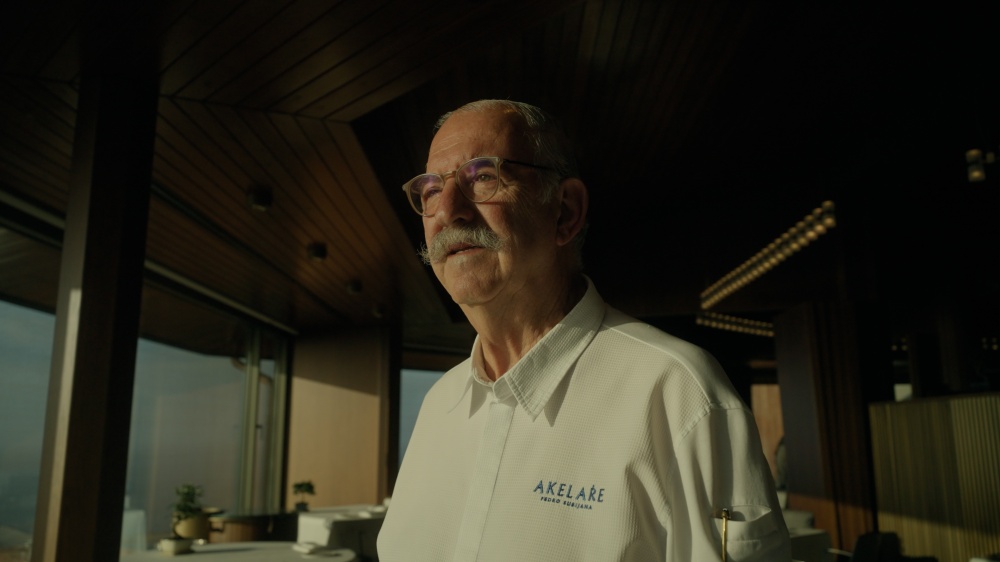
What lies beyond Pedro Subijana’s moustache? A personal and professional portrait of one of the pioneers of New Basque Cuisine: more than 50 years devoted to life and cooking, and a legacy that is now being passed on to new generations.
MADE IN SPAIN
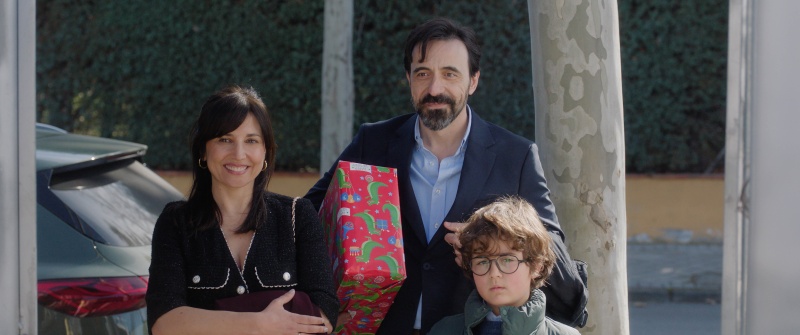
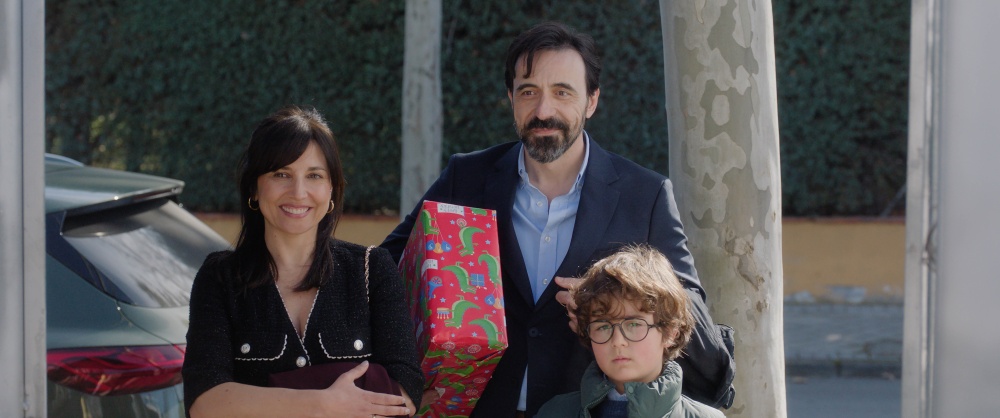
Alicia and Gonzalo, a middle-class couple, have the chance to enrol their son Fer in an elite secular school. For the parents, it means a glimpse into the upper class, new friendships, higher incomes, countless advantages. They say they’re doing it for their son. In this wonderful contradiction between their fears and moral principles, the couple's high aspirations will show how far they are prepared to go to climb the class ladder.
VELODROME
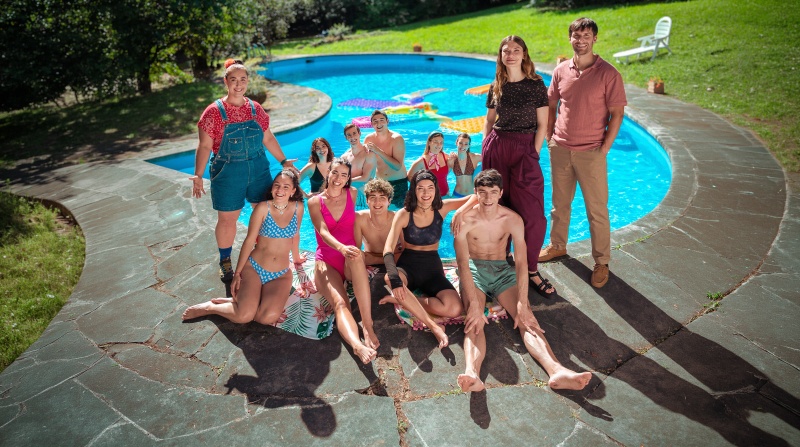
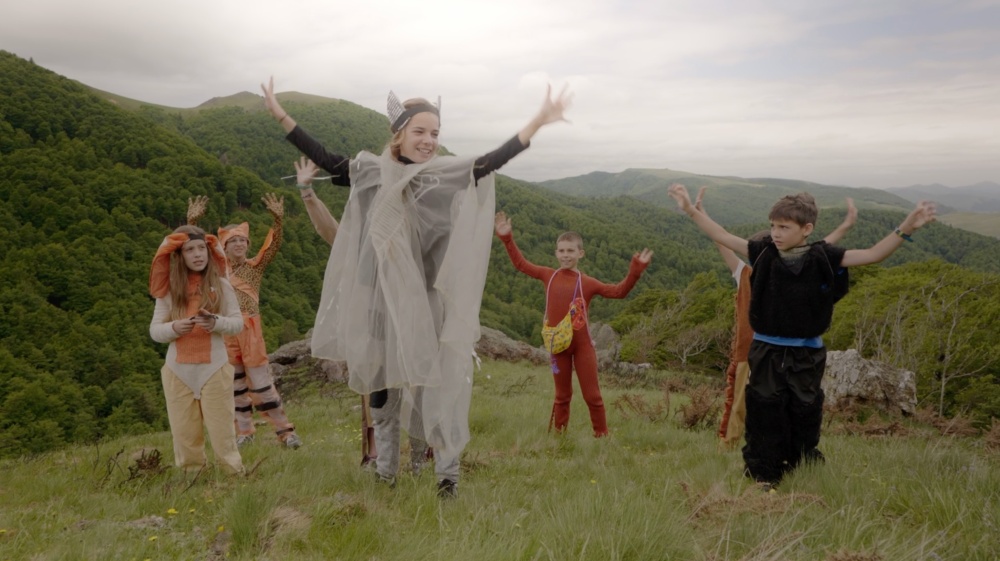
Although born as a film for television, Go!azen enters its thirteenth season this year. The first musical series produced in the Basque Country returns yet again to the Basakabi summer camp with new adventures, bringing covers of Basque songs old and new. Yet another season packed with fun and escapades.
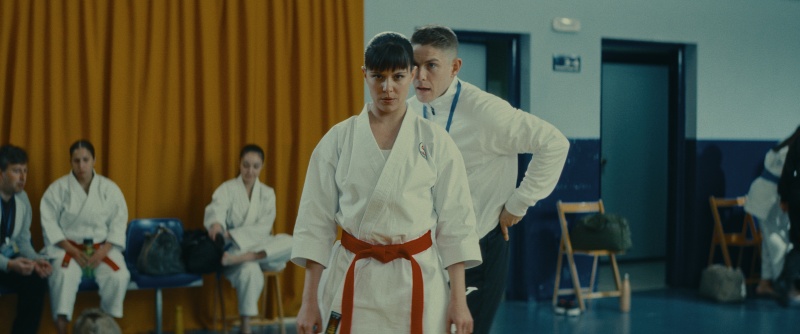
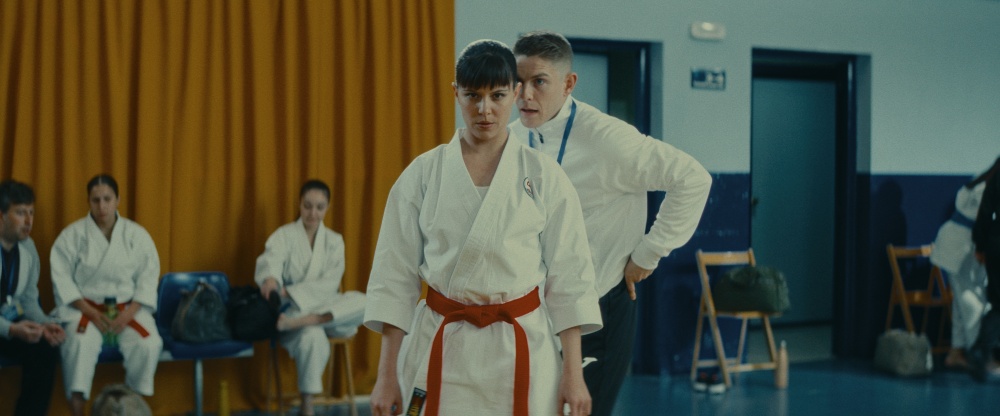
This is the story of Sandra Sánchez, a woman who defied all conventions to become the best female karateka ever to have existed. With the guidance of Jesús del Moral, her trainer and life companion, Sandra set out on an impossible journey: to win an Olympic gold medal at the age of 39 in a sport dominated by the Japanese and where the oldest retire at the age of 30. A tale of love, greatness and struggle that goes way beyond karate and grows into a legend.
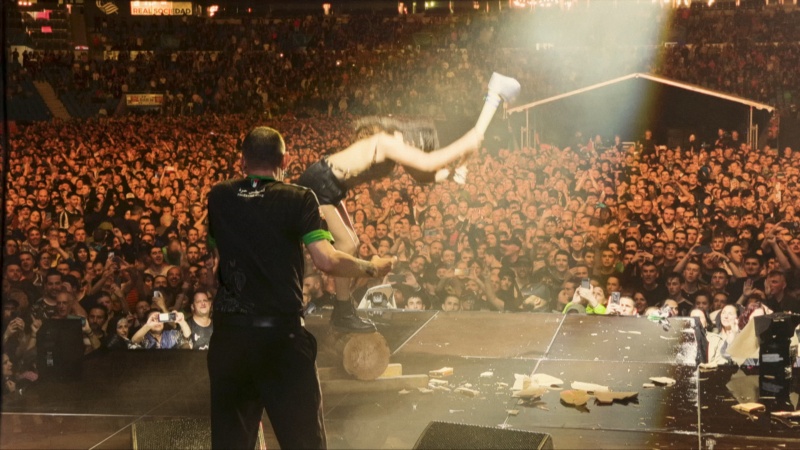
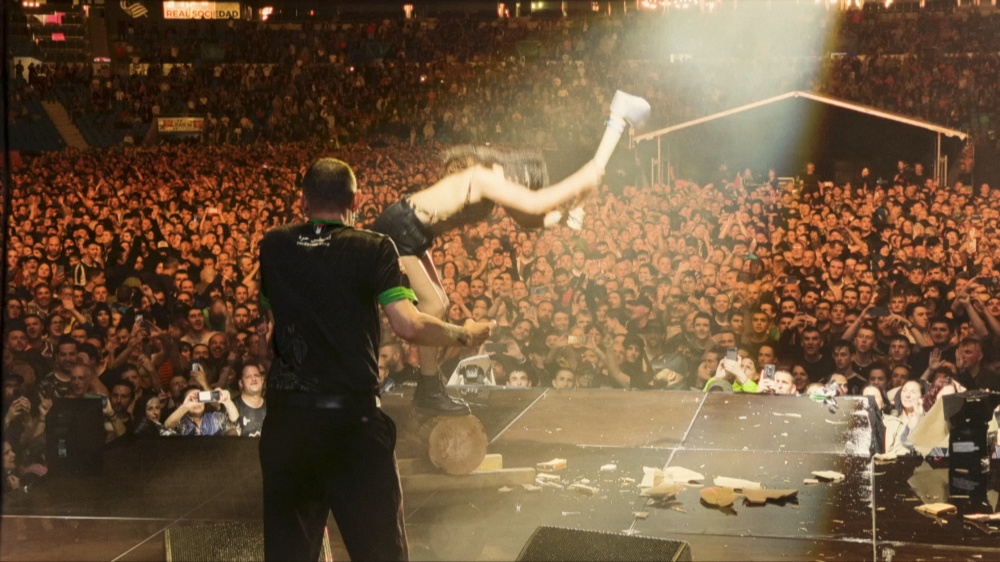
Four decades after taking to the stage for the first time, Fermín Muguruza launches into his last major tour: a collective journey to celebrate 40 years of music, engagement and cultural resistance. This music documentary captures the pulse of that voyage: concerts packed to the hilt, endless kilometres on the road, all sorts of encounters on the way and a shared energy that stretches beyond generations, from the bands Kortatu and Negu Gorriak to his current solo career.
KLASIKOAK
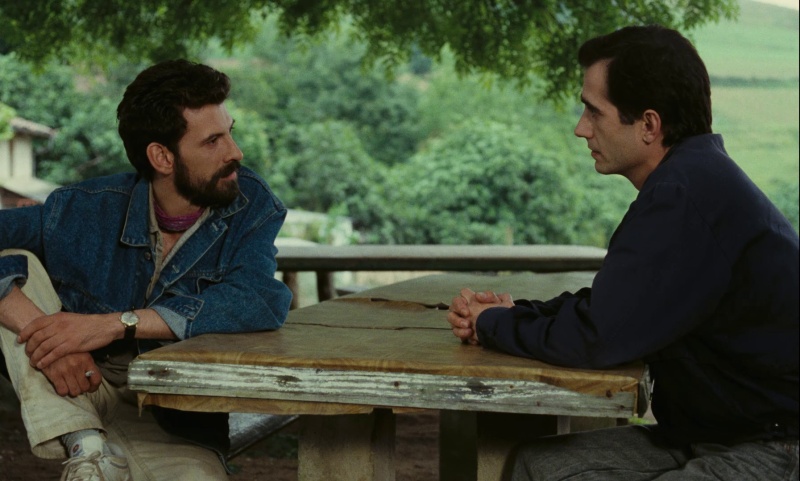
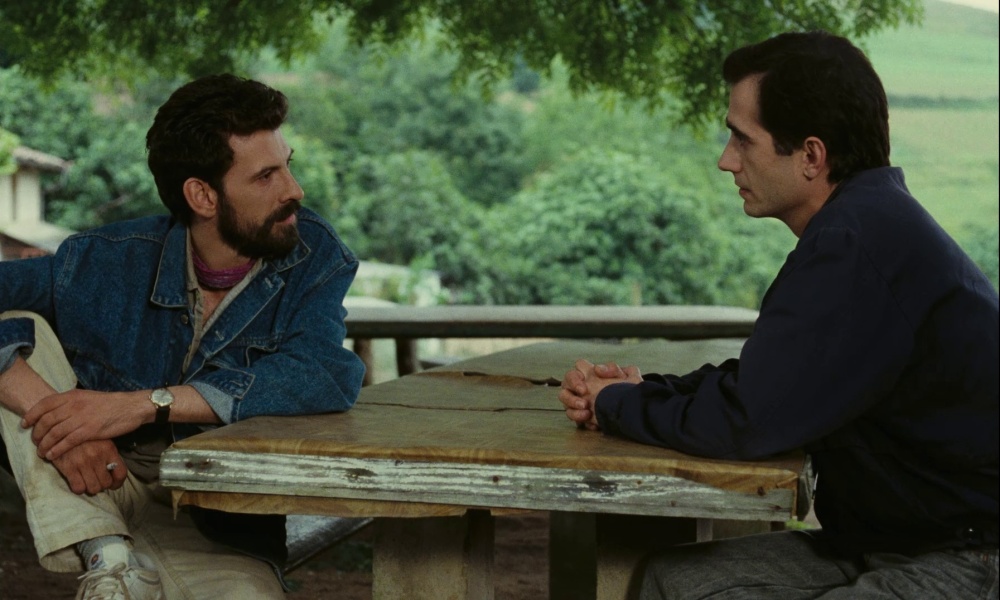
Ander, released from jail on completing his sentence, returns to his father's house. This homecoming revives the nostalgia of a family with which he had broken all ties, while the urban landscape confronts him with a love he can almost feel. He also runs back into Yul, his best friend, who in all likelihood took his place in his home when he decided to leave. But the society they live in proves to be relentless in deciding their fate, against which they have no power to act.
EITB GALA
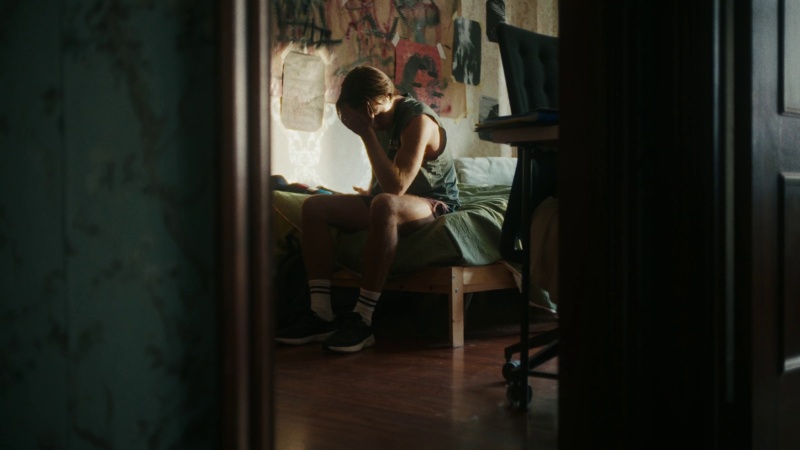
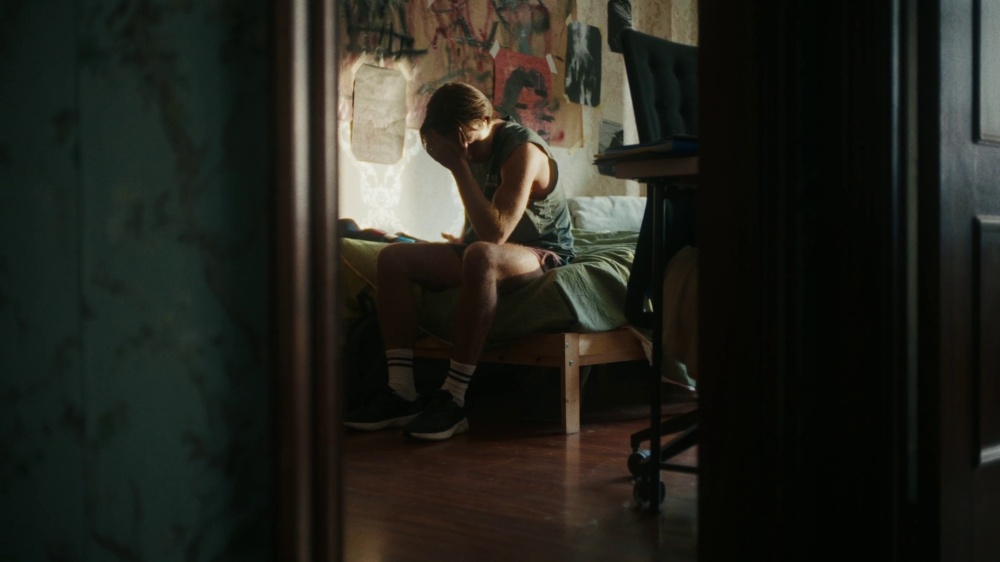
10 years later, at a class reunion, Julen runs into some of his former pals. He doesn't feel like it, but goes along anyway with Melyssa, the only one he's still friends with after so much time. However, among all his former schoolmates, the only one he doesn't expect to meet is Ibai, his best childhood friend who has, just today, been released from prison. Precisely ten years ago, Ibai committed a murder that he never tried to explain.
RTVE GALAS
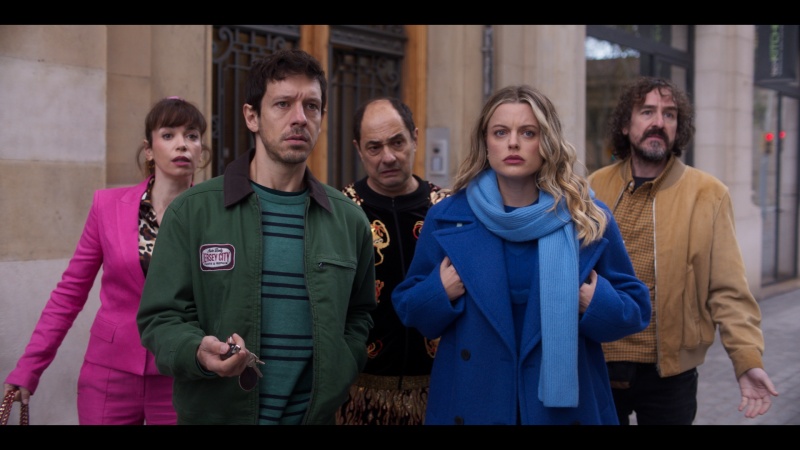
Berta finds out she's pregnant and doesn't now what to do, as she's unsure of her partner Manel's love for her. Advised by her friend Silvia, she decides to give him burundanga, the so-called truth drug. But when it starts to take effect, Manel confesses to something much more unexpected: that he's a member of an ETA commando.
ORIGIN: EUSKADI
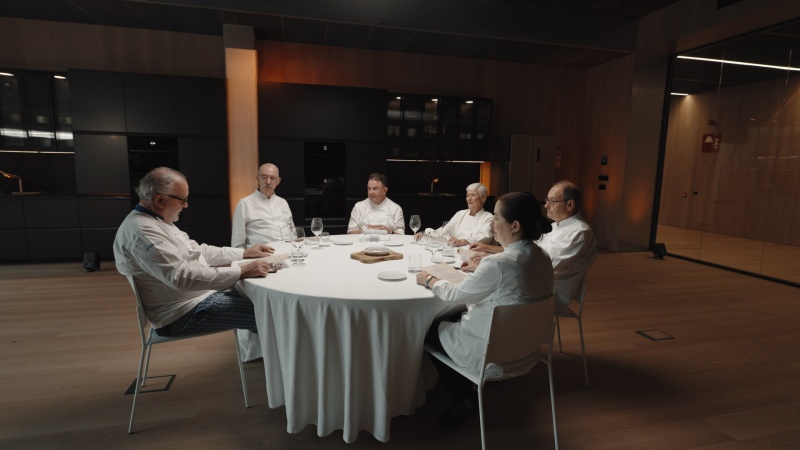
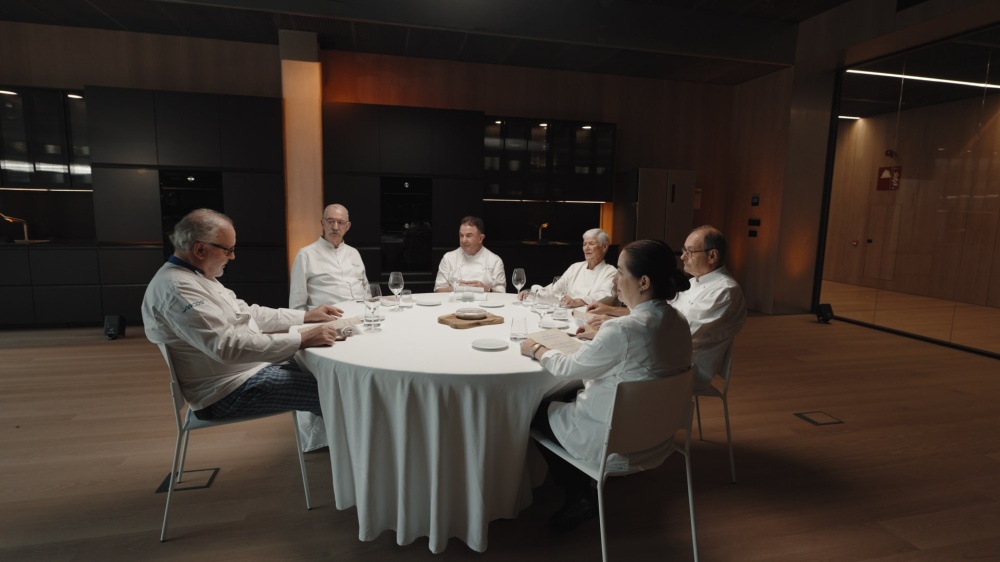
By way of a tribute to those dinners/conversations, we unite, around a same table, members of that period such as Pedro Subijana, Tatus Fombellida and Ramón Roteta, alongside chefs who came to the soirée later, such as Elena Arzak, Hilario Arbelaitz and Martín Berasategui, with a view to sharing those experiences and constructing a story in first person, as well as testimonials such as that of Andoni Luis Aduriz. Meanwhile, a new generation of men and women chefs reinterprets some of the most iconic dishes of that New Basque Cuisine movement.
CO-PRODUCTION FORUM

A funeral parlour with ants swarming in the coffin. A slip of paper that's also a wish. Cassettes with the voice of the defunct mother. A house with a grandmother who digs holes and climbs into them. An urn with a birthday hat and eyes that can't blow out the candles. Marina germinates fruit, fights with her boyfriends, eats pizza in a church. She creates false audios by her mother. She uses cassettes to rewind and re-record. She invents memories. All families keep a language in the body rather than in the memory.
Films spoken partially or totally in Basque |
- 300 HARITZ / 300 OAKS by Aitor Aranguren Ordóñez (Zinemira)
- AHO BELTZA by Alba Lozano (Zinemira-Kimuak)
- ANDER ETA YUL (ANDER Y YUL) by Ana Díez (Klasikoak)
- AZKEN AGURRA / THE LAST GOODBYE by Koldo Almandoz (Official Selection. Special Screenings - Not in Competition)
- BITARTEAN, GERO / MEANWHILE, THEN by Raúl Barreras (Zinemira-Kimuak)
- BURUNDANGA by José Corbacho (RTVE Gala)
- ESTA SOLEDAD / THIS SOLITUDE by Javier Giner (New Directors)
- GATIBU, AGUR ESAN BARIK / GATIBU, WITHOUT SAYING GOODBYE by Jabi Elortegi (Zinemira)
- GO!AZEN 13 by Aitor Osa Eiguren and Itziar Gomez Sarasola Garizurieta (Velodrome)
- HAMALAU GAU / CATORCE NOCHES by Oskar Alegria Suescun (Zabaltegi-Tabakalera)
- HEMEN GAUDE / WE ARE HERE (ESTAMOS AQUÍ) by Sébastien Boulard (Zinemira-Kimuak)
- INURRI ITSUAK / THE BLIND ANTS by Igor Legarreta (Zinemira - Opening Film)
- IRAILAK / SEPTEMBERS by Izaskun Arandia (Zinemira)
- ITZALAK ARGITZEN / BRINGING SHADOWS TO LIGHT by Koldo Almandoz and Gorka Bilbao (Zinemira)
- IZARRAK by David Taberna and Iñigo Puerta (Zinemira)
- JOARE TTE by Ekaitz Bertiz (Zinemira-Kimuak)
- LAS HIJAS DEL MAR / DAUGHTERS OF THE SEA by Gemma González Martínez (Zinemira)
- MUGURUZA FM 40 TOUR by Ander Merino Etxebeste and Fermin Muguruza (Velodrome)
- ODOL ILARGIA / BLOOD MOON by David R. Losada (EITB Gala)
- ONDAREA EUSKAL SUKALDARITZA BERRIAK, 50 URTE / ONDAREA 50 YEARS OF NEW BASQUE CUISINE by Ainhoa Alzibar and Beatriz Nieto (Origin: Euskadi Gala)
- PEDRO ARRUPE. YO VIVÍ LA BOMBA ATÓMICA / PEDRO ARRUPE. I SURVIVED THE ATOMIC BOMB by Maite Ibáñez (Zinemira)
- SACAMANTECAS / THE HARVESTER by David Pérez Sañudo (Official Selection – Special Screenings, RTVE-EITB Gala)
- SIMULACRO / FAMILY DRILL by Nitya López Saitua (Zinemira)
- SUBIJANA, MÁS ALLÁ DE UN BIGOTE by Jorge Fernández Mayoral and Jesús Javier Ruiz Aquerreta (Culinary Zinema)
- TXAKUN TXAKÜR by Elsa Oliarj-Inès (Zinemira)
- UN TAL KARLOS by Arantxa Aguirre (Zinemira - Closing Film)
Movies for Kids dubbed into Basque |
The Movies for Kids section offers a selection of six films for an audience of children to be screened in Basque, thanks to the collaboration of Zineuskadi as part of the Zinema Euskaraz (Cinema in Basque) programme.
- FLEAK by Jens Møller
- MARAKUDA / THE MYTH OF MARACUDA by Viktor Glukhushin
- MARSUPILAMI by Philippe Lacheau
- SABLEHORTZ KAPITAINA ETA GRELEKO KONDESA / CAPTAIN SABERTOOTH AND THE COUNTESS OF GREL by Rasmus A. Sivertsen, Yaprak Morali and Are Austnes
- SUPER CHARLIE by John Holmberg
- TAFITI ETA LAGUNAK / TAFITI: ACROSS THE DESSERT by Nina Wels
Furthermore, and thanks to the collaboration with the Donostia International Physics Center (DIPC) and the Filmoteca Vasca, the Festival will run every morning a screening for Gipuzkoa school children at the Velodrome of Benjamin Renner and Guylo Homsy's Migrazioa, bidaia ahaztezina / Migration (Migración: un viaje patas arriba), dubbed into Basque.
Films in other sections with Basque subtitles |
- 5 MINUTOS MÁS / 5 MORE MINUTES by Javier Ruiz Caldera
- 7:40 CE MATIN-LA / MILO by Nicole Garcia
- ARTAKALAN / WHAT REMAINS by Yeşim Ustaoğlu
- BIAN JING / BORDER by Ah Biao
- EL CASTILLO / THE CASTLE by Elena Martín Gimeno and Sandra Romero (Not in Competition – Series)
- EL MAL PADRE by Roberto Bueso
- GARRAT DU VÁIMMU / BRACE YOUR HEART by Amanda Kernell
- GEISTER / GHOST SONG by Faith Akin (Opening Film - In Competition)
- GLAXO by Benjamín Naishtat
- HEART OF THE BEAST by David Ayer (Not in Competition)
- KRUX by Tony Vahl
- LE FAUX SOIR by Michaël R. Roskam (Closing Film - Not in Competition)
- LES MISÉRABLES by Fred Cavayé
- MARKENS GRØDE / GROWTH OF THE SOIL by Hans Petter Moland
- MIS MUERTOS TRISTES / MY SAD DEAD by Pablo Larraín
- MUYOU NO HITO / IN MY FATHER’S ROOM by Maha Harada
- SANTS / SAINTS by Mikel Gurrea
- TENDER LOVING CARE by Mike Leigh
- THE DEBUT by Jesse Eisenberg
- VICENTINA PEDE DESCULPAS / ON BEHALF OF MY SON by Gabriel Martins
- LOVERS SLEEP ALONE by Massih Parsaei
- MUGALIM by Ayana Nurdinova
- OBUVKITE NA BASHTA MI / MY FATHER’S SHOES by Hristo Simeonov
- RI GUANG / WILL YOU STILL BE MY FRIEND by Lu Po-Shun
- THE BALLET LESSON by Kazuya Murayama
- THE WORLD BEFORE by Yoon Dan-bi
- LA BELLE ANNÉE by Angelica Ruffier
- LES ROCHES ROUGES / RED ROCKS by Bruno Dumont
- THE LONELIEST MAN IN TOWN by Tizza Covi and Rainer Frimmel
- TRISTAN FOREVER by Tobias Nölle and Loran Bonnardot
- FJORD by Cristian Mungiu
- JOSEPHINE by Beth de Araújo
- JUSTE UNE ILLUSION / JUST AN ILLUSION by Éric Toledano and Olivier Nakache (Closing Film - Not in Competition)
- LE CORSET / IRON BOY by Louis Clichy
- SOUDAIN / ALL OF A SUDDEN (DE REPENTE) by Ryusuke Hamaguchi
- THE MAN I LOVE by Ira Sachs
- MITANI – THE MARIAGE OF SUSHI by Keita Ideno and Ivan Kovac
- BURGUNDY by Michael Dweck and Gregory Kershaw
- CLASSE TOUS RISQUES / THE BIG RISK by Claude Sautet
- LA SCOUMOUNE / HIT MAN by José Giovanni
- LE CLAN DES SICILIENS / THE SICILIAN CLAN by Henri Verneuil
- LE TROU / THE HOLE by Jacques Becker
- LES ÉGOUTS DU PARADIS by José Giovanni
- UNE ROBE NOIRE POUR UN TUEUR by José Giovanni
- BAÑO / WC by Mendiola Ikastetxea and Zulaica Fundazioa (Zinekin)
- EL TIRO DE RAP / RAP SHOT by Mendiola Ikastetxea and Zulaica Fundazioa (Zinekin)
- POR DEFINIR / TO BE DEFINED "TBD" by Bideberri and Zulaica Fundazioa (Zinekin)
- THE MISSION by Roland Joffé
Zinemira Kimuak (Exclusively for professionals) |
The Zinemira section will incluby the short film selection for the 2026 programme of Kimuak, an initiative of the Basque Government Department of Culture and the Filmoteca Vasca, which has the vocation to disseminate the best Basque short films of the year. This year the Kimuak selection inclubys seven short films:
- AHO BELTZA by Alba Lozano
- AL OTRO LADO / ON THE OTHER SIDE by Pablo Esteo, June San Sebastián, Leyre Fernández, Antton Gorroño, Leire Martínez, Irune Aguirreazaldegui and Javier Martíne
- BITARTEAN, GERO / MEANWHILE, THEN by Raúl Barreras
- HEMEN GAUDE / WE ARE HERE by Sébastien Boulard
- HIGH RIVER by Daniel Alegrete
- JOARE TTE by Ekaitz Bertiz
- LOS DIVULGATORS by Pablo Hernando Esquisabel
 Videos
 Images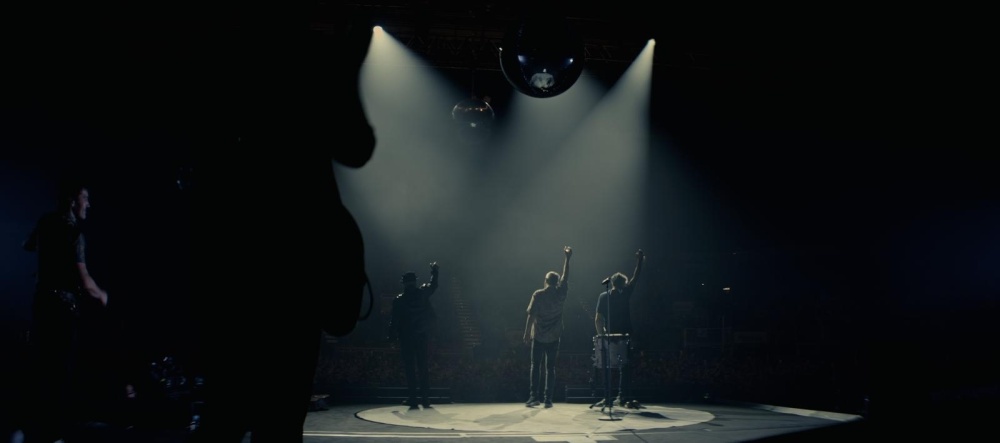












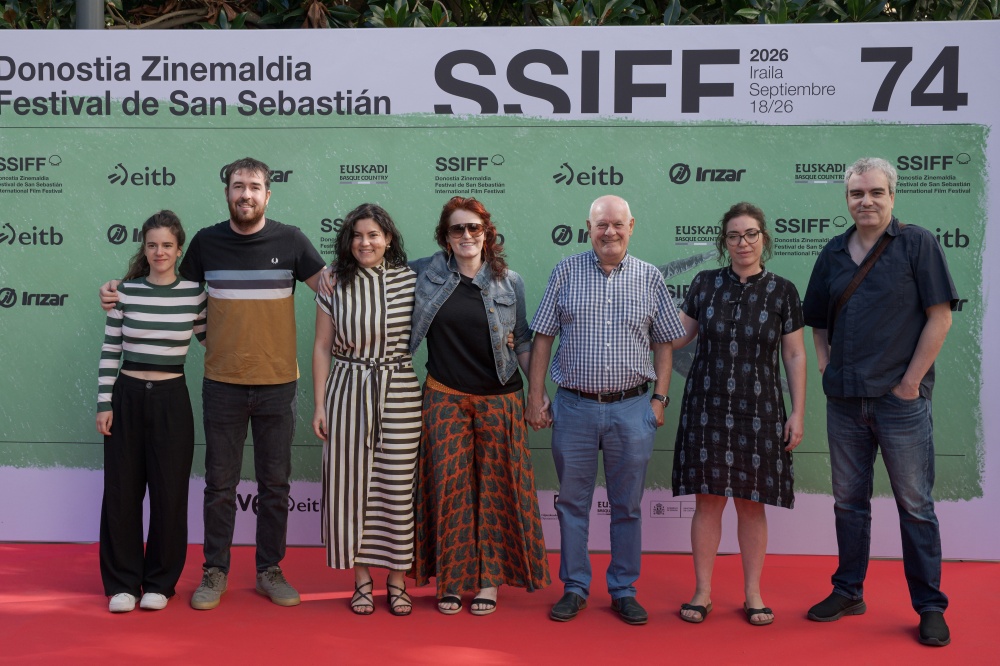
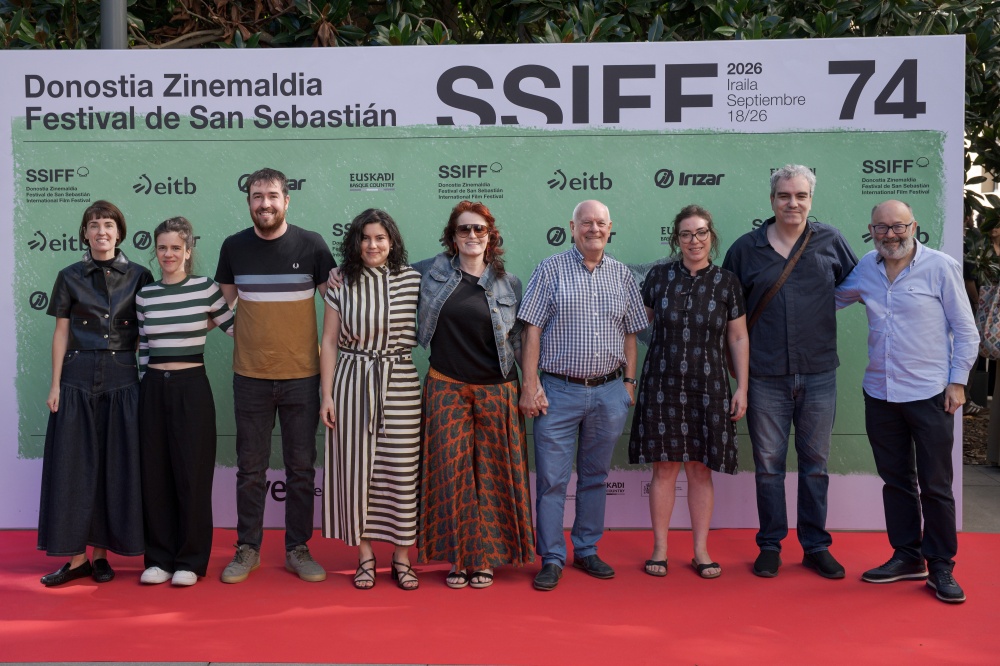
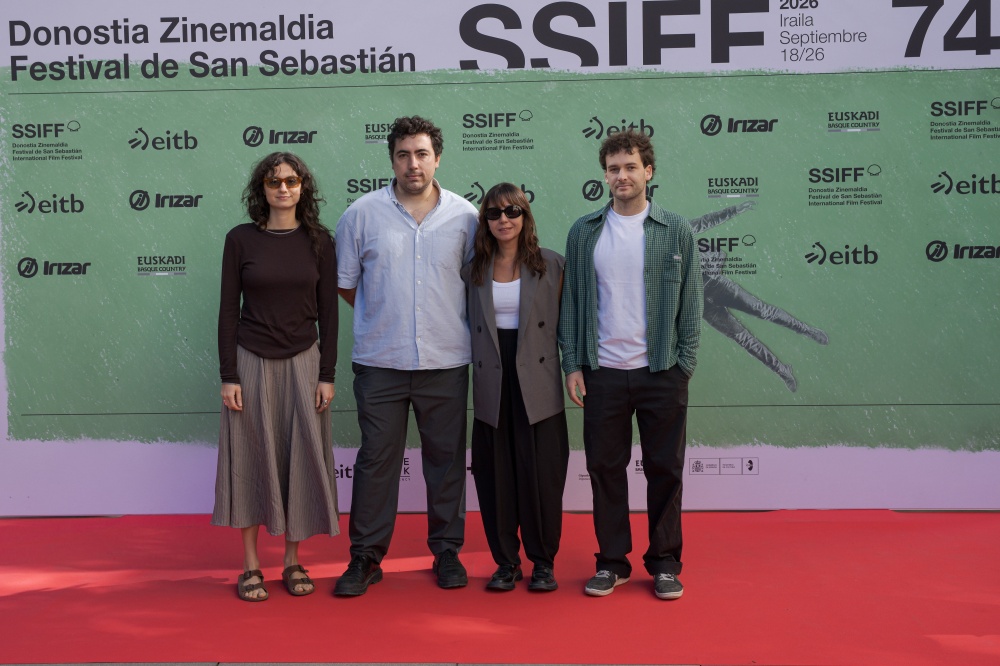
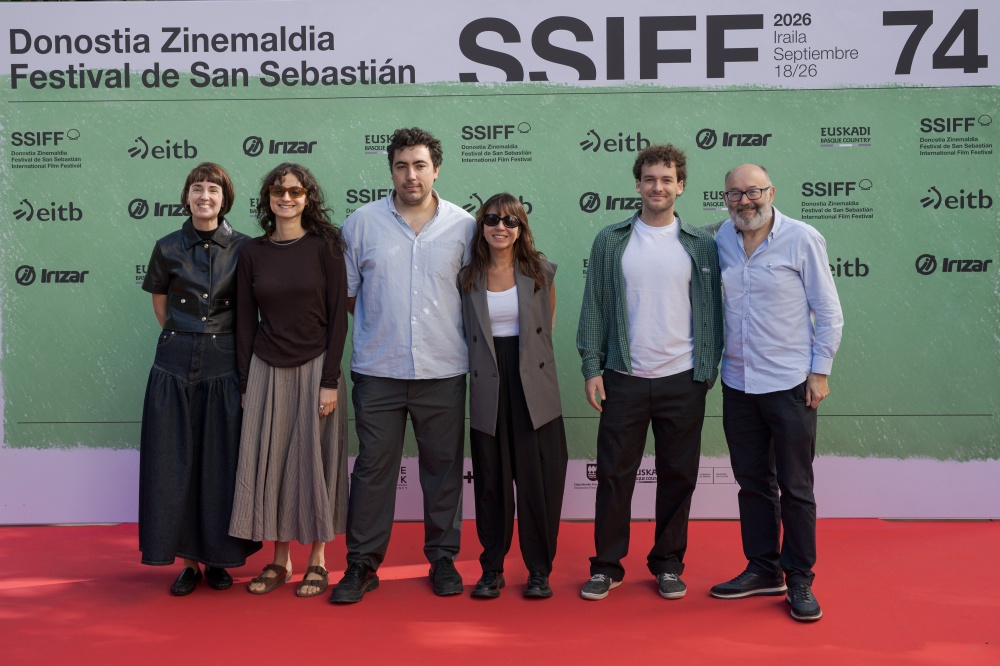
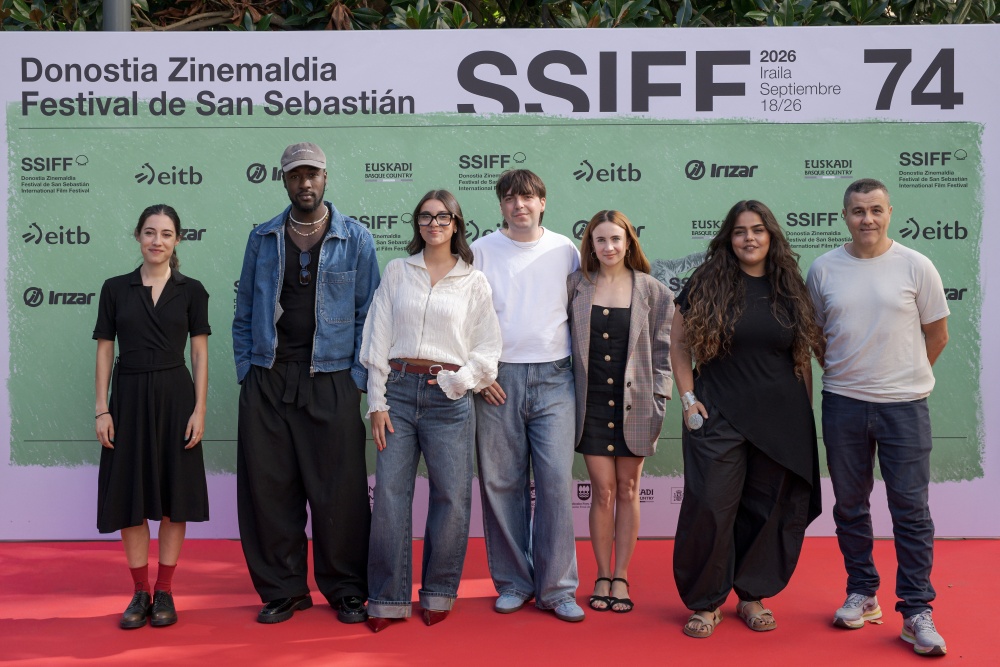
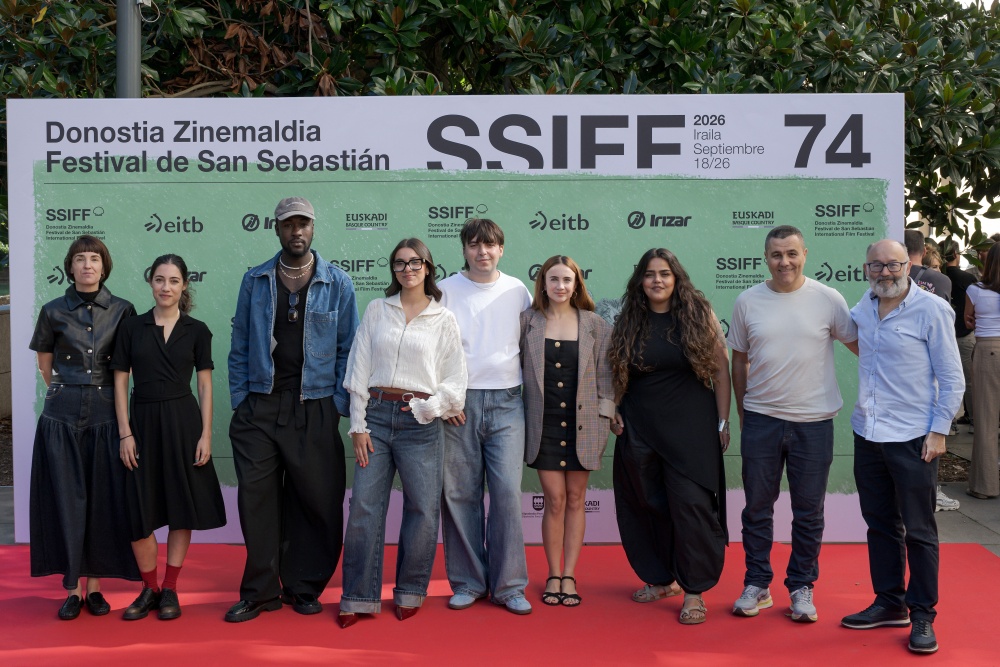
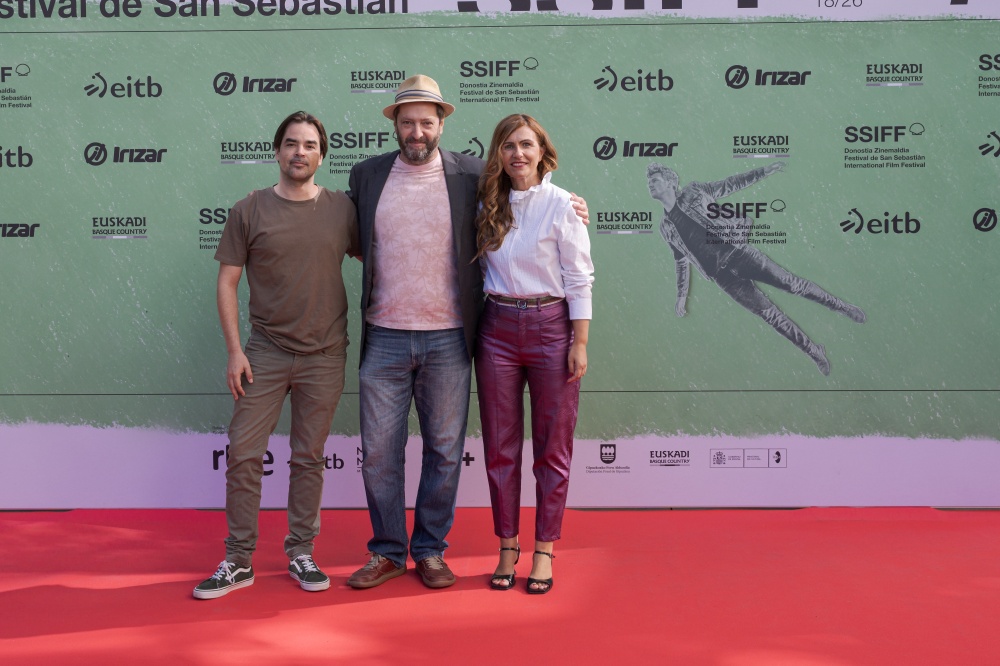
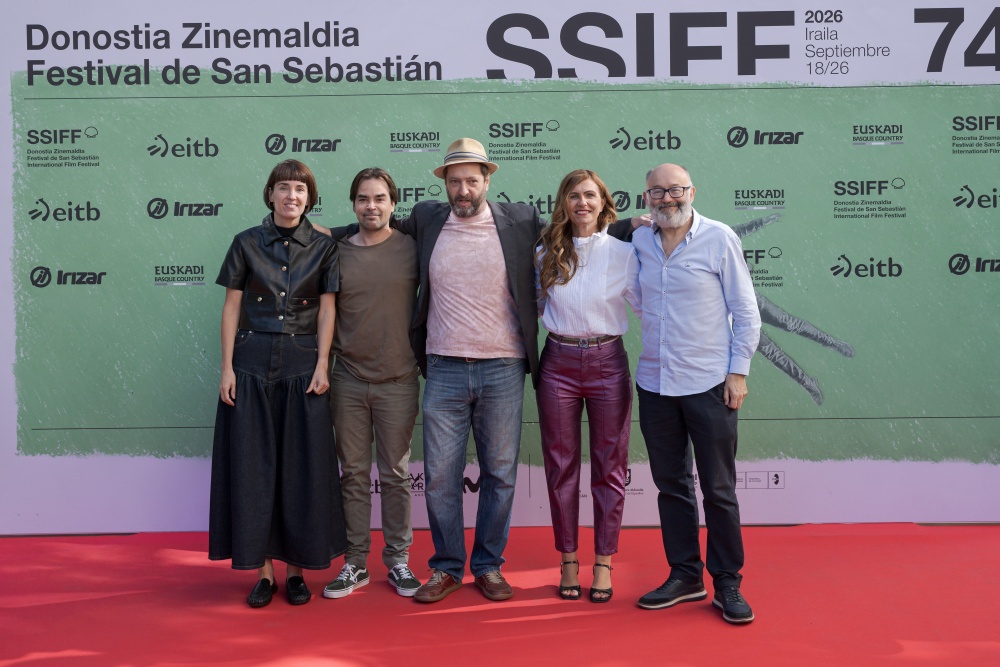






















Monday to Sunday from 09:00 to 14:00
and from 16:00 to 20:00